Source Customized Acrylic Neon Sign for Wall Decor Retail Shops
Find 30 Customized Acrylic Neon Sign options for wall decor, retail shops, and holiday decoration. Compare specs like LED light source, color temperature, and installation methods from verified suppliers in China; compare the available evidence and request quotations based on your requirements.
Updated
Key considerations
Products List


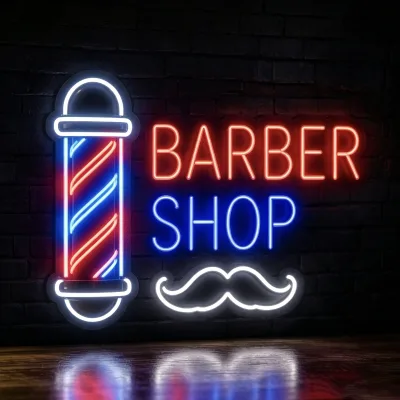
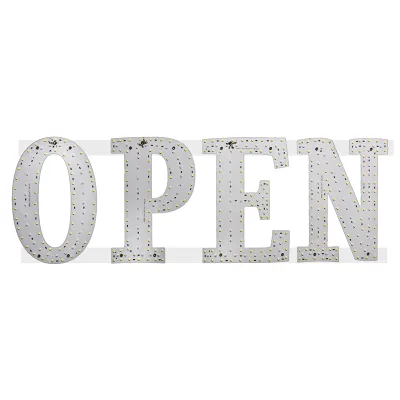
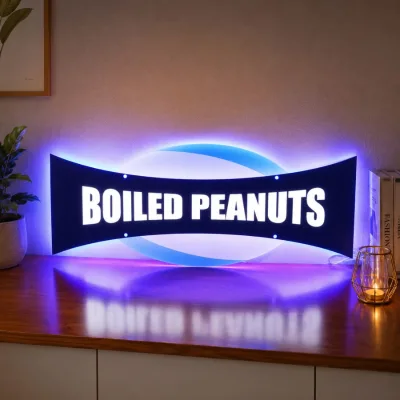
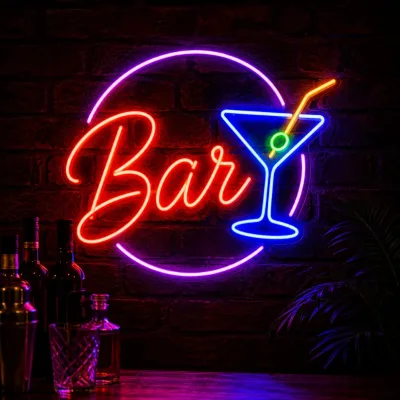



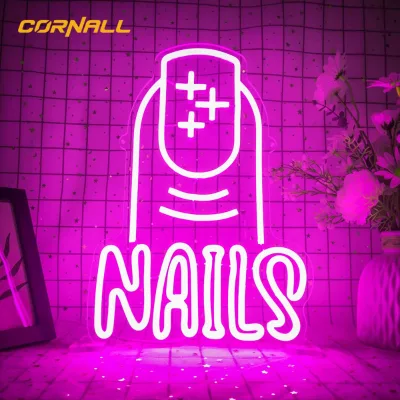


Comprehensive Sourcing Guide
Customized Acrylic Neon Sign Sourcing Guide
Sourcing customized acrylic neon signs requires a careful balance between aesthetic flexibility and technical reliability. These lighting solutions serve diverse commercial and residential needs, ranging from retail shop branding to game room decor and holiday displays. Buyers must recognize that while the visual appeal is driven by custom designs and colors, the underlying performance depends heavily on component quality and installation methods. The market offers various form factors, including rectangular and round shapes, with options for single-sided visibility or more complex multi-panel arrangements.
Procurement decisions should be guided by observed listing signals rather than generic assumptions. Current market data indicates a wide price range, typically between $1.8 and $200 USD, reflecting differences in size, LED density, and frame materials. Minimum order quantities (MOQ) are generally flexible, starting from just one piece for prototypes up to fifty units for bulk orders. Understanding these baseline metrics helps buyers set realistic budgets and manage inventory expectations, ensuring that the selected supplier can meet both immediate design requirements and long-term supply chain stability.
Product Scope and Observed Listing Signals
The product scope for customized acrylic neon signs encompasses a variety of structural and functional attributes. Listings frequently highlight materials such as acrylic for the light-diffusing panel and metal for the supporting frame. Shapes vary significantly, with rectangular and round designs being common, while usage extends beyond simple decoration to include advertising and brand visibility. Some products are marketed as ultra-slim light boxes, emphasizing their low profile and modern aesthetic, which makes them suitable for wall-mounted installations in tight spaces or high-traffic commercial areas.
Observed listing signals provide critical insights into manufacturing capabilities and packaging standards. For instance, specific models like GS0201 and GS1013 demonstrate the availability of standardized dimensions alongside fully customized options. Packaging methods are equally important, with some items wrapped in protective film and vacuum bubble wrap to prevent transit damage, while others are shipped in sturdy wooden boxes. These details indicate a supplier’s attention to product integrity and suggest that buyers should verify packaging protocols to minimize the risk of damage upon arrival, especially for fragile acrylic components.
Technical Specifications to Verify
Technical verification begins with the light source and its performance characteristics. High-brightness 2835 LED lights are commonly used, offering a lifespan of up to 50,000 hours, which reduces long-term maintenance costs. Buyers should confirm the color temperature options, which often include 2700K (Soft Warm White), 4100K (Neutral White), and 6000K (Daylight Alert), to ensure the lighting matches the desired ambiance. Additionally, the Color Rendering Index (Ra) is a key metric, with values around 80 indicating good color fidelity, ensuring that brand colors and product displays appear vibrant and accurate under the sign’s illumination.
Electrical and physical specifications are equally critical for safe and effective installation. Input voltage typically ranges from AC 85-265V, providing compatibility with various global power standards, though buyers must verify local plug types and transformer requirements. The product weight, observed at around 3.5 kg for certain models, influences the mounting hardware needed. Installation methods vary, with some signs requiring wall screw fixation for stability, while others may offer easier mounting solutions. Confirming these details ensures that the sign can be securely installed without structural modifications to the wall or ceiling.
Compliance and Safety Documentation
Compliance with safety standards is non-negotiable for electrical lighting products. Buyers must request documentation confirming CE certification, which indicates adherence to European health, safety, and environmental protection standards. While RoHS compliance is also mentioned in some contexts, it is essential to verify this separately to ensure the product is free from hazardous substances like lead and mercury. These certifications protect buyers from legal liabilities and ensure that the products meet rigorous safety benchmarks, particularly regarding electrical insulation and fire resistance.
Beyond certifications, buyers should inquire about warranty terms and support services. A standard 3-year warranty is observed in some listings, providing a safety net against premature failure of LEDs or drivers. It is crucial to clarify what the warranty covers, such as replacement parts or labor, and to understand the process for claiming support. Additionally, verifying the supplier’s ability to provide lighting solutions services, even if categorized broadly, can indicate a higher level of technical support and after-sales care, which is valuable for large-scale commercial deployments.
Cost Drivers and Commercial Terms
Cost drivers for customized acrylic neon signs include material selection, LED density, and the complexity of the custom design. Metal frames and high-brightness LEDs increase the base cost, while intricate custom designs may require additional engineering and prototyping time. Buyers should also consider the impact of size and shape on pricing; for example, a 120cm60cm10cm unit may cost differently than a 60cm60cm8cm variant due to material usage and packaging volume. Understanding these variables helps in negotiating fair prices and avoiding hidden costs associated with design revisions or expedited shipping.
Commercial terms such as MOQ and lead times significantly impact procurement planning. With MOQs starting at just one piece, buyers can test market response with small batches before committing to larger orders. However, lead times may vary based on customization levels and production volume. Buyers should establish clear agreements on delivery schedules and payment terms to mitigate risks. Flexible MOQs allow for agile inventory management, but buyers must balance this with the potential for higher per-unit costs in smaller orders, ensuring that the total cost of ownership aligns with their budget constraints.
Supplier Qualification and Quality Control
Supplier qualification involves assessing manufacturing capabilities and quality control processes. Buyers should verify the supplier’s origin, with locations like Chengdu, Hefei, and Guangdong in China being common hubs for acrylic and LED manufacturing. Proximity to supply chains can influence lead times and material quality. It is also important to evaluate the supplier’s experience with custom designs, as this requires precision in cutting acrylic and assembling LED circuits. Requesting samples or case studies can provide insight into the supplier’s ability to deliver consistent quality across different projects.
Quality control measures should be explicitly discussed, including inspection protocols for LED brightness uniformity and structural integrity. Buyers should inquire about testing procedures for waterproof features, if applicable, and the durability of the frame connections. Establishing a clear quality assurance agreement, including acceptance criteria and rejection policies, is essential. This ensures that any defects are identified and addressed before shipment, reducing the risk of receiving substandard products and maintaining brand reputation in the end market.
Long-Term Procurement Checks
Long-term procurement success depends on establishing a reliable supply chain and maintaining open communication with suppliers. Buyers should conduct periodic reviews of supplier performance, focusing on delivery consistency, product quality, and responsiveness to issues. Building a relationship with a supplier who offers customization services can facilitate future design iterations and product improvements. Regular feedback loops help in refining specifications and ensuring that the products continue to meet evolving market demands and customer expectations.
Additionally, buyers should stay informed about technological advancements in LED and acrylic materials. As technology evolves, newer, more efficient LEDs or improved acrylic formulations may become available, offering better performance or cost savings. Periodic re-evaluation of suppliers and products ensures that the procurement strategy remains competitive and aligned with industry best practices. By maintaining a proactive approach to supplier management and technology adoption, buyers can secure a sustainable advantage in the customized lighting market.
FAQs
Can customized acrylic neon signs be made in specific shapes?
Yes, customized acrylic neon signs are available in various shapes including rectangles and rounds. The product attributes indicate that custom designs are supported, allowing buyers to select specific forms such as rectangular or round configurations to match their unique branding or decorative requirements effectively.
What certifications do these acrylic signs typically hold?
These acrylic signs typically hold CE certification, ensuring compliance with relevant safety standards. The high-confidence facts confirm that CE certification is a documented attribute for these products, providing assurance regarding electrical and material safety for international buyers sourcing advertising displays or wall decorations.
How is the packaging handled for these light boxes?
Packaging options include wrapping with protective film and vacuum bubble protection, as well as wooden box packaging. These methods are designed to safeguard the acrylic material and LED components during transit, ensuring that the ultra-slim light boxes arrive in pristine condition for installation in retail or decorative settings.
What is the expected lifespan of the LED light source?
The expected lifespan of the LED light source is 50,000 hours. This durability is supported by the use of high-brightness 2835 LED lights, which provide steady illumination with a color rendering index of 80, making them suitable for long-term advertising displays and wall decor applications.
Are these signs suitable for outdoor or waterproof use?
Some models feature waterproof special functions, making them suitable for varied environments. The product attributes list waterproof capabilities alongside simple styles, indicating that certain customized acrylic signs can withstand moisture, which is beneficial for outdoor advertising or decorative installations where exposure to elements might occur.
What is the minimum order quantity for these products?
The minimum order quantity is 1 piece for certain models. This low MOQ allows buyers to test samples or order small batches for specific projects, facilitating easier procurement for retail shops, game rooms, or holiday decorations without requiring large initial inventory commitments from the supplier.