Source Customized Aluminium Glass Sliding Doors for Hotels, Patios, Balconies
Find 30 listings for Customized Aluminium Glass Sliding Doors suitable for hotels, commercial spaces, and patios. Buyers can compare thermal insulation, sealing systems, and hardware options across multiple suppliers in Foshan; compare the available evidence and request quotations based on your requirements.
Updated
Key considerations
Products List


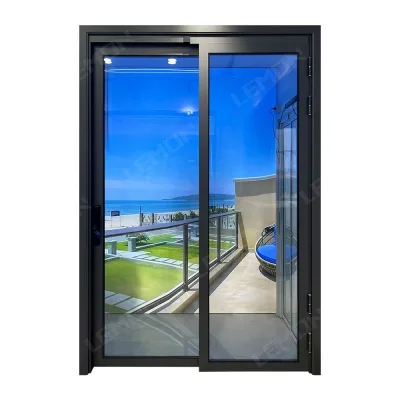
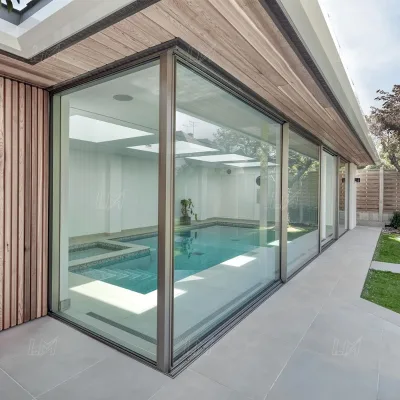
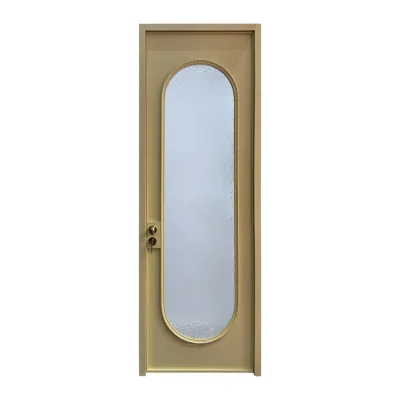


High Quality Aluminium Folding Door Glass Folding Glass Door on Sale
$160.00 - $180.00
MOQ: 5 Square Meters


New Design Sliding Glass Doors with Handle Double Glazed Aluminium Sliding Doors
$73.00 - $78.00
MOQ: 3 Square Meters


Factory-Made Aluminum Sliding Doors and Glass Doors for Doors.
$100.00 - $130.00
MOQ: 10 Square Meters


Aluminum Sliding Glass Door - Horizontal Double-Layer Glass Sliding Door
$100.00 - $130.00
MOQ: 10 Square Meters

Factory-Made High-Quality and Low-Priced Aluminum Folding Sliding Glass Door
$100.00 - $130.00
MOQ: 10 Square Meters
Comprehensive Sourcing Guide
Customized Aluminium Glass Sliding Doors Sourcing Guide
Procuring Customized Aluminium Glass Sliding Doors requires a strategic approach that balances aesthetic flexibility with rigorous technical verification. Buyers must first define the specific functional requirements, such as thermal insulation, waterproofing, or specialized security features like blast or bullet resistance. The observed market data indicates a wide range of product models, including TS-LA-280, TS-LA-048, and TS-LA-032, each potentially serving different architectural needs. Understanding these distinctions is crucial for aligning supplier capabilities with project specifications, ensuring that the selected doors meet both visual and performance expectations.
The sourcing process also involves evaluating the structural composition and material quality of the doors. Key attributes include the use of aluminum alloy profiles, tempered or insulated glass types, and specific inner frame materials such as wood or particle board. Buyers should verify the profile thickness, typically observed at 2.0mm thermal break aluminum, and confirm the sealing systems for moisture resistance. By focusing on these tangible specifications, procurement teams can mitigate risks associated with substandard materials and ensure long-term durability in various environmental conditions.
Product Scope and Observed Listing Signals
The current market landscape for Customized Aluminium Glass Sliding Doors reveals a diverse array of product configurations and application scenarios. Listings frequently highlight features such as sliding open styles, modern design aesthetics, and heavy-duty hardware suitable for high-traffic areas. These doors are commonly applied in hotels, commercial spaces, patios, and balconies, indicating their versatility in both residential and institutional settings. Buyers should note that some products offer additional functionalities like gas tightness or radiation shielding, which may be relevant for specialized industrial or medical facilities.
Observed listing signals also point to significant customization options, including color, size, and specific glass types such as clear fully insulated glass with argon or tempered glass. The presence of models like PR-LU suggests that some suppliers may offer related structural components, such as straight steel-wood stairs, indicating a broader product range. However, buyers must carefully distinguish between core door products and ancillary items to avoid confusion in procurement orders. Verifying the exact product model and associated specifications is essential to ensure that the delivered items match the intended architectural design and functional requirements.
Technical Specifications to Verify
Technical verification begins with the core material composition and structural integrity of the sliding doors. Buyers should confirm the main materials, which typically include aluminum alloy, glass, and hardware, along with specific inner frame layouts such as medium density grids or wooden pine frames. The door core material, often particle board, must be assessed for density and durability, especially in high-humidity environments. Additionally, the surface finishing should be checked to ensure it meets the required aesthetic and protective standards, with options like finished surfaces or veneer materials such as plywood.
Glass specifications are another critical area for verification, as they directly impact safety, insulation, and acoustic performance. Buyers must specify whether tempered glass or fully insulated glass with argon is required, depending on the climate and security needs. The sealing system, particularly moisture-resistant windows, should be evaluated for its effectiveness in preventing water ingress and air leakage. Furthermore, the installation process should be assessed for ease of operation, ensuring that the heavy-duty hardware functions smoothly and reliably over time.
Compliance and Safety Documentation
Compliance with international and regional standards is paramount when sourcing Customized Aluminium Glass Sliding Doors. Buyers should request documentation for certifications such as ISO, CE, CCC, and As2047, which indicate adherence to quality management and safety regulations. These certifications provide assurance that the manufacturing processes and final products meet established benchmarks for performance and reliability. It is essential to verify the validity and scope of these certificates, ensuring they cover the specific product models and materials being procured.
Safety features, such as bullet resistance, blast protection, and fire door capabilities, require additional scrutiny and specialized testing documentation. Buyers must ensure that the supplier can provide test results or compliance reports for these specific functions, as they are critical for high-security or regulated environments. The standard of production, often described as being according to the pack list made by engineers, should be reviewed to confirm that all safety and quality checks are integrated into the manufacturing workflow. This diligence helps mitigate legal and operational risks associated with non-compliant products.
Cost Drivers and Commercial Terms
Cost drivers for Customized Aluminium Glass Sliding Doors include material quality, profile thickness, glass type, and the extent of customization required. Buyers should anticipate variations in pricing based on the selection of thermal break aluminum, insulated glass with argon, or specialized hardware. The observed price range of 2.5 to 2000 USD reflects this variability, with higher costs associated with advanced features and premium materials. Understanding these factors allows procurement teams to budget accurately and negotiate effectively with suppliers.
Commercial terms, including minimum order quantities (MOQ) and packaging standards, also influence the total cost of ownership. MOQs observed in the market range from 1 to 230 units, providing flexibility for both small and large projects. Packaging methods, such as seaworthy packing, plywood boxes, or air bubble film with wood packing, must be confirmed to prevent damage during transit. Buyers should also clarify the production standards and lead times, ensuring that the supplier can meet project deadlines without compromising on quality or safety.
Supplier Qualification and Quality Control
Supplier qualification involves assessing the manufacturer’s production capabilities, quality control processes, and track record in delivering customized products. Buyers should verify the supplier’s location, with many manufacturers based in Foshan or Guangdong, China, known for their expertise in aluminum and glass products. It is crucial to evaluate their ability to handle complex customization requests, such as specific inner frame layouts or specialized glass types, while maintaining consistent quality. Requesting samples or factory audits can provide valuable insights into their manufacturing standards and operational efficiency.
Quality control measures should be integrated into the procurement process to ensure that delivered products meet the specified requirements. Buyers should establish clear acceptance criteria based on the technical specifications and compliance documentation provided by the supplier. Regular inspections, both during production and upon delivery, help identify and rectify any deviations from the agreed standards. Collaborating with suppliers who offer project solution capabilities, such as graphic design, can further enhance the alignment between product design and project needs, ensuring a seamless procurement experience.
Long-Term Procurement Checks
Long-term procurement success depends on establishing robust relationships with suppliers who prioritize continuous improvement and customer satisfaction. Buyers should monitor supplier performance over time, tracking metrics such as delivery reliability, product consistency, and responsiveness to issues. Regular feedback loops and periodic reviews of product quality help maintain high standards and identify areas for improvement. By fostering a collaborative partnership, buyers can leverage supplier expertise to optimize product designs and address evolving market demands.
Additionally, buyers should stay informed about industry trends and technological advancements in aluminium glass sliding doors. This includes updates on new materials, enhanced sealing systems, and improved safety features that may offer better value or performance. Engaging with suppliers who invest in research and development ensures access to innovative solutions that can enhance building efficiency and aesthetics. By maintaining a proactive approach to supplier management and market intelligence, buyers can secure a competitive advantage and achieve long-term procurement goals.
FAQs
What certifications do the doors have?
The doors hold As2047, CE, and ISO9001 certificates. These standards verify compliance with international quality and safety requirements. Buyers can request documentation to ensure regulatory alignment for specific regional projects. The certification scope covers manufacturing processes and material integrity.
Can the doors be customized for specific projects?
Yes, customization is available for design and specifications. Buyers can request tailored solutions including graphic design support for project integration. The manufacturer accommodates specific requirements to ensure the product fits unique architectural needs and functional demands effectively.
What is the typical packaging method used?
Packaging varies by model, using air bubble film with wood packing or seaworthy options. Some items utilize plywood boxes for secure transport. This approach protects the aluminum and glass components during shipping, ensuring the product arrives in finished condition without damage to the surface or frame.
Where are these products manufactured?
Products originate from Foshan and Guangdong in China. This location is a known hub for aluminum and glass manufacturing. Buyers can verify origin details for logistics planning. The regional supply chain supports efficient production and export processes for international orders.
What glass types are included in the design?
Options include clear fully insulated glass with argon and tempered glass. These choices provide thermal insulation and safety. The glass is integrated with aluminum profiles to create a cohesive modern design. Buyers can select based on performance needs for interior or exterior applications.
What hardware is used for operation?
Heavy duty hardware is installed for reliable operation. This ensures smooth sliding and long-term durability. The system is designed to be easy to operate for users. Robust components support the weight of the glass and aluminum frame, maintaining structural integrity over time.