Source Customized Cartoon Gaming Mouse Pad for Office, Gamer, Household
Find 30 options for Customized Cartoon Gaming Mouse Pad with varying sizes, materials, and printing methods. Compare specifications like thickness, waterproof features, and OEM availability to select the right supplier for your needs.
Key considerations
Products List


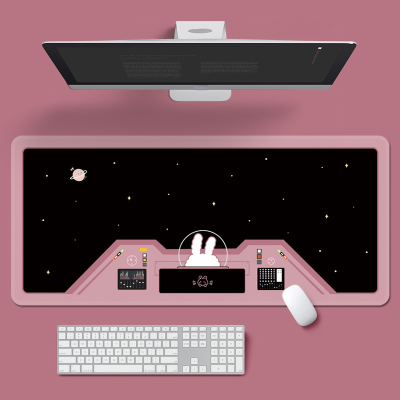


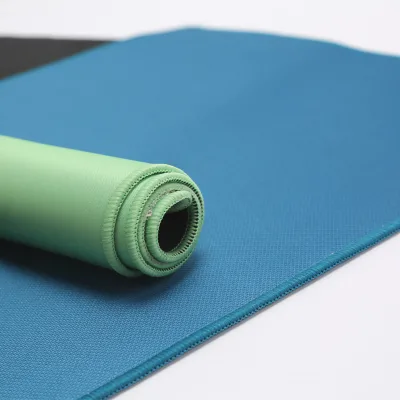


Comprehensive Sourcing Guide
Strategic Sourcing Guide for Customized Cartoon Gaming Mouse Pads
Understanding Technical Specifications and Material Composition
When sourcing customized cartoon gaming mouse pads, the primary objective is to align the physical attributes of the product with the specific needs of the end-user, whether for household, office, or gaming applications. The market offers a diverse range of specifications, and buyers must carefully evaluate the interplay between size, thickness, and surface texture. Based on available industry data, the standard thickness for these products often ranges from 3mm to 6mm. This variation is critical; a 3mm pad offers a firm, low-profile surface preferred by competitive gamers for speed, while 5mm or 6mm options provide a softer, cushioned feel that may be more suitable for office environments or extended typing sessions.
The material composition is another fundamental technical consideration. The supply chain frequently utilizes rubber as the base material, which provides essential grip and prevents the pad from sliding on the desk surface. For variants that include wrist support, memory foam is a common material choice, offering ergonomic benefits that reduce strain during long usage periods. The surface texture is typically smooth to ensure consistent mouse sensor tracking, a non-negotiable feature for gaming performance. Buyers should verify that the surface finish is uniform and free from irregularities that could disrupt cursor movement.
Size specifications vary significantly depending on the intended use. While some products adhere to standard dimensions such as 220mm by 180mm or 200mm, others offer fully customizable sizes to accommodate unique desk setups or specific branding requirements. The shape is also a variable; while rectangular forms are standard for general use, circular options are available for specific design aesthetics or compact setups. When evaluating a potential supplier, it is essential to confirm that their production capabilities can handle the desired dimensions, whether they are standard or custom. The ability to produce "any size" is a significant advantage for buyers seeking unique product differentiation, but it requires a thorough assessment of the supplier's cutting and manufacturing precision.
Compliance, Certification, and Safety Standards
In the realm of B2B procurement, particularly for products that come into direct contact with users, compliance with international safety and environmental standards is paramount. Buyers must verify that their suppliers possess valid certifications that attest to the safety of the materials used. Common certifications observed in this sector include RoHS (Restriction of Hazardous Substances), which ensures that the product does not contain specific hazardous materials like lead or mercury. Additionally, ISO9001 certification indicates that the supplier adheres to a recognized quality management system, suggesting a consistent level of manufacturing control.
Another critical certification to consider is Ca65, which relates to California's Proposition 65 and ensures the product does not expose users to chemicals known to cause cancer or reproductive harm. The presence of these certifications is not merely a formality; it is a risk mitigation strategy that protects the buyer from legal liabilities and reputational damage. When sourcing customized cartoon designs, the inks and dyes used for the printing process must also be compliant. The printing method, often sublimation or heat transfer, must be applied in a way that ensures the design does not fade or peel, which could indicate the use of substandard inks.
Buyers should request copies of current certificates from potential suppliers and verify their validity with the issuing bodies. It is important to note that certification status can vary between different product lines or even different batches from the same supplier. Therefore, a blanket assumption that a supplier is fully compliant across all their offerings is risky. The procurement process must include a specific request for the most recent test reports or certification documents relevant to the specific model being ordered. This due diligence ensures that the customized cartoon mouse pads meet the regulatory requirements of the target market, whether it is North America, Europe, or Asia.
Cost Drivers and Pricing Dynamics
The pricing of customized gaming mouse pads is influenced by a complex matrix of factors, including material costs, customization complexity, order volume, and logistics. The observed price range in the market can vary widely, from as low as $0.20 to over $18.00 per unit. This significant variance is primarily driven by the level of customization and the quantity ordered. Basic, non-customized pads with standard sizes and simple designs will naturally fall at the lower end of the spectrum. Conversely, pads featuring complex cartoon artwork, custom shapes, memory foam wrist rests, or premium packaging will command higher prices.
Order volume is a decisive factor in determining the final unit cost. Most suppliers operate with a Minimum Order Quantity (MOQ) of 100 pieces, although some may accommodate smaller orders starting at 1 piece, often at a significantly higher per-unit price. The economies of scale are substantial; as the order quantity increases, the cost per unit typically decreases due to the amortization of setup costs, such as mold creation or printing plate preparation. Buyers should be aware that the "Selling Unit" is often listed as 1PC, but the actual transaction is usually governed by the MOQ.
Additional cost drivers include the printing technique and packaging. Sublimation and heat transfer printing are standard, but the complexity of the cartoon design can affect the setup time and ink usage. Packaging is another variable; options range from simple OPP bags to more elaborate colorful boxes or polybags with PE liners. The choice of packaging can add to the overall cost but is often necessary for retail presentation. Furthermore, the origin of the product, such as Dongguan, and the port of loading, like Shenzhen, influence shipping costs and lead times, which indirectly affect the total landed cost. Buyers must balance the desire for low unit prices with the need for quality and timely delivery, ensuring that the total cost of ownership remains within budget.
Typical Applications and Design Versatility
Customized cartoon gaming mouse pads serve a broad spectrum of applications, extending beyond the traditional gaming niche. The primary use case is for gamers who require high-performance surfaces with unique aesthetic appeal. The "Gaming" style is a key attribute, often paired with features like non-heated surfaces and smooth textures to ensure optimal mouse tracking. However, the versatility of these products allows them to be effectively utilized in household and office environments as well. In an office setting, a mouse pad with a cartoon design can add a touch of personality to a workspace, potentially boosting morale or serving as a corporate giveaway item.
The customization aspect is particularly powerful for marketing and promotional purposes. Many buyers utilize these pads as "Advertising Mouse Pads" or "Photo Mouse Pads," imprinting company logos, cartoon mascots, or promotional messages. The "Customizable" design attribute allows for a high degree of creative freedom, enabling brands to create unique visual identities. The ability to produce "custom size" and "custom design" means that these products can be tailored to fit specific promotional campaigns or event themes.
Furthermore, the application extends to gift-giving and retail sales. The "Easy Typing" advantage and the availability of wrist support options make these pads suitable for users who spend long hours at a computer. The "Reusable" nature of the product ensures that it remains a functional item for an extended period, increasing the visibility of the custom design. Whether for a gamer seeking a competitive edge, an office worker needing ergonomic support, or a business looking for a memorable promotional item, the Customized Cartoon Gaming Mouse Pad is a versatile solution that bridges the gap between utility and aesthetics.
Supplier Evaluation and Production Capabilities
Selecting the right supplier is a critical step in the procurement process, requiring a thorough evaluation of their capabilities, reliability, and communication. Buyers should prioritize suppliers who demonstrate flexibility in their production processes, particularly regarding OEM (Original Equipment Manufacturer) and ODM (Original Design Manufacturer) services. The willingness to welcome OEM/ODM requests indicates a supplier's ability to adapt to specific client needs, from customizing the product model to adjusting the production line for unique designs.
Lead time is another crucial metric for supplier evaluation. Typical lead times for these products range from 15 to 20 days for production, with a sample time of 3 to 5 days. Buyers must ensure that the supplier can meet these timelines consistently, as delays can disrupt the entire supply chain. The sample time is particularly important for verifying the quality of the customization before committing to a large order. A reliable supplier should be able to provide high-quality samples that accurately reflect the final product.
Payment terms are also a key factor in supplier selection. Common terms include TT (Telegraphic Transfer) and PayPal, which offer varying levels of security and convenience for both parties. Buyers should negotiate terms that align with their cash flow and risk tolerance. Additionally, the supplier's location, such as Dongguan, and their port of loading, like Shenzhen, should be considered in the context of logistics and shipping costs. A supplier with a strategic location can often offer more efficient shipping solutions.
Finally, buyers should assess the supplier's track record in handling customization. The ability to produce various product models, such as XC-G43, XC-P91, or Yujia001, suggests a versatile manufacturing base. However, it is essential to verify that the supplier has the specific equipment and expertise to handle the desired cartoon designs and material combinations. A supplier that can demonstrate a history of successful custom projects is more likely to deliver a product that meets the buyer's expectations.
Quality Control and Long-Term Procurement Considerations
Ensuring consistent quality is the cornerstone of successful long-term procurement. Buyers must implement a robust quality control (QC) strategy that covers the entire production process, from raw material inspection to final packaging. The "Waterproof" feature, for instance, must be verified through testing to ensure that the product can withstand spills or cleaning without degrading. Similarly, the durability of the cartoon print should be assessed to prevent fading or peeling over time.
Long-term procurement considerations involve building a sustainable relationship with the supplier. This includes establishing clear communication channels, agreeing on quality standards, and setting expectations for future orders. The "Custom" brand attribute implies that the buyer may be looking to build a unique product line, which requires a supplier who is committed to maintaining consistency across batches. Buyers should also consider the scalability of the supplier's operations; as demand grows, the supplier must be able to increase production without compromising quality.
Another long-term consideration is the adaptability of the product to market trends. The gaming and office accessory markets are dynamic, with changing preferences for sizes, shapes, and designs. A supplier who offers "Any size we can do" and "Customizable" designs is better positioned to help buyers stay ahead of these trends. Additionally, the availability of different materials, such as rubber and memory foam, allows buyers to diversify their product offerings and cater to different customer segments.
Finally, buyers should monitor the supplier's adherence to standards and certifications over time. Regular audits or third-party inspections can help ensure that the supplier continues to meet the required safety and quality benchmarks. By focusing on these long-term factors, buyers can secure a reliable supply chain that supports their business growth and maintains the integrity of their brand.
FAQs
What customization options are available for gaming mouse pads?
Customization is available for these products, allowing buyers to request specific designs. Suppliers offer OEM and ODM services with sublimation or heat transfer printing methods. The product name and design can be tailored to meet unique branding needs.
Which thickness options exist for these mouse pads?
The thickness options range from 3mm to 6mm to suit different user preferences. A 3mm pad offers a firm surface for speed, while 5mm or 6mm provides a softer feel. This variation allows selection based on gaming or office requirements.
Can I order samples before placing a bulk order?
Yes, samples can be produced within 3 to 5 days for quality verification. The selling unit is listed as 1PC, though bulk orders typically require a minimum of 100 pieces. This allows buyers to test the product before committing to larger quantities.
What certifications do these mouse pads hold?
These products hold RoHS, ISO9001, and Ca65 certifications to ensure safety and quality. These standards verify that materials are free from hazardous substances and meet international manufacturing controls. Buyers should request current certificates for specific batches.
How long does production take for a custom order?
The standard lead time for production is 15 to 20 days after sample approval. This duration covers the manufacturing process from raw material to final packing. Buyers should plan their inventory accordingly to ensure timely delivery.
What materials are used for the mouse pad base?
The base material is typically rubber to provide essential grip and prevent sliding. Some variants with wrist support use memory foam for ergonomic comfort. The surface texture is smooth to ensure consistent mouse sensor tracking during use.
Where are these products manufactured and shipped from?
Products originate from Dongguan and are shipped from the Shenzhen port. This location facilitates efficient logistics for international buyers. The origin and port details help calculate accurate shipping costs and delivery timelines.