Source For Benz Tie Rod End for Steering, Suspension, and Alignment
Find 30 available For Benz Tie Rod End options from Chinese manufacturers. Compare specifications including OE numbers like 2033302003 and 3054198113, materials such as steel and aluminum, and certifications like ISO 9001 to identify suitable suppliers for your automotive needs.
Key considerations
Products List


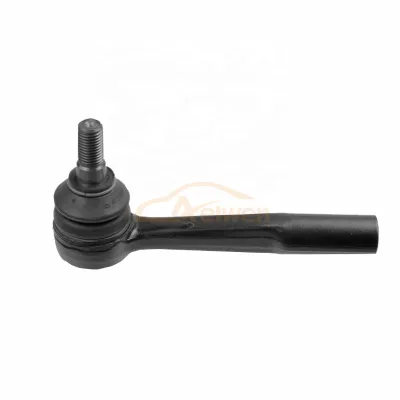


Comprehensive Sourcing Guide
For Benz Tie Rod End Sourcing Guide
Sourcing tie rod ends for Mercedes-Benz vehicles requires a precise understanding of the specific suspension geometry and load-bearing requirements inherent to these luxury platforms. The observed product listings indicate a diverse range of models, including specific part numbers like 0004608348 and 1179970230, which serve as critical identifiers for matching components to vehicle chassis codes. Buyers must recognize that these components are not generic; they are engineered to maintain precise steering angles and handle the dynamic forces of high-performance driving. The availability of both left and right variants, often denoted by L/R suffixes in the model data, underscores the necessity of verifying the exact side of the vehicle before placing an order to ensure proper fitment.
The commercial landscape for these parts reveals a wide spectrum of pricing and minimum order quantities, ranging from single units to bulk orders of 1000 pieces, with observed prices spanning from $0.50 to $108 per unit. This variance often reflects differences in material composition, such as steel versus aluminum constructions, and the level of customization or packaging provided. Procurement strategies must account for these fluctuations, as the lowest price point may correspond to basic packaging or standard tolerances, while higher price points might include specialized treatments like quenching or specific OEM-equivalent certifications. Understanding these market signals is essential for balancing budget constraints with the reliability required for automotive safety systems.
Product Scope and Observed Listing Signals
The product scope for Mercedes-Benz tie rod ends encompasses a variety of configurations, including automatic and manual variants, with specific attention paid to the forging tolerance of +/-0.2mm. Listings frequently highlight the material composition, with steel and aluminum being the primary metals observed in the supply chain, each offering distinct advantages regarding weight reduction and structural integrity. The condition of the parts is consistently listed as new, ensuring that buyers receive components that have not undergone prior wear or stress, which is critical for maintaining the original handling characteristics of the vehicle. Additionally, the presence of specific OE numbers, such as 2033302003 and 3054198113, allows buyers to cross-reference these listings directly with manufacturer service manuals to confirm compatibility.
Packaging and shipping methods vary significantly across suppliers, with options ranging from Kor-Tec boxes and wooden cases to neutral package bags and wooden packing. These packaging choices often correlate with the shipping method selected, whether by sea, air, or express courier, and can impact the final cost and delivery timeline. The observed delivery time of 30 days suggests a standard lead time for international procurement, though this can be negotiated depending on the order volume and urgency. Buyers should carefully evaluate the packaging specifications to ensure that the components are protected against corrosion and physical damage during transit, especially given the precision engineering required for steering components.
Technical Specifications to Verify
Verifying technical specifications is paramount when sourcing tie rod ends, as the application of these parts in automotive systems demands strict adherence to dimensional and material standards. The observed data indicates that many products adhere to the AISI standard for steel, while others may utilize aluminum for weight-sensitive applications. Buyers must confirm the specific forging style and surface treatment, such as sand blasting, which are critical for ensuring the longevity and corrosion resistance of the component. The heat treatment process, specifically quenching, is another vital technical attribute that influences the hardness and durability of the metal, directly affecting the part's ability to withstand the high stresses of steering operations.
Model numbers serve as the primary technical identifier, with a wide array of codes such as ZM-A1007R, ZM-A1182, and MXAC00019 appearing in the market. These codes often correspond to specific vehicle models or suspension configurations, and buyers must ensure that the selected part matches the exact requirements of their fleet. The processing object is consistently listed as metal, but the specific alloy and manufacturing process must be validated to prevent compatibility issues. Furthermore, the standard tolerance of +/-0.2mm for forging highlights the precision required in manufacturing, and any deviation from this specification could lead to premature wear or steering instability in the vehicle.
Compliance and Safety Documentation
Compliance and safety documentation are non-negotiable elements of the procurement process for automotive steering components, as these parts directly impact vehicle safety. The observed listings frequently cite ISO 9001 and ISO certifications, indicating that the manufacturing facilities adhere to recognized quality management systems. Some suppliers also provide RoHS certification, ensuring that the materials used do not contain restricted hazardous substances, which is increasingly important for environmental compliance and market access. Buyers should request explicit documentation for these certifications to verify that the supplier's quality control processes are robust and that the products meet international safety standards.
In addition to general certifications, specific product standards such as the "Standard" or "Many" categories listed in the data suggest that different parts may adhere to varying industry benchmarks. It is crucial for buyers to confirm which specific standard applies to the tie rod end they are purchasing, as this determines the testing protocols and performance expectations. The absence of a specific standard in a listing should trigger a request for clarification, as steering components must meet rigorous safety criteria to prevent failure under load. Ensuring that the supplier can provide traceable documentation for these standards is essential for maintaining liability protection and operational safety.
Cost Drivers and Commercial Terms
Cost drivers for Mercedes-Benz tie rod ends are influenced by a combination of material costs, manufacturing complexity, and logistical factors. The use of specialized materials like steel or aluminum, combined with processes such as quenching and sand blasting, adds to the production cost, which is reflected in the observed price range of $0.50 to $108. The level of customization available, as noted in the product attributes, can also significantly impact the final price, as bespoke solutions often require additional tooling and quality assurance steps. Buyers must weigh these cost factors against the long-term value of the component, considering that higher-quality parts may reduce maintenance costs and downtime over the vehicle's lifecycle.
Commercial terms, including payment methods and minimum order quantities, play a significant role in the overall procurement strategy. The observed payment options of T/T and LC provide flexibility for different buyer profiles, while the MOQ range of 1 to 1000 pieces allows for both small-scale repairs and large fleet replenishments. The delivery time of 30 days is a standard expectation, but this can be negotiated based on the urgency of the order and the supplier's capacity. Buyers should carefully review the payment terms and lead times to ensure they align with their cash flow and inventory management needs, as delays or unfavorable terms can disrupt supply chain operations.
Supplier Qualification and Quality Control
Supplier qualification is a critical step in the sourcing process, as the reliability of the tie rod end depends heavily on the manufacturer's capabilities and quality control systems. The presence of ISO 9001 and ISO certifications in the product data suggests that many suppliers have established quality management frameworks, but buyers should verify the scope and validity of these certifications. It is also important to assess the supplier's experience with automotive parts, particularly their ability to meet the specific tolerances and material requirements of Mercedes-Benz vehicles. A supplier with a proven track record in the automotive industry is more likely to deliver consistent quality and adhere to strict delivery schedules.
Quality control measures, such as the observed forging tolerance of +/-0.2mm and the use of specific heat treatments, are indicators of a supplier's commitment to precision. Buyers should request detailed quality control reports that include test results for material strength, dimensional accuracy, and surface treatment quality. The availability of customization options suggests that the supplier is capable of adapting to specific buyer requirements, but this flexibility must be balanced with rigorous quality assurance processes. Establishing a clear communication channel with the supplier to discuss quality expectations and inspection protocols is essential for ensuring that the delivered products meet the necessary standards.
Long-Term Procurement Checks
Long-term procurement checks involve establishing a framework for continuous monitoring and evaluation of supplier performance and product quality. Buyers should implement a system for tracking key performance indicators such as delivery times, defect rates, and compliance with specifications over multiple orders. This data-driven approach allows for the identification of trends and potential issues before they escalate into significant problems. Regular audits of the supplier's quality control processes and certification status can also help maintain high standards and ensure that the supplier remains compliant with evolving industry regulations.
Building a strategic relationship with suppliers is another key aspect of long-term procurement success. By engaging in open dialogue about future needs, customization requirements, and potential improvements, buyers can foster a partnership that benefits both parties. This collaboration can lead to better pricing, priority production scheduling, and access to new product developments. Additionally, maintaining a diverse supplier base can mitigate risks associated with supply chain disruptions, ensuring that the procurement of critical components like tie rod ends remains uninterrupted. Regular reviews of the procurement strategy and supplier performance will help adapt to changing market conditions and maintain a competitive edge.
FAQs
What materials are used for these tie rod ends?
The products are manufactured using steel and aluminum materials. These materials ensure durability and strength for automotive applications. Buyers can select based on specific performance needs and compatibility with their vehicle systems.
Can I request custom specifications for this part?
Customization is available for this product line to meet specific requirements. Buyers can request tailored models or modifications to fit unique assembly needs. This flexibility allows for precise adaptation to various vehicle models and engineering standards.
What certifications do the manufacturers hold?
Manufacturers hold ISO 9001 and ISO certifications to ensure quality management. Some products also comply with RoHS standards for environmental safety. These certifications verify that production processes meet international quality and regulatory requirements.
How long is the delivery time for orders?
The standard delivery time is 30 days from order confirmation. This timeline applies to most orders unless otherwise negotiated. Buyers should plan their inventory accordingly to ensure timely receipt of goods.
What is the minimum order quantity required?
The minimum order quantity can be negotiated and starts as low as 1 piece. Some listings specify a baseline of 100 pieces for certain models. Buyers should discuss their specific volume needs with suppliers to finalize the MOQ.
Which payment methods are accepted for transactions?
Accepted payment methods include T/T and LC for secure transactions. These options provide flexibility for international buyers and suppliers. Terms are typically agreed upon before production begins to ensure smooth financial processing.
How are the products packaged for shipping?
Products are packed in wooden cases, wooden packages, or Kor-Tec boxes. Some items may also use neutral package bags for protection. This packaging ensures the parts remain secure during sea, air, or express transport.