Source Dairy Farm Calf Hutch for Feeding, Breeding, and Heat Preservation
Explore 30 listings for the Dairy Farm Calf Hutch designed for feeding, breeding, and heat preservation. Buyers can compare models like HY-JS01A and NTG114R, materials including steel and PE, and specifications such as size and tiers to find suitable options.
Key considerations
Products List


Calf Hutch Dairy Farm Equipment Cattle Factories Customization Wholesale
$325.00 - $480.00
MOQ: 20 Pieces

CE Certificate Calf Hutch for Dairy Cow Animal Husbandry with Good Quality
$325.00 - $480.00
MOQ: 20 Pieces


Farm Equipment Cattle Bull Calf Hutch
$230.00 - $250.00
MOQ: 1 Sets
Shandong Wusen Environmental Control Equipment Technology Co., Ltd


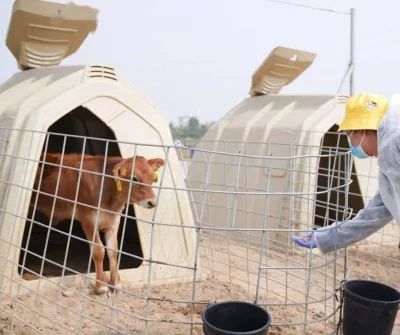
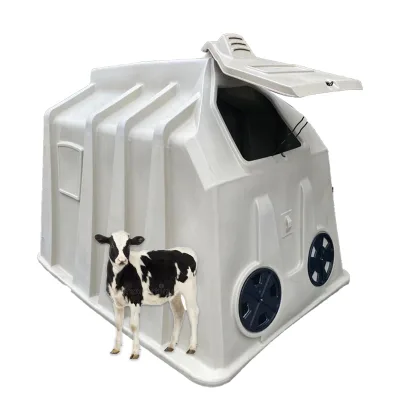


Comprehensive Sourcing Guide
Strategic Sourcing Guide for Dairy Farm Calf Hutches
Understanding Core Product Specifications and Variants
When sourcing equipment for a dairy farm, specifically focusing on calf hutches, buyers must navigate a landscape of varying technical specifications that directly impact animal welfare and operational efficiency. The primary function of these structures is to provide a controlled environment for young calves, ensuring they remain dry, warm, and isolated from pathogens. Based on current market observations, the core product category encompasses units designed for breeding, feeding, cleaning, and heat preservation. These multifunctional attributes are critical for modern dairy operations aiming to maximize calf survival rates and growth performance.
The physical construction of these hutches varies significantly depending on the intended application and material composition. Buyers will encounter units constructed from high-density steel, which offers robust structural integrity, as well as those made from durable plastic or Polyethylene (PE) materials. The PE variants are particularly noted for their resistance to corrosion and ease of cleaning, which is essential for maintaining hygiene standards in a livestock environment. A specific observation in the market includes models with a thickness ranging from 4 to 5 millimeters, a dimension that suggests a balance between insulation properties and material cost. Furthermore, the color palette for these units typically includes grey and white options, which may influence heat absorption and visibility within the farm setting.
Dimensional flexibility is another paramount specification. While standard models exist, the market heavily favors customization capabilities. Buyers should expect to find specifications where dimensions can be tailored to specific farm layouts, with some models offering standard sizes such as 2200x1500x1550mm or 219x145x150.8cm. The ability to accept customized sizes is a standard feature for many suppliers, allowing for precise integration into existing barn structures or open-air paddocks. Additionally, the weight of the units varies, with specific calf hutches weighing approximately 40 kilograms and related fen components around 30 kilograms, factors that influence handling and installation logistics.
Material Composition and Durability Factors
The longevity of a calf hutch is intrinsically linked to the materials used in its construction. The market presents a dichotomy between steel and plastic/PE solutions, each offering distinct advantages. Steel units provide a rigid framework that is resistant to physical impact, making them suitable for high-traffic areas or environments where structural rigidity is paramount. Conversely, plastic and PE units are often favored for their lightweight nature and resistance to chemical degradation from cleaning agents and manure.
A critical aspect of material durability is the UV resistance rating. In outdoor farming environments, prolonged exposure to sunlight can degrade materials, leading to brittleness and structural failure. High-quality units in this category are observed to possess a UV rating of greater than 8 levels, ensuring that the material retains its integrity over extended periods. This is complemented by a service life expectancy of approximately 10 years, a metric that buyers should verify against the specific product data sheet. The insulation properties are also vital; effective insulation capabilities are noted to maintain a temperature differential of up to 5 degrees Celsius, which is crucial for calf health during colder months.
Light transmittance is another technical specification that requires careful evaluation. Some units are designed with a light transmittance of less than 1%, creating a darker, more secure environment that mimics natural shelter conditions and reduces stress for the animals. This feature is particularly beneficial for preventing the development of eye infections and promoting restful sleep. The combination of material choice, UV protection, and insulation characteristics determines the overall lifecycle cost of the equipment. Buyers must weigh the initial investment against the projected service life, ensuring that the selected material can withstand the specific climatic conditions of their farm location.
Compliance, Certification, and Safety Standards
In the B2B procurement of agricultural equipment, verifying compliance with international and regional standards is non-negotiable. While specific certification statuses vary by supplier, the market generally expects products to meet rigorous safety and quality benchmarks. Buyers should look for evidence of certifications such as CCC, CE, and ISO9001, which indicate adherence to quality management systems and safety regulations. These certifications are not merely marketing terms but serve as indicators that the manufacturing process has undergone independent scrutiny.
The standardization of production is another area of focus. Some suppliers offer products that adhere to customized standards, while others provide units that meet specific dimensional standards like 2200x1500x1550mm. It is essential for buyers to confirm that the product standard aligns with local agricultural regulations and animal welfare guidelines. The origin of the product, often traced to regions like Shandong, China, can also influence the regulatory framework under which the item was produced. Understanding the provenance of the equipment helps in assessing the reliability of the supply chain and the consistency of quality control measures.
Furthermore, the customization aspect of the product standard allows for adaptation to specific regulatory requirements. Whether it involves modifying the ventilation system, adjusting the dimensions for specific breeds, or altering the material composition, the ability to customize the standard is a key differentiator. Buyers must ensure that any customizations do not compromise the structural integrity or safety features of the hutch. The presence of a one-year warranty is a common industry practice, providing a baseline level of protection for the buyer against manufacturing defects. However, the scope of this warranty should be clearly defined to understand what is covered and what constitutes normal wear and tear.
Cost Drivers and Procurement Economics
The pricing of calf hutches is influenced by a complex array of factors, including material costs, manufacturing complexity, and logistical requirements. The observed price range in the market spans from 75 to 2800 USD, a wide variance that reflects differences in size, material quality, and feature sets. Lower-priced units typically represent basic models with standard dimensions and minimal customization, while higher-priced units often include advanced features such as enhanced insulation, superior UV protection, or complex multi-tier configurations.
Minimum Order Quantity (MOQ) is another significant economic factor. The market exhibits an MOQ range from 1 to 130 units, offering flexibility for both small-scale farms and large industrial operations. Buyers with smaller needs can often source individual units, whereas larger operations may benefit from bulk purchasing to reduce per-unit costs. However, the total cost of ownership extends beyond the initial purchase price. Buyers must consider shipping costs, which can be substantial given the size and weight of the units. Packaging options such as pallets, wooden frames, or ocean shipment configurations directly impact logistics expenses.
Lead times also play a crucial role in the economic planning of a procurement project. While some suppliers offer a delivery time of one week for standard orders, customized orders may require extended production schedules. The availability of OEM (Original Equipment Manufacturer) services can further influence costs, as custom branding and specific design modifications may incur additional fees. Buyers should evaluate the trade-off between the cost of customization and the operational benefits it provides. Additionally, the service life of the product, typically around 10 years, should be factored into the cost-benefit analysis to determine the annualized cost of the equipment.
Supplier Evaluation and Operational Compatibility
Selecting the right supplier requires a thorough evaluation of their capabilities, reputation, and alignment with the buyer's operational needs. The market includes suppliers who welcome OEM requests, indicating a willingness to collaborate on custom designs and branding. This flexibility is particularly valuable for large dairy farms that may require specific branding or unique design features to integrate seamlessly with their existing infrastructure. The ability to customize the product, including dimensions and material specifications, is a strong indicator of a supplier's technical competence.
Location is a critical factor in supplier evaluation, as it affects lead times, shipping costs, and communication efficiency. Many suppliers are located in China, with specific hubs in Shandong and Qingzhou. Proximity to major shipping ports can reduce transit times and costs, making these locations attractive for international buyers. However, buyers must also consider the time zone differences and the potential for language barriers when coordinating with suppliers. Effective communication channels and responsive customer service are essential for resolving any issues that may arise during the procurement process.
The packaging and shipping methods provided by the supplier are also indicative of their operational maturity. Options such as standard packages, cartons, or wooden frames suggest a level of care in handling the products. Ocean shipment capabilities are necessary for international orders, and the supplier's ability to manage complex logistics is a key differentiator. Buyers should request detailed information on packaging standards to ensure that the products arrive in pristine condition. Additionally, the availability of after-sales support, including warranty claims and technical assistance, should be a primary consideration in the supplier selection process.
Quality Control and Long-Term Procurement Strategy
Implementing a robust quality control (QC) strategy is essential for ensuring that the purchased calf hutches meet the required standards. Buyers should establish clear acceptance criteria based on the observed specifications, such as material thickness, UV rating, and dimensional accuracy. Regular inspections during the manufacturing process, or upon delivery, can help identify any deviations from the agreed-upon standards. The presence of certifications like ISO9001 suggests that the supplier has a structured QC system in place, but independent verification is often necessary to ensure compliance.
Long-term procurement considerations involve building a sustainable relationship with suppliers that can adapt to changing farm needs. The market trend towards customization and OEM services indicates a shift towards more personalized solutions. Buyers should plan for future scalability, ensuring that the chosen supplier can accommodate increased order volumes or design modifications as the farm expands. The 10-year service life of the equipment suggests that a long-term partnership is beneficial, allowing for consistent quality and potential volume discounts over time.
Furthermore, buyers should consider the environmental impact of their procurement decisions. The use of durable materials and the focus on energy efficiency through insulation can contribute to a more sustainable farming operation. The ability to recycle or repurpose the equipment at the end of its life cycle is another factor to consider. By prioritizing suppliers who demonstrate a commitment to quality, sustainability, and customer service, buyers can ensure a reliable supply chain that supports the long-term success of their dairy farm operations. The integration of these factors into the procurement strategy will ultimately lead to a more resilient and efficient farming enterprise.
FAQs
What materials are used for dairy farm calf hutches?
Dairy farm calf hutches are constructed from steel, plastic, or polyethylene materials. Steel offers structural rigidity while plastic and PE variants provide corrosion resistance and ease of cleaning for maintaining hygiene standards in livestock environments.
How long is the service life of a calf hutch?
The service life of a calf hutch is typically around 10 years. This longevity depends on material durability, UV resistance ratings exceeding 8 levels, and proper maintenance to withstand outdoor climatic conditions and regular cleaning.
Can I customize the dimensions of a calf hutch?
Yes, customization of dimensions is available for most calf hutch models. Buyers can request specific sizes such as 2200x1500x1550mm or other tailored measurements to fit unique farm layouts and operational requirements.
What certifications do calf hutch manufacturers typically hold?
Manufacturers often hold certifications such as CCC, CE, and ISO9001. These credentials indicate adherence to quality management systems and safety regulations, ensuring the equipment meets international standards for agricultural machinery.
What is the typical price range for calf hutches?
The price range for calf hutches spans from 75 to 2800 USD. Costs vary based on material quality, size, insulation features, and the level of customization required for specific farm applications.
How much does a standard calf hutch weigh?
A standard calf hutch weighs approximately 40 kilograms, with fen components weighing around 30 kilograms. This weight influences handling logistics and installation requirements on the farm site.
What is the lead time for delivery of calf hutches?
The delivery time for standard orders is typically one week. Customized orders may require extended production schedules depending on the complexity of the design modifications and current supplier capacity.