Source Daily Wear Hanfu Blouse for casual outings, office wear, and festivals
Compare 30 options for Daily Wear Hanfu Blouse featuring varied styles like stand collar and V neck. Buyers can evaluate fabric types, customization, and lead times from verified Chinese manufacturers to find the right fit.
Key considerations
Products List


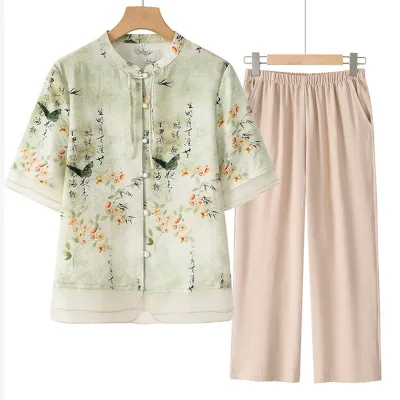


Women's Banquet Solid Color High Collar Chiffon Perspective Long Sleeve Blouse
$23.00 - $25.00
MOQ: 500 Pieces


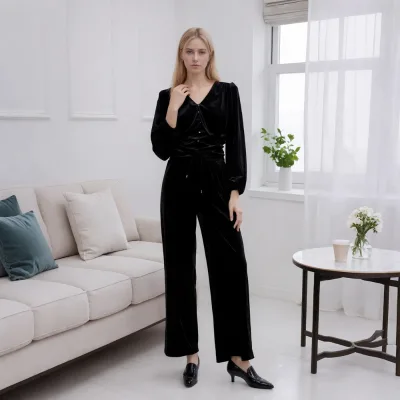


Elegant Chiffon Bubble-Sleeve Blouse with Ruffled Hem and Cinched Waist
$14.22 - $18.67
MOQ: 100 Pieces


Comprehensive Sourcing Guide
Strategic Sourcing Guide for Daily Wear Hanfu Blouses
Understanding Product Specifications and Material Composition
When sourcing daily wear Hanfu blouses, buyers must first distinguish between traditional aesthetic requirements and modern manufacturing capabilities. The core keyword implies a garment that blends historical silhouette with contemporary comfort for everyday use. Based on available market data, the fabric composition is a primary determinant of the final product's character. Observed specifications indicate a strong prevalence of natural fibers, specifically 100% Cotton and CVC (Cotton/Viscose) blends, which are essential for breathability in daily settings. For instance, specific product models utilize a CVC100S/2*CVC100S/2 standard, suggesting a high thread count weave designed for durability and a soft handfeel.
However, the market also presents alternatives using Polyester and Chiffon. Polyester options often feature "Printed" technics and are categorized under "Leisure" types, offering a more casual, modern interpretation of the Hanfu style. Chiffon variants, often associated with "Plain Dyed" techniques, provide a lighter, flowing drape suitable for warmer seasons. Buyers should note that the "Fabric Type" is frequently listed as "Weave," indicating a woven construction rather than knitted, which is critical for maintaining the structured collar and sleeve styles typical of Hanfu designs. The "Handfeel" is consistently described as "Comfortable," a non-negotiable attribute for daily wear items intended for prolonged use.
The structural design of these blouses varies significantly. Observed collar styles include "Stand Collar" and "V Neck," while sleeve styles range from "Tie Cuffs" to "Cufflink Cuffs." These details define the visual authenticity of the garment. A "Stand Collar" often aligns closer to traditional Ming Dynasty aesthetics, whereas a "V Neck" or "Crew Neck" may reflect a more modernized, fusion approach. The "Model" designations, such as "Slim" or "Loose," further dictate the fit. A "Slim" fit suggests a tailored silhouette, while a "Loose" fit offers the traditional, flowing comfort associated with historical garments. Buyers must align these specifications with their target demographic's preference for fit and movement.
Compliance, Standards, and Certification Verification
In the B2B procurement of textile goods, verifying compliance with international and local standards is paramount. The supplied data references specific product standards, such as "CPT100S/2CPT100S/2" and "CVC100S/2CVC100S/2," which appear to be internal or industry-specific weave specifications rather than universal safety certifications. Additionally, some listings reference an "International" standard, though the specific body (e.g., ISO, ASTM) is not explicitly defined in the provided context.
Buyers cannot assume that a product labeled with a specific standard automatically meets all safety requirements for the destination market. For example, while the "prod_standard" might define the fabric weave, it does not inherently guarantee compliance with flammability, chemical restriction (such as REACH in Europe or CPSIA in the US), or labeling laws. The "Washing Method" is noted as "Follow Washing Labels," which implies that the supplier provides care instructions, but the buyer must verify that these labels meet the regulatory language and content requirements of the target country.
Furthermore, the "Customization" attribute is widely available, allowing for "Custom Made" labels and logos. This flexibility is a double-edged sword; while it enables brand differentiation, it increases the risk of non-compliance if the buyer does not explicitly define the content and placement of these custom elements according to local regulations. The "Standard" field in some listings also includes size ranges like "XXL, XL, L, M, S," which serves as a sizing standard but does not replace the need for a verified size chart that aligns with the buyer's specific market expectations.
Cost Drivers and Pricing Structure Analysis
The pricing structure for daily wear Hanfu blouses is influenced by a complex interplay of material costs, production complexity, and order volume. The observed price range in the market spans from $0.50 to $25.13 USD. This wide variance is not arbitrary but is driven by specific factors. The lower end of the spectrum typically corresponds to items made from Polyester with "Printed" technics, which are generally less expensive to produce than natural fiber blends. Conversely, the higher price points are associated with 100% Cotton or CVC fabrics, which require more intensive processing and higher raw material costs.
Order Volume is a critical cost driver. The Minimum Order Quantity (MOQ) observed ranges from 2 to 500 pieces. A very low MOQ, such as 2 pieces, often indicates a sample or a highly customized, small-batch production run, which carries a significantly higher unit cost. In contrast, an MOQ of 200 PCS or higher, as seen in specific listings, allows for economies of scale, bringing the unit price down. Buyers must balance their inventory needs with their budget; ordering small quantities to test the market will result in a higher cost per unit compared to committing to a larger production run.
Additional cost factors include the "Production Lead Time" and "Sample Lead Time." The data indicates a sample lead time of 5-7 days and a production lead time of 12-30 days after order confirmation. Expedited shipping methods, such as DHL, UPS, FedEx, or Air freight, will add substantial costs to the final landed price compared to Sea freight. The "Packing" method also influences cost; options like "1 PCS in One Polybag, 60PCS in One Carton" versus "Polybag/Inner Carton/Master Carton" involve different labor and material expenses. Buyers should request detailed breakdowns of these costs to understand the true value proposition of a supplier.
Typical Applications and Seasonal Market Fit
The application of daily wear Hanfu blouses extends beyond traditional cultural events into modern casual wear. The "Season" attribute is listed as "Spring / Autumn," indicating that these garments are optimized for moderate temperatures. This seasonal specificity is crucial for procurement planning. Buyers targeting year-round sales must consider how to stock these items or if they need to source complementary pieces for Summer or Winter. The "Type" is often categorized as "Leisure," suggesting that the primary application is casual, everyday use rather than formal ceremonial wear.
The "Applicable Gender" varies, with listings specifying both "Women" and "Men." This indicates a diverse market where Hanfu-inspired fashion is not limited to a single demographic. For women, the "Slim" or "Loose" fits with "Stand Collar" or "V Neck" designs cater to different style preferences. For men, the "Stand Collar" and "Tie Cuffs" offer a distinct, traditional aesthetic. The "Color" options also play a significant role in application. While "White" is a classic choice, listings also offer "Yellow, Pink, Green," and combinations like "Yellow with pants." These color palettes allow buyers to target specific fashion trends or cultural preferences within their markets.
The "Function" of the fabric, such as "Shrink Resistant," is a key selling point for daily wear. Consumers expect their clothing to maintain its shape and size after washing, especially for items made from natural fibers like Cotton. This functional attribute reduces the likelihood of returns and enhances customer satisfaction. The "Technics" used, whether "Plain Dyed" or "Printed," also dictate the visual appeal and suitability for different occasions. A "Plain Dyed" Chiffon blouse might be preferred for a minimalist, elegant look, while a "Printed" Polyester version might appeal to a younger, trend-conscious demographic.
Supplier Evaluation and Operational Capabilities
Evaluating a supplier for Hanfu blouse production requires a deep dive into their operational capabilities and logistical infrastructure. The "prod_origin" is consistently listed as "China," with specific mentions of "Shantou, China" for certain products. Shantou is a known textile hub, which suggests a concentration of expertise in fabric production and garment manufacturing. However, buyers should verify the specific factory location and capacity to ensure it aligns with their volume requirements.
The "Payment Methods" accepted by suppliers, including T/T, Western Union, Paypal, and Moneygram, offer flexibility but also carry varying levels of risk. T/T (Telegraphic Transfer) is the most common for B2B transactions, but buyers should negotiate secure terms, such as a deposit and balance against shipping documents. The "Shipping Way" options are extensive, ranging from DHL, UPS, FedEx, TNT, and EMS to Air and Sea freight. A reliable supplier should be able to advise on the most cost-effective and timely shipping method based on the order size and destination.
Customization capabilities are a significant differentiator. The "Logo" attribute is listed as "Follow Your Request," and "Labels" are "Custom Made." This indicates that suppliers are willing to accommodate branding needs. However, buyers must provide clear, detailed specifications for logos and labels to avoid production errors. The "Customization" attribute also extends to the product itself, allowing for variations in size, color, and fabric. A supplier's ability to handle these customizations efficiently is a strong indicator of their operational maturity.
Quality Control and Long-Term Procurement Strategy
Quality control is the backbone of a successful procurement strategy for Hanfu blouses. Buyers must establish clear acceptance criteria based on the observed attributes. The "Handfeel" being "Comfortable" is a subjective metric that must be defined through physical samples. The "Fabric Type" as "Weave" should be verified for consistency in thread count and weave density. The "Shrink Resistant" function must be validated through wash tests to ensure the garment meets the claimed performance.
For long-term procurement, consistency is key. The "Production Lead Time" of 12-30 days suggests a moderate production cycle. Buyers should plan their inventory accordingly to avoid stockouts, especially during peak seasons like Spring and Autumn. The "Sample Lead Time" of 5-7 days allows for a quick turnaround on design validation, but buyers should ensure that the sample quality matches the mass production standard.
Building a sustainable relationship with suppliers involves clear communication and mutual understanding of expectations. The "Washing Method" instructions provided by the supplier must be accurate and comprehensive to prevent customer complaints. Additionally, the "Standard" of the product, whether it is a specific weave or an "International" standard, should be agreed upon in the purchase contract. Regular quality audits and third-party inspections can help maintain high standards and ensure that the supplier consistently delivers products that meet the buyer's requirements.
Comparative Analysis of Product Attributes
To facilitate decision-making, the following table summarizes the key attributes observed in the market for daily wear Hanfu blouses. This comparison highlights the diversity in materials, styles, and specifications available to buyers.
| Attribute Category | Option A (Traditional/Natural) | Option B (Modern/Synthetic) | Option C (Casual/Leisure) |
|---|---|---|---|
| Material | 100% Cotton, CVC | Polyester | Chiffon |
| Fabric Standard | CVC100S/2*CVC100S/2 | N/A (Printed) | N/A (Plain Dyed) |
| Collar Style | Stand Collar | V Neck | Crew Neck |
| Sleeve Style | Tie Cuffs | Cufflink Cuffs | N/A |
| Fit Model | Slim, Loose | N/A | Loose |
| Season | Spring / Autumn | Spring / Autumn | Spring / Autumn |
| Typical Color | White | Yellow, Pink, Green | White, Pastels |
| Packing | Carton | Polybag/Inner Carton | 1 PCS in Polybag |
| MOQ Range | 200 PCS | 2-500 PCS | 2-500 PCS |
| Lead Time | 12-30 Days | 12-30 Days | 12-30 Days |
This table illustrates that while the core function remains the same, the execution varies significantly. Option A represents the most traditional approach with natural fibers and specific weave standards. Option B focuses on modern aesthetics with synthetic materials and vibrant colors. Option C offers a casual, lightweight alternative suitable for warm weather. Buyers should select the option that best aligns with their brand identity and target customer preferences.
Final Procurement Considerations
In conclusion, sourcing daily wear Hanfu blouses requires a meticulous approach that balances traditional aesthetics with modern manufacturing realities. Buyers must carefully evaluate the material composition, ensuring that the "Handfeel" and "Fabric Type" meet their quality standards. Compliance with international standards and local regulations is non-negotiable, even if the supplier's internal standards vary. Cost drivers such as MOQ, material type, and shipping methods must be analyzed to optimize the budget.
The seasonal nature of the product, primarily targeting Spring and Autumn, necessitates strategic inventory planning. Supplier evaluation should go beyond price to include their customization capabilities, lead times, and payment terms. Finally, a robust quality control strategy is essential to ensure that the "Shrink Resistant" function and other performance claims are met consistently. By adhering to these guidelines, buyers can successfully navigate the complex landscape of Hanfu blouse procurement and build a reliable supply chain for their business.
FAQs
What fabric types are available for daily wear hanfu blouses?
Available fabric types include 100% Cotton, CVC blends, Polyester, and Chiffon. Cotton and CVC options offer a comfortable handfeel suitable for daily use, while Polyester variants often feature printed techniques for a leisure style.
Can I customize the logo and labels on these blouses?
Yes, customization is available for both logos and labels. Suppliers can follow your specific requests for logo placement and produce custom-made labels to meet your branding requirements without affecting the core product structure.
What is the typical production lead time for these garments?
The production lead time is typically 12 to 30 days after confirming the order. Sample lead times are shorter, usually ranging from 5 to 7 days, allowing for quick design validation before full-scale manufacturing begins.
Which collar styles are commonly offered for this product?
Common collar styles include Stand Collar, V Neck, and Crew Neck. Stand Collar designs often align with traditional aesthetics, while V Neck and Crew Neck options provide a more modernized or fusion approach for daily wear.
How does the minimum order quantity vary for suppliers?
The minimum order quantity ranges from 2 to 500 pieces depending on the supplier and customization level. Lower MOQs like 2 pieces often indicate sample runs, while higher MOQs like 200 pieces allow for better economies of scale.
What payment methods are accepted for these orders?
Accepted payment methods include T/T, Western Union, Paypal, and Moneygram. Buyers should verify specific terms with the supplier, as T/T is the most common method for B2B transactions involving international shipping.