Source Detangling Paddle Hairbrush for Home Salon Travel
Find 30 Detangling Paddle Hairbrush options featuring boar bristle and plastic materials. Buyers can compare specifications, customization, and pricing for home, salon, and travel use cases.
Key considerations
Products List
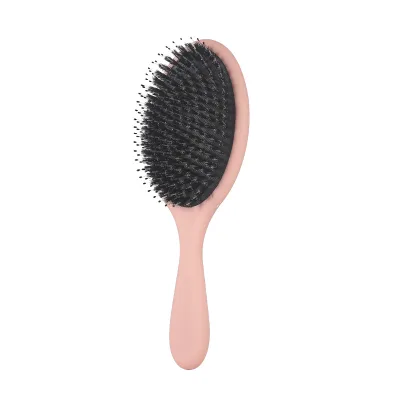


Unicorn Handle Design Plastic Detangling Paddle Hair Brush with Air Cushion
$1.50 - $2.00
MOQ: 1000 Pieces


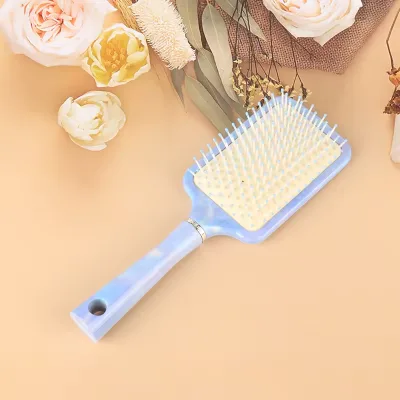
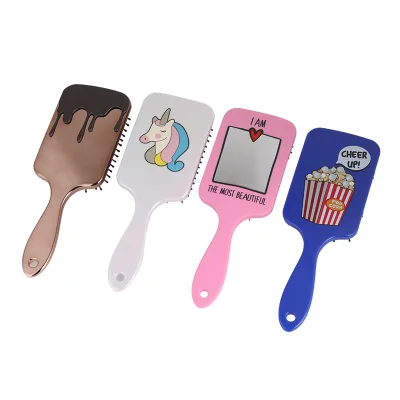
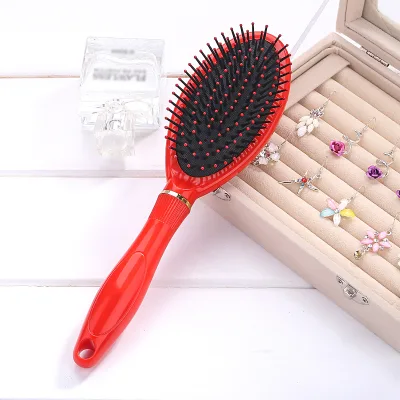


Salon Professional Detangling Comb Massage Hair Brush Styling Tools Hairbrush
$1.70 - $2.50
MOQ: 100 Pieces


Comprehensive Sourcing Guide
Strategic Sourcing Guide for Detangling Paddle Hairbrushes
The global market for personal care tools has seen a sustained shift toward high-performance, salon-grade devices that bridge the gap between professional styling and home utility. Among these, the Detangling Paddle Hairbrush stands out as a critical category for procurement professionals. These tools are engineered to minimize breakage while managing thick, curly, or wet hair, making them essential inventory for retailers, hotel supply chains, and beauty distributors. Sourcing this specific product requires a nuanced understanding of material composition, manufacturing standards, and supply chain logistics. This guide provides a comprehensive framework for buyers to navigate the procurement landscape, focusing on evidence-based evaluation criteria derived from current market data and technical specifications.
Technical Specifications and Material Composition
The foundation of a high-quality Detangling Paddle Hairbrush lies in its material composition and structural design. Unlike standard combs, paddle brushes rely on a specific combination of bristle types and cushioning mechanisms to function effectively. The primary materials observed in the current market include plastic for the handle and base, paired with natural or synthetic bristles. Specifically, the "Boar Bristle" component is a frequent specification, often combined with plastic bases to create a hybrid brush that distributes natural oils while providing structural durability. The handle material is consistently identified as plastic, which allows for various injection molding finishes and color options.
The physical dimensions of the brush are critical for both ergonomic handling and packaging efficiency. Standardized specifications indicate that paddle brushes typically adhere to dimensions such as 240mm by 85mm, 260mm by 75mm, or 220mm by 70mm, depending on the specific model number. For instance, models like BL-8589 and BL-8181-1 demonstrate these dimensional variances, which directly impact the surface area coverage and the volume of hair that can be detangled in a single stroke. The "Paddle" feature is a defining characteristic, offering a wide, flat surface that is superior for smoothing and detangling compared to round or vented alternatives.
Furthermore, the bristle configuration plays a vital role in performance. Buyers should verify that the pins feature anti-static and heat-resistant properties, as these attributes are essential for brushes used in conjunction with blow dryers or styling tools. The "Injection Finish" is a common manufacturing technique for the plastic components, ensuring a smooth surface that prevents snagging. However, suppliers often note that alternative finishes are available upon request, indicating a need for buyers to specify their preferred aesthetic and tactile requirements during the negotiation phase. The brush type is often categorized broadly as a "Vent Hair Brush" or "Paddle Hair Brush," with specific models designed for curly styling or general brushing functions.
Compliance, Certification, and Safety Standards
In the B2B procurement of personal care items, regulatory compliance is non-negotiable. The safety of the end-user is paramount, particularly when the product involves direct contact with the scalp and hair. Buyers must rigorously verify that suppliers possess valid certifications for their products. The most frequently cited standards in the current market context include Reach and RoHS compliance. These certifications ensure that the materials used, particularly the plastics and bristles, do not contain hazardous substances that could pose health risks.
While some background information may reference broader quality management systems like ISO 9001 or social compliance standards like BSCI, these should be treated as secondary verification points rather than primary product specifications. The core focus must remain on product-specific certifications such as Reach and RoHS. Buyers should request current, valid certificates from suppliers for every batch of goods. It is crucial to understand that certification status is not a static attribute; it must be verified for each production run to ensure that the materials sourced have not changed.
Additionally, the "Pins Feature" of the brush must be evaluated for safety. Anti-static and heat-resistant properties are not merely marketing claims but functional requirements that prevent electrical shocks or burns during use. When evaluating potential suppliers, procurement teams should include a specific checklist item for certification documentation. The absence of these documents should be considered a critical risk factor, potentially halting the procurement process until compliance is demonstrated.
Cost Drivers and Pricing Dynamics
Understanding the cost structure of detangling paddle hairbrushes is essential for budgeting and margin analysis. The observed price range in the market spans from approximately $0.39 to $18.60 USD. This significant variance is driven by several key factors, including material quality, customization levels, and order volume. The lower end of the price spectrum typically corresponds to basic plastic models with standard bristles and minimal customization. In contrast, the higher price points often reflect the inclusion of natural boar bristles, premium packaging, and complex customization features such as molded logos or specialized finishes.
The Minimum Order Quantity (MOQ) is another primary driver of unit cost. Market data indicates an MOQ range from 1 to 5,000 units, with a high-confidence observation of 100 pieces as a standard threshold for many suppliers. This suggests that small businesses or those testing new product lines can enter the market with relatively low capital outlay, while larger distributors can leverage economies of scale by ordering in bulk. However, buyers must be cautious; a lower MOQ does not necessarily equate to a lower unit price if the supplier lacks the infrastructure to handle small batches efficiently.
Customization is a significant cost variable. The availability of "Customized Logo" services and "Injection Finish" options adds value but also increases the per-unit cost. Buyers should anticipate that requests for specific colors, which are often limited to four standard options, or unique packaging solutions like "PVC Box" or "Hang Tag" instead of the standard "OPP Bag," will impact the final price. Furthermore, the complexity of the mold required for specific model numbers, such as XYH1034 or BL-9001, can influence the initial tooling costs, which are often amortized over the production run.
Typical Applications and Market Segmentation
Detangling paddle hairbrushes serve a diverse range of applications, extending beyond simple home use. The product attributes clearly indicate suitability for "Home," "Salon," "Travel," and "Hotel" environments. This versatility makes the product attractive to a wide array of B2B buyers. For the home market, the focus is on ease of use and gentle detangling for various hair types, particularly curly or thick hair. The "Curly Styling Hair Brush" designation highlights a specific niche where the brush's design is optimized to manage texture without causing breakage.
In the professional salon sector, the brush must withstand frequent use and exposure to heat and chemicals. The "Heat Resistant" and "Anti-Stratic" features are critical here, ensuring that the brush remains functional during blow-drying and styling sessions. The "Injection Finish" provides the durability required for high-traffic salon environments. For the hospitality and travel sectors, the compact nature of these brushes, often packaged in "OPP Bag" or "Export Carton" formats, makes them ideal for inclusion in amenity kits or travel sets. The "Single package size" specifications, such as 269.24cm or 27104.5cm, are optimized for space efficiency in luggage and hotel amenities.
The "Usage" attribute, listed as "Home+ Salon," underscores the dual-purpose nature of the product. This duality allows suppliers to target multiple market segments with a single SKU, although customization may be required to differentiate between the two. For instance, a salon-grade brush might feature a more robust handle or premium bristles compared to a travel-sized version. Buyers should align their product selection with the specific needs of their target customer base, ensuring that the brush's features match the intended application environment.
Supplier Evaluation and Production Capabilities
Selecting the right supplier is a critical step in the procurement process. The market data reveals that suppliers are located in key manufacturing hubs such as Zhejiang and Ningbo, China. These regions are known for their expertise in plastic molding and hair tool manufacturing. When evaluating potential partners, buyers should look for evidence of production capacity and flexibility. The "Sample Time" of 3-7 days and "Production Time" of 20-30 days are standard benchmarks that indicate a supplier's ability to deliver quickly without compromising quality.
Buyers should verify the supplier's ability to handle customization requests. The "Customization: Available" attribute suggests that suppliers can accommodate logo placement, color variations, and finish options. However, the "Craft" section notes that while "Injection" is standard, "Other Finish" options are possible. This implies a need for clear communication regarding the desired aesthetic and functional outcomes. Suppliers should also demonstrate experience with the specific model numbers and standards listed, such as BL-8589 or XYH5079, to ensure they can replicate the desired product specifications accurately.
The "Sample Available" attribute is a crucial indicator of a supplier's confidence in their product. Buyers should always request samples before committing to a large order. This allows for a physical inspection of the bristle quality, handle durability, and overall finish. The "Package" options, ranging from simple "OPP Bag" to more elaborate "PVC Box" or "Hang Tag" configurations, should also be evaluated to ensure they meet the branding and shipping requirements of the buyer.
Quality Control and Long-Term Procurement Strategy
Maintaining consistent quality is essential for long-term success in the hairbrush market. The "Pins Feature" and "Brush Material" must be consistently verified across all production batches. Buyers should implement a quality control protocol that includes random sampling and functional testing. This involves checking for anti-static properties, heat resistance, and the integrity of the bristle attachment. The "Standard" specifications, such as 240mm*85mm, should be measured to ensure dimensional accuracy, as deviations can affect the brush's performance and user experience.
Long-term procurement considerations also involve building a resilient supply chain. The "Production Time" of 20-30 days suggests that lead times can be managed with proper planning, but buyers should account for potential delays, especially during peak seasons. Establishing a relationship with a supplier who can provide consistent "Sample Time" and "Production Time" is vital for maintaining inventory levels. Additionally, the "Certificate" requirements, such as Reach and RoHS, should be part of the ongoing compliance monitoring to ensure that the supplier continues to meet regulatory standards.
Buyers should also consider the scalability of their orders. The "MOQ" of 100 pieces offers flexibility for initial orders, but as demand grows, the ability to scale up to 5,000 pieces or more without significant price increases or quality degradation is a key factor. The "Color" options, typically four standard colors, should be evaluated for their market appeal and ability to meet seasonal trends. Finally, the "Selling Units" being "Single item" indicates that the product is designed for individual sale, which simplifies inventory management but requires careful attention to packaging to prevent damage during transit.
Conclusion
Sourcing detangling paddle hairbrushes requires a balanced approach that considers technical specifications, regulatory compliance, cost dynamics, and supplier capabilities. By focusing on the core attributes of material composition, such as plastic and boar bristle combinations, and verifying certifications like Reach and RoHS, buyers can ensure the delivery of high-quality products. Understanding the cost drivers, including customization and order volume, allows for strategic budgeting. Furthermore, recognizing the diverse applications from home to salon use helps in selecting the right product variants. With a clear strategy for supplier evaluation and quality control, procurement professionals can build a reliable supply chain that meets the evolving demands of the personal care market.
FAQs
What materials are used for detangling paddle hairbrushes?
These brushes typically combine plastic handles with boar bristle bristles. The plastic base allows for injection molding finishes, while the boar bristles help distribute natural oils for smoother styling results.
Which certifications should I verify for safety compliance?
You must verify Reach and RoHS certifications for all batches. These documents confirm that the plastic and bristle materials do not contain hazardous substances, ensuring safety for direct scalp contact during use.
Can I request a customized logo on the hairbrush?
Yes, customized logo services are available for most models. Buyers can specify logo placement and color options, though this customization may affect the unit price and production timeline compared to standard items.
What is the typical minimum order quantity for these brushes?
The standard minimum order quantity is 100 pieces per model. However, some suppliers may accept orders as low as one unit for samples, while bulk buyers can order up to 5000 units to reduce costs.
How long does production take after sample approval?
Production typically requires 20 to 30 days once the order is confirmed. Sample approval usually takes 3 to 7 days, so buyers should plan their inventory replenishment schedules accordingly to avoid delays.
Where are these hairbrushes manufactured?
Manufacturing originates from key hubs in Zhejiang and Ningbo, China. These regions specialize in plastic molding and hair tool production, offering efficient supply chains for both small and large volume orders.
What packaging options are available for export?
Standard packaging includes OPP bags, but options like PVC boxes and hang tags are available. Export cartons are also used for bulk shipping, allowing buyers to choose packaging that fits their branding and logistics needs.