Source Diamonds Rivet Lap Tote Bag for Commute, Shopping, Travel
Compare 30 Diamonds Rivet Lap Tote Bag options from verified suppliers. Explore variations in size, material, and customization to find the perfect bag for daily commute, casual wear, and shopping needs; compare the available evidence and request quotations based on your requirements.
Updated
Key considerations
Products List



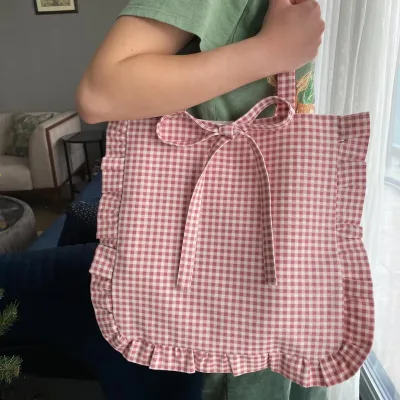


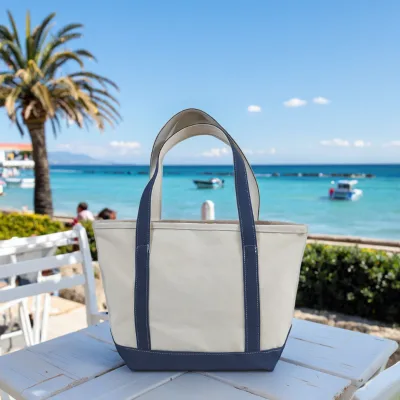

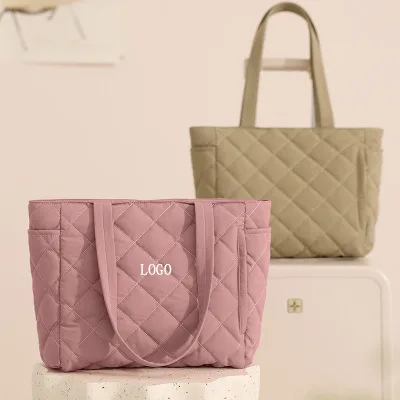
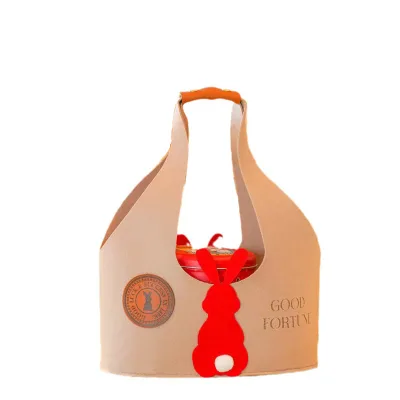
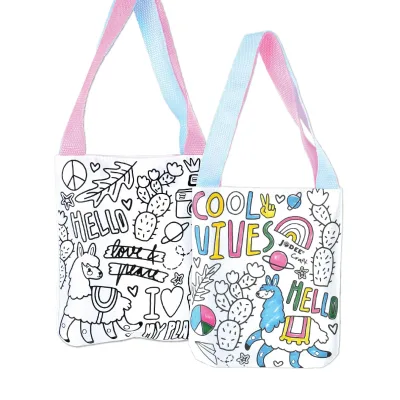
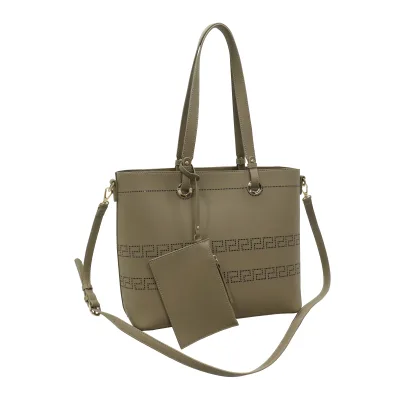
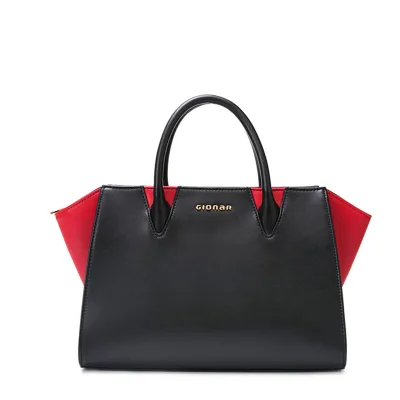
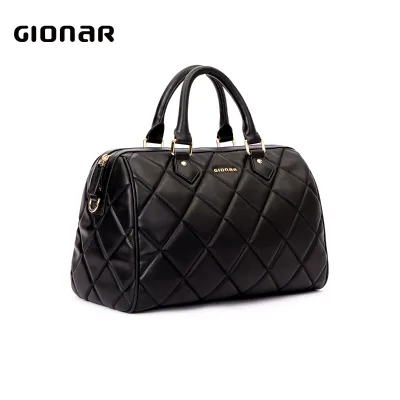

Comprehensive Sourcing Guide
Diamonds Rivet Lap Tote Bag Sourcing Guide
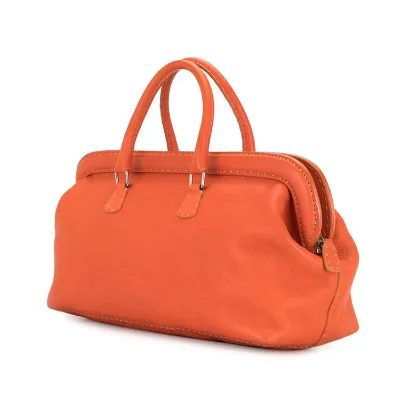
Procuring tote bags with specific aesthetic features like rivets and lap details requires a disciplined approach to align visual design with functional durability. Buyers must first define whether the target product is a structured handbag or a casual shoulder bag, as the supplied data indicates a diverse range of styles including European, British, and minimalist casual designs. The core keyword suggests a focus on decorative elements, yet the available product facts highlight variations in material composition, from premium soft leather to high-quality nylon and PU options. Understanding these material distinctions is critical for determining the appropriate use case, whether for daily commuting, shopping, or casual wear.
The sourcing strategy must account for the significant variability in product attributes observed across listings. While some items feature horizontal square designs with double top handles, others offer vertical square bucket styles or British-style nylon totes. Buyers should verify if the "diamonds rivet" description applies to the specific hardware used on leather versus nylon constructions, as the latter may prioritize contrast colors and fabric linings over heavy metal embellishments. Establishing a clear specification sheet that distinguishes between aesthetic preferences and structural requirements will prevent miscommunication with suppliers and ensure the final product matches the intended brand identity and quality expectations.
Product Scope and Observed Listing Signals
The observed market signals reveal a wide spectrum of tote bag configurations, ranging from soft-textured leather options to durable nylon constructions. Key attributes include specific dimensions such as 21168 cm and 341125 cm, indicating that size standardization is not uniform across all suppliers. Buyers should note that customization is widely available, allowing for adjustments in color, pattern, and handle types, which includes double top handles or detachable shoulder straps. The presence of both waterproof and non-waterproof variants further complicates the selection process, requiring buyers to match the product’s protective qualities with its intended environmental exposure and usage frequency.
Color and style options are diverse, with solid colors, contrast elements, and specific fashion styles like minimal casual or relaxed luxury being common. The data shows that materials vary significantly, including leather, nylon, and PU, each offering different tactile experiences and durability profiles. For instance, some bags feature fine stitching and smooth fabric linings, while others utilize cotton interiors or simple plastic bag packaging. These observations suggest that buyers must carefully evaluate the craftsmanship details, such as stitching quality and lining materials, to ensure the product meets their specific quality benchmarks and aesthetic requirements before placing bulk orders.
Technical Specifications to Verify
Verifying technical specifications is essential to ensure the tote bag meets functional and dimensional requirements. Buyers must confirm the exact dimensions, as observed standards range from compact sizes like 181821.5 cm to larger formats such as 341125 cm. The hardness of the material, described as soft or medium soft, impacts the bag’s structural integrity and ability to maintain its shape. Additionally, the opening mechanism, typically a zipper for bucket styles, must be tested for smooth operation and durability. These physical attributes directly influence the user experience and the bag’s suitability for carrying specific items, making precise verification a critical step in the sourcing process.
Material composition and hardware quality are equally important technical factors to assess. The outer materials, ranging from premium soft leather to high-quality nylon, dictate the bag’s longevity and maintenance needs. Buyers should verify the inner lining materials, such as smooth fabric or cotton, to ensure they are comfortable and resistant to wear. Furthermore, the handle type, whether double top handles or detachable narrow leather straps, must be securely attached to withstand regular use. Confirming these details through sample evaluation helps mitigate the risk of receiving products that do not meet the specified technical standards or fail under normal usage conditions.
Compliance and Safety Documentation
Compliance and safety documentation are vital for ensuring that the tote bags meet international trade regulations and consumer safety standards. Buyers should request certificates of conformity that verify the materials used, such as leather, nylon, or PU, are free from harmful substances like heavy metals or toxic dyes. This is particularly important for products intended for daily use, where skin contact is frequent. Ensuring that the manufacturing process adheres to environmental and safety guidelines helps protect the brand from potential legal liabilities and enhances consumer trust in the product’s safety and quality.
Additionally, buyers must verify that the packaging and labeling comply with destination market requirements. The observed use of plastic bags for packing suggests a need to confirm if this meets local environmental regulations or if biodegradable alternatives are required. Documentation should also include details on the product’s origin, specifically China, to ensure transparency in the supply chain. By maintaining rigorous documentation standards, buyers can facilitate smoother customs clearance and avoid delays or penalties associated with non-compliant imports, ensuring a seamless supply chain from production to final delivery.
Cost Drivers and Commercial Terms
Cost drivers for tote bags are influenced by material selection, customization options, and order volume. Premium materials like soft leather and high-quality nylon typically command higher prices compared to standard PU or fabric options. The availability of customization, such as specific colors, patterns, or hardware additions like rivets, can also impact the unit cost. Buyers should negotiate clear pricing structures that account for these variables, ensuring that any additional fees for customization or special packaging are transparently included in the quote. Understanding these cost factors helps in budgeting accurately and avoiding unexpected expenses during the procurement process.
Commercial terms, including minimum order quantities (MOQ) and lead times, play a significant role in the overall procurement strategy. Observed MOQs range from 50 to 1000 units, requiring buyers to align their order size with their inventory needs and cash flow constraints. Lead times can vary based on the complexity of the design and the supplier’s production capacity. Buyers should establish clear agreements on payment terms, shipping methods, and delivery schedules to mitigate risks associated with delays or quality issues. Flexibility in these terms can provide a competitive advantage and ensure a more resilient supply chain.
Supplier Qualification and Quality Control
Supplier qualification is a critical step in ensuring the reliability and consistency of the tote bag supply. Buyers should conduct thorough due diligence to verify the supplier’s manufacturing capabilities, quality control processes, and track record. This includes assessing their ability to handle customization requests and maintain consistent product quality across large orders. Engaging with suppliers who have established quality management systems helps ensure that the final products meet the specified standards for materials, craftsmanship, and durability. Building a relationship with qualified suppliers fosters trust and facilitates smoother communication throughout the procurement process.
Quality control measures should be implemented at various stages of production to identify and rectify potential issues early. Buyers should request pre-production samples and conduct random inspections during manufacturing to verify that the products match the approved specifications. This includes checking for defects in stitching, hardware attachment, and material finish. Implementing a robust quality control plan helps minimize the risk of receiving substandard products and ensures that the final goods meet the buyer’s expectations. Regular feedback and collaboration with suppliers on quality improvements can further enhance the overall product quality and supplier performance.
Long-Term Procurement Checks
Long-term procurement checks involve continuous monitoring of supplier performance and product quality to ensure sustained success. Buyers should establish key performance indicators (KPIs) to track metrics such as on-time delivery, defect rates, and customer satisfaction. Regular audits and reviews of supplier processes help identify areas for improvement and ensure that quality standards are consistently maintained. By fostering a collaborative relationship with suppliers, buyers can work together to address any emerging issues and implement corrective actions promptly. This proactive approach helps mitigate risks and ensures a stable and reliable supply chain over time.
Additionally, buyers should stay informed about market trends and regulatory changes that may impact the procurement of tote bags. This includes monitoring shifts in consumer preferences, material availability, and compliance requirements. Adapting the sourcing strategy to these changes helps maintain competitiveness and ensures that the products remain relevant and compliant. Regularly updating the supplier qualification criteria and quality control protocols based on new insights and feedback ensures that the procurement process remains effective and aligned with the buyer’s long-term business goals.
FAQs
What materials are used for these tote bags?
The bags are crafted from premium materials including genuine leather, nylon, and PU. Options range from soft leather with fabric linings to high-quality nylon constructions. Each material choice supports specific durability and aesthetic requirements for daily use or professional settings.
Can these bags be customized for bulk orders?
Yes, customization is available for most models. Buyers can request specific design adjustments, color options, or branding elements. This service allows businesses to tailor products to their unique market needs while maintaining the high-quality standards expected in professional sourcing agreements.
What are the standard size specifications for these bags?
Standard sizes vary by model, including dimensions like 21x16x8 cm, 27x21x11 cm, and 34x11x25 cm. Specific models have defined standards such as 24x12x20 cm or 18x18x21.5 cm. These dimensions ensure the bags fit various carry needs while maintaining structural integrity.
Are these bags waterproof or water-resistant?
Waterproofing varies by product type. Some models are explicitly non-waterproof, while others feature waterproof properties. Buyers should check specific product attributes to determine suitability for wet conditions. This distinction is critical for selecting the right bag for specific environmental or usage scenarios.
What is the typical minimum order quantity for these items?
The minimum order quantity typically ranges from 50 to 1000 units depending on the supplier and specific model. This flexibility allows buyers to start with smaller test orders or scale up for larger distribution needs. Confirming MOQ with the supplier ensures alignment with budget and inventory plans.
Where are these tote bags manufactured?
These products originate from China. The manufacturing base provides access to established supply chains and production capabilities. Buyers sourcing from this region benefit from competitive pricing and a wide variety of design options available through local factories and trading companies.