Source Digital Electric Heating Body Massager for Home, Office, and Travel
Find 30 Digital Electric Heating Body Massager options from verified China suppliers. Compare models like FU-JCS-1018 and CSM-770, featuring vibration, kneading, and infrared heating for neck, shoulder, and full-body relief. Check CE certifications and MOQs; compare the available evidence and request quotations based on your requirements.
Updated
Key considerations
Products List


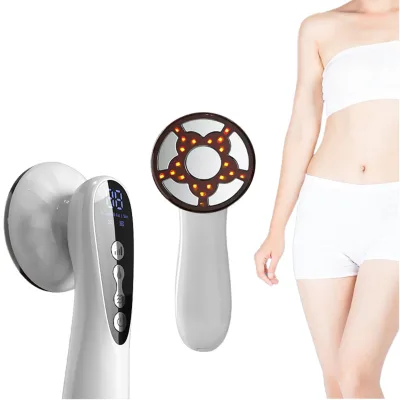
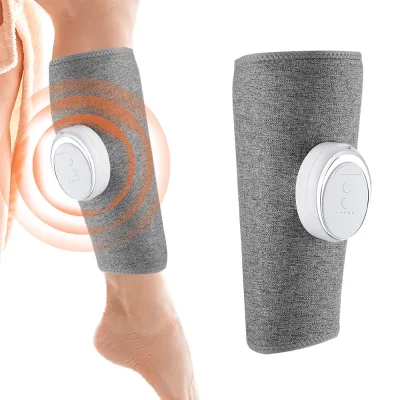
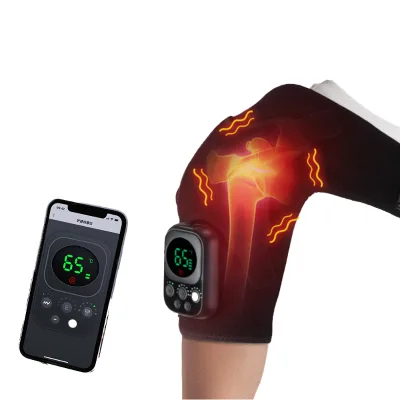
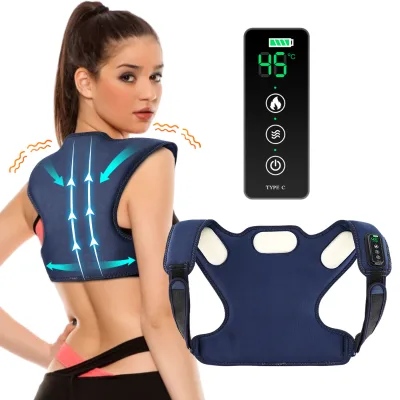


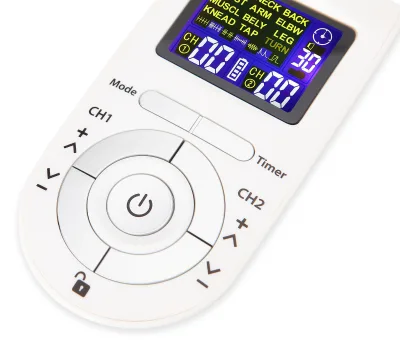
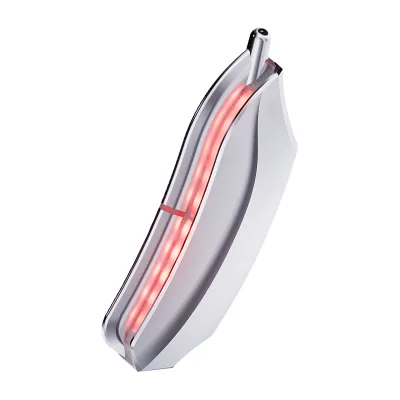
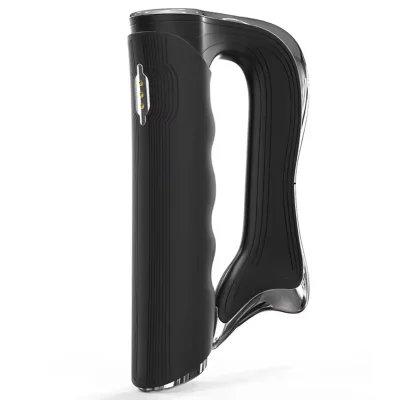


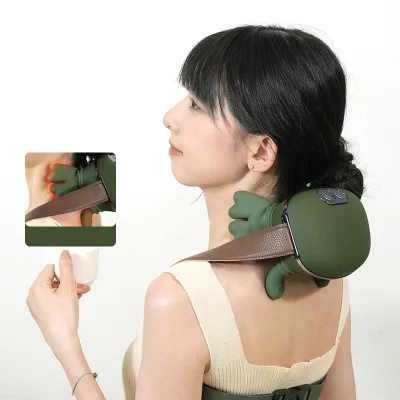
Comprehensive Sourcing Guide
Digital Electric Heating Body Massager Sourcing Guide
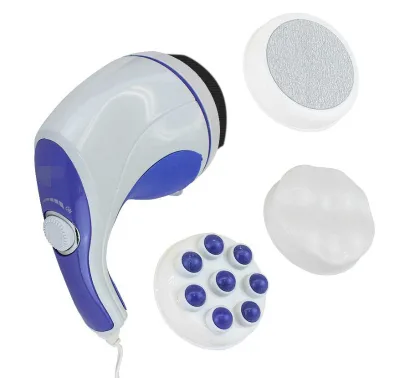
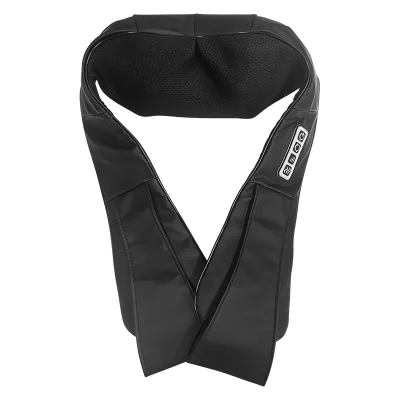
Sourcing digital electric heating body massagers requires a clear understanding of the diverse product landscape available from manufacturers, particularly those based in China. The current market offers a wide array of devices, ranging from compact handheld units to larger full-body vibration platforms. Buyers must distinguish between simple mechanical massagers and those featuring advanced digital controls and heating elements. The observed product range includes items labeled as health therapy machines, neck and shoulder massagers, and fat-burning devices, each serving distinct user needs. Understanding these variations is the first step in defining precise procurement requirements.
Procurement teams should focus on the specific functional attributes that align with their target customer base. For instance, some products emphasize weight loss and slimming functions, while others prioritize muscle relaxation and fatigue relief. The presence of digital interfaces, remote controls, and specific heating modes significantly impacts the perceived value and utility of the device. By analyzing the observed listings, buyers can identify which features are standard and which are premium differentiators. This analysis helps in selecting suppliers who can deliver the exact technical configuration required for the intended market segment.
Product Scope and Observed Listing Signals
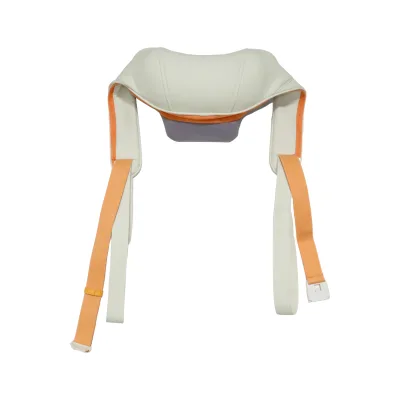
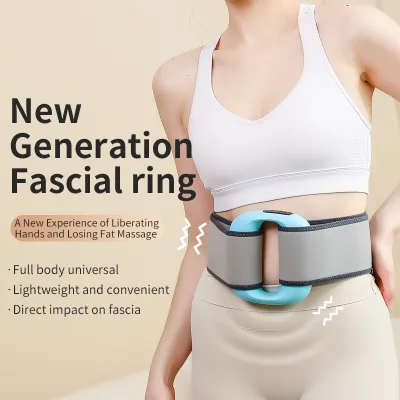
The observed product scope reveals a significant diversity in form factors and intended applications. Listings include full-body vibration machines designed for adult users, as well as specialized handheld massagers for the neck, shoulder, and head. Some devices are marketed with specific health claims, such as electric fat burning or infrared therapy, while others focus on basic mechanical methods like tapping or kneading. This variety indicates that the category is not monolithic but rather a collection of distinct sub-categories, each with its own manufacturing complexities and market positioning. Buyers must carefully map these product types to their specific distribution channels.
Key listing signals highlight the importance of customization and packaging details in the sourcing process. Many suppliers offer OEM branding options, allowing buyers to create private-label products. Packaging specifications vary widely, from small color boxes for handheld units to larger cartons for bulk shipping. For example, some products are packed in quantities of thirty-six per carton, while others have different density metrics. These logistical details are critical for calculating landed costs and warehouse space requirements. Buyers should verify these packing dimensions early in the negotiation phase to avoid unexpected shipping volume issues.
Technical Specifications to Verify
Technical verification is paramount when sourcing digital electric heating body massagers, as performance and safety depend heavily on internal components. Buyers must confirm the power supply mode, whether the device operates on USB, AC mains, or DC car adapters. Voltage ranges also vary, with some devices supporting AC 100-240V for global compatibility, while others are limited to DC 12V. The heating mechanism, often electric heating, must be evaluated for its mode and duration, with some units offering a fixed working time of fifteen minutes. These specifications directly influence the user experience and the device's suitability for different environments, such as home or office use.
Material composition and structural design are equally critical for durability and user comfort. Common materials include PP plastic for housing and nylon for certain components, which affect the weight and feel of the device. The single gross weight of some units is relatively low, around 258 grams, indicating a portable design. However, larger full-body machines will have significantly different weight and dimension profiles. Buyers should request detailed technical drawings and material safety data sheets to ensure that the construction meets their quality standards. Verifying the adjustable size features, such as one-size-fits-all designs, is also essential for ensuring broad market appeal.
Compliance and Safety Documentation
Compliance with international safety standards is non-negotiable for digital electric heating body massagers, especially those involving heat and electricity. The CE mark is a common certification observed in listings, indicating conformity with health, safety, and environmental protection standards for products sold within the European Economic Area. Some products also display RoHS certification, which restricts the use of specific hazardous materials in electrical and electronic equipment. Buyers must verify that these certifications are valid and issued by recognized testing bodies. Relying on self-declared compliance without third-party verification can lead to significant regulatory risks and product recalls.
Beyond basic certifications, buyers should inquire about additional safety features and testing protocols. Devices with heating elements require robust thermal protection mechanisms to prevent overheating and potential burns. The presence of remote controls and digital interfaces adds complexity to the electrical safety requirements. Buyers should request test reports for electrical safety, electromagnetic compatibility, and material toxicity. Ensuring that the supplier has a robust quality management system in place is crucial for maintaining consistent compliance across production batches. This diligence protects the buyer from liability and ensures that the final product meets the regulatory requirements of the destination market.
Cost Drivers and Commercial Terms
Several factors influence the cost structure of digital electric heating body massagers, including material costs, electronic components, and manufacturing complexity. The inclusion of heating elements, digital displays, and remote controls typically increases the unit price compared to basic mechanical massagers. Observed price ranges in the market vary significantly, reflecting differences in feature sets and build quality. Buyers must balance cost against functionality, ensuring that the selected product meets the desired performance standards without unnecessary expense. Understanding these cost drivers helps in negotiating better terms and identifying potential areas for cost reduction without compromising quality.
Commercial terms, such as minimum order quantities (MOQ) and lead times, play a significant role in the procurement strategy. MOQs can range from small quantities for testing to larger volumes for full container loads. Suppliers may offer flexible MOQs for customized products, but this often comes with a higher unit price. Lead times are influenced by the complexity of the product and the current production schedule. Buyers should negotiate clear terms regarding payment methods, shipping responsibilities, and warranty periods. A one-year warranty is commonly offered, but the specifics of coverage and claim processes should be clearly defined in the contract to protect the buyer's interests.
Supplier Qualification and Quality Control
Supplier qualification is a critical step in ensuring the reliability and consistency of digital electric heating body massagers. Buyers should assess the supplier's manufacturing capabilities, including their production capacity, quality control processes, and experience in exporting to target markets. Factories located in regions like Zhejiang and Fujian are known for their electronics and plastic manufacturing expertise. Verifying the supplier's business license and production facilities through virtual or on-site audits can provide valuable insights into their operational standards. A qualified supplier will have a transparent and robust quality management system in place.
Quality control measures must be implemented throughout the production process to ensure product consistency and safety. Buyers should define clear acceptance criteria for incoming materials, in-process inspections, and final product testing. Random sampling and functional testing of heating elements, digital controls, and structural integrity are essential steps. Suppliers should provide detailed inspection reports and test results for each batch. Establishing a strong relationship with the supplier and maintaining open communication channels can help address any quality issues promptly. Regular audits and performance reviews are recommended to ensure ongoing compliance with quality standards.
Long-Term Procurement Checks
Long-term procurement success depends on continuous monitoring of supplier performance and market trends. Buyers should establish key performance indicators (KPIs) to track supplier reliability, product quality, and delivery times. Regular feedback loops with the supplier can help identify areas for improvement and foster a collaborative partnership. Staying informed about changes in regulatory requirements and technological advancements is also crucial for maintaining product competitiveness. Buyers should periodically review their supplier base to ensure they are working with the most capable and cost-effective partners.
Product lifecycle management is another important aspect of long-term procurement. As technology evolves, buyers may need to upgrade their product offerings to meet changing consumer demands. This may involve sourcing new models with advanced features or improved efficiency. Buyers should work closely with suppliers to plan for product transitions and manage inventory levels effectively. Additionally, monitoring customer feedback and market reception can provide valuable insights for future sourcing decisions. By maintaining a proactive approach to procurement, buyers can ensure a steady supply of high-quality digital electric heating body massagers that meet their customers' needs.
FAQs
What certifications do these massagers have?
The products hold CE and RoHS certifications, ensuring compliance with safety and environmental standards for international markets. These credentials are essential for B2B buyers importing into regions with strict regulatory requirements, providing assurance of product quality and legal market entry without additional testing burdens.
Can these devices be customized for branding?
Yes, customization is available for bulk orders, allowing buyers to apply their own logos or packaging designs. This service supports private labeling strategies, enabling retailers to establish unique brand identities while leveraging the underlying manufacturing capabilities and standardized production processes of the suppliers.
What power supply options are supported?
The massagers support multiple power modes, including USB, AC 100-240V, and DC 12V car adapters. This versatility ensures compatibility with home outlets, office environments, and vehicle power systems, providing users with convenient charging options across various daily scenarios and travel conditions.
What is the typical warranty period?
The standard warranty period is one year, covering manufacturing defects and functional failures under normal use. This guarantee provides buyers with confidence in product durability and offers a clear recourse mechanism for resolving quality issues, reducing risk for both distributors and end consumers.
How are the products packaged for shipping?
Products are packed in color boxes with specific dimensions, such as 210x150x50mm, and grouped into cartons like 60 units per case. This standardized packaging optimizes container space utilization and protects items during transit, facilitating efficient logistics planning and inventory management for wholesale buyers.
What materials are used in construction?
The devices are constructed from durable PP and Nylon materials, ensuring longevity and resistance to wear. These material choices contribute to the overall structural integrity and safety of the massagers, meeting the demands of frequent use while maintaining a lightweight and portable form factor.