Infrared Light Therapy Knee Massager Suppliers and Manufacturers
Explore 27 verified options for Infrared Light Therapy Knee Massager from China Hubei, Zhejiang, and Guangdong. Compare lead times, response rates, certifications like ISO9001, and product specifications including wavelengths and battery life before requesting quotes; review the available evidence before requesting comparable quotations from suitable candidates.
Suppliers List

Hubei YJT Intelligent Technology Group Co., Ltd.
- Verified by SGS
- Combined
- China Hubei
- Lead time15 days
- Avg. response≤ 1h
Main productsLaser Treatment Instrument, Physiotherapy Rehabilitation, Medical Laser Physical Therapy, Rehabilitation Therapy Equipment, Low Level Laser Therapy, Home Healthcare, Laser Acupuncture, Cold Laser Treatment Instrument, Health Care, Health Care Cold Laser Therapeutic
Main marketsSoutheast Asia/ Mideast,East Asia(Japan/ South Korea),Domestic,Europe,Australia,North America


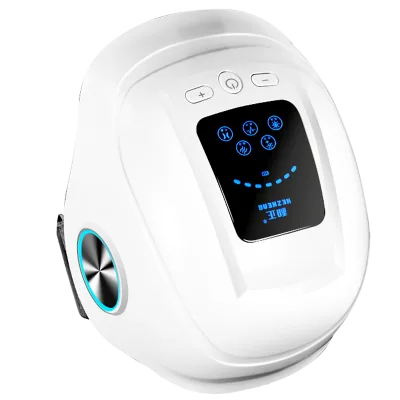
Infrared Knee Massager Machine Joint Pain Relief Vibrating Knee Massager
$69.00 - $99.00
MOQ: 1 Pieces


Wenzhou Hexi Electronic Technology Co., Ltd.
- Verified by SGS
- Combined
- China Zhejiang
- Lead time23 days
- Avg. response≤ 5h
Main productsNeck and Back Massager, Massage Gun, Massage Pillow, Foot Massager, Beauty& Personal Care, Water Flosser, Eye Massager, Electric Toothbrush, Hair Curler, Knee Massager
Main marketsAfrica,Southeast Asia/ Mideast,Europe


$27.99 - $30.99
MOQ: 100 Pieces

Shenzhen Welltek Technology Co., Ltd.
- Verified by SGS
- Trading Company
- China Guangdong
- Lead time15 days
- Avg. response≤ 6h
Main productsCompression Recovery Boots, Cold Therapy Machine, Air Compression Leg Massager, Massage Gun, Foot Massager, Eye Massager, Neck Massager, Head Massager, Hand Massager, Waist Massager
Main marketsAfrica,Domestic,Europe,North America

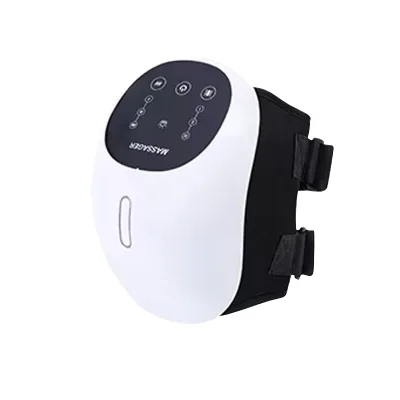
Infrared Knee Massager Heat Vibration Massage Knee Rehabilitation Equipment Massage Machine
$22.90 - $32.90
MOQ: 1 Pieces

Smart Electric Infrared Heating Knee Massager with Air Compression Knee Pain Massager
$22.90 - $32.90
MOQ: 1 Pieces

Red Infrared Knee Massager Heat Vibration Massage Knee Rehabilitation Equipment Massage Machine
$19.90 - $32.90
MOQ: 1 Pieces

Infrared Heating Cordless Knee Massager with Smart Vibration for Pain Relief
$35.90 - $49.90
MOQ: 1 Pieces


Wholesale Knee Joint Massager Infrared Knee Pain and Electric Air Compression Massager with Heat
$31.90 - $39.90
MOQ: 1 Pieces
Shenzhen Belen Electronic Technology Co., Ltd.
- Verified by TüVRheinland
- Manufacturer, Trading Company
- Lead time5 days
- Avg. response≤ 2h
Main productsMassage Scraper, Muscle Scraping Tool, Massage Gun, Beauty Device, Skin Scrubber
Main marketsEastern Asia(60%), North America(30%), South America(3%)

Xiamen Comfortlife Electronics Co., Ltd.
- Verified by SGS
- Manufacturer
- China Fujian
- Lead time30 days
- Avg. response≤ 8h
Main productsAnti Snore Device, Foot Massage, Personal Care Products
Main marketsSouth America,Australia,North America


Jade Stone Knee Pain Relief Therapy Infrared Knee Deep Muscle Massager
$38.00 - $41.00
MOQ: 300 Pieces


Shenzhen Pentasmart Technology Co., Ltd
- Verified by TUVRHEINLAND
- Combined
- China Guangdong
- Lead time30 days
- Avg. response≤ 2h
Main productsNeck Massager, Knee Massager, Massage Gun, Lumbar Massager, Head Massager, Massage Cushion, Mini Massager, Foot Massager, Eye Massager, Back Massager
Main marketsSoutheast Asia/ Mideast,East Asia(Japan/ South Korea),Domestic,Europe,North America


Knee Pain Relief Massager with Heat Red Light Vibration Curing Intelligent Knee Massage Device
$34.85 - $38.72
MOQ: 2 Pieces

Hot Sales Pain Relief Knee Massager with Heat Joint Health Care Infrared Knee Massager
$42.96 - $45.98
MOQ: 2 Pieces

Hot Sales Vibrating Knee Massager with Heat Joint Health Care Infrared Knee Pain Relief Massager
$42.96 - $45.98
MOQ: 2 Pieces

Knee Vibrating Massage Device Air Pressure Red Light Curing Pain Relief Knee Massager OEM
$42.96 - $45.98
MOQ: 2 Pieces

Knee Pain Relief Massager with Heat Vibrating Compress Infrared Knee Massager OEM/ODM
$42.96 - $45.98
MOQ: 2 Pieces
Dongguan Xi Li Jian Technology Co., Ltd.
- Verified by SGS Group
- Manufacturer, Trading Company
- Lead time30 days
- Avg. response≤ 3h
Main productsFoot Massager, Shoulder Massager, Waist Massager, Red Light Therapy Belt, Heating Pad
Main marketsNorth America(25%), Western Europe(15%), Mid East(10%)
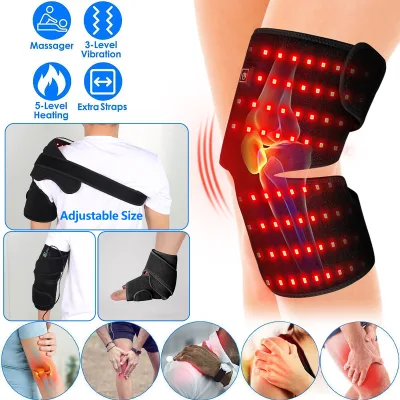
Knee Massager with Heat and Red Light Therapy New Health Product Vibration Knee Massage Device
$15.79 - $19.20
MOQ: 2 pieces
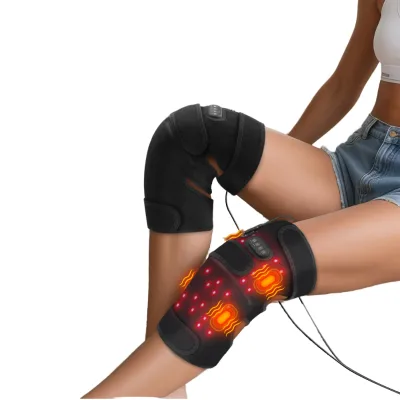
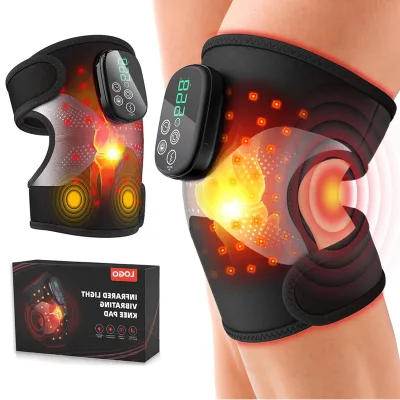
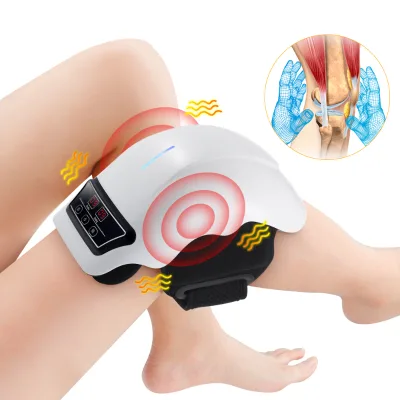
Shenzhen Huayu Electronics Technology Co., Ltd.
- Manufacturer, Trading Company
- Guangdong, China
- Lead time15 days
- Avg. response≤ 2h
Main productsMenstrual Heating Pad, EMS Massage Belt, Light Shading Eye Mask, Heated Eye Massager Mask
Main marketsNorth America(30.00%), Western Europe(30.00%), Oceania(20.00%), Africa(10.00%), Southeast Asia(10.00%)

- Verified by BV
- Combined
- China Guangdong
- Lead time15 days
- Avg. response≤ 6h
Main productsUltrasound Machine, X-ray Machine, Blood Analyzer, ECG, Radiation Protection
Main marketsSouth America,Africa,Southeast Asia/ Mideast,East Asia(Japan/ South Korea),Europe,Australia,North America

Infrared Laser Knee Massager Electric Knee Massager with Heat Foot and Knee Massager
$11.00 - $30.00
MOQ: 1 Pieces


Wuxi Healthpro Technology Co., Ltd.
- Verified by SGS
- Trading Company,Manufacturer/Factory
- China Jiangsu
- Lead time23 days
- Avg. response≤ 9h
Main productsFoot Massager, Leg Massager, Massager, Hand Massager, Knee Massager, Sauna Dome, Foot and Leg Massager, Sauna Room, Arm Massager, Neck Massager
Main marketsSouth America,Eastern Europe,Mid East,North America,Southeast Asia,Western Europe,Africa
Fuzhou Linshi Excellent Industry And Trade Co., Ltd.
- Verified by TüVRheinland
- Trading Company
- Lead time20 days
- Avg. response≤ 1h
Main productsMassage Chair, Foot Massager, Fascia Gun, Massage Shampoo Bed, Neck Massager
Main marketsNorth America(30%), Mid East(20%), Eastern Europe(10%)
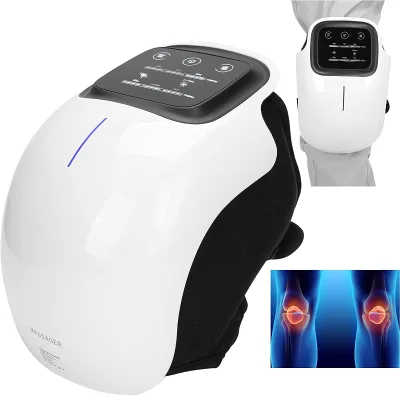
Electric Knee Massager with Vibration Heating Physiotherapy Relaxation Feature
$18.00 - $23.20
MOQ: 1 sets
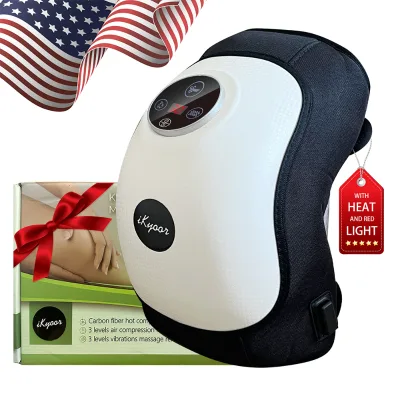
OEM Customized Electric Knee Massager Pain Relief for Arthritis and Adjustable Wrap Design
$44.00 - $48.00
MOQ: 1 pieces
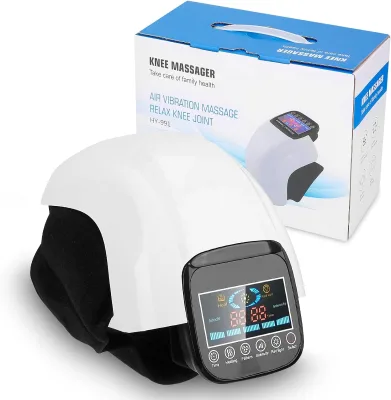
Shenzhen Chalk Art Tech Co., Ltd.
- Verified by TüVRheinland
- Trading Company
- Lead time15 days
- Avg. response≤ 5h
Main productsMassage Gun, Neck And Shoulder Massager, Knee Massager, Foot Massager, Electric Body Massager
Main marketsNorth America(30%), Western Europe(20%), Southern Europe(15%)
Dongguan Beiershuang Electronic Technology Co., Ltd.
- Verified by SGS Group
- Manufacturer, Trading Company
- Lead time0 days
- Avg. response≤ 2h
Main productsFoot Massager, Massage Gun, Moxibustion Chair, Keen Massager
Main marketsNorth America(20%), Africa(15%), Eastern Europe(15%)
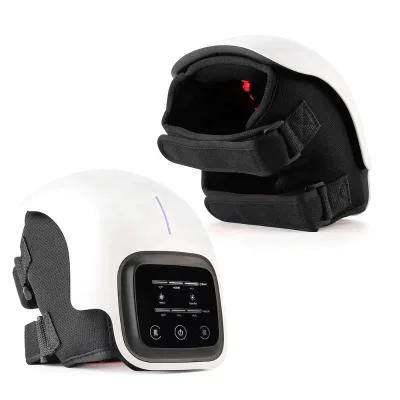
$56.00 - $60.00
MOQ: 1 pieces
Shenzhen Foyoga Technology Co., Ltd.
- Manufacturer, Trading Company, Distributor/Wholesaler
- Guangdong, China
- Lead time15 days
- Avg. response≤ 3h
Main productsMassager,Tens unit,Therapy product,Muscle stimulator,Health care product
Main marketsDomestic Market(16.00%), North America(10.00%), Eastern Europe(10.00%), Northern Europe(10.00%), South America(8.00%), Eastern Asia(7.00%), South Asia(6.00%), Africa(6.00%), Southeast Asia(5.00%), Southern Europe(5.00%), Mid East(5.00%), Central America(5.00%), Western Europe(5.00%), Oceania(2.00%)

Fujian Yitaikang Electronics Co., Ltd.
- Combined
- China Fujian
- Lead time60 days
- Avg. response≤ 10h
Main productsFoot Massager
Main marketsSoutheast Asia/ Mideast,East Asia(Japan/ South Korea),Domestic,Europe,Australia,North America
Puyang Degren Medical Instrument Co., Ltd.
- Manufacturer, Trading Company
- Henan, China
- Lead time25 days
- Avg. response≤ 7h
Main productsPhysical Therapy Equipment,Rehab Therapy Supplies,Dental Apparatus,Dental Consumables,Medical Surgical Supplies
Main marketsEastern Europe(30.00%), North America(30.00%), Domestic Market(10.00%), Mid East(10.00%), South America(10.00%), Southern Europe(3.00%), Western Europe(3.00%), Oceania(1.00%), Eastern Asia(1.00%), Northern Europe(1.00%), Africa(1.00%)
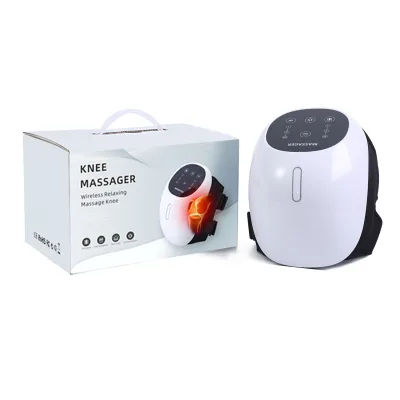
$20.86 - $22.93
MOQ: 2 pieces
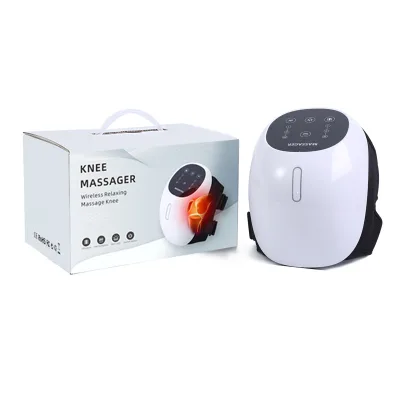
$20.86 - $22.93
MOQ: 2 pieces
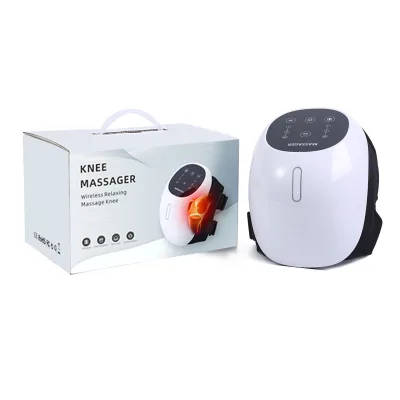
$20.86 - $22.93
MOQ: 2 pieces
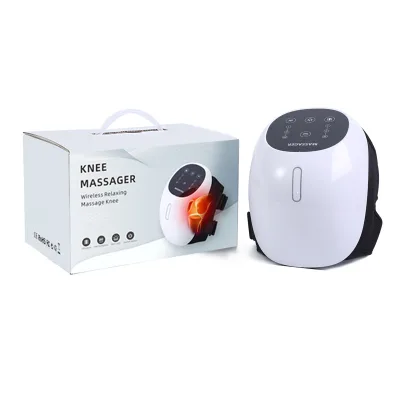
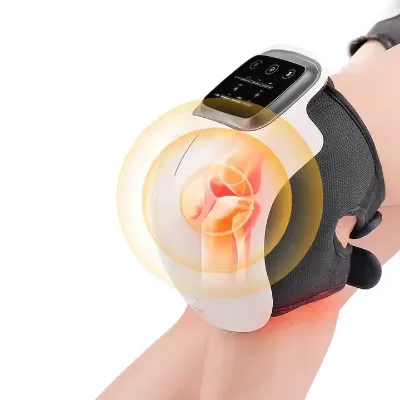
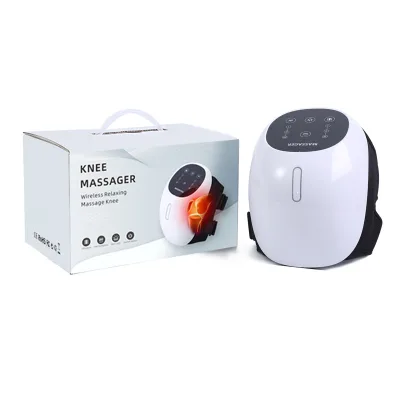
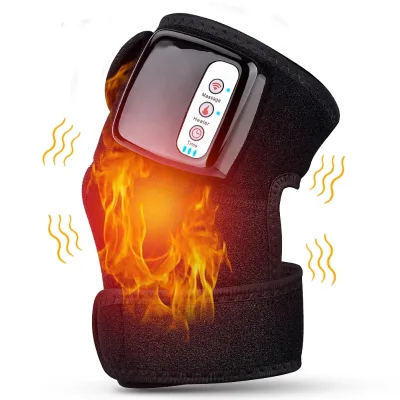
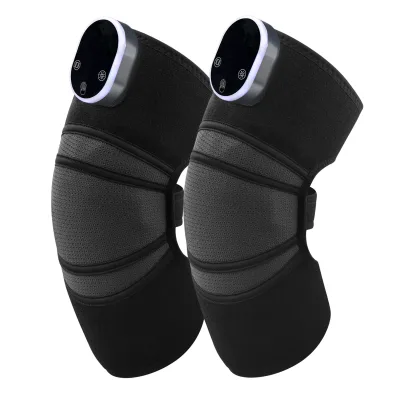
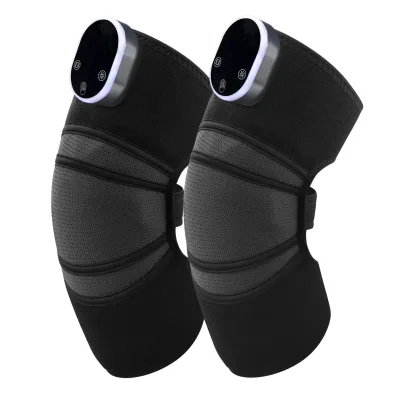
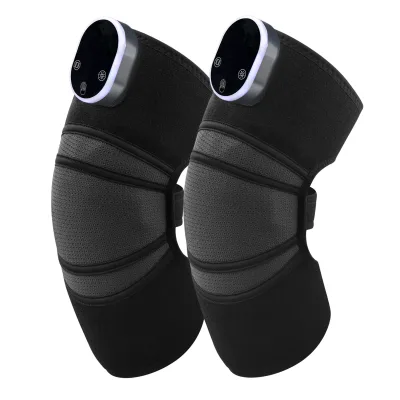
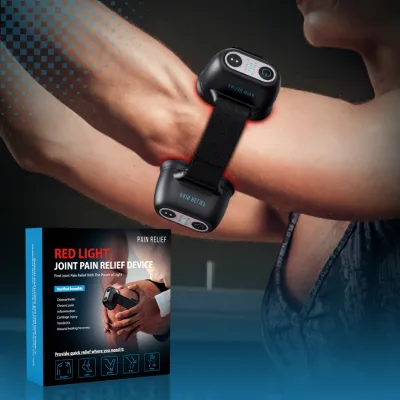
Knee Massager with Heat and Red Light Therapy Adjustable Vib Cordless Heated Knee and Elbow Unit
$20.86 - $22.93
MOQ: 2 pieces
Jiangsu Alphay Medical Device Co., Ltd.
- Verified by Intertek
- Manufacturer, Trading Company
- Lead time15 days
- Avg. response≤ 3h
Main productsMassager Products (Knee Massager, Lumbar Massager, Neck Massager), Medical Device (Air Traction Belt, Neck Traction Device)
Main marketsDomestic Market(50%), Eastern Asia(30%), North America(10%)
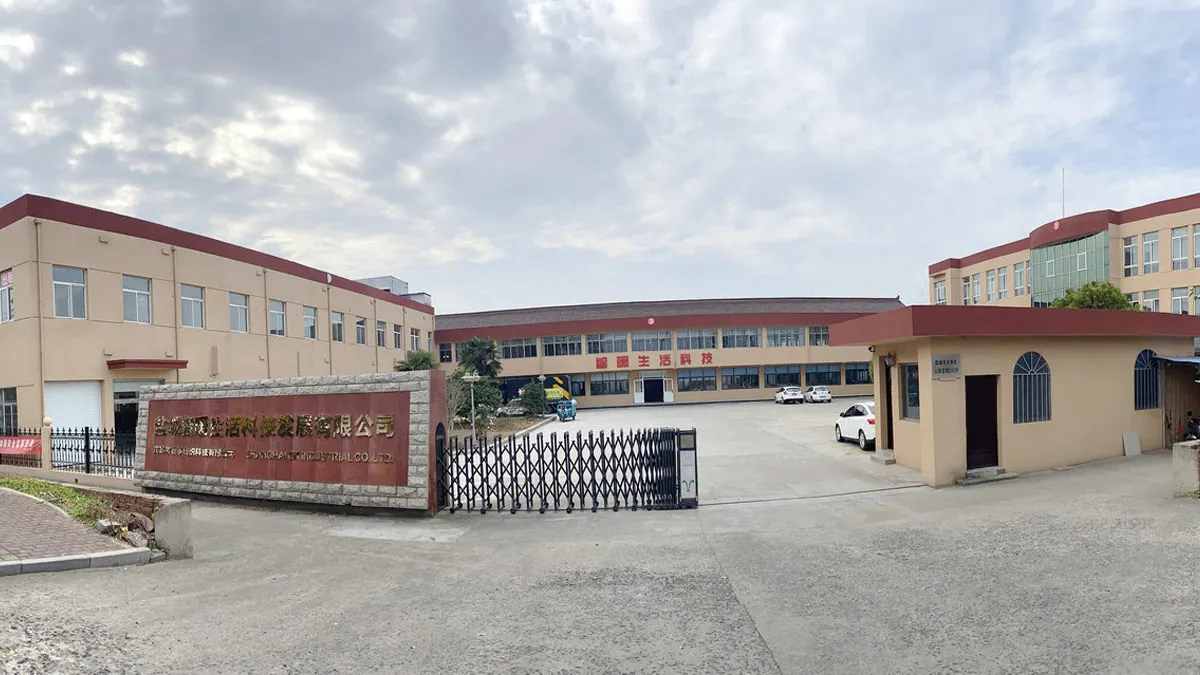
Shanghai Gk Industrial Co., Ltd.
- Manufacturer, Trading Company
- Shanghai, China
- Lead time40 days
- Avg. response≤ 5h
Main productsHeated Eye Masks,Heated Slipper,Red-light Therapy Pad,Microwave-heated Pads,Microwave-heated Toys
Main marketsCentral America(100.00%), Southern Europe(100.00%), South Asia(100.00%), Mid East(100.00%), Oceania(100.00%), Africa(100.00%), Southeast Asia(100.00%), Eastern Europe(100.00%), South America(100.00%), Northern Europe(100.00%), North America(60.00%), Domestic Market(20.00%), Western Europe(10.00%), Eastern Asia(10.00%)

Shenzhen Simcos Technology Co., Ltd.
- Verified by SGS
- Combined
- China Guangdong
- Lead time30 days
- Avg. response≤ 5h
Main productsRed Light Therapy, Heated Gloves, Heated Socks, Infrared Light Therapy, Heated Insoles, Heated Jacket, Heated Vest, Red Light Therapy Panel
Main marketsEurope,North America

LED Infrared Red Light Therapy Belt Pain Relief Massager Device Knee Leg
$20.70 - $24.00
MOQ: 2 Pieces


Smart APP Control LED Red Light Therapy Belt Knee Massager Knee Elbow Joint
$20.70 - $24.00
MOQ: 2 Pieces


- Verified by SGS
- Trading Company,Manufacturer/Factory
- China Guangdong
- Lead time23 days
- Avg. response≤ 3h
Main productsBeauty Devices, Skin Care Instrument, LED Face Masks, Makeup Tools, Beauty Instrument (OEM/ODM), OEM / ODM Electronics, Beauty Device, Home Air Care Appliances, Furniture, Electric Bakhoor Burners
Main marketsSouth America,Eastern Europe,Mid East,North America,Southeast Asia,Eastern Asia,Oceania,Western Europe,Africa

Electric Knee Leg Massager Heat and Kneading Infrared Heated Vibration Massager
$16.80 - $19.35
MOQ: 50 Pieces

$16.80 - $19.35
MOQ: 50 Pieces
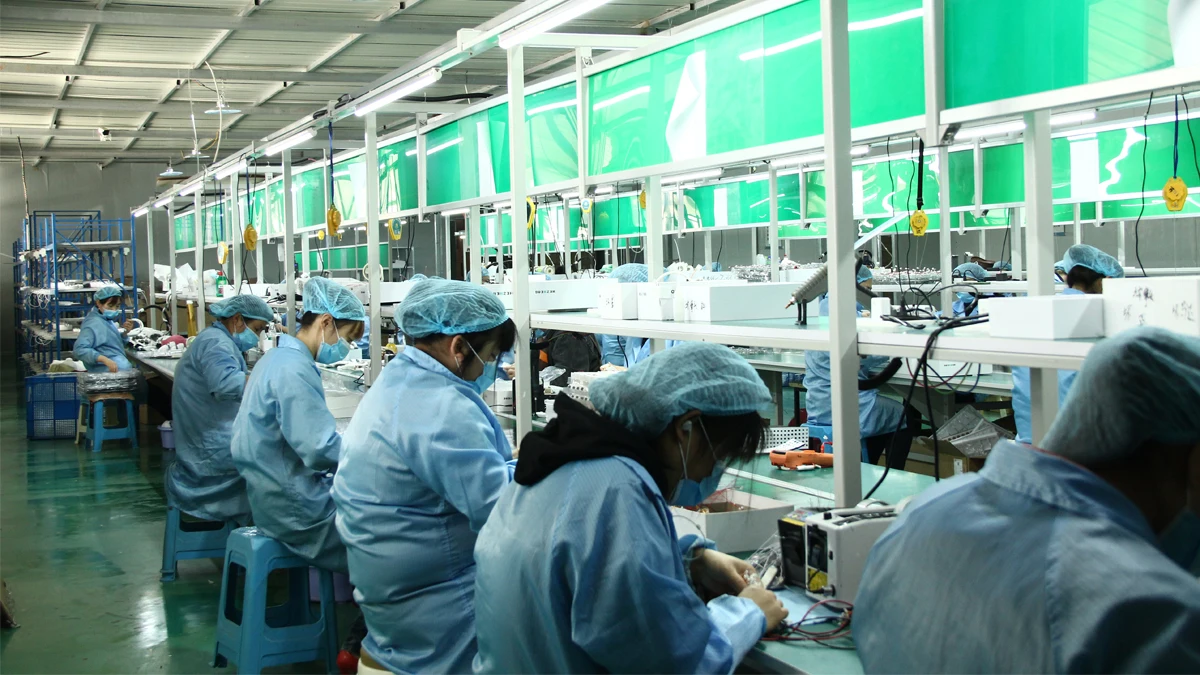
Hefei Hezheng Medical Technology Co., Ltd.
- Manufacturer, Trading Company
- Anhui, China
- Lead time25 days
- Avg. response≤ 2h
Main productsHead Massager, Neck Massager, Eye Massager, Knee Massager, Waist Massager
Main marketsDomestic Market(50.00%), Eastern Asia(25.00%), Eastern Europe(20.00%), Mid East(3.00%), North America(2.00%)
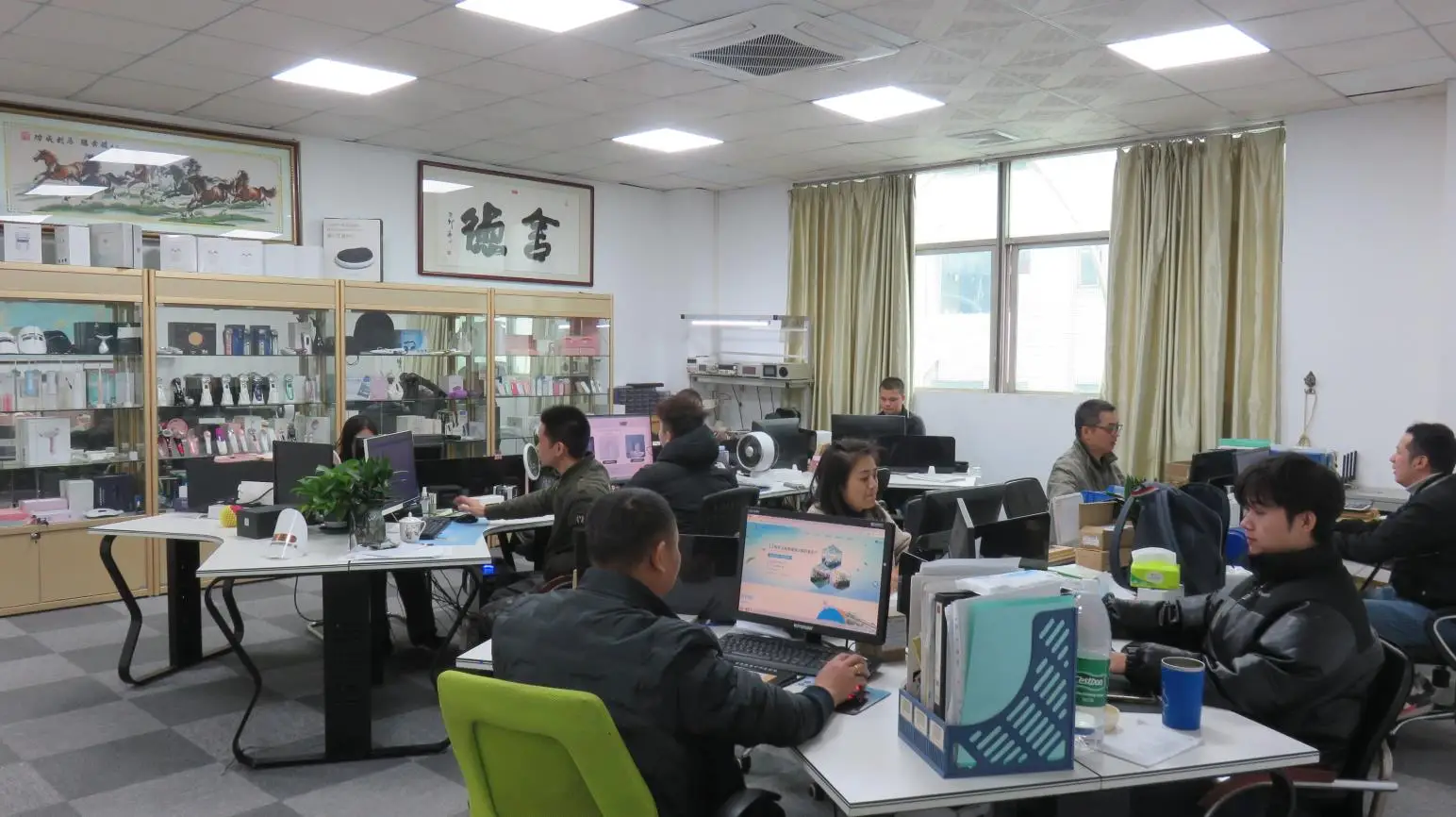
Shandong Chengchang Health Technology Co., Ltd.
- Trading Company
- Shandong, China
- Lead time15 days
- Avg. response≤ 3h
Main productsBeauty equipment,Massager,A protector,medical equipment,Health care equipment
Main marketsSoutheast Asia(20.00%), Domestic Market(15.00%), Mid East(10.00%), South America(5.00%), South Asia(5.00%), Southern Europe(5.00%), Northern Europe(5.00%), Central America(5.00%), Western Europe(5.00%), Eastern Asia(5.00%), Eastern Europe(5.00%), Oceania(5.00%), Africa(5.00%), North America(5.00%)
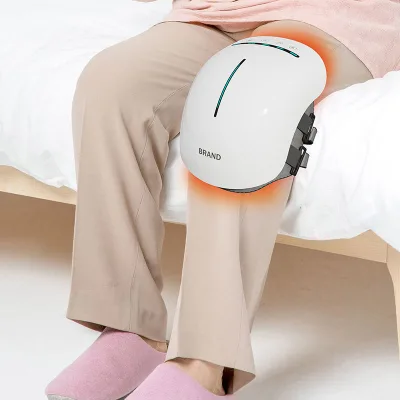
Household Knee Massage protection Device Uses an Innovative Knee Massager to Relieve Knee Discomfort
$22.38 - $27.49
MOQ: 1 pieces
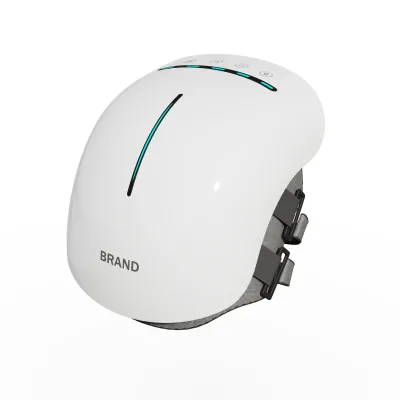
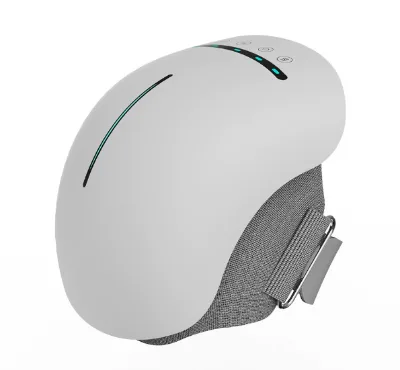
$19.90 - $23.90
MOQ: 1 pieces
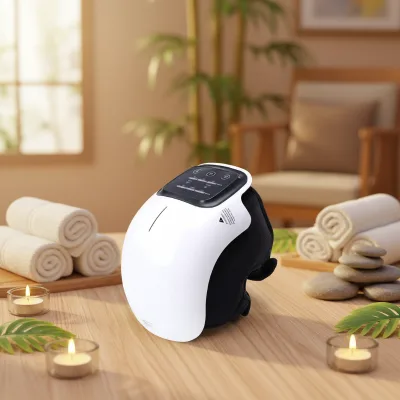
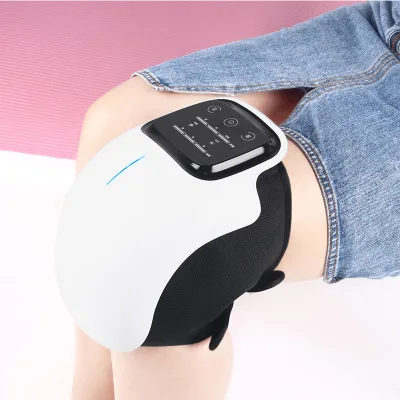
Pain Relief Massage Set - Knee Massager - Intelligent Rehabilitation Therapy
$18.90 - $20.90
MOQ: 1 pieces
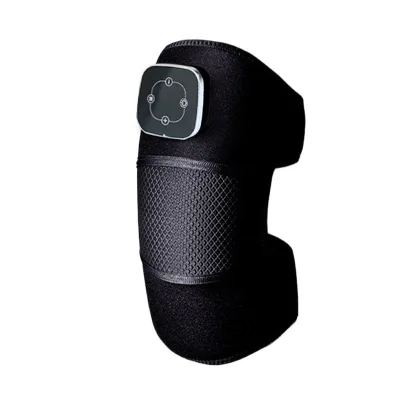
Affordable Knee Massage Equipment with Vibration and Simulation Massage Techniques
$6.65 - $9.11
MOQ: 1 pieces

Shandong Urway Biological Technology Co., Ltd.
- Manufacturer/Factory
- China Shandong
- Lead time0 days
- Avg. response≤ 2h
Main productsDermal Filler, Plla, Pdo Thread, Derma Roller, Hyaluronic Acid Filler, Meso Serum, Pdrn, Derma Pen, LED Mask
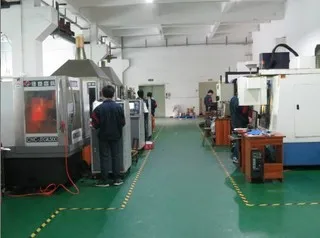
Shenzhen Fulinyun Technology Co., Ltd.
- Trading Company
- Guangdong, China
- Lead time25 days
- Avg. response≤ 11h
Main productsFacial LED Light Therapy Mask, Red Infrared Light Therapy Pannel, Laser LED Light Therapy Helmet, Red Light Therapy Device Blanket, Far Infrared Sauna Blanket
Main marketsNorth America(30.00%), Western Europe(20.00%), Domestic Market(7.00%), South America(5.00%), Oceania(5.00%), Southern Europe(5.00%), Central America(5.00%), Northern Europe(5.00%), Eastern Europe(5.00%), Southeast Asia(5.00%), South Asia(2.00%), Eastern Asia(2.00%), Africa(2.00%), Mid East(2.00%)
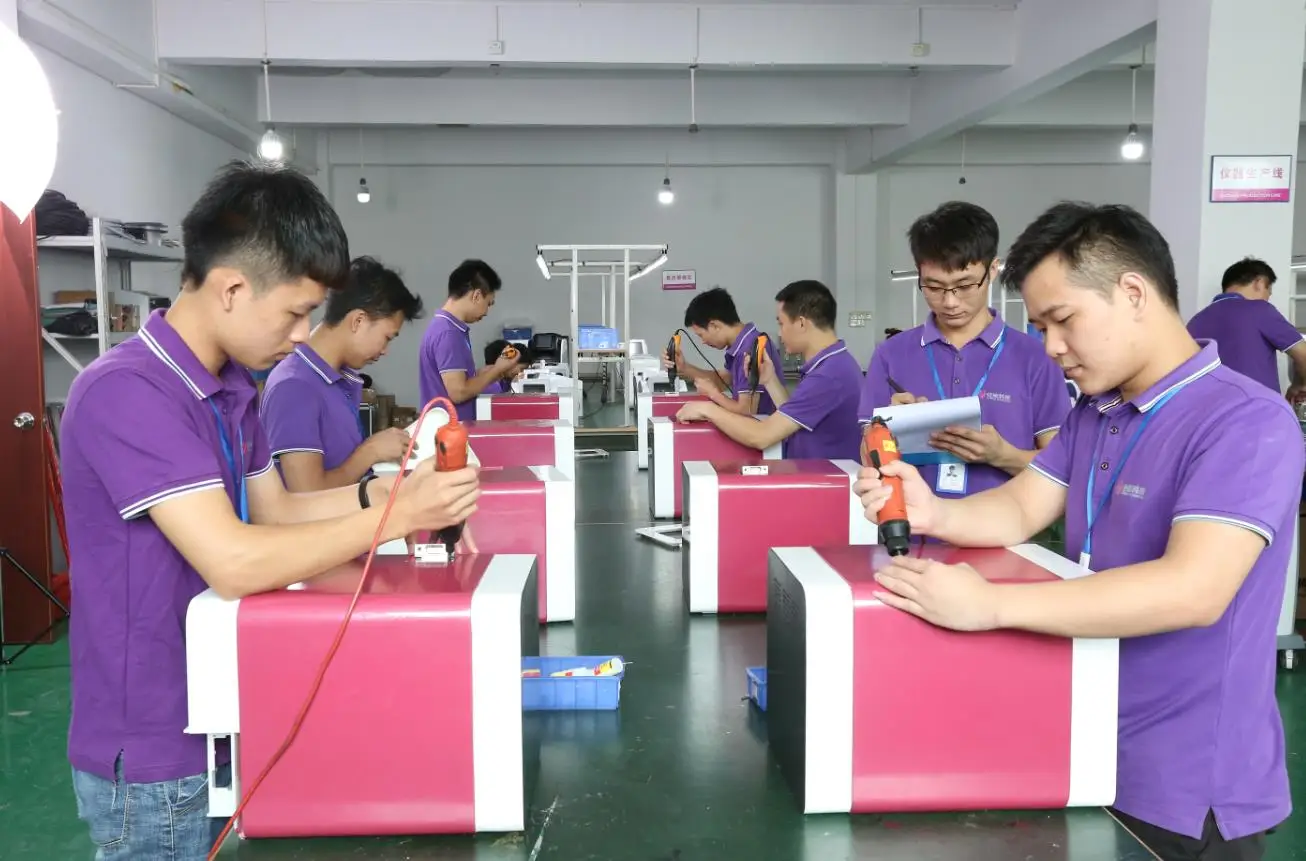
Tianjin Yingsaifu Technology Development Co., Ltd.
- Trading Company
- Tianjin, China
- Lead time21 days
- Avg. response≤ 2h
Main productscavitation machine,diode laser hair removal,roller massage,hydro facial machine,Fat freezing
Main marketsNorth America(49.00%), Western Europe(20.00%), Southern Europe(15.00%), Domestic Market(15.00%), Southeast Asia(10.00%), South America(8.00%), Africa(7.00%), Central America(5.00%), Eastern Europe(5.00%), Northern Europe(3.00%), South Asia(2.00%), Eastern Asia(2.00%), Mid East(1.00%)
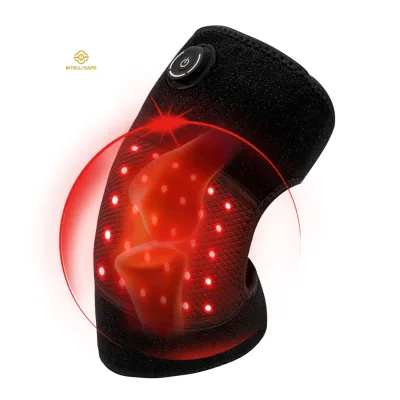
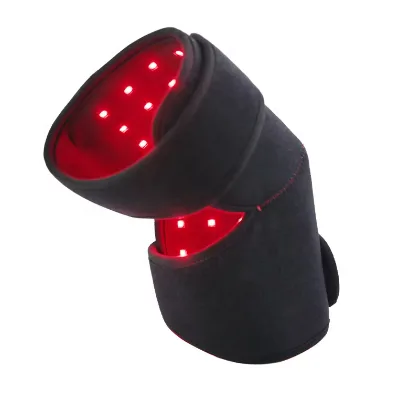
Red Light Therapy for Knee/ Knee Care Red Light Therapy 660nm 850nm Pain Relief Knee Massage
$24.50 - $32.00
MOQ: 1 sets
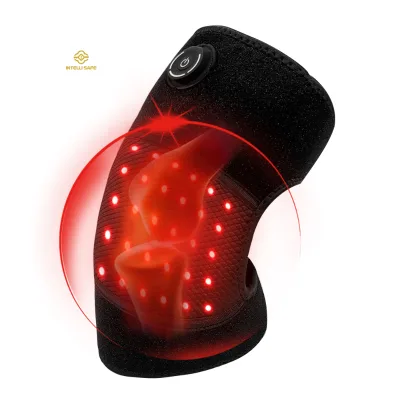
Led Light Belt Knee Therapy Thermal Heating Pain Relief Health Care Wholesale
$24.50 - $32.00
MOQ: 1 sets
Shenzhen Kimriber Technology Co., Ltd.
- Verified by TüVRheinland
- Trading Company
- Lead time3 days
- Avg. response≤ 2h
Main productsMassage Gun, Neck & Shoulder Massager, Eye Massager, Foot Massager, Back Massager
Main marketsNorth America(40%), Eastern Asia(15%), Eastern Europe(10%)

Shenzhen Shanglaite Electronic Technology Co., Ltd
- Verified by SGS
- Combined
- China Guangdong
- Lead time15 days
- Avg. response≤ 13h
Main productsRed Light Therapy, Full Body Red Light Therapy Panel, Red Light Capsule, Red Light Therapy Pod, Red Light Therapy Bed
Main marketsEurope,Australia,North America

$18.00 - $21.00
MOQ: 1 Pieces

Knee Therapy Pad Arthritis Joint Care Deep Healing Red Light Therapy Knee Pad
$18.00 - $20.00
MOQ: 1 Pieces
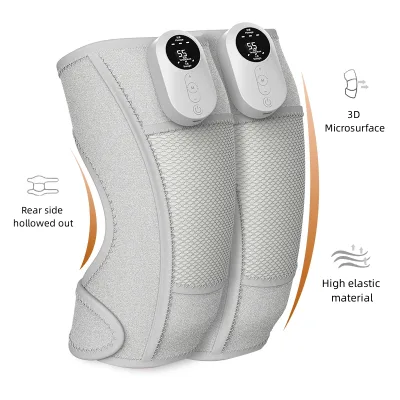
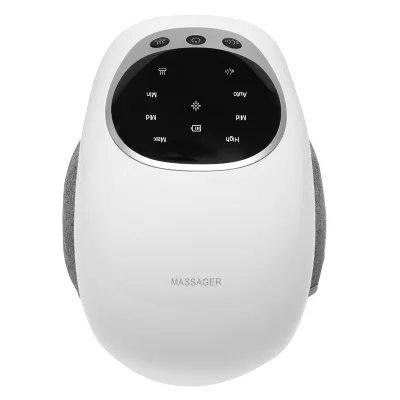
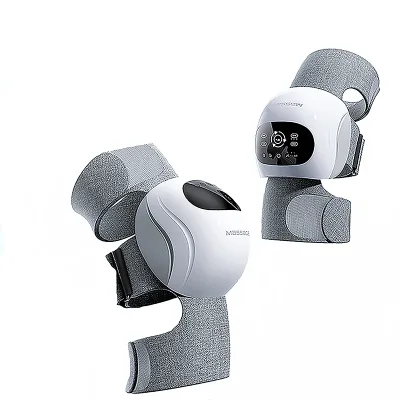
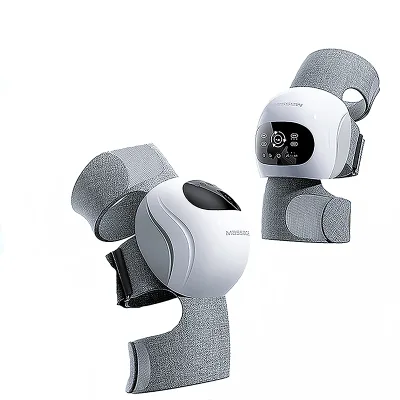
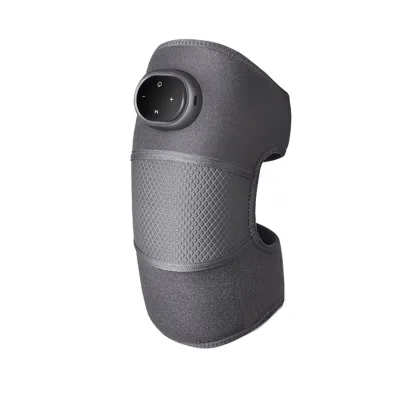


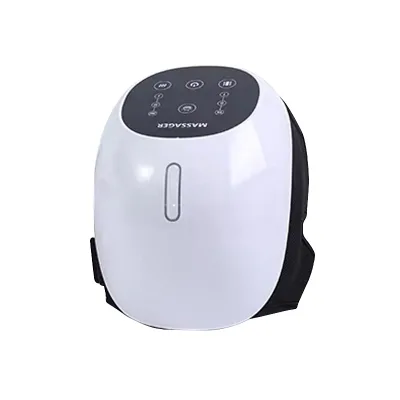
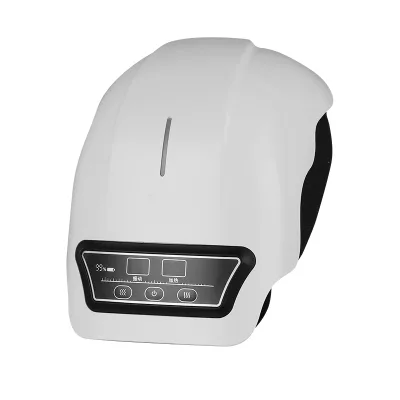


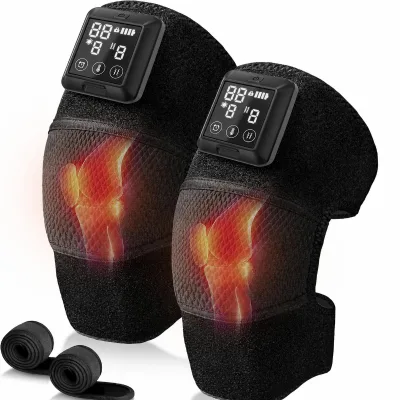
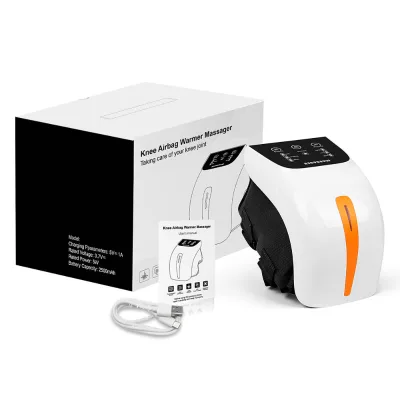
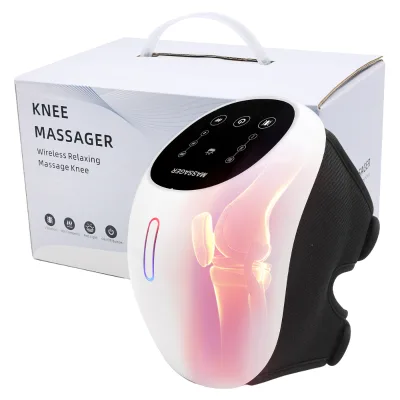
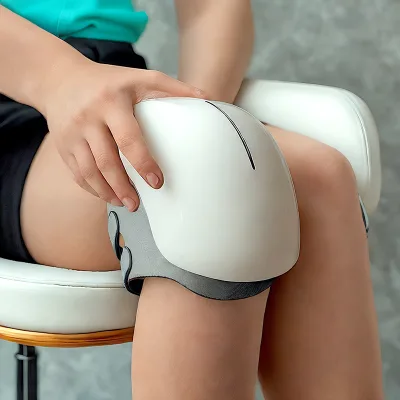


Comprehensive Sourcing Guide
Infrared Light Therapy Knee Massager Supplier Concentration and Factory Types
The current supplier landscape for infrared light therapy knee massagers shows a distinct concentration of manufacturing activity within China, specifically in the Hubei and Zhejiang provinces. Fact-based observations confirm that Hubei-based entities often operate as combined companies capable of both manufacturing and trading, while Zhejiang locations host suppliers with diverse product lines including neck massagers and beauty devices. Guangdong is also identified as a hub, primarily featuring trading companies that source compression recovery boots and various massage tools. These regional clusters suggest that buyers should expect a mix of factory-direct capabilities and trading intermediaries depending on the specific province selected.
When evaluating factory types, the data indicates a split between combined entities and pure trading companies. Combined suppliers in Hubei demonstrate ODM and own-brand capabilities, suggesting they can customize designs and manage production internally. In contrast, the trading companies located in Guangdong focus on aggregating products like air compression leg massagers and may not possess direct manufacturing lines for the infrared components. Buyers must verify whether a supplier claims to be a factory or a trader, as this distinction impacts control over the production process, quality assurance, and the ability to implement specific engineering changes for the knee massager devices.
How to Verify Infrared Light Therapy Knee Massager Suppliers
Verification of Infrared Light Therapy Knee Massager suppliers requires a rigorous check of their system certifications and third-party audit results. Available data confirms that some suppliers hold ISO9001:2015 and ISO14001:2015 certificates, which are critical for ensuring consistent quality management and environmental compliance in the manufacturing of medical-grade devices. Additionally, verification status from agencies like SGS is a tangible indicator of a supplier's legitimacy. Buyers should not assume all suppliers possess these credentials; instead, they must request current certificate copies and cross-reference the audit reports to confirm the scope covers the specific production of infrared light therapy equipment.
Beyond certifications, the response time and verification status provide immediate insights into supplier reliability. The observed response times vary significantly, with some suppliers responding in under one hour while others take over four hours. A rapid response often correlates with a more active sales team and better communication channels, which is vital for resolving technical queries about wavelength specifications or battery life. Buyers should prioritize suppliers with verified badges and faster response metrics, as these factors reduce the risk of miscommunication during the product development phase. Always ask for proof of these metrics rather than relying on platform summaries alone.
What to Compare Across Infrared Light Therapy Knee Massager Suppliers
Comparing suppliers requires a detailed analysis of lead times, minimum order quantities, and product specifications to ensure alignment with business needs. The data reveals lead times ranging from 15 days to 23 days, indicating that production schedules can vary based on the supplier's capacity and current order volume. Minimum order quantities also differ, with some suppliers accepting orders as low as one unit, while others require a minimum of 100 units. Buyers must calculate whether their inventory strategy can accommodate these thresholds, especially when testing new product lines or entering niche markets with lower volume requirements.
Product specifications and pricing structures are equally critical comparison points. The infrared knee massagers listed feature varying wavelengths, such as 630nm red light and 850nm near-infrared light, with prices ranging from approximately $6.50 to $99.00 depending on features like heating, vibration, and battery capacity. Some models include rechargeable lithium batteries with specific lifespans, while others rely on different power modes. Buyers should create a comparison matrix that maps these technical attributes against the unit price and MOQ. This approach ensures that the selected supplier offers the specific combination of therapeutic features and commercial terms required for the target market without overpaying for unnecessary capabilities.
Common Infrared Light Therapy Knee Massager Sourcing Risks
One significant risk in sourcing infrared light therapy knee massagers is the inconsistency in product standards and certification claims. While some suppliers list ISO certifications, others show "NIL" for system certifications, creating a potential compliance gap for medical devices. Buyers must be vigilant about verifying that the claimed wavelengths, such as 630nm or 850nm, match the actual product output, as inaccurate light therapy can render the device ineffective or unsafe. The absence of standardized testing results in the public data means that buyers cannot assume all products meet international safety standards without independent verification.
Another risk involves the reliability of the supply chain and the accuracy of the stated lead times. The observed lead times of 15 to 23 days are estimates that can fluctuate due to raw material shortages or production bottlenecks. If a supplier fails to meet these timelines, it can disrupt inventory planning and lead to stockouts. Furthermore, the variation in response times suggests that communication delays could occur, potentially delaying critical design changes or quality inspections. Buyers should mitigate these risks by establishing clear contractual penalties for delays and requiring regular production updates to maintain visibility into the manufacturing process.
Infrared Light Therapy Knee Massager Regional Sourcing and Logistics
Sourcing from the identified regions of China, including Hubei, Zhejiang, and Guangdong, offers distinct logistical advantages and challenges. Hubei-based combined companies and Zhejiang suppliers often have established export channels, but the specific logistics costs and transit times will depend on the port of loading and the final destination. Buyers should note that the origin is consistently listed as China, but the specific province affects the proximity to major shipping hubs. For instance, Guangdong is a major manufacturing and export hub, which might offer faster access to international shipping routes compared to inland provinces like Hubei.
Logistics planning must also account for the packaging and weight specifications provided in the product data. Items like the knee massager with a weight of 590g or the larger air pressure models with dimensions of 276162205mm will impact freight costs and container utilization. Buyers need to calculate the volumetric weight to optimize shipping expenses, especially when ordering mixed SKUs. Additionally, the packaging types, such as color boxes or cartons, must be durable enough to protect the electronic components during transit. Verifying the packaging standards with the supplier before finalizing the order can prevent damage and reduce the risk of returns due to shipping-related defects.
Infrared Light Therapy Knee Massager Commercial Terms and Order Planning
Commercial terms for infrared light therapy knee massagers vary significantly based on the supplier's capacity and product complexity. The data shows a wide price range, from $6.50 to $99.00, which reflects differences in features like heating elements, vibration motors, and battery technology. Buyers must negotiate terms that align with their margin goals while ensuring the supplier can sustain the production quality. It is essential to clarify whether the quoted price includes packaging, labeling, and any necessary certifications, as these can add hidden costs to the final landed price.
Order planning should also consider the customization options and the supplier's ability to handle them. Many suppliers indicate that customization is available, allowing for branding or specific feature adjustments. However, the lead time for customized orders may exceed the standard 15 to 23 days. Buyers should plan their inventory cycles to accommodate these extended timelines, especially if they require unique branding or specific wavelength configurations. Establishing a clear communication protocol for custom orders and setting realistic delivery expectations will help maintain a smooth supply chain and prevent disruptions in the market launch of the infrared light therapy knee massagers.
FAQs
What is the price range for infrared knee massagers?
Prices typically range from $6.50 to $99.00 per unit depending on features and customization. Basic models start around $6.50, while advanced devices with LED touch screens and specific certifications cost up to $99.00. Buyers should verify exact pricing based on order volume and specific technical requirements.
What are the minimum order quantities for these devices?
Minimum order quantities vary significantly by supplier and product type. Some manufacturers accept orders as low as one unit for sampling, while others require a minimum of 100 pieces for bulk production. Buyers must check the specific MOQ listed for each product model to ensure it fits their procurement strategy.
How long does production and delivery take?
Lead times generally range from 15 to 23 days after order confirmation. Suppliers in Hubei often report faster turnaround times around 15 days, whereas those in Zhejiang may take up to 23 days. Buyers should confirm specific delivery schedules with the supplier before finalizing the purchase agreement.
What certifications do these knee massagers have?
Many suppliers hold ISO9001:2015 and ISO14001:2015 system certifications, ensuring quality management standards. Some products also carry specific product certifications like ISO for function claims. Buyers should request valid certificate copies to verify compliance with their local regulatory requirements before placing large orders.
What wavelengths are used in these infrared devices?
Common wavelengths include red light at 630nm and near-infrared light at 850nm. Some models also utilize blue light at 465nm for combined therapy. These specific wavelengths are selected to improve blood circulation and provide pain relief for knee joints and surrounding muscles effectively.
Can these massagers be customized for branding?
Customization is available for many suppliers, including OEM and ODM services. Buyers can often request custom packaging, logos, or specific product features. It is essential to discuss customization options and associated costs directly with the supplier to ensure the final product meets your brand requirements.