Source Digital Plant Soil pH Tester for Farming, Gardening, and Research
Compare 30 digital plant soil pH testers from verified suppliers. These devices measure soil acidity, moisture, and temperature for agriculture, home gardening, and scientific research applications.
Key considerations
Products List


Digital Soil pH Meter Tester LCD Temperature Sunlight pH Soil Moisture Meter Tester
$12.00 - $16.00
MOQ: 100 Pieces






Comprehensive Sourcing Guide
Digital Plant Soil pH Tester Sourcing Guide
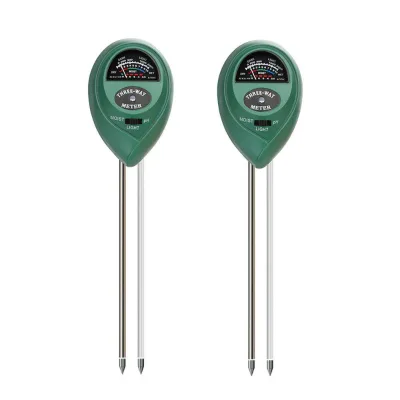
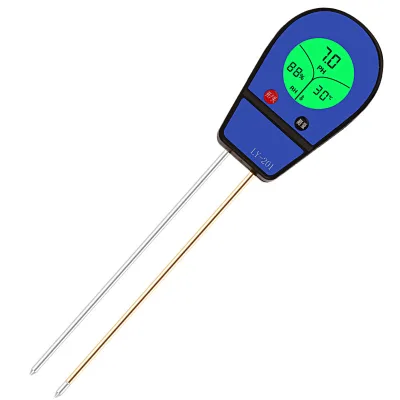
The Digital Plant Soil pH Tester represents a critical tool for modern agricultural procurement, enabling precise measurement of soil acidity and moisture levels to optimize crop health. Based on observed market listings, these devices typically feature a digital display and a portable form factor designed for field use, with models ranging from basic three-way meters to comprehensive kits capable of measuring sunlight and humidity alongside pH. Buyers should note that while the core function remains consistent, the specific measurement ranges and probe dimensions vary significantly between suppliers, necessitating a careful review of technical specifications before placing bulk orders.
Procurement decisions for these instruments must account for the diversity in product naming and model numbers, which often include variations like PH-5, LONN-PH5, or generic descriptors such as "Soil Tester Kit." The observed product attributes indicate a strong presence of ABS plastic housing and aluminum alloy probes, designed to withstand the rigors of agricultural environments. However, the working temperature ranges and battery types also differ, with some units specifying 9V batteries while others list different power requirements, requiring buyers to verify compatibility with their specific operational conditions and supply chain logistics.
Product Scope and Observed Listing Signals
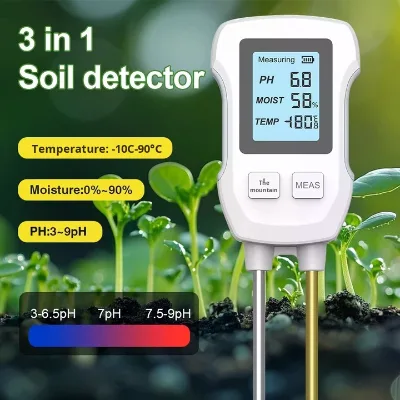
The market for digital plant soil pH testers is characterized by a wide spectrum of product configurations, from simple handheld meters to multi-function kits that include temperature and light intensity sensors. Observed listings reveal that the measurement range for pH often falls between 3.0 and 8.0 or 3.5 to 9.0, with moisture sensors typically covering a 1-8 scale. Buyers must distinguish between these variations, as a device optimized for acidic soils may not provide accurate readings in alkaline environments, and the inclusion of additional sensors like sunlight or humidity can significantly alter the utility of the tool for specific crop types.
Listing signals also highlight significant inconsistencies in physical dimensions and packaging standards across different suppliers. While some models are compact with housing sizes around 77x77x33mm, others are described with different single package sizes, and probe lengths vary from 198mm to 220mm. These physical differences impact the depth of soil penetration and the ergonomics of the device during use. Furthermore, packaging descriptions range from "Five Layer Cartoon" to simple cartons or boxes, which directly influences the protection level during international shipping and the final retail presentation of the product.
Technical Specifications to Verify
When evaluating the technical performance of a Digital Plant Soil pH Tester, the accuracy and resolution of the pH reading are paramount for reliable data collection. The observed data suggests an accuracy of ±0.2 pH and a resolution of ±0.2, which are standard benchmarks for agricultural handheld meters, but buyers must confirm that these figures apply to the specific model they are sourcing. It is essential to verify the stated accuracy range, as some listings claim applicability to agriculture while others may have different tolerances, and the resolution determines the smallest change in pH value the device can detect, which is crucial for monitoring subtle soil changes.
The physical construction and environmental durability of the device are equally critical factors that require detailed verification. Buyers should confirm the housing material, which is frequently listed as ABS plastic, and the probe material, typically aluminum alloy, to ensure resistance to corrosion and physical damage in the field. Additionally, the working temperature range, observed between 5°C and 50°C in some listings and 5°C to 40°C in others, must be matched against the climate conditions of the intended application site. The battery type, often a 6F22 9V, should also be verified for availability and longevity, as power source constraints can limit the operational lifespan of the device in remote locations.
Compliance and Safety Documentation
Compliance with international safety and electromagnetic standards is a non-negotiable requirement for sourcing digital plant soil pH testers, particularly for markets in North America and the European Union. Observed listings frequently cite certifications such as FCC, CE, and RoHS, which indicate adherence to electromagnetic interference limits and restrictions on hazardous substances. Buyers must request valid certification documents for the specific model being purchased, as these certifications are often tied to the manufacturing batch and may not automatically apply to all variations of the product name or model number.
In addition to electronic safety standards, documentation regarding the product's origin and manufacturing standards is essential for supply chain transparency. The observed data indicates that these products originate from China, with specific mentions of Zhejiang as a place of origin, which can influence logistics planning and tariff assessments. Buyers should verify that the supplier can provide proof of origin and any relevant quality management system certifications, such as ISO standards, to ensure that the manufacturing process meets consistent quality benchmarks. This documentation is vital for mitigating risks related to regulatory compliance and ensuring that the products can be legally imported and sold in the target market.
Cost Drivers and Commercial Terms
The cost of digital plant soil pH testers is influenced by a complex interplay of factors, including the complexity of the measurement functions, the quality of materials used, and the volume of the order. The observed price range spans from $3.2 to $1100, reflecting the vast difference between basic single-function meters and high-end multi-sensor kits or laboratory-grade instruments. Buyers must carefully align their budget with the required functionality, understanding that a lower price point may correspond to a simpler device with fewer features or lower durability, while higher prices often reflect enhanced accuracy, additional sensors, or more robust construction.
Commercial terms, particularly the Minimum Order Quantity (MOQ), vary significantly among suppliers and can impact the total cost of ownership. Observed MOQs range from as low as 1 unit to 300 units, with some specific listings indicating an MOQ of 100 pieces. These thresholds directly affect the initial capital outlay and inventory risk for the buyer. Additionally, the customization availability noted in the product attributes suggests that suppliers may offer branding or specification modifications, which can incur additional costs and extend lead times. Buyers should negotiate these terms early to ensure they align with their procurement strategy and cash flow requirements.
Supplier Qualification and Quality Control
Qualifying a supplier for digital plant soil pH testers requires a rigorous assessment of their production capabilities and quality control processes. Given the variability in product models and specifications observed in the market, buyers should verify that the supplier has a consistent track record of delivering products that match the advertised technical specifications. This includes confirming that the probe materials, housing durability, and electronic components meet the stated standards for accuracy and longevity. A supplier's ability to provide samples for pre-shipment testing is a strong indicator of their confidence in product quality and their commitment to meeting buyer expectations.
Quality control measures should extend beyond the final product to include the packaging and logistics preparation. The observed listings mention various packaging types, from simple cartons to five-layer protective packaging, which play a crucial role in preventing damage during transit. Buyers should request details on the supplier's packaging protocols to ensure that the devices arrive in perfect condition, especially given the delicate nature of the digital displays and probes. Furthermore, verifying the supplier's ability to handle custom orders and their responsiveness to quality issues is essential for maintaining a reliable supply chain and minimizing the risk of receiving defective or non-compliant goods.
Long-Term Procurement Checks
Establishing a long-term procurement relationship for digital plant soil pH testers involves regular monitoring of product performance and supplier reliability over time. Buyers should implement a system for tracking the performance of the devices in the field, noting any deviations in accuracy or durability that may indicate a need for supplier intervention or product redesign. This feedback loop is critical for maintaining the integrity of the data collected by the testers and ensuring that the equipment continues to meet the evolving needs of the agricultural operations.
Continuous evaluation of the supplier's ability to adapt to market changes and regulatory updates is also vital for long-term success. As standards for electronic devices and agricultural tools evolve, suppliers must demonstrate their capacity to update their product lines and maintain compliance with new regulations. Buyers should schedule periodic reviews with their suppliers to discuss potential improvements, such as enhanced battery life, improved probe materials, or updated software for digital displays. This proactive approach ensures that the procurement strategy remains robust and that the supply chain can adapt to future challenges without disruption.
FAQs
What is the pH measurement range for this Digital Plant Soil pH Tester?
The device measures a pH range of 3 to 8, which covers most common soil conditions for agriculture and gardening. Some models extend this to 3.5-9 pH or 3.5-8 pH depending on the specific unit. This range allows for accurate testing of acidic to slightly alkaline soils without requiring complex calibration for standard use.
Can this Digital Plant Soil pH Tester measure soil moisture levels?
Yes, many units function as a multi-parameter meter that includes soil moisture testing alongside pH. The measurement range for moisture is typically 1-8. This dual functionality helps users monitor both acidity and water content simultaneously, providing a comprehensive view of soil health for optimal plant growth and irrigation management.
What is the accuracy and resolution of the Digital Plant Soil pH Tester?
The accuracy is generally ±0.2 pH, with a resolution of ±0.2. This precision is suitable for general agricultural and gardening applications. While not laboratory-grade, it provides reliable readings for field use. Users should ensure the probe is clean and properly inserted for consistent results within this specified tolerance.
What power source does the Digital Plant Soil pH Tester use?
The device typically operates using a 6F22 9V battery. This standard battery type is widely available and easy to replace. The unit features a digital display that activates when powered, allowing for clear reading of pH, moisture, and other metrics. Battery life depends on usage frequency and storage conditions.
What materials are used in the construction of the Digital Plant Soil pH Tester?
The housing is made from durable ABS plastic, providing impact resistance and portability. The probe is constructed from aluminum alloy, ensuring conductivity and longevity in soil environments. These materials balance weight and durability, making the tool suitable for both professional agricultural use and casual home gardening tasks.
What is the working temperature range for the Digital Plant Soil pH Tester?
The device operates within a temperature range of 5 to 50°C (41 to 122°F). Some models specify a narrower range of 5 to 40°C. Exceeding these limits may affect accuracy or damage the internal components. Users should store the device in a cool, dry place when not in use.
Is customization available for bulk orders of the Digital Plant Soil pH Tester?
Customization is available for bulk purchases, allowing buyers to tailor specifications or packaging. Minimum order quantities vary, with some suppliers requiring 100 pieces or more. Buyers can inquire about specific modifications to meet their branding or functional requirements, ensuring the product aligns with their market needs and distribution strategies.