Source Digital Print Challis Fabric for shirts, dresses, and garments
Explore 30 listings for Digital Print Challis Fabric suitable for shirts, dresses, and garments. Buyers can compare specifications like width, weight, and customization options from verified suppliers offering make-to-order services.
Key considerations
Products List

100%Spun Rayon Challis Printed Fabric 45s 110GSM Digital Printed Flower Fabric
$0.68 - $0.80
MOQ: 2000 Meters


100% Polyester Fabric Digital Printing/Fabric Dye Sublimation Printed Fabric
$0.50 - $1.20
MOQ: 1 Square Meters
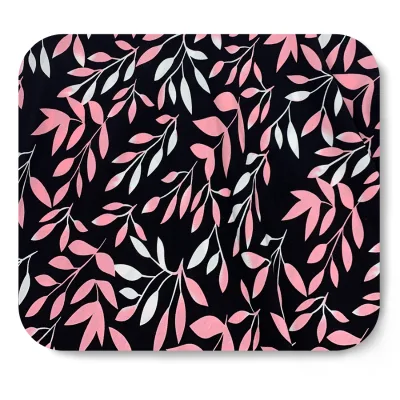


Digital Printing Polyester Silk Satin Chiffon Custom Floral Printed Fabric
$1.50 - $1.60
MOQ: 1000 Meters


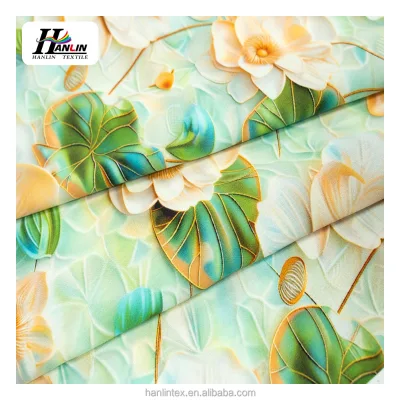
Textile Custom Design Floral Digital Print Challis Tela 3068 Rayon Woven Fabric Factory
$0.79 - $0.92
MOQ: 2000 Minimum


Printed Fabric Polyester Digital Printed Microfiber Printing Polyester Fabric
$0.38 - $0.80
MOQ: 5000 Meters


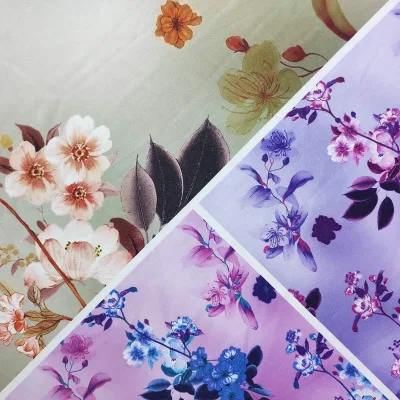


Comprehensive Sourcing Guide
Strategic Sourcing Guide for Digital Print Challis Fabric
Understanding Technical Specifications and Material Composition
When sourcing Digital Print Challis Fabric, buyers must first establish a clear understanding of the material's fundamental composition and physical attributes. The core product identified in the market data is a 100% Rayon fabric, which serves as the primary substrate for digital and rotary screen printing applications. Rayon, classified as a natural fiber in the context of this supply chain, offers a distinct balance of drape and softness that is highly desirable for apparel manufacturing. The fiber type is confirmed as natural, derived from staple fibers, which influences the hand feel and the way the fabric accepts dye and print.
The physical dimensions of the fabric vary significantly across different supplier listings, a critical factor for procurement planning. Observed width specifications include a standard 57/58 inch (approximately 145 cm) format, as well as a broader 142-145 cm range. Buyers must verify the exact width required for their specific cutting patterns to minimize waste. The weight of the fabric is another defining characteristic, with observed specifications ranging from 95 GSM to 110 GSM. This places the material in the light to medium weight category, suitable for flowing garments but requiring careful handling during the printing process to prevent distortion.
The technical construction of the fabric is woven, utilizing a plain weave structure. This construction method provides a stable base for intricate digital prints while maintaining the fabric's breathability. The yarn count is a variable parameter that suppliers confirm upon request, with specific standard configurations noted as 30s, 45s, and blended counts such as 3030 or 4545. These counts dictate the fineness of the yarn and the overall density of the fabric. Additionally, the fabric exhibits high elasticity in bending, which is an essential property for garments that require movement and comfort, such as dresses and shirts. The moisture absorption is rated as medium, and colorfastness is observed to be high, ensuring that the vibrant colors achieved through digital printing remain stable during washing and wear.
Compliance, Certification, and Quality Verification Protocols
In the B2B textile sector, verifying compliance and quality is as critical as the physical attributes of the fabric. While specific certification names are not universally listed in the provided data, buyers must demand evidence of adherence to international safety and environmental standards. The fabric is noted to possess anti-static and abrasion-resistant features, which are functional attributes that should be validated through third-party testing reports rather than supplier assertions alone.
Buyers should verify the origin of the material, as the supply chain data indicates production primarily in China, with specific mentions of Heibei as a production hub. Understanding the geographic origin is vital for assessing logistics costs and potential trade tariffs. The production standard is often referenced by yarn count configurations like 30s 45s or 45*45 11076, but these are internal codes. Procurement teams must request the specific international standards (such as ISO or AATCC) that the fabric meets regarding colorfastness, tensile strength, and shrinkage.
Quality verification should extend to the printing process itself. The data highlights "Digital Printing" and "Rotary Screen Printing" as available techniques. For digital printing, the buyer must ensure the supplier has the capability to manage color profiles accurately to prevent batch-to-batch variation. The "High Durability" attribute mentioned in the product data suggests a robust finish, but this must be confirmed against the specific end-use of the garment. If the fabric is intended for high-wear items, abrasion resistance tests are mandatory. Furthermore, the "OEM" color availability indicates that custom color matching is a standard service, but buyers must establish a protocol for color approval, typically requiring a physical swatch comparison under standardized lighting conditions before mass production begins.
Cost Drivers and Economic Factors in Procurement
The economics of sourcing Digital Print Challis Fabric are influenced by several dynamic factors, including order volume, customization levels, and logistical arrangements. The observed Minimum Order Quantity (MOQ) varies widely, ranging from 1 meter to 8000 meters per color. This disparity highlights the difference between sample orders and full-scale production runs. A common MOQ threshold observed is 2000 meters, while some suppliers may require 8000 meters per color for digital printing runs to justify the setup costs.
The price range for these fabrics in the market is observed between 0.3 and 6.6 USD, a significant spread that reflects differences in yarn quality, print complexity, and order volume. The "Make-to-Order" supply type indicates that the fabric is not held in stock as a finished good but is produced specifically for the buyer, which can impact lead times and unit costs. Customization is a major cost driver; the availability of thousands of patterns and the ability to customize designs will incur higher costs compared to ordering from a pre-existing catalog.
Logistics also play a pivotal role in the total cost of ownership. The standard delivery method noted is "by Sea," which is cost-effective for large volumes but extends the lead time. The delivery time is estimated at 15-25 days for production, excluding shipping time. Buyers must factor in the "Freight Collect" policy for samples, meaning the buyer bears the cost of shipping samples, which can be a significant expense for international procurement. Additionally, the packing method, typically "in Rolls," must be verified to ensure it meets the buyer's requirements for storage and handling to prevent creasing or damage during transit.
Typical Applications and End-Use Suitability
Digital Print Challis Fabric is versatile, but its specific properties make it particularly suitable for certain categories of apparel. The product data explicitly lists "Men, Women Shirt, Dress" as the primary sorting categories. The soft texture and high elasticity of the fabric make it an ideal choice for women's dresses, blouses, and skirts that require a fluid drape. The medium weight (95-110 GSM) provides enough structure for shirts while remaining breathable for summer wear.
The "Soft" property and "Natural Fibre" composition suggest that the fabric is comfortable against the skin, making it suitable for casual and semi-formal wear. The high colorfastness ensures that the vibrant digital prints remain vivid, which is essential for fashion-forward designs. The fabric's anti-static and abrasion-resistant features add value for garments that are subjected to frequent movement or friction, such as active wear or workwear, although the primary focus remains on fashion apparel.
The ability to customize the design allows manufacturers to create unique, limited-edition collections without the high minimums associated with traditional screen printing. This flexibility is particularly valuable for brands that operate on a fast-fashion model or those that require small-batch production to test new designs. The "Suitable For Products: Clothing" attribute confirms its primary use, but the specific weave and weight also make it a candidate for linings or lightweight outerwear, provided the design and color requirements are met.
Supplier Evaluation and Selection Criteria
Selecting the right supplier for Digital Print Challis Fabric requires a rigorous evaluation process that goes beyond price comparisons. Buyers should prioritize suppliers who demonstrate a clear "Make-to-Order" capability and have a proven track record of handling custom designs. The availability of "Customized" patterns and the ability to produce "Thousands of Patterns" indicate a supplier's capacity for high-volume, varied production.
Service time is another critical metric; a "24hours" service time suggests a responsive communication channel, which is essential for resolving issues related to color matching or design adjustments quickly. Buyers should verify the supplier's export experience, as the data indicates a strong presence in markets such as the Middle East, South America, Africa, and Asia. This global reach implies that the supplier is familiar with international shipping regulations and documentation requirements.
The production location, specifically Heibei, China, should be considered in the context of the buyer's supply chain strategy. Proximity to raw material sources and printing facilities can reduce lead times and costs. However, buyers must also assess the supplier's quality control infrastructure. The ability to confirm yarn counts and maintain consistent fabric width (57/58" or 142-145cm) is a sign of a mature manufacturing operation. Suppliers who offer "Packing According Customer Require" demonstrate flexibility and a customer-centric approach, which is crucial for long-term partnerships.
Quality Control and Long-Term Procurement Considerations
Effective quality control is the backbone of successful procurement in the textile industry. For digital print challis, buyers must implement a multi-stage inspection process. This includes pre-production checks of the raw rayon yarn, in-process monitoring of the weaving and printing stages, and final inspection of the finished rolls. The "High Durability" and "High Elasticity" attributes must be validated through physical testing to ensure they meet the buyer's specifications.
Long-term procurement considerations involve building a relationship with suppliers who can scale with the buyer's growth. The wide range of MOQs (1 to 8000 meters) allows buyers to start small and increase volumes as demand grows. However, buyers should be aware that higher volumes may unlock better pricing tiers, though the base price range remains 0.3-6.6 USD. The "Sample: Freight Collect" policy means that buyers should budget for sample costs, but these samples are essential for validating the fabric's quality before committing to large orders.
Sustainability and ethical sourcing are increasingly important in the textile industry. While specific certification data is not provided in the source material, buyers should inquire about the supplier's environmental practices, particularly regarding water usage in dyeing and printing. The "Natural Fibre" composition is a positive attribute, but the sourcing of the rayon should be verified to ensure it aligns with the buyer's sustainability goals. Finally, maintaining a clear communication channel for "Service Time" and "Delivery Time" (15-25 days) is essential for managing inventory levels and meeting market demands without overstocking or stockouts.
Comparative Analysis of Fabric Attributes
To facilitate decision-making, the following table summarizes the key attributes of the Digital Print Challis Fabric based on the observed data. This comparison helps buyers quickly identify the most relevant specifications for their specific needs.
| Attribute | Observed Specification | Relevance to Procurement |
|---|---|---|
| Material | 100% Rayon (Natural Fibre) | Determines drape, softness, and breathability. |
| Weave Type | Woven (Plain) | Affects stability and print clarity. |
| Width | 57/58" or 142-145cm | Critical for pattern layout and waste reduction. |
| Weight | 95-110 GSM | Defines the fabric's fall and suitability for seasons. |
| Print Method | Digital / Rotary Screen | Impacts lead time, cost, and design complexity. |
| MOQ | 1 - 8000 Meters (Common: 2000) | Influences initial investment and inventory risk. |
| Lead Time | 15-25 Days (Production) | Essential for supply chain planning. |
| Origin | China (Heibei) | Affects logistics costs and trade compliance. |
| Features | Anti-Static, Abrasion-Resistant | Adds value for specific garment applications. |
| Packing | Rolls (Customizable) | Impacts storage and handling requirements. |
This structured approach to sourcing ensures that buyers can navigate the complexities of the digital print challis market with confidence, leveraging the available data to make informed decisions that align with their business objectives.
FAQs
What is the material composition of Digital Print Challis Fabric?
The fabric is composed of 100% Rayon, classified as a natural fiber derived from staple fibers. This composition provides a soft hand feel and high drape suitable for dresses and shirts. Buyers should verify the specific yarn count, such as 30s or 45s, as this affects the fabric density and weight.
How wide is the Digital Print Challis Fabric available?
The fabric width varies between 57/58 inches and a broader range of 142-145 cm. This variation requires buyers to confirm the exact width needed for their cutting patterns to minimize waste. The standard width is often 57/58 inches, but custom widths may be available upon request.
Can I customize the design and pattern of the fabric?
Yes, customization is available with thousands of patterns and the ability to design custom prints. Suppliers offer both digital printing and rotary screen printing techniques to meet specific design needs. Buyers must provide the design files and confirm the color requirements before production begins.
What is the minimum order quantity for this fabric?
The minimum order quantity ranges from 1 meter for samples up to 8000 meters per color for full production runs. A common threshold for standard orders is 2000 meters, while some suppliers may require higher volumes for digital printing setups. Buyers should confirm the specific MOQ with the supplier before placing an order.
How long does it take to deliver the fabric?
The production delivery time is estimated at 15 to 25 days after order confirmation. Shipping is typically arranged by sea, which adds additional transit time depending on the destination. Buyers should account for the freight collect policy for samples and the total lead time including logistics.
Which features make this fabric suitable for apparel?
The fabric features anti-static and abrasion-resistant properties along with high durability and medium moisture absorption. Its soft texture and high elasticity make it ideal for men's and women's shirts and dresses. The high colorfastness ensures vibrant digital prints remain stable during washing and wear.
Where is the Digital Print Challis Fabric manufactured?
The fabric is primarily manufactured in China, with specific production hubs noted in Heibei. This geographic origin influences logistics costs and potential trade tariffs for international buyers. Buyers should verify the specific factory location to assess supply chain reliability and shipping efficiency.