Source Digital Printed Camouflage Polyester Fabric for Garment, Military Use, and Bags
Compare 30 listings of Digital Printed Camouflage Polyester Fabric suitable for garment, military use, and bags. Buyers can evaluate specifications like GSM, width, and coating options to find the right material for their projects.
Key considerations
Products List


Custom Print Digital Camouflage Fabric Waterproof Poly Cotton Tactical Garment Fabric
$1.99 - $2.65
MOQ: 1000 Meters


Wholesale Digital Printed Camouflage Color 65% Polyester 35% Cotton Camouflage Fabric
$1.99 - $2.65
MOQ: 1000 Meters


65% Polyester 35% Cotton Uniform Digital Rip Stop Camouflage Tactical Print Fabric
$1.99 - $2.88
MOQ: 1000 Meters

Custom Fabric Digital Camouflage Tactical Style Textiles Waterproof PVC Knitted Fabric
$1.99 - $2.65
MOQ: 1000 Meters
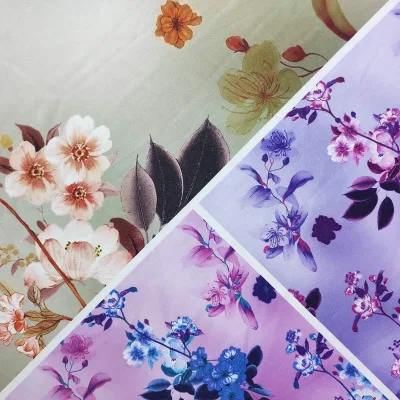

High Quality Multiple Color Options Camouflage Printed Polyester Cotton Fabric
$1.00 - $2.00
MOQ: 3000 Yards


Polyester Cotton Tear-Proof Plaid Middle East Digital Camouflage Fabric
$1.88 - $3.64
MOQ: 1000 Meters


Camouflage Cloth Outdoor Fabric Plain 100% Polyester Microfiber Peach Printed Fabric
$1.88 - $3.64
MOQ: 1000 Meters
Comprehensive Sourcing Guide
Strategic Sourcing Guide for Digital Printed Camouflage Polyester Fabric
Understanding Technical Specifications and Material Composition
When sourcing Digital Printed Camouflage Polyester Fabric, the primary objective is to align the material's inherent properties with the intended end-use application. The core keyword suggests a specific intersection of digital printing technology and camouflage aesthetics, yet the available market data reveals a complex landscape of variations. Buyers must first recognize that "polyester" in this context often manifests as a Polyester-Cotton blend or a 100% polyester composition, depending on the specific supplier's inventory. The technical specifications for width are frequently standardized at 57/58 inches, a critical dimension for pattern alignment and cutting efficiency in garment manufacturing.
The weight of the fabric is a significant variable, with observed ranges spanning from 18 to 220 GSM. This wide spectrum indicates that the same keyword can apply to lightweight linings or heavy-duty tactical gear. For applications requiring durability, such as military use or automotive interiors, buyers should look for specifications indicating high strength and tear-resistant properties. The fiber cross-section and yarn type also play a pivotal role; some listings reference textured yarn or specific denier counts like 400d, 500d, 600d, and up to 1200d. These denier ratings directly correlate with the fabric's tensile strength and abrasion resistance.
Furthermore, the production technique is a defining characteristic. While the core keyword emphasizes "digital printed," the observed data includes both Transfer Printing and Penetration Printing methods. Digital printing allows for high-resolution camouflage patterns with complex color gradients, whereas transfer printing may offer different color fastness profiles. The "Yarn Dyed" attribute appears in multiple contexts, suggesting that some fabrics achieve their camouflage effect through the dyeing of the yarn itself before weaving, while others rely on surface printing. Buyers must verify whether the camouflage pattern is applied via surface printing or if the fabric utilizes a yarn-dyed construction, as this affects the depth of color and the fabric's overall durability against fading.
Compliance, Certification, and Functional Attributes
In the B2B procurement of technical textiles, compliance and functional attributes are non-negotiable. The sourcing guide must emphasize the verification of specific functional claims. The observed product data lists several critical performance features, including tear-resistance, waterproofing, and flame retardancy. These are not merely marketing terms but essential specifications for industries such as military, aerospace, and automotive interiors. For instance, fabrics intended for military use or outdoor gear must demonstrate robust waterproof capabilities, often achieved through PU, PVC, or Uly coatings. The availability of optional coatings like PU, Uly, or PVC allows buyers to tailor the fabric to specific environmental conditions.
However, the presence of these functional claims requires rigorous verification. Buyers should not assume that every listed product meets these standards without testing. The "Physical Feature" of high strength is a common observation, but the specific metrics for tear strength or water column pressure must be confirmed through third-party test reports. Similarly, while flame retardancy is listed as a function, the specific standard to which the fabric is tested (e.g., NFPA, EN, or ISO standards) is not explicitly detailed in the general observations. Procurement teams must request documentation proving that the fabric meets the relevant safety standards for their specific region and application.
The origin of the product is another compliance factor. The majority of the observed data points to China as the production origin. While this is a common hub for textile manufacturing, it necessitates a thorough review of the supplier's ability to provide consistent quality control and adherence to international trade regulations. Additionally, the product standard "S-XXXL" appears in the data, which seems to refer to garment sizing rather than fabric standards, highlighting the need for buyers to distinguish between fabric specifications and finished product sizing when evaluating supplier catalogs.
Cost Drivers and Pricing Dynamics
The economics of sourcing Digital Printed Camouflage Polyester Fabric are influenced by several interconnected factors. The observed price range in the market spans from $0.30 to $5.00 USD per unit, a variance that reflects differences in material composition, weight, and finishing treatments. A fabric weighing 18 GSM will naturally cost significantly less than one weighing 220 GSM, assuming similar base material costs. The inclusion of coatings such as PU or PVC adds to the production cost, thereby increasing the final price. Similarly, the complexity of the camouflage pattern and the printing method used (digital vs. transfer) can impact the unit price.
Minimum Order Quantity (MOQ) is a critical cost driver. The data indicates a wide range of MOQs, from as low as 1 unit to as high as 5000 units, with a specific observation of 1000 meters being a common threshold. Suppliers with lower MOQs may charge a premium per meter to cover setup costs for digital printing, whereas larger orders benefit from economies of scale. Buyers must balance their inventory needs against the cost implications of higher MOQs. For startups or those testing new designs, suppliers offering lower MOQs are essential, even if the per-unit cost is higher. Conversely, established manufacturers with high-volume requirements should negotiate based on the 1000-meter or higher thresholds to secure better pricing.
Lead times also play a role in the total cost of ownership. An observed delivery window of 15-20 days suggests a standard production cycle, but this can vary based on the complexity of the order and the supplier's current capacity. Rush orders or custom specifications may incur additional costs or require longer lead times. Buyers should factor in these logistics costs when calculating the total landed cost of the fabric, ensuring that the budget accounts for potential delays or expedited shipping fees.
Typical Applications and Industry Use Cases
The versatility of Digital Printed Camouflage Polyester Fabric makes it suitable for a diverse array of applications. The observed data highlights usage in garments, shoes, hats, and military equipment. The "Camouflage" style and "Plain" pattern attributes suggest that this fabric is primarily designed for tactical or outdoor aesthetics, but its functional properties extend to industrial and home textile uses. For the garment industry, the fabric's weight and breathability are key factors. Lightweight versions are ideal for summer uniforms or casual wear, while heavier variants are better suited for jackets, coats, and protective gear.
In the footwear and bag industry, the fabric's durability is paramount. The "Yarn Dyed" and "High Strength" attributes make it an excellent candidate for backpacks, luggage, and tactical bags. The availability of coated options like PU and PVC enhances the fabric's resistance to water and abrasion, which is crucial for outdoor gear. The "Automotive Interior" and "Aerospace Field" applications indicate that the fabric can also be used for vehicle upholstery or specialized equipment covers, where flame retardancy and high strength are critical safety requirements.
The following table summarizes the potential applications based on the observed functional attributes and material specifications:
| Application Sector | Key Fabric Requirements | Relevant Observed Attributes |
|---|---|---|
| Military & Tactical | High durability, camouflage pattern, water resistance | Tear-Resistant, Waterproof, Camouflage Style, 600D+ Spec |
| Garment & Apparel | Breathability, soft hand feel, print clarity | Polyester-Cotton Blend, 18-220 GSM, Transfer Printing |
| Footwear & Bags | Abrasion resistance, structural integrity | High Strength, PU/PVC Coated, 400d-1200d Spec |
| Home & Industrial | Flame retardancy, aesthetic versatility | Flame Retardant, Plain/Camo Pattern, Warp Knitting |
| Automotive & Aerospace | Safety compliance, high tensile strength | Flame Retardant, High Strength, Specific Denier Counts |
Supplier Evaluation and Sourcing Strategy
Evaluating suppliers for Digital Printed Camouflage Polyester Fabric requires a multi-faceted approach. The first step is to verify the supplier's capability to meet the specific technical requirements identified in the sourcing guide. Buyers should request samples that demonstrate the claimed attributes, such as the exact GSM, width, and coating quality. It is essential to confirm whether the supplier uses Transfer Printing or Penetration Printing, as this affects the final look and feel of the camouflage pattern.
The supplier's production capacity and lead time are also critical factors. With an observed delivery time of 15-20 days, buyers should assess whether the supplier can consistently meet this timeline during peak seasons. Additionally, the MOQ flexibility should be evaluated against the buyer's inventory strategy. Suppliers offering MOQs of 1000 meters are common, but those with lower thresholds may be necessary for prototyping or small-batch production.
Quality control is another vital aspect of supplier evaluation. Buyers should inquire about the supplier's internal quality assurance processes and their ability to provide test reports for functional claims like tear resistance and flame retardancy. The packaging method, whether by roll or carton, should also be confirmed to ensure the fabric arrives in good condition. The "Package Includes" data suggests that some suppliers provide polybags and labels, while others include backpacks, indicating a need to clarify packaging requirements during the negotiation phase.
Quality Control and Long-Term Procurement Considerations
Implementing a robust quality control (QC) protocol is essential for maintaining the integrity of the supply chain. Buyers should establish clear acceptance criteria based on the observed specifications, such as the 57/58-inch width and the 18-220 GSM weight range. Regular inspections should be conducted to verify the consistency of the camouflage pattern and the quality of the digital print. Color fastness testing is particularly important for camouflage fabrics, as fading can compromise the aesthetic and functional value of the product.
Long-term procurement considerations involve building a relationship with reliable suppliers who can scale with the buyer's needs. The observed data suggests that many suppliers offer customizable options, including custom weights and specific denier counts. This flexibility allows buyers to adapt to changing market demands without switching suppliers. However, buyers must ensure that the customization process does not compromise the fabric's core properties.
Sustainability and ethical sourcing are increasingly important in the textile industry. While the provided data does not explicitly mention certifications, buyers should proactively inquire about the supplier's environmental practices and labor standards. The use of polyester, a synthetic fiber, raises questions about recyclability and microplastic shedding. Buyers may need to explore suppliers who offer recycled polyester options or have implemented water-saving technologies in their printing processes.
Finally, the procurement strategy should include a contingency plan for supply chain disruptions. Given the global nature of the textile market, relying on a single supplier can be risky. Diversifying the supplier base and maintaining a buffer stock of critical materials can help mitigate the impact of delays or quality issues. By focusing on technical specifications, functional performance, and supplier reliability, buyers can secure a steady supply of high-quality Digital Printed Camouflage Polyester Fabric that meets their specific operational needs.
FAQs
What is the typical weight range for this fabric?
The fabric weight ranges from 18 to 220 GSM depending on the specific product model. This wide spectrum allows selection for lightweight linings or heavy-duty tactical gear applications.
Which printing techniques are available for this material?
Available techniques include Transfer Printing and Penetration Printing methods. Digital printing allows for high-resolution patterns, while yarn-dyed options may offer different color fastness profiles.
Can I find this fabric with waterproof and flame retardant functions?
Yes, the fabric often features tear-resistant, waterproof, and flame retardant properties. These functional attributes are essential for military, automotive, and aerospace field applications requiring safety compliance.
What is the standard width specification for this fabric?
The standard width is typically 57/58 inches. This dimension is critical for pattern alignment and cutting efficiency in garment manufacturing and other textile applications.
How does the MOQ vary for different product models?
Minimum Order Quantities range from 1 to 5000 units, with 1000 meters being a common threshold. Suppliers with lower MOQs may charge a premium per meter to cover setup costs.
What coating options are available for this polyester fabric?
Optional coatings include PU, Uly, and PVC to enhance water resistance. These coatings allow buyers to tailor the fabric to specific environmental conditions for bags, luggage, and outdoor gear.