Source Digital Therapy Machine for Home, Clinic, and Spa
Explore 30 verified listings for the Digital Therapy Machine, comparing features like ultrasonic output, TENS capabilities, and customization options. Buyers can evaluate specifications from manufacturers in China to find suitable solutions for full-body or localized treatment needs; compare the available evidence and request quotations based on your requirements.
Key considerations
Products List




Ultrasound Therapy Machine for Pain Relief Ultrasound Therapy Machine
$199.00 - $2999.00
MOQ: 1 Pieces

Physical Therapy Machine Diabetic Treatment Instrument Medical Health
$15000.00 - $17000.00
MOQ: 1 Pieces

Diabetic Treatment Instrument Physical Therapy Rehabilitation Equipment Medical Health
$15000.00 - $17000.00
MOQ: 1 Pieces


Advanced Shock Wave Therapy Machine for Rehabilitation and Pain Relief
$1699.00 - $1799.00
MOQ: 1 Pieces


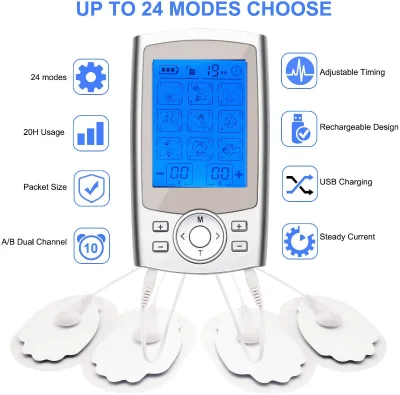
Cost-Effective Portable Acupuncture Electronic Pulse Massager Smart Digital Therapy Machine
$3.80 - $4.00
MOQ: 1000 Pieces

Cold Therapy Machine Postoperative Rehabilitation Treatment Medical Equipment
$75.00 - $120.00
MOQ: 500 Sets
Comprehensive Sourcing Guide
Digital Therapy Machine Sourcing Guide
Sourcing digital therapy machines requires a disciplined approach to distinguishing between general wellness devices and regulated medical equipment. Buyers must first clarify the intended use case, as the regulatory burden and technical specifications vary significantly between consumer-grade massagers and clinical-grade therapeutic units. The observed market includes products ranging from simple TENS units to complex ultrasound therapy systems, each serving different physiological needs. Understanding this distinction is critical for aligning procurement with both operational requirements and legal compliance in the destination market.
Procurement teams should evaluate the product attributes against their specific clinical or retail objectives. For instance, some listings indicate "Full Body" application with musical functions, suggesting a focus on relaxation and general wellness rather than targeted tissue repair. Conversely, other models specify "Tissue Repair" functions with precise ultrasound frequencies, indicating a more specialized medical application. This divergence means that a single sourcing strategy cannot cover all variants; buyers must segment their requirements to ensure they are evaluating the correct technological class for their end-users.
Product Scope and Observed Listing Signals
The current market landscape for digital therapy machines exhibits a wide variance in product naming and functional claims. Listings frequently use terms like "Health Therapy Machine," "Ultrasound Therapy Machine," or "TENS Massager" to describe devices that may share similar hardware but differ in intended therapeutic outcomes. Buyers should note that some products are explicitly labeled for "Home Personal Massager" usage, while others support OEM/ODM customization, indicating a B2B focus. This ambiguity necessitates careful review of the product description to determine if the device is intended for casual consumer use or professional clinical settings.
Observed listing signals also reveal significant diversity in packaging and physical specifications. Some units are packed in small color boxes with dimensions around 21015050mm, suitable for individual retail sale, while others come in larger carton packages measuring 383016cm, potentially indicating bulk or multi-unit shipments. The presence of accessories such as electrode pads, USB cables, and specific massager heads further defines the product scope. Buyers must verify that the included accessories match the clinical or usage requirements, as missing components can impact the device's effectiveness and user experience.
Technical Specifications to Verify
Technical verification is paramount when sourcing digital therapy devices, particularly regarding power sources and output capabilities. Buyers should confirm whether the device operates on USB power for portability or requires AC input with specific voltage ranges, such as 100-240V AC / 50Hz. For ultrasound-based models, critical parameters include the operating frequency, such as 1.05MHz, and the output power, which may be listed as below 3W/Cm2 or a total of 5.0W. These specifications directly influence the depth of tissue penetration and the therapeutic efficacy of the device, making them non-negotiable points for verification.
Additional technical attributes include the presence of an LCD display, adjustable time settings, and intensity controls. Devices with digital features often allow for precise adjustment of treatment duration, typically ranging from 5 to 30 minutes, and intensity levels that can be fine-tuned to user tolerance. Buyers should also inspect the beam style, such as straight beams for ultrasound, and the non-uniform beam coefficient, which affects treatment uniformity. Ensuring that these technical details align with the intended application prevents mismatches between supplier claims and actual device performance.
Compliance and Safety Documentation
Compliance documentation is the most critical aspect of sourcing medical or therapeutic devices, as it determines market access and liability. Buyers must verify that suppliers provide valid certifications such as CE, FDA, ISO, or other regional standards. The presence of multiple certifications, including ISOMSDS and EEC, suggests a higher level of regulatory adherence, but buyers should independently validate these documents with the issuing authorities. Relying solely on supplier-provided certificates without verification exposes the buyer to significant legal and financial risks in regulated markets.
Safety standards also encompass electrical safety and electromagnetic compatibility, which are often covered under broader certification frameworks. Buyers should request test reports that confirm the device meets specific safety limits for leakage current, insulation resistance, and electromagnetic interference. For devices with USB power sources, verifying compliance with USB charging standards ensures safe operation and prevents damage to connected devices. Additionally, understanding the warranty terms, such as a one-year warranty, provides a baseline for after-sale support, but buyers should clarify the scope of coverage for electronic components and consumables like electrode pads.
Cost Drivers and Commercial Terms
Cost structures for digital therapy machines are influenced by several factors, including the complexity of the electronic components, the quality of materials, and the level of customization required. Devices with advanced features such as LCD displays, digital controls, and specialized ultrasound transducers typically command higher prices than basic TENS units. Buyers should also consider the impact of packaging choices, as custom color boxes and branded packaging can increase per-unit costs. Understanding these drivers helps in negotiating realistic price points and avoiding unexpected surcharges during the procurement process.
Commercial terms, including MOQ and lead times, vary significantly across suppliers and product types. Observed MOQ ranges from 1 to 1000 units, allowing for flexibility in initial orders, but buyers should be aware that lower MOQs may come with higher per-unit prices. Lead times are not explicitly stated in the provided data, so buyers must directly inquire about production schedules and shipping durations. Additionally, payment terms and shipping responsibilities, such as FOB or CIF, should be clearly defined in the contract to avoid disputes. Clear communication on these terms ensures a smooth transaction and predictable cash flow management.
Supplier Qualification and Quality Control
Supplier qualification involves assessing the manufacturer's capability to produce consistent, high-quality devices. Buyers should verify the supplier's production capacity, quality management systems, and history of compliance with international standards. Suppliers who offer OEM/ODM services often have more flexible manufacturing processes, but this flexibility must be balanced with rigorous quality control measures. Buyers should request samples to evaluate build quality, functionality, and user interface before committing to larger orders, as this step is crucial for identifying potential defects or performance issues.
Quality control protocols should include incoming material inspections, in-process checks, and final product testing. Buyers should inquire about the supplier's testing procedures for electrical safety, acoustic output, and durability. For ultrasound devices, verifying the consistency of the beam output and intensity calibration is essential. Additionally, suppliers should provide clear instructions for packaging and handling to prevent damage during transit. Establishing a robust quality control framework with the supplier ensures that the delivered products meet the specified standards and reduces the risk of returns or complaints.
Long-Term Procurement Checks
Long-term procurement success depends on establishing a sustainable relationship with suppliers who can support ongoing needs and future product iterations. Buyers should monitor supplier performance metrics, such as on-time delivery rates, defect rates, and responsiveness to issues. Regular audits or reviews of the supplier's quality management system can help identify areas for improvement and ensure continued compliance with regulatory standards. Building a partnership based on transparency and mutual benefit fosters reliability and reduces the friction associated with supply chain disruptions.
Additionally, buyers should stay informed about evolving regulations and technological advancements in the digital therapy market. Changes in certification requirements or new safety standards may necessitate updates to existing product lines or the sourcing of new suppliers. Maintaining a diversified supplier base can mitigate risks associated with single-source dependencies. Finally, collecting feedback from end-users on product performance and usability can provide valuable insights for future procurement decisions, ensuring that the sourced devices continue to meet market demands and customer expectations.
FAQs
How does a Digital Therapy Machine work for home use?
A Digital Therapy Machine uses electronic pulses or ultrasonic energy delivered through electrode pads or a treatment head to stimulate muscles and tissue. You select the intensity level, set a session time, typically adjustable between five and thirty minutes, and place the pads on the target area. Models are designed for home personal use with USB or mains power.
What is included in a typical Digital Therapy Machine package?
A standard package usually contains the massager unit, a set of electrode pads, and a USB cable, with some listings specifying sixteen pads per set. Units are packed in color boxes or cartons depending on the model, and single gross weight is often around 0.350 kilograms. Always confirm the exact contents with the supplier before ordering.
Which certifications should I check before sourcing a Digital Therapy Machine?
Look for CE certification as a baseline requirement, and check whether suppliers also list FDA, ISO, MSDS, or EEC documentation for specific models. Certification can vary by product line, so request copies of the actual certificates rather than relying on listing claims. This is especially important for health and therapy devices entering regulated markets.
Can a Digital Therapy Machine be customized with my own branding?
Yes, customization and OEM or ODM services are commonly available for these machines, including branding and packaging adjustments. Suppliers typically welcome custom requirements, so provide your logo files, packaging preferences, and target specifications early in the negotiation. Confirm minimum order quantities and any extra tooling or printing costs before placing your order.
What warranty and after-sale service can buyers expect?
Many suppliers offer a one-year warranty on digital therapy machines, along with return and replacement after-sale service. Terms vary between suppliers and models, so confirm the warranty scope, what defects are covered, and who pays return shipping before ordering. Keep records of any agreements in your purchase contract for reference.
How long is a typical treatment session and what settings are adjustable?
Session time is commonly adjustable between five and thirty minutes, allowing short targeted sessions or longer treatments. Intensity levels are also adjustable, with ultrasonic models offering settings from around 0.8 to 2.5 and output power below 3W per square centimeter. Start at low intensity and increase gradually based on comfort during home use.
What technical specifications matter when comparing digital therapy machines?
Key specifications include power source such as USB operation, voltage ratings like 100-240V AC at 50Hz for mains models, ultrasonic operating frequency around 1.05MHz, and output power ratings. Also check LCD display presence, electrode pad count, material quality, and operating ambient conditions of roughly five to forty degrees. Compare these values across models before selecting.
Can I order small quantities of a Digital Therapy Machine first?
Yes, minimum order quantities vary widely, with some suppliers accepting single-unit orders and others requiring larger batches up to 1000 units. Small trial orders let you test product quality and packaging before committing to volume. Ask suppliers about sample availability and how pricing changes at different quantity tiers during your inquiry.