Source Disposable 8oz Paper Coffee Cup for Tea, Hot, Cold Cups
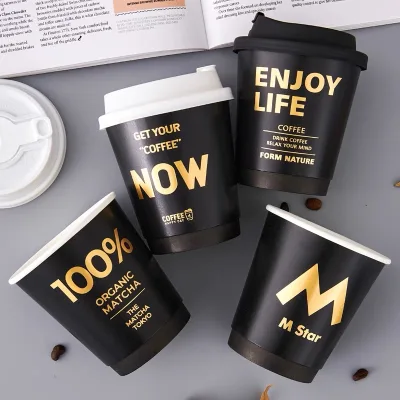
Compare 30 listings for the Disposable 8oz Paper Coffee Cup from suppliers in China. Options include custom printing, various capacities, and eco-friendly materials for hot, cold, and tea beverages; compare the available evidence and request quotations based on your requirements.
Updated
Key considerations
Products List


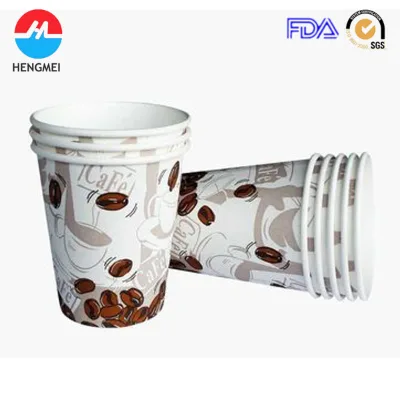
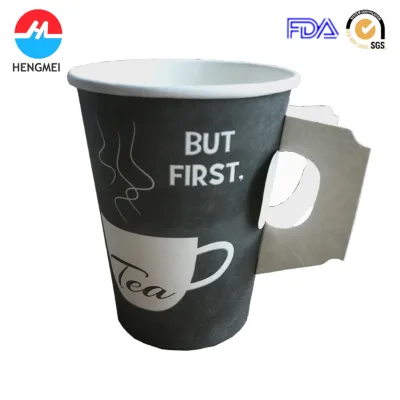


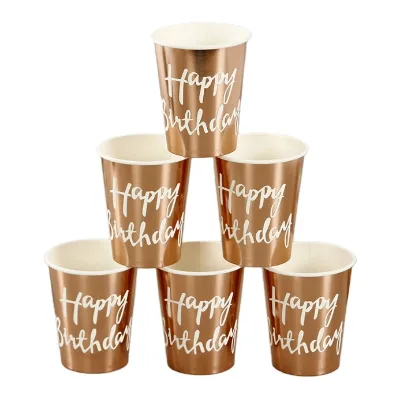
Custom 6oz 8oz Single Double Triple Wall Biodegradable Disposable Coffee Paper Cup
$0.0104 - $0.0311
MOQ: 1000000


8oz Compostable Paper Cups Semi Colored Disposable Paper Coffee Cups
$0.006 - $0.007
MOQ: 50000 Pieces



Comprehensive Sourcing Guide
Disposable 8oz Paper Coffee Cup Sourcing Guide
Procurement teams must first distinguish between general paper cups and specific beverage-grade containers when evaluating listings. The available data indicates that while many products are labeled as paper cups, some entries explicitly describe toilet paper or generic paper products, creating a risk of misclassification. Buyers should verify that the product name and usage fields explicitly state "Hot Cup," "Cold Cup," or "Tea Cup" to ensure the item is suitable for liquid containment rather than dry goods.
Verification of the specific model number is critical before initiating any order, as the market contains distinct SKUs like EB-A0455, KR-8oz, and PC-RW-014. Each model may carry different technical attributes regarding printing methods or capacity, with some listings specifying 10 oz or 8 oz capacities while others list a broad range of 2.5 to 22 oz. Focusing on the exact model number ensures that the supplier provides the precise dimensions and structural integrity required for an 8oz coffee application.
Product Scope and Observed Listing Signals
Buyers should analyze the observed price range of 0.01 to 9.75 USD to understand the variance in product quality and order volume. This wide spectrum suggests that lower prices often correlate with higher minimum order quantities, such as the 1,000,000 unit threshold seen in some listings, while higher prices may reflect smaller batches or premium customization features. Understanding this correlation helps procurement teams budget accurately for different stages of their supply chain, from initial sampling to full-scale production runs.
The customization options available in the market are extensive, with many suppliers offering silk screen printing, flexographic printing, or laser logo application. However, the "Without Lid" attribute is a common specification that buyers must explicitly confirm, as the absence of a lid can significantly impact the usability of the cup for hot beverages. Procurement teams should ensure that the final product specification includes any necessary lids or sleeves if the intended use requires spill prevention or thermal insulation.
Technical Specifications to Verify
Technical due diligence requires confirming the paper weight and layer composition to guarantee leak resistance and thermal stability. The supplied context highlights a specific construction of 280gsm paper with an 18PE coating, which is a standard for food-grade disposable cups. Buyers must verify that the supplier uses food-grade paper and that the PE coating is applied correctly to prevent oil and water penetration, ensuring the cup maintains its structural integrity during the consumption of hot liquids.
Printing techniques vary significantly between suppliers, with options including silk screen and eco-friendly flexographic printing. The choice of printing method affects the durability of the logo and the overall aesthetic of the final product. Buyers should request samples to test the adhesion of the print and ensure that the ink does not flake off or bleed when the cup is filled with hot liquids, as this can compromise the brand image and customer experience.
Compliance and Safety Documentation
Safety is a paramount concern, and buyers must verify that the product is explicitly described as healthy and environmentally friendly. The market data includes claims of eco-friendly features and food-grade paper usage, which are essential for compliance with food safety regulations in various regions. Procurement teams should request documentation proving that the materials used meet local food contact standards, as the absence of such verification can lead to regulatory penalties and product recalls.
While some background information mentions FSC certification, this should not be assumed as a guaranteed attribute for every listed product. Buyers must explicitly ask for current certification documents rather than relying on general market trends or unverified background notes. Ensuring that the supplier can provide valid, up-to-date proof of environmental and safety compliance is a critical step in mitigating supply chain risks and maintaining brand integrity.
Cost Drivers and Commercial Terms
Payment terms are a significant factor in the total cost of ownership, with common structures including 25% or 30% T/T deposits followed by the balance before shipment. These terms vary by supplier and can impact cash flow management for the buyer. Procurement teams should negotiate terms that align with their financial policies, ensuring that the deposit percentage is reasonable and that the balance payment is contingent upon the successful completion of quality inspections before the goods leave the factory.
Lead times and delivery details are equally critical, with observed ranges spanning from 15 to 60 days depending on the order confirmation and production schedule. Some suppliers offer a delivery window of 15-20 working days, while others may require 45-60 days after order confirmation. Buyers must account for these variations in their inventory planning to avoid stockouts, and they should clarify whether the quoted lead time includes sample production time, which is typically 10-15 days.
Supplier Qualification and Quality Control
Supplier qualification involves verifying the origin and production standards of the manufacturer, with notable origins including Fujian, Shandong, and Anhui provinces in China. The location of the factory can influence logistics costs and the speed of communication, so buyers should assess whether the supplier's location aligns with their logistical strategy. Additionally, the claim of "100% Exporter Standard" quality should be validated through third-party audits or on-site inspections to ensure consistency across all production batches.
Quality control processes must be robust, with suppliers offering sample times of 10-15 days to allow for thorough evaluation before mass production. Buyers should utilize these samples to test the cup's capacity, printing quality, and overall durability. Establishing a clear quality control protocol that includes pre-shipment inspections is essential to ensure that the final products meet the agreed-upon specifications and that any defects are identified and rectified before the goods are shipped.
Long-Term Procurement Checks
Sustainable sourcing requires ongoing monitoring of supplier performance and product consistency over time. Buyers should establish a system for regular quality audits and performance reviews to ensure that the supplier continues to meet the required standards for paper weight, printing quality, and safety compliance. This proactive approach helps in identifying potential issues early and maintaining a reliable supply chain that can adapt to changing market demands.
Long-term relationships with suppliers can be strengthened by clear communication regarding customization needs and delivery expectations. Buyers should maintain open lines of communication to discuss any changes in order volume, design requirements, or regulatory updates. By fostering a collaborative partnership, procurement teams can ensure a steady supply of high-quality disposable 8oz paper coffee cups that meet the evolving needs of their business and end consumers.
FAQs
Can I customize the logo on these paper cups?
Yes, customization is available for your brand identity. You can laser your own logo or use custom printing options. The products support simple styles and are designed for hot or cold beverages. This allows businesses to maintain consistent branding across their service offerings while ensuring the cups meet standard export quality requirements.
What is the typical lead time for orders?
Delivery details vary by supplier but generally range from 15 to 60 days after order confirmation. Some manufacturers offer a delivery term of 15-20 working days, while others may require up to 60 days. Buyers should confirm specific timelines with their chosen vendor to align with their inventory planning and distribution schedules effectively.
What is the minimum order quantity for these cups?
The minimum order quantity typically ranges from 500 to 1,000,000 pieces depending on the supplier. Specific listings indicate an MOQ of 10,000 pieces for certain models. Buyers should verify the exact MOQ with the manufacturer, as bulk orders often benefit from more favorable pricing and production scheduling options.
Are these cups suitable for both hot and cold drinks?
Yes, these paper cups are designed for use with hot cups, cold cups, tea cups, and drinking cups. They are constructed from food-grade paper with PE lining to ensure safety and functionality. The eco-friendly features and sturdy build make them versatile for various beverage services in commercial settings.
What payment terms are commonly accepted?
Common payment terms include a deposit and balance structure. One standard method requires a 25% T/T deposit with a 75% T/T balance before shipment. Another option involves a 30% T/T deposit and a 70% T/T balance before shipment. These terms help secure production while managing cash flow for both parties.
Where are these paper cups manufactured?
These products originate from various locations in China, including Fujian, Shandong, and Anhui provinces. Specific models are produced in Weifang, Shandong, or other regional hubs. Buyers can select suppliers based on geographic preference to potentially reduce logistics costs or align with existing supply chain networks.
Is sample availability provided before bulk ordering?
Samples are often available to verify quality and customization options. Some suppliers offer free samples with a sample time of 10-15 days. This allows buyers to assess the paper weight, printing quality, and overall durability before committing to a larger production run, ensuring the product meets their specific requirements.