Waterproof Paperboard Cosmetic Packaging Box Suppliers and Manufacturers
Explore 31 verified options for Waterproof Paperboard Cosmetic Packaging Box from China. Compare response times, lead times, certifications like MSDS and GMP, and customization capabilities. Contact suppliers directly to request samples and confirm pricing; review the available evidence before requesting comparable quotations from suitable candidates.
Updated
Suppliers List

Shanghai Yini Printing Co., Ltd.
- Verified by SGS
- Trading Company
- China Shanghai
- Lead time15 days
- Avg. response≤ 1h
Main productsPaper Gift Box, Custom Paper Box, Cosmetic Box, Corrugated Box, Paper Bag, Folding Box, Magnetic Box, Drawer Box, Mailer Box, Shipping Box
Main marketsDomestic


Custom Cosmetic Packaging Box Cosmetic Box Cardboard Paper Box Packaging
$0.05 - $0.13
MOQ: 1000 Pieces

Brand Cosmetic Packaging Paper Box Makeup Gift Cosmetic Paper Box Packaging
$0.80 - $2.80
MOQ: 500 Pieces

Skin Care Cosmetics Makeup Paper Packaging Gift Box Cosmetic Packaging Box
$0.05 - $0.13
MOQ: 1000 Pieces

Custom Gift Box Packaging Cardboard Paper Packing Box Packaging Box Cosmetic Box
$0.05 - $0.15
MOQ: 1000 Pieces
Guangzhou Boxwork Packaging Technology Co., Ltd.
- Manufacturer, Trading Company
- Guangdong, China
- Lead time13 days
- Avg. response≤ 13h
Main productsMailer Box,Rigid Box,Drawer Box,Lid And Base Box,Paper Bags And Cards
Main marketsNorth America(25.00%), Southern Europe(15.00%), Domestic Market(5.00%), South Asia(5.00%), South America(5.00%), Northern Europe(5.00%), Central America(5.00%), Western Europe(5.00%), Eastern Asia(5.00%), Mid East(5.00%), Oceania(5.00%), Africa(5.00%), Southeast Asia(5.00%), Eastern Europe(5.00%)

Guangzhou King Style Trading Co., Ltd.
- Verified by TUVRHEINLAND
- Trading Company
- China Guangdong
- Lead time23 days
- Avg. response≤ 14h
Main productsPerfume, Cosmetics, Fragrance, Perfume Oil, Brand Perfume, Make up, Face Care
Main marketsSouth America,Eastern Europe,Mid East,North America,Southeast Asia,Eastern Asia,Western Europe,Africa

Fuzhou Xinyao Supply Chain Co., Ltd
- Verified by SGS
- Manufacturer
- China Fujian
- Lead time23 days
- Avg. response≤ 3h

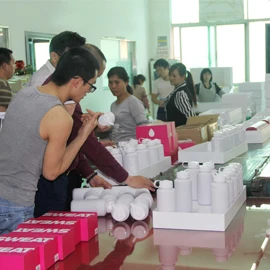
Customized Eco-Friendly Foldable Rigid Paperboard Paper Cosmetic Packaging Box
$0.30 - $0.40
MOQ: 500 Pieces

Shenzhen Aplus Printing And Packagings Limited
- Trading Company
- Guangdong, China
- Lead time7 days
- Avg. response≤ 24h
Main productsBoxes,Books,Bags,Stationery,Mailing Bag
Main marketsOceania(30.00%), Domestic Market(20.00%), North America(20.00%), Mid East(15.00%), Western Europe(15.00%)
Shenzhen Betterlife Technology Co., Ltd.
- Verified by Intertek
- Trading Company
- Lead time5 days
- Avg. response≤ 4h
Main productsPackaging, Accessories, Plastic Tube, Mylar Bag
Main marketsWestern Europe(45%), North America(15%), Eastern Europe(10%)
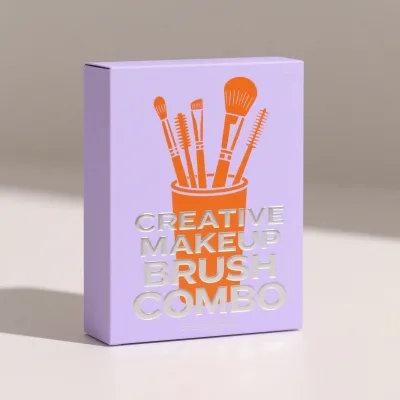
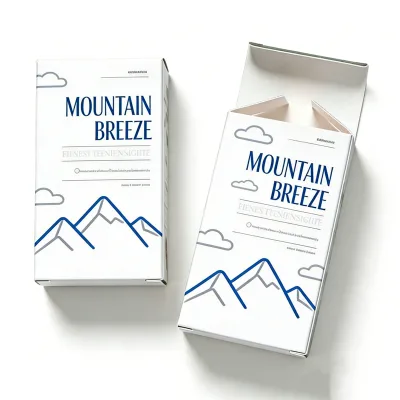
$0.1543 - $0.2562
MOQ: 1 pieces
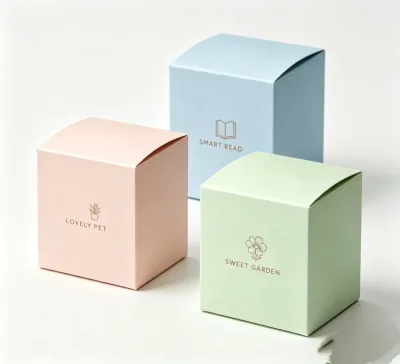
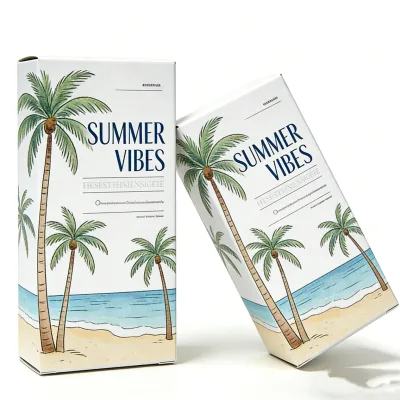
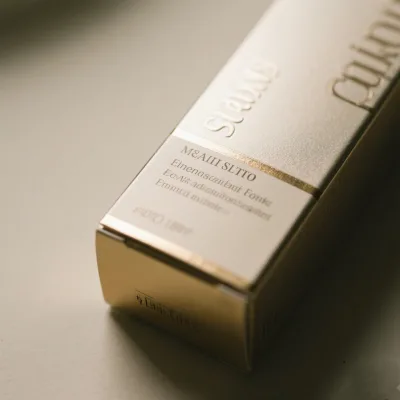
$0.1543 - $0.2562
MOQ: 1 pieces
Guangzhou Hai Pai Packaging Products Co., Ltd.
- Verified by Intertek
- Manufacturer, Trading Company
- Lead time0 days
- Avg. response≤ 3h
Main productsPaper Box, Gift Box, Paper Bag
Main marketsDomestic Market(23%), North America(17%), Eastern Europe(13%)

Shanghai Woods Packaging Co., Ltd.
- Verified by CTI
- Combined
- China Shanghai
- Lead time15 days
- Avg. response≤ 10h
Main productsGift Box, Paper Box, Carton Box, Pizza Box, Paper Gift Box, Carton Cardboard Box
Main marketsAustralia,North America

- Trading Company,Manufacturer/Factory
- China Zhejiang
- Lead time23 days
- Avg. response≤ 6h
Main productsKeychain, Patch, Paper Air Freshener, Car Perfume Bottle, Stickers, Badge, Packaging Box, Air Freshener Bottle
Main marketsSouth America,Eastern Europe,Mid East,North America,Southeast Asia,Eastern Asia,Western Europe

High Quality Elegant Custom Packing Cosmetics Paper Cardboard Packaging Box
$0.10 - $0.15
MOQ: 2000 Pieces


Huizhou Green Foil Insulation Co., Ltd.
- Verified by BV
- Combined
- China Guangdong
- Lead time15 days
- Avg. response≤ 2h
Main productsCooler Bag, Gift Bag, Gift Box, Insulated Bag, Color Printed Box, Jewelry Box, Paper Bag, Paper Box, Packaging Box, Insulated Mailer
Main marketsEast Asia(Japan/ South Korea),Europe,North America


Custom Logo Printing Durable Cardboard Paper Perfume Packaging Cosmetic Skin Care Box
$0.08 - $0.10
MOQ: 1000 Pieces


Guangzhou Blf Packing Co., Ltd.
- Verified by TUVRHEINLAND
- Combined
- China Guangdong
- Lead time15 days
- Avg. response≤ 7h
Main productsPaper Bag, Paper Box, Gift Box, Non Woven Bag, Book, Tag, Sticker, Air Freshener, Cards, Jewelry Box
Main marketsOthers(foreignTradeCapacity.exportBusinessCapacityMarketOther),Europe,North America
Shanghai Hanchang Printing Co., Ltd.
- Verified by SGS Group
- Manufacturer, Trading Company
- Lead time15 days
- Avg. response≤ 9h
Main productsPaper box, Paper bag, Commercial printing paper products
Main marketsNorth America(35%), Western Europe(27%), Oceania(17%)
Guangzhou Hongsheng Printing Technology Co., Ltd.
- Trading Company, Buying Office, Distributor/Wholesaler
- Guangdong, China
- Lead time7 days
- Avg. response≤ 4h
Main productscustom paper box,gift box,folding box,food packaging,cosmetics packaging
Main marketsNorth America(50.00%), Eastern Europe(20.00%), Oceania(15.00%), Northern Europe(5.00%), Mid East(5.00%), Southeast Asia(5.00%)
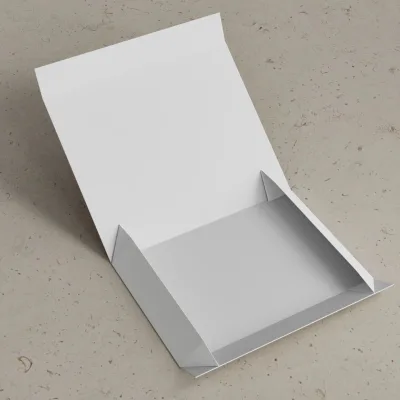
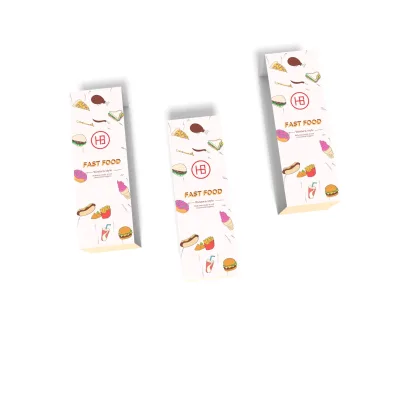
Premium Quality Paper Boxes with Packaging Paper Sleeves for Skin Care Products
$0.07 - $0.20
MOQ: 1000

Shanghai Coffe Packing Group Co., Ltd.
- Verified by CTI
- Combined
- China Shanghai
- Lead time15 days
- Avg. response≤ 7h
Main productsPaper Gift Box, Carton Cardboard Box, Gift Box, Paper Box, Carton Box, Cardboard Box, Corrugated Box, Packaging Box, Paper Packaging, Paper Carton
Main marketsDomestic,Europe,Australia,North America
- Verified by SGS Group
- Manufacturer, Trading Company
- Lead time0 days
- Avg. response≤ 3h
Main productsPaper Gift Box, Paper Folding Box, Magnetic Closure Box, Stationery Gift Box, Drawer Paper Box
Main marketsNorth America(45%), Western Europe(15%), Oceania(10%)
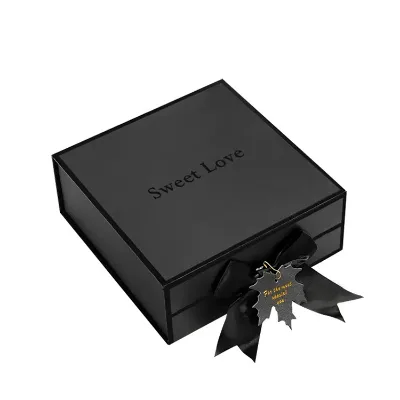
$0.5138 - $1.9085
MOQ: 500 Minimum
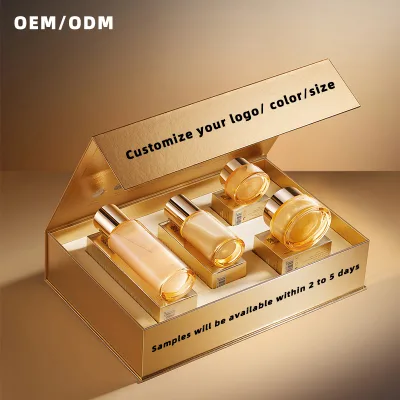
$0.5168 - $1.9204
MOQ: 500 Minimum

- Trading Company,Manufacturer/Factory,Group Corporation,Other
- China Zhejiang
- Lead time23 days
- Avg. response≤ 7h
Main productsPaper Box, Kraft Paper Bag, Cotton Bag, Gift Bag, Paper Bags, Labels/Sticker, Vynil Sticker, Non Woven Bag, Paper Folding Box, Clear Box
Main marketsSouth America,Eastern Europe,Mid East,North America,Southeast Asia,Eastern Asia,Oceania,Western Europe,Africa
Shenzhen Beyond Printing Packaging Co., Ltd.
- Verified by SGS Group
- Trading Company
- Lead time10 days
- Avg. response≤ 2h
Main productsPaper Tube, Paper Box, Paper Card & Booklet, Paper Bag, Sticker
Main marketsEastern Europe(18%), Southern Europe(15%), Oceania(10%)
Dongguan Daolin Packaging Products Co., Ltd.
- Verified by Intertek
- Manufacturer, Trading Company
- Lead time3 days
- Avg. response≤ 2h
Main productsPackaging Paper Box, Gift Box, Mailer Box, Folding Box, Card Box
Main marketsSouth America(40%), Western Europe(25%), Domestic Market(15%)
Hengxinmao (quanzhou) Technology Co., Ltd.
- Verified by SGS Group
- Manufacturer, Trading Company
- Lead time3 days
- Avg. response≤ 2h
Main productsPaper Box, Paper Bag, Card, Sticker, Envelope
Main marketsDomestic Market(100%)
- Verified by SGS Group
- Trading Company
- Hebei, China
- Lead time0 days
- Avg. response≤ 5h
Main productsPlastic packaging,Metal packaging,Glass packaging,bamboo and wood packaging
Main marketsNorth America(70%), Oceania(15%), Western Europe(15%)

Xiamen Airetion Technology Co., Ltd.
- Trading Company
- China Fujian
- Lead time0 days
- Avg. response≤ 3h
Main productsGift Box, Jewelry Box, Color Box, Food Box, Cosmetic Box, Electronic Packaging Box, Paper Bag


High Quality Custom Logo Folding Cardboard Paper Packing Color Cosmetic Box
$0.50 - $2.00
MOQ: 1000 Pieces

High Quality Custom Logo Folding Cardboard Paper Packing Color Cosmetic Box for Sale
$0.30 - $2.00
MOQ: 1000 Pieces

Xiamen ZRF Media Turnkey Co., Ltd.
- Verified by SGS
- Trading Company
- China Fujian
- Lead time23 days
- Avg. response≤ 3h
Main productsPaper Boxes, Gift Packaging Boxes, Paper Bags, Shopping Paper Bags, Labels&Stickers, PP Container
Main marketsSouth America,East Asia(Japan/ South Korea),Europe,North America

Custom Design Colorful Cardboard Paper Make up Skin Care Packaging cosmetic Boxes
$0.15 - $2.37
MOQ: 500 Pieces

Custom Cosmetic Skin Care Paper Box Packaging Print Folding White Cardboard Paper Boxes
$0.15 - $2.37
MOQ: 500 Pieces

Nanning Fangda Printing Co., Ltd.
- Verified by TUVRHEINLAND
- Combined
- China Guangxi
- Lead time15 days
- Avg. response≤ 3h
Main productsPackaging, Stickers, Labels, Commercial Printing, Paper, Boxes, Bags, Book, Card, Printing
Main marketsDomestic,North America


Custom Printed Packaging Boxes: Recycled Cardboard Cosmetic Box Supplier
$0.12 - $0.46
MOQ: 500 Pieces

Eco-Friendly Cardboard Packaging Box: Custom Cosmetic Box Printing Services
$0.12 - $0.46
MOQ: 500 Pieces

Guangzhou Cloud Packaging & Printing Co., Ltd.
- Verified by BV
- Trading Company,Manufacturer/Factory
- China Guangdong
- Lead time23 days
- Avg. response≤ 9h
Main productsPrinting Service, Printing OEM Service, Stick Paper Paper Bag, Printing, Book Printing, Packaging Printing, All Kind of Gift Package Printing, All Kind of Paper Bags Printing, Package Boxes Printing, Hardcover Boxes Printing
Main marketsSouth America,Eastern Europe,Mid East,North America,Southeast Asia,Eastern Asia,Oceania,Western Europe,Africa

Customization Paper Packaging Colour Package Boxes Gift Box Cosmetic Packaging
$0.21 - $0.63
MOQ: 500 Pieces

Custom Design for Package Box Cosmetics Paper Packaging Products Packing
$0.21 - $0.63
MOQ: 500 Pieces

Shanghai Forests Packaging Group Co., Ltd.
- Verified by CTI
- Combined
- China Shanghai
- Lead time15 days
- Avg. response≤ 10h
Main productsPaper Gift Box, Carton Cardboard Box, Gift Box, Paper Box, Carton Box, Cardboard Box, Corrugated Box, Packaging Box, Paper Packaging, Paper Carton
Main marketsDomestic,Europe,North America

Guangzhou Zhongtian Paper Product Co., Ltd.
- Verified by TUVRHEINLAND
- Trading Company,Manufacturer/Factory,Group Corporation
- China Guangdong
- Lead time38 days
- Avg. response≤ 4h
Main productsBible, Book, Children Book, Paper Box, Jigsaw Puzzle, Notebook Printing, Board Game, Calendar, Paper Bags, Seed Paper Cards
Main marketsSouth America,Eastern Europe,Mid East,North America,Southeast Asia,Oceania,Western Europe,Africa
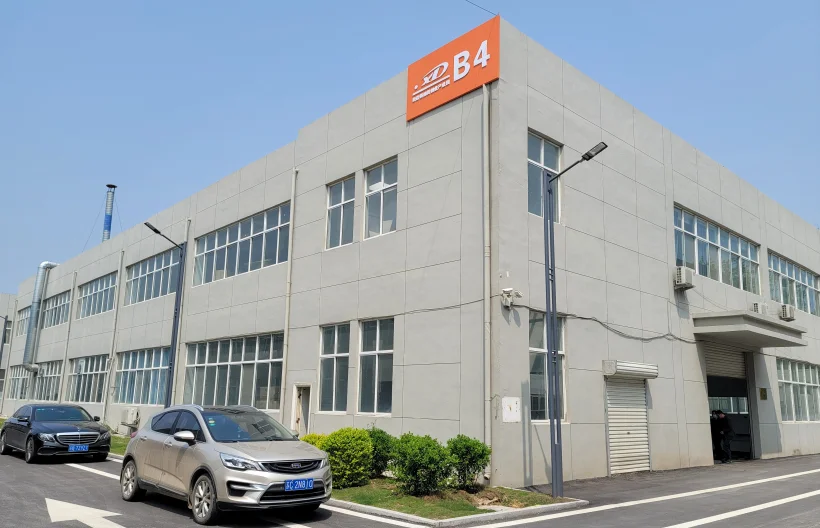
Jiangsu Fantasy Packaging New Material Co., Ltd.
- Manufacturer, Trading Company
- Jiangsu, China
- Lead time0 days
- Avg. response≤ 2h
Main productsFood paper packaging and container products production,Plastic packaging container tool products production,Packaging and decoration printing,Paper manufacturing,Packing cases and container manufacturing
Main marketsDomestic Market(60.00%), Eastern Asia(9.00%), South America(9.00%), Western Europe(8.00%), North America(8.00%), Eastern Europe(6.00%)

Hangzhou Iforest Electronic Commerce Co., Ltd.
- Verified by BV
- Trading Company
- China Shanghai
- Lead time23 days
- Avg. response≤ 8h
Main productsPaper Box, Paper Bag, Paper Tube
Main marketsSouth America,Southeast Asia/ Mideast,Domestic,Europe,Australia,North America

Cardboard Box Skin Care Luxury Paper Boxes with Logo for Cosmetic Packaging Boxes
$0.13 - $0.35
MOQ: 500 Pieces


Guangzhou Igiftbox Printing & Packaging Co., Ltd
- Verified by SGS
- Trading Company
- China Guangdong
- Lead time15 days
- Avg. response≤ 6h
Main productsPaper Gift Box, Paper Box, Paper Bags, Gift Box, Packaging Box, Chocolate Box, Cosmetic Box, Sticker Label, Cardboard Box, Book Printing
Main marketsSouth America,Southeast Asia/ Mideast,Europe,North America


New Design Cosmetic Cardboard Cosmetic Gift Box with Inner Support Packaging
$0.23 - $1.42
MOQ: 500 Pieces
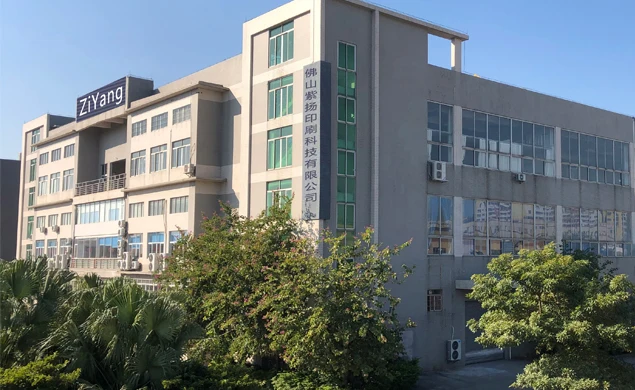
Foshan Ziyang Printing Technology Co., Ltd.
- Manufacturer
- Guangdong, China
- Lead time20 days
- Avg. response≤ 3h
Main productsAluminum Collapsible Tube,Cosmetic Aluminum Tube,Aluminum bottle,Printing aluminum tube custom,Custom aluminum tube
Main marketsDomestic Market(50.00%), North America(15.00%), South America(5.00%), Southern Europe(5.00%), Northern Europe(5.00%), Central America(5.00%), Western Europe(5.00%), Eastern Asia(5.00%), Eastern Europe(5.00%)

Shanghai Unison Packaging Co., Ltd.
- Verified by CTI
- Combined
- China Shanghai
- Lead time15 days
- Avg. response≤ 8h
Main productsPaper Box, Corrugated Box, Paper Bag, Shipping Box, Food Box, Gift Box, Paper Tube, Fruit Packaging Box, Wine Box, Carton Box
Main marketsEast Asia(Japan/ South Korea),Europe,North America
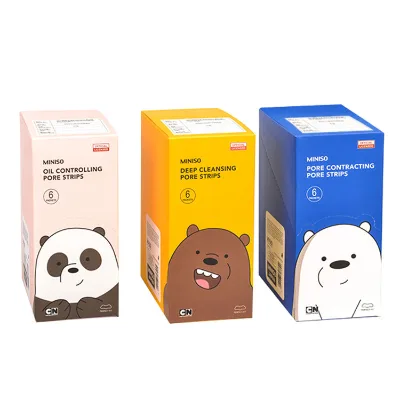
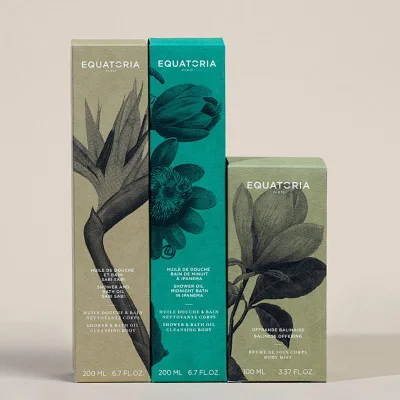


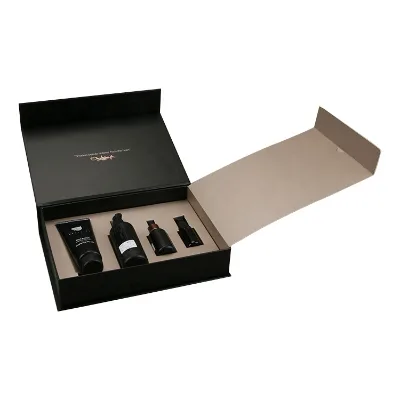
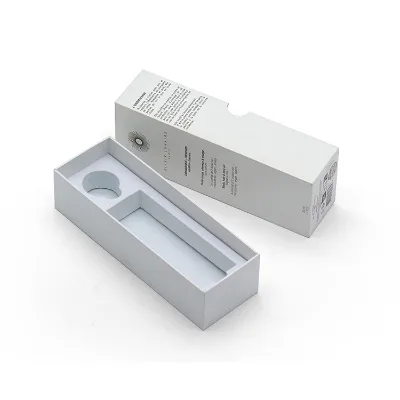
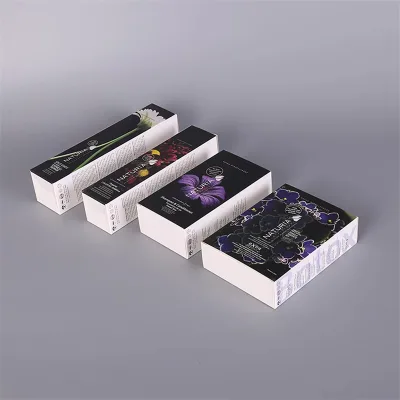


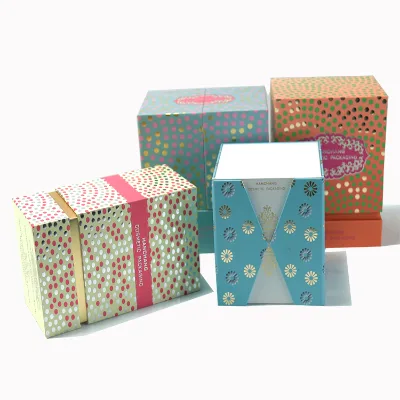
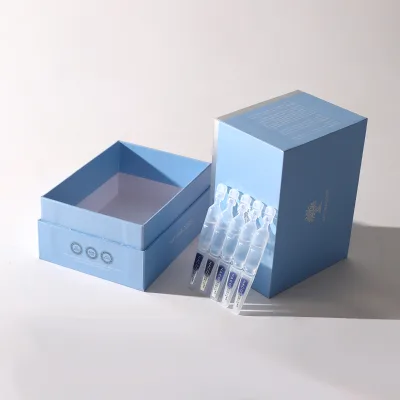






Comprehensive Sourcing Guide
Waterproof Paperboard Cosmetic Packaging Box Supplier Concentration and Factory Types
The current supplier landscape for waterproof paperboard cosmetic packaging boxes reveals a distinct geographic and operational concentration that buyers must navigate carefully. Evidence indicates that active suppliers are primarily located in China, with specific clusters identified in Shanghai and Guangdong. These regions serve as the primary hubs for manufacturing and trading activities related to paper-based packaging solutions. The presence of suppliers in these specific locations suggests a mature supply chain ecosystem where raw materials, printing technologies, and assembly capabilities are readily available. However, it is crucial to note that the data does not provide a comprehensive map of all global suppliers, nor does it confirm the existence of major manufacturing hubs in other regions such as Europe or North America for this specific product type. Therefore, buyers should assume that the majority of competitive sourcing opportunities for this category are currently concentrated in these Chinese provinces. The concentration in Shanghai and Guangdong implies that logistics infrastructure and specialized labor pools are optimized for high-volume paper box production, which can influence both lead times and cost structures for international buyers.
In terms of factory types, the market is divided between pure trading companies and hybrid entities that combine manufacturing with trading functions. Some suppliers are identified explicitly as trading companies, which may offer a broader range of products but potentially less direct control over the production process. Others are listed as both manufacturers and trading companies, suggesting they have in-house production capabilities while also managing sales and distribution. This distinction is critical for buyers evaluating the "waterproof" aspect of their packaging needs. A manufacturer might have more direct oversight over the lamination or coating processes that provide water resistance, whereas a trading company might source these specialized boxes from third-party factories. The data shows that some suppliers offer ODM (Original Design Manufacturing) capabilities, indicating a level of technical expertise in designing custom packaging solutions. Buyers should verify whether the supplier’s stated type aligns with their need for direct factory communication or if they prefer the flexibility of a trading partner who can aggregate orders from multiple factories. Understanding this structural difference helps in assessing who holds the actual technical knowledge regarding material selection and waterproofing treatments.
How to Verify Waterproof Paperboard Cosmetic Packaging Box Suppliers
Verifying the legitimacy and capability of suppliers for waterproof paperboard cosmetic packaging boxes requires a multi-layered approach that goes beyond simple profile reviews. One key verification method involves checking for third-party audit certifications. The available data indicates that some suppliers hold SGS verification, while others possess TUVRHEINLAND certification. These certifications are significant indicators of a supplier’s adherence to quality management systems and ethical business practices. However, the presence of a certification label alone does not guarantee that the specific product meets waterproof standards. Buyers must request detailed audit reports that specifically address the production processes for paperboard packaging, including the application of waterproof coatings or laminations. It is essential to confirm that the certification covers the actual manufacturing site and not just the corporate entity. Additionally, buyers should look for product-specific certifications such as MSDS, GMP, and CE, which may be listed in product attributes. These certifications can provide insights into the chemical safety and regulatory compliance of the materials used, which is particularly important if the packaging will come into direct contact with cosmetic products.
Beyond certifications, buyers should actively verify the supplier’s response capabilities and production transparency. The data shows varying response times, ranging from very fast responses of 0.14 hours to slower responses of 13 hours. A rapid response time can indicate a dedicated sales team or an automated system, but it does not necessarily reflect the technical support available for complex waterproofing queries. Buyers should test the supplier’s responsiveness by asking specific technical questions about the waterproofing mechanism, such as the type of paperboard used, the thickness of the waterproof layer, and the results of any water immersion tests. Furthermore, buyers should verify the supplier’s claim of being a manufacturer versus a trader by requesting video tours of the production floor or recent photos of the manufacturing process. This is especially important for suppliers claiming to offer ODM services, as it confirms their ability to handle custom designs and specialized material treatments. Buyers should also check if the supplier has a history of exporting to their target market, which can be inferred from their experience and language capabilities, although specific export data is not provided in the current facts.
What to Compare Across Waterproof Paperboard Cosmetic Packaging Box Suppliers
When comparing suppliers for waterproof paperboard cosmetic packaging boxes, buyers should focus on several key operational metrics that directly impact cost, quality, and delivery. One critical factor is the Minimum Order Quantity (MOQ). The data reveals a range of MOQs, with some suppliers requiring as few as 500 units, while others set the bar at 1000 units or potentially higher. For buyers testing new products or launching limited editions, a lower MOQ is advantageous, even if the unit price is slightly higher. Conversely, buyers with large, consistent demand may benefit from suppliers with higher MOQs who might offer better economies of scale. Another important comparison point is the lead time, which varies among suppliers. Some suppliers indicate a lead time of 13 days, while others suggest 15 days or even 23 days. This variation can significantly affect inventory planning and time-to-market for cosmetic brands. Buyers should align their order schedules with the supplier’s stated lead times and factor in additional time for quality inspections and international shipping.
Price is another vital dimension for comparison, but it must be analyzed in conjunction with product specifications. The price range for these boxes is broad, with some items listed as low as $0.01 to $0.13 per unit, while others range from $0.44 to $2.80 per unit. This wide disparity likely reflects differences in material quality, size, complexity of design, and the extent of waterproofing treatment. Buyers should not simply choose the lowest price but should compare the value proposition. For instance, a supplier offering a box at $0.80 to $2.80 might use higher-grade paperboard or more durable waterproof coatings compared to a supplier offering a box at $0.05 to $0.13. Buyers should also compare the customization options available, such as logo printing, surface handling, and specific shape requirements. The data shows that customization is generally available, but the extent of this service varies. Buyers should inquire about the costs associated with custom molds or special finishes, as these can add to the overall expense. Additionally, comparing the sample time, which is noted as 3-5 working days for some suppliers, can help buyers accelerate their decision-making process.
Common Waterproof Paperboard Cosmetic Packaging Box Sourcing Risks
Sourcing waterproof paperboard cosmetic packaging boxes carries specific risks that buyers must proactively manage to ensure product integrity and supply chain stability. One significant risk is the inconsistency of waterproof performance. While suppliers may claim their boxes are waterproof, the actual performance can vary based on the quality of the coating or lamination process. Paperboard is inherently susceptible to moisture, and if the waterproof treatment is applied unevenly or with insufficient thickness, the boxes may degrade during storage or transit in humid environments. Buyers should mitigate this risk by requesting physical samples and conducting their own water resistance tests, such as exposing the boxes to high humidity or direct water contact. It is also important to verify the supplier’s quality control processes, including how they inspect the finished boxes for defects in the waterproof layer. Without rigorous testing, buyers risk receiving batches of packaging that fail to protect the cosmetic products inside, leading to customer dissatisfaction and brand damage.
Another common risk is the misalignment between sample quality and mass production quality. Suppliers may provide high-quality samples that meet all waterproof and aesthetic requirements, but the mass-produced items might differ due to cost-cutting measures or production errors. This risk is heightened when working with trading companies that may not have direct control over the manufacturing process. To address this, buyers should include clear specifications for waterproofing standards in their purchase contracts and request pre-shipment inspections. Additionally, buyers should be cautious of suppliers who offer extremely low prices, as this may indicate the use of inferior materials or shortcuts in the manufacturing process. The data shows a wide price range, and buyers should be wary of prices that seem too good to be true. Furthermore, there is a risk of intellectual property infringement if buyers share their custom designs with unverified suppliers. Buyers should ensure that their designs are protected and that the supplier has a strong track record of respecting confidentiality agreements. Regular communication and clear documentation of requirements can help minimize these risks and ensure a smoother sourcing experience.
Waterproof Paperboard Cosmetic Packaging Box Regional Sourcing and Logistics
The regional sourcing of waterproof paperboard cosmetic packaging boxes is heavily influenced by the geographic concentration of suppliers in China, particularly in Shanghai and Guangdong. These regions offer established logistics networks that facilitate efficient export to global markets. Shanghai, as a major port city, provides easy access to international shipping routes, which can reduce transit times and costs for buyers in North America and Europe. Guangdong, another key manufacturing hub, is known for its robust supply chain infrastructure and proximity to major ports like Shenzhen and Guangzhou. Buyers sourcing from these regions should consider the logistical advantages of consolidated shipping, especially if they are ordering multiple products from different suppliers. However, the concentration of suppliers in these areas also means that buyers may face higher competition for production capacity, which can impact lead times during peak seasons. It is advisable for buyers to plan their orders well in advance to secure production slots and avoid delays.
Logistics planning should also account for the specific requirements of paperboard packaging, which can be sensitive to moisture and physical damage during transit. Even though the boxes are designed to be waterproof, the packaging itself must be protected from external moisture sources during shipping. Buyers should ensure that their suppliers use appropriate export packaging, such as waterproof cartons or pallets, to safeguard the goods. Additionally, buyers should consider the impact of customs regulations in their destination countries, particularly regarding the materials used in the packaging. Some regions have strict regulations on the use of certain chemicals in coatings or adhesives, so buyers should verify that the supplier’s products comply with local standards. The data indicates that some suppliers offer standard export carton packing, which is a good starting point, but buyers may need to specify additional protective measures. Working with freight forwarders who have experience in handling paper products can also help mitigate logistical risks and ensure that the goods arrive in optimal condition.
Waterproof Paperboard Cosmetic Packaging Box Commercial Terms and Order Planning
Effective order planning for waterproof paperboard cosmetic packaging boxes requires a clear understanding of commercial terms and payment structures. The data shows that suppliers offer various customization options, including logo printing and specific size requirements, which can impact the final cost and production timeline. Buyers should negotiate clear terms regarding the cost of samples, as some suppliers may charge for samples while others offer them for free. It is also important to clarify the payment terms, such as whether a deposit is required before production begins and when the balance is due. Buyers should aim for payment terms that protect their interests, such as using escrow services or letters of credit, especially for large orders. Additionally, buyers should discuss the warranty or return policy for defective products, ensuring that they have recourse if the received boxes do not meet the agreed-upon waterproof standards.
Order planning should also consider the scalability of the supplier’s production capacity. The data indicates that some suppliers have ODM capabilities, which suggests they can handle custom designs and potentially larger volumes. However, buyers should verify the supplier’s actual production capacity to ensure they can meet their demand, especially during peak seasons. It is advisable to start with a smaller trial order to assess the supplier’s reliability and quality before committing to larger volumes. Buyers should also plan for potential variations in lead times, as these can be affected by factors such as material availability and production scheduling. By maintaining open communication
FAQs
Are waterproof paperboard cosmetic boxes available?
The supplied product facts indicate that waterproof options are not available. Most listed cosmetic packaging boxes are explicitly marked as not waterproof. Buyers requiring moisture resistance should verify material specifications directly with suppliers or consider alternative coatings not detailed in the current results.
What is the minimum order quantity?
Minimum order quantities vary by supplier and product type. Some suppliers require a minimum of 500 units, while others set the threshold at 1000 units. Buyers should check specific product listings to confirm the exact MOQ applicable to their desired packaging design and quantity.
What are the price ranges for these boxes?
Prices range from $0.01 to $2.80 per unit depending on customization and material. Basic cardboard boxes start at $0.01, while premium custom printed options can reach $2.80. Costs are influenced by factors such as logo printing, surface handling, and specific paper types selected.
How long does production take?
Lead times typically range from 13 to 23 days. Some suppliers offer faster turnaround times of 13 days, while others require up to 23 days for production. Sample times are generally shorter, taking 3-5 working days, allowing for quick design approval before bulk manufacturing begins.
Where are these suppliers located?
Suppliers are primarily located in China, specifically in Shanghai and Guangdong provinces. These regions are known for their robust packaging manufacturing capabilities. Buyers can filter results by these locations to find suppliers with established logistics networks and specialized expertise in paper-based cosmetic packaging solutions.
Can I customize the packaging design?
Customization is widely available across the listed suppliers. Options include custom sizes, shapes, and logo printing. Many suppliers offer OEM and ODM services, allowing for tailored designs. Buyers can request specific paper types, colors, and surface handling techniques to match their brand identity and product requirements.
What certifications do the suppliers hold?
Verified suppliers hold certifications such as SGS, TÜV Rheinland, MSDS, GMP, and CE. These credentials indicate compliance with international quality and safety standards. Buyers should verify specific certification documents with suppliers to ensure they meet regulatory requirements for their target markets and product categories.