eco-friendly recycled paperboard matches Suppliers and Manufacturers
Source 17 verified suppliers offering eco-friendly recycled paperboard matches with OEM and ODM capabilities. Compare dimensions, lead times, and response rates to find the right partner. Request quotes today to verify pricing and customization options; review the available evidence before requesting comparable quotations from suitable candidates.
Updated
Suppliers List

Chengdu Niuhe Trading Co., Ltd.
- Verified by SGS
- Trading Company
- China Sichuan
- Lead time15 days
- Avg. response≤ 11h
Main productsMatchstick Customized Packaging, Gifts and Crafts, Safety Matches, Boxed Matches, Glass Bottle Matches, Matchbook, Strike Paper
Main marketsSouth America,Eastern Europe,Mid East,North America,Southeast Asia,Eastern Asia,Oceania,Western Europe,Africa

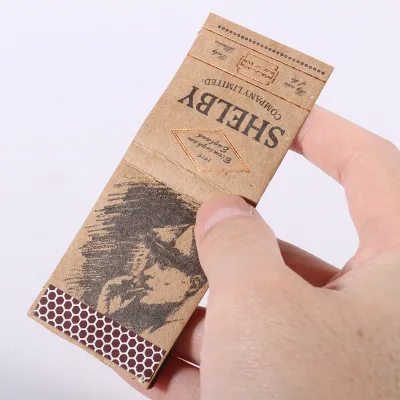
Custom Cardboard Book Style Matches Matchbook Custom Logo Colors Eco-Friendly Matchsticks
$0.30 - $1.00
MOQ: 200 Pieces


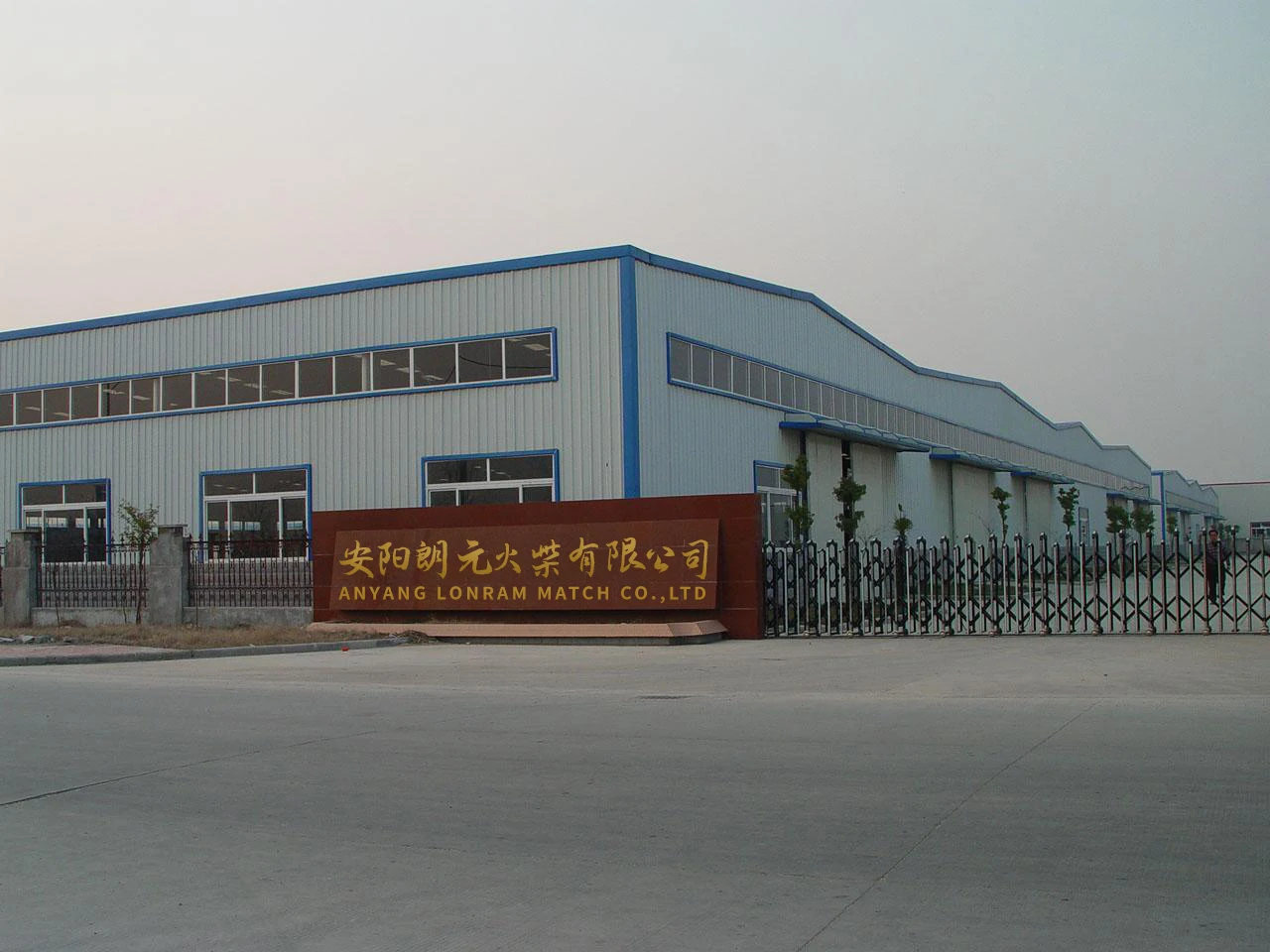
Anyang Langyuan Match Co., Ltd.
- Trading Company
- Henan Province, China
- Lead time10 days
- Avg. response≤ 5h
Main productsSafety Matches,Cigar Matches,Scented Matches,Kitchen Matches,BBQ Matches
Main marketsEastern Asia(30.00%), North America(30.00%), Western Europe(20.00%), Southern Europe(10.00%), Mid East(10.00%)
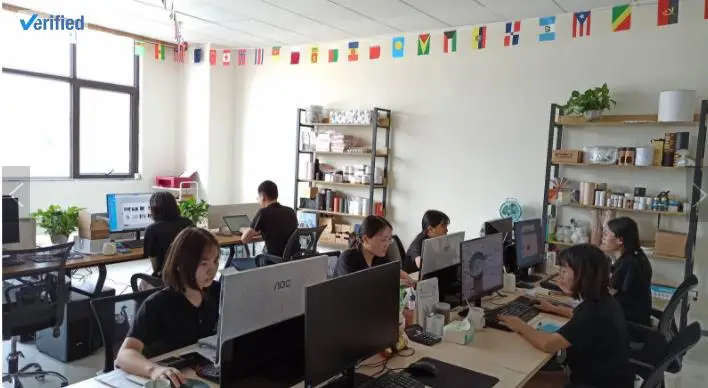
Guangzhou Weilong Technology Co., Ltd.
- Manufacturer, Trading Company, Distributor/Wholesaler, Government ministry/Bureau/Commission
- guangdong, China
- Lead time15 days
- Avg. response≤ 4h
Main productsmatches,box matches,matches in jar,striker,bulk matches
Main marketsNorth America(20.00%), Western Europe(10.00%), Eastern Europe(10.00%), South America(10.00%), Domestic Market(5.00%), South Asia(5.00%), Southern Europe(5.00%), Northern Europe(5.00%), Central America(5.00%), Southeast Asia(5.00%), Eastern Asia(5.00%), Mid East(5.00%), Oceania(5.00%), Africa(5.00%)
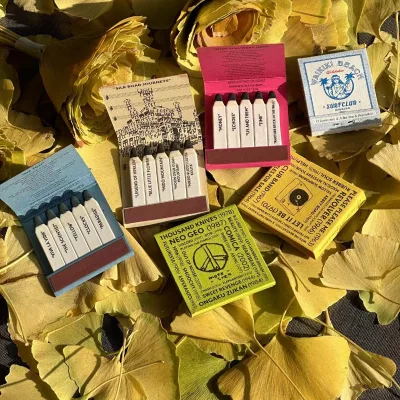
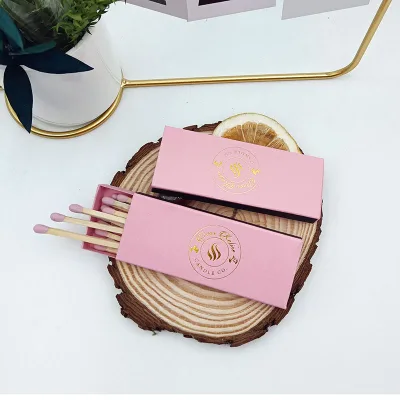
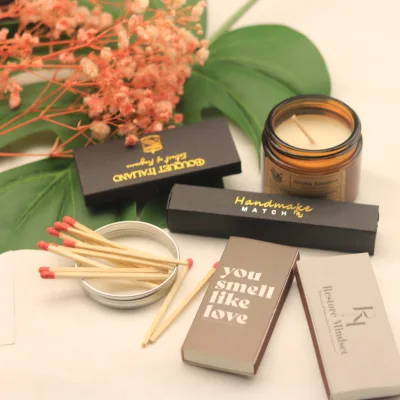
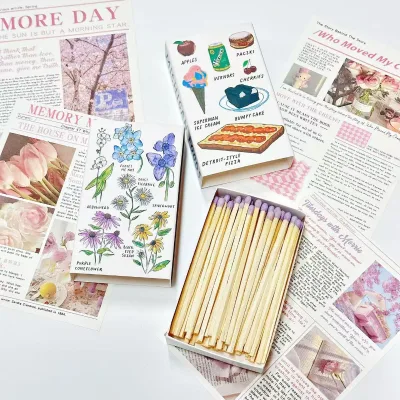
Book paper color matches custom design logo 48mm matches exquisite origami color matches
$0.4644 - $1.134
MOQ: 500 pieces
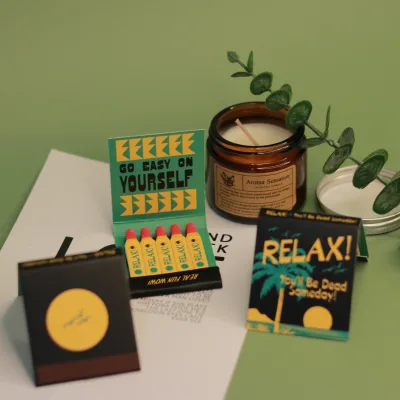
Xiamen YZM Commerce & Trade Co., Ltd.
- Verified by Intertek
- Manufacturer, Trading Company
- Lead time15 days
- Avg. response≤ 2h
Main productsPaper Bag, Paper Box, Envelope, Sticker, Paper Card
Main marketsNorth America(50%), South America(9%), Eastern Europe(9%)
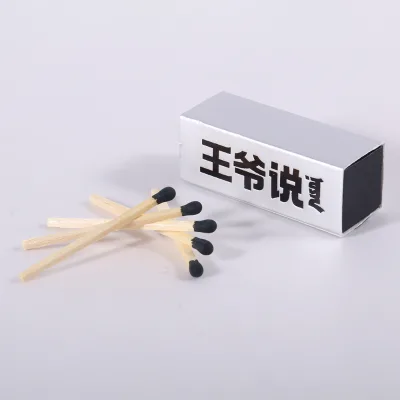
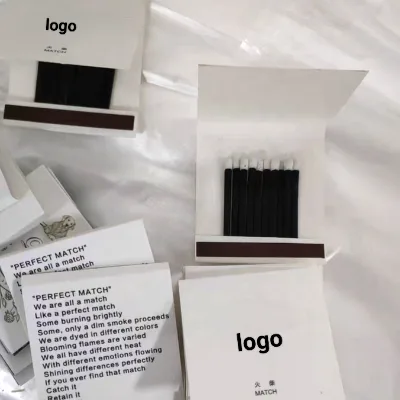
$0.0513 - $0.3086
MOQ: 500 Minimum
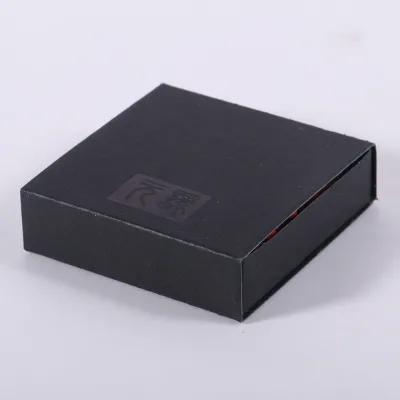
Low MOQ Custom Printed Iridescent Matchboxes Scented Long Matches Manufacturer Custom Match Box
$0.2052 - $0.719
MOQ: 100 pieces

- Group Corporation
- China Guangdong
- Lead time45 days
- Avg. response≤ 4h
Main productsKitchenware Roasting Pan Pie Dish Pie Pan, Tableware Dinnerware Dishes Plates Servingware, Food Storage Container Baking Pan Baking Tray, Dishes Bowls Cups Mug Spoons Jars Canister, Water Glass Tumbler Coffee Mug Teacup & Saucer, Juice Glass Lunch Box Bento Box Food Keeper, Dinner Plate Salad Plate Side Plate Bread & Butt, Soup Bowl Cereal Bowl / Rice Bowl Serving Platte, Coffee Spoon Dinner Fork Salad Fork Butter Knife, Teaspoon Soup Spoon Dessert Spoon Serving Spoon
Main marketsSouth America,Eastern Europe,Mid East,North America,Southeast Asia,Eastern Asia,Oceania,Western Europe,Africa

Sichuan Yelan International Trade Co., Ltd.
- Verified by TUVRHEINLAND
- Combined
- China Sichuan
- Lead time15 days
- Avg. response≤ 3h
Main productsMatches, Smart Phone, Grean Tea, Fan
Main marketsEurope,North America

$0.15 - $0.50
MOQ: 500 pieces

Book Style Matches Old Vintage Custom Logo Private Label Custom Matches Book Safety Color Matches
$0.15 - $0.50
MOQ: 500 pieces

Wholesale Cheap Custom Printing Paper Matches Box Matchbook Stick Safety Boxes Matches
$0.15 - $0.50
MOQ: 500 pieces

Matchbox Custom Logo Advertising Hotel Wood Packed Safety Fireplace Matches Safety Long Size Matches
$0.15 - $0.50
MOQ: 500 pieces

$0.15 - $0.50
MOQ: 500 pieces

$0.15 - $0.50
MOQ: 500 pieces
Xiangyang China Champion Ind. & Com. Co., Ltd.
- Verified by Intertek
- Manufacturer, Trading Company
- Lead time45 days
- Avg. response≤ 4h
Main productsFire Starter, Wood Wool Firelighter, Matches, Fire Lighter Cubes, Outdoor Emergency Kits
Main marketsNorth America(30%), Western Europe(20%), Eastern Asia(15%)
Shenzhen Haotuanyuan International Trading Co., Ltd.
- Verified by SGS Group
- Trading Company
- Lead time20 days
- Avg. response≤ 2h
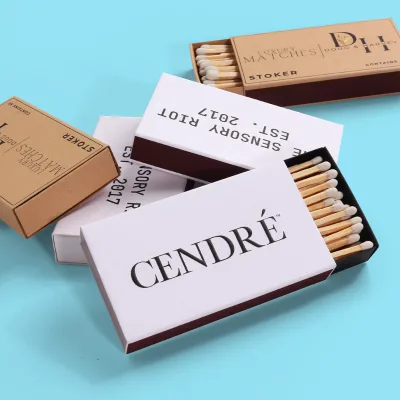
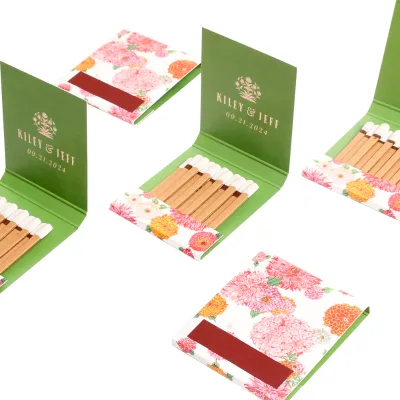
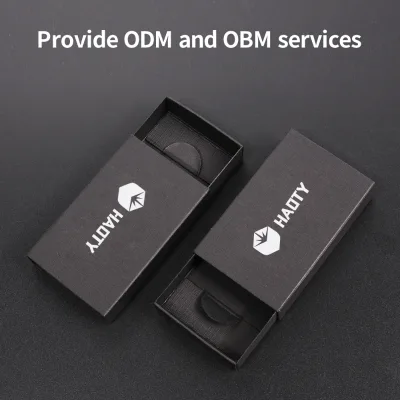
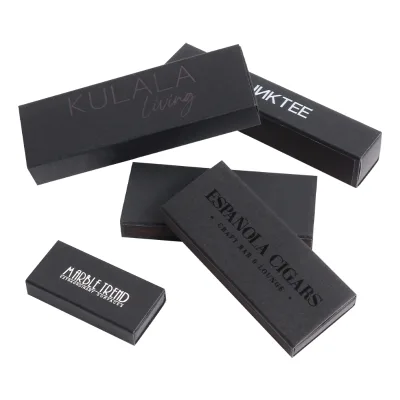
Main productsPaper Gift Box, Paper Packaging Box, Paper Bag, Mailer Box, Match Box
Main marketsNorth America(37%), Western Europe(20%), Oceania(20%)
$0.1048 - $0.409
MOQ: 500 pieces


Anyang Fangzhou Matches Factory
- Manufacturer, Trading Company
- Henan, China
- Lead time9 days
- Avg. response≤ 4h
Main productsmatches,candles,candle accessory,candle matches,shape candle
Main marketsNorth America(60.00%), Western Europe(20.00%), Northern Europe(10.00%), Oceania(10.00%)
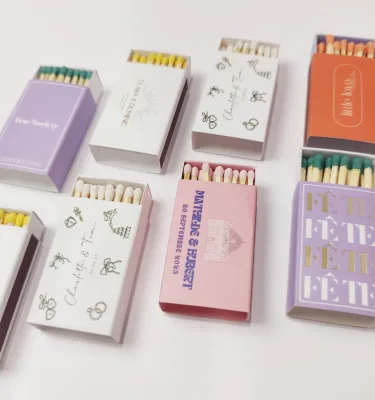
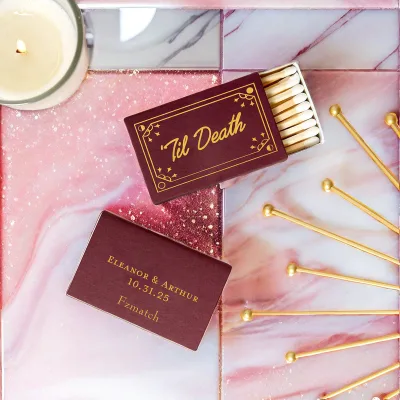
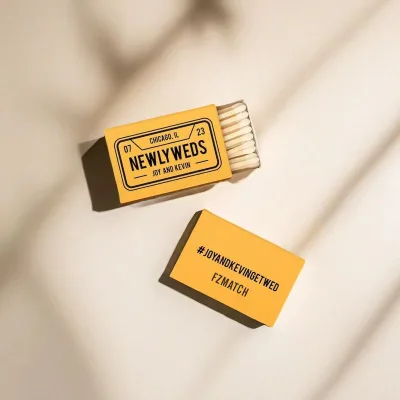
Matches Disposable Customizable Matchboxs Bulk Matches Wholesale Customizable
$0.48 - $0.98
MOQ: 200 pieces

Ningbo Klaid Imp & Exp Co., Ltd.
- Verified by TUVRHEINLAND
- Trading Company
- China Zhejiang
- Lead time30 days
- Avg. response≤ 12h
Main productsChafing Fuel, Gel Fuel, Wire Chafing Dish Racks, Butane Gas Refill, Lighter Gas Refill, Chafing Fuel Cans, Disposable Biodegradable Packaging
Main marketsSouth America,Southeast Asia/ Mideast,Europe,North America
Shenzhen Ecome Printing & Packaging CO.,LTD
- Manufacturer
- Guangdong, China
- Lead time18 days
- Avg. response≤ 9h
Main productsgift box,cardboard boxes,Folding paper boxes,Corrugated paper box,Drawer paper box
Main marketsNorth America(20.00%), Western Europe(15.00%), Southern Europe(11.00%), Mid East(10.00%), Oceania(10.00%), South America(5.00%), Eastern Europe(5.00%), Domestic Market(5.00%), Northern Europe(5.00%), South Asia(3.00%), Eastern Asia(3.00%), Southeast Asia(3.00%), Central America(3.00%), Africa(2.00%)
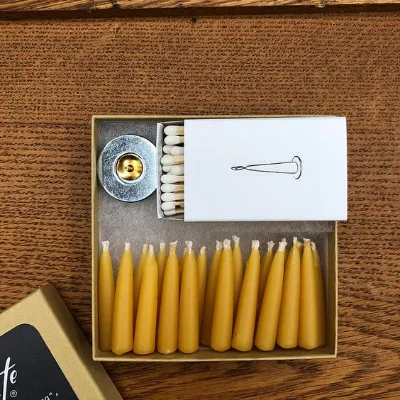
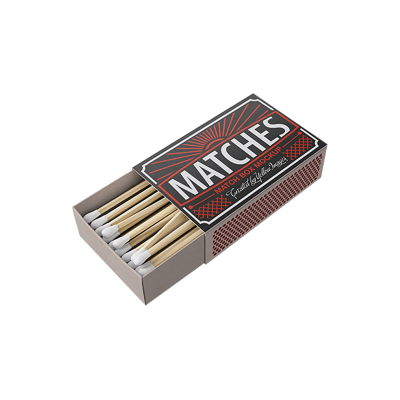
Cheap Price Match Box Custom logo Art Paper matchbox with Wooden Safety Matches Box
$0.60 - $1.20
MOQ: 200
Sichuan Anxinghong Trading Co., Ltd.
- Trading Company
- Sichuan, China
- Lead time0 days
- Avg. response≤ 2h
Main productsBulk matches,Matchbox,Matches box,matches book,glass matches
Main marketsNorth America(25.00%), Southeast Asia(15.00%), Eastern Europe(10.00%), South Asia(9.00%), Western Europe(7.00%), Northern Europe(6.00%), Central America(5.00%), South America(5.00%), Oceania(5.00%), Mid East(5.00%), Domestic Market(3.00%), Eastern Asia(3.00%), Southern Europe(1.00%), Africa(1.00%)

Ningbo Sunda International Trade Co., Ltd.
- Verified by SGS
- Trading Company
- China Zhejiang
- Lead time30 days
- Avg. response≤ 8h
Main productsScented Candle, Incense Stick, Scented Sachet, Air Freshener
Main marketsSoutheast Asia/ Mideast,East Asia(Japan/ South Korea),Domestic,Europe,Australia,North America

Wedding Matches with Custom Match Books and Personalized Match Boxes for Events
$2.70 - $2.86
MOQ: 1000 Pieces

Match Books Custom Wedding Design with Safety Matches for Hotels Restaurants Events
$0.25 - $0.29
MOQ: 50000 Pieces

Custom Match Books with Matchbooks Matches for Wedding Hotel Restaurant Promotion
$0.20 - $0.27
MOQ: 5000 Pieces

Box Matches with Personalized Match Box and Blank Match Boxes for Logo Printing
$2.70 - $2.86
MOQ: 1000 Pieces

Custom Match Books with Matchbooks Matches Wedding Hotel Restaurant OEM Promotion
$0.15 - $0.17
MOQ: 5000 Pieces

Blank Match Boxes with Matches for Custom Logo Printing Gift Promotional Items
$0.25 - $0.29
MOQ: 50000 Pieces
Dongguan Fuliter Paper Products Co., Ltd.
- Manufacturer, Trading Company
- Lead time旺季: "1 - 5000":31,"> 5000":"To be negotiated", 淡季: "1 - 5000":31,"> 5000":"To be negotiated"
- Avg. response≤ 4h
Main productsGift Box, Flower Box, Tea Box, Paper Box
Hengxinmao (quanzhou) Technology Co., Ltd.
- Verified by SGS Group
- Manufacturer, Trading Company
- Lead time3 days
- Avg. response≤ 2h
Main productsPaper Box, Paper Bag, Card, Sticker, Envelope
Main marketsDomestic Market(100%)
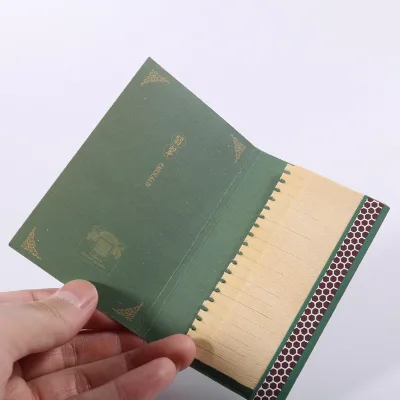
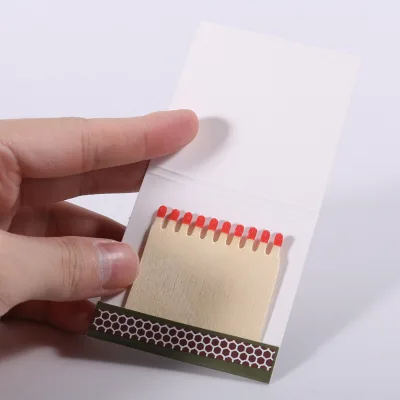
$0.0726 - $0.1037
MOQ: 100 pieces
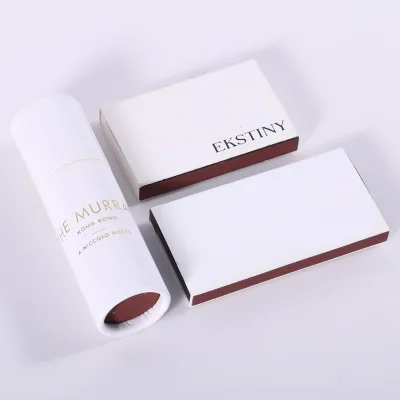
$0.05 - $0.10
MOQ: 200 boxes
Shenzhen Darlee Gift Package Company Limited
- Manufacturer
- Guangdong, China
- Lead time10 days
- Avg. response≤ 5h
Main productsgift box,phone accessories packaging box,cosmetic box,food packaging box,red packet
Main marketsNorth America(40.00%), Western Europe(20.00%), South Asia(10.00%), South America(10.00%), Eastern Asia(10.00%), Oceania(10.00%)

Zibo Melory Import & Export Trade Co., Ltd.
- Trading Company,Manufacturer/Factory
- China Shandong
- Lead time45 days
- Avg. response≤ 18h
Main productsGlass Candle Holder, Glass Jar, Glass Votive, Glass Diffuser, Glass Bottle, Glass Vase, Matches, Ceramic Candle Holder, Ceramic Holder for Incense, Glass Candle Jar
Main marketsSouth America,Eastern Europe,North America,Western Europe
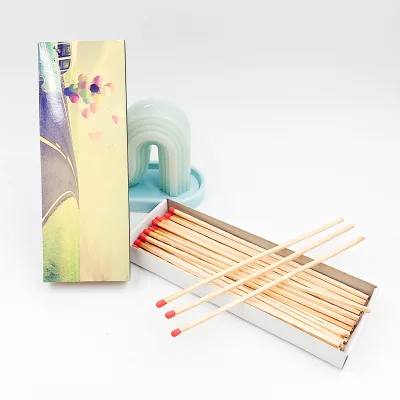
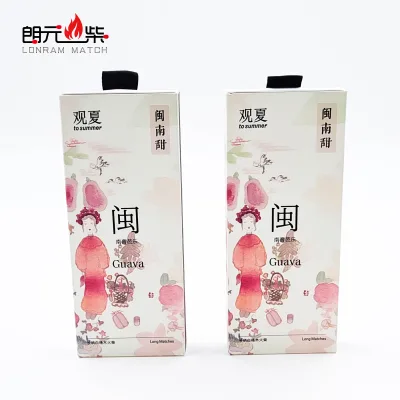
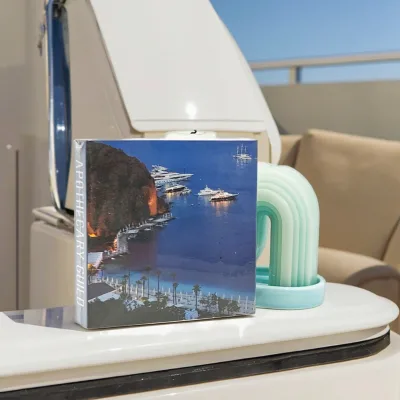
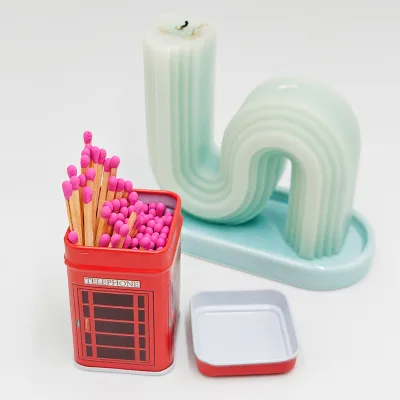






Comprehensive Sourcing Guide
Eco-Friendly Recycled Paperboard Matches Supplier Concentration and Factory Types
The current supplier landscape for eco-friendly recycled paperboard matches reveals a distinct geographic concentration in China, with specific manufacturing hubs identified in Sichuan and Henan Province. These regions serve as primary clusters for producers offering customized packaging solutions, safety matches, and various matchbook styles. Suppliers in Sichuan are notably associated with trading companies that facilitate OEM and ODM services, indicating a strong capacity for private labeling and custom design integration. This concentration suggests that buyers seeking volume production with significant customization options will find a dense network of capable partners in these specific provinces. The presence of these clusters allows for efficient supply chain coordination, as raw materials and specialized printing technologies for paperboard packaging are often localized within these industrial zones.
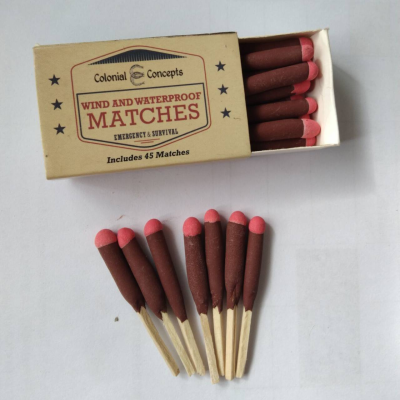
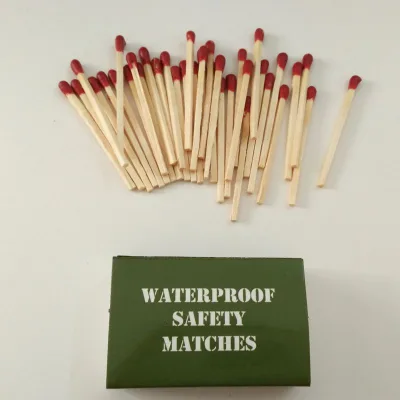
Factory types in this sector vary between pure manufacturing entities and trading companies that bridge the gap between factories and international buyers. Many suppliers list themselves as trading companies, which can offer streamlined communication and consolidated shipping but may add a layer of margin. However, the product evidence shows direct factory capabilities, such as the ability to produce specific stick sizes like 48mm and 75mm, and offer features like windproofing and water resistance. Buyers should distinguish between suppliers who merely resell and those who control the production line, as this impacts lead times and quality control. The availability of both classic book styles and square boxed matches indicates that factories in these regions have versatile production lines capable of handling diverse aesthetic and functional requirements for hotel, household, and promotional use cases.
How to Verify Eco-Friendly Recycled Paperboard Matches Suppliers
Verification is a critical step when sourcing eco-friendly recycled paperboard matches, as claims about sustainability and safety must be substantiated by credible evidence. Buyers should prioritize suppliers who display third-party verification badges, such as SGS, which provides an additional layer of trust regarding the supplier's operational legitimacy and product quality standards. It is essential to request specific documentation related to the eco-friendly claims, such as FSC certification for the paperboard or proof of recyclable materials, rather than relying solely on product descriptions. Since not all suppliers display every credential, buyers must actively inquire about the specific standards met by the recycled paperboard and the safety matches produced, ensuring they align with the regulatory requirements of the destination market.
Response time and communication efficiency are also key indicators of a reliable supplier. Data shows that response times can vary significantly, with some suppliers responding within hours while others may take longer. A quick response to initial inquiries often correlates with better project management and customer service throughout the production process. Buyers should test supplier responsiveness by asking detailed questions about customization options, such as logo effects, head colors, and stick sizes. Additionally, verifying the supplier's main products helps confirm their expertise; suppliers listing safety matches, cigar matches, and scented matches as core offerings are likely more specialized than general trading companies. Cross-referencing these details with the supplier's verification status ensures a more robust due diligence process before committing to any orders.
What to Compare Across Eco-Friendly Recycled Paperboard Matches Suppliers
When evaluating multiple suppliers, buyers must compare key operational metrics such as lead times, minimum order quantities (MOQs), and pricing structures to find the best fit for their business needs. Lead times in the current market range from 10 to 15 days, which is a crucial factor for inventory planning and just-in-time delivery strategies. Suppliers with shorter lead times may offer faster turnaround for urgent orders, while those with longer lead times might provide more competitive pricing or greater capacity for large-scale production. Comparing these timelines helps buyers assess the reliability of the supply chain and plan their marketing campaigns or retail restocking schedules accordingly. It is important to note that lead times can vary based on the complexity of customization and the volume of the order.
MOQs and pricing are equally important comparison points, as they directly impact the feasibility of small-batch testing versus large-scale procurement. MOQs for these products typically start at 200 to 500 pieces, with some suppliers offering lower thresholds for standard items and higher requirements for fully customized designs. Pricing ranges from approximately $0.18 to $1.00 per unit, depending on factors such as material quality, customization level, and order volume. Buyers should request detailed quotes that break down costs for printing, packaging, and shipping to understand the total landed cost. Additionally, comparing the specific product attributes, such as stick size, head color, and windproof features, ensures that the selected supplier meets the functional requirements of the end product. This comprehensive comparison helps in selecting a supplier that balances cost, quality, and operational efficiency.
Common Eco-Friendly Recycled Paperboard Matches Sourcing Risks
One of the primary risks in sourcing eco-friendly recycled paperboard matches is the potential discrepancy between claimed sustainability features and actual product composition. Buyers must be cautious of vague terms like "eco-friendly" without supporting documentation, as this can lead to compliance issues in regulated markets. Another significant risk is the variability in product quality, particularly regarding the windproof and water-resistant features that are often highlighted in product descriptions. Inconsistent performance in these areas can lead to customer dissatisfaction and returns, damaging the buyer's brand reputation. It is essential to request samples to physically test these features before placing large orders, ensuring that the matches perform as advertised in real-world conditions.
Logistical and communication risks also pose challenges, especially when dealing with suppliers in different time zones or with varying levels of English proficiency. Miscommunication regarding customization details, such as logo placement, color matching, or packaging specifications, can result in production errors that are costly to rectify. Additionally, the reliance on trading companies can sometimes obscure the true source of production, making it harder to address quality issues directly with the factory. Buyers should establish clear communication channels and request detailed production schedules to mitigate these risks. Regular updates and milestone checks during the production process can help identify and resolve issues early, preventing delays and ensuring that the final product meets the agreed-upon standards.
Eco-Friendly Recycled Paperboard Matches Regional Sourcing and Logistics
Sourcing from specific regions in China, such as Sichuan and Henan Province, offers logistical advantages due to the concentration of manufacturing capabilities and established supply chains. These regions are well-connected to major ports and transportation networks, facilitating efficient export processes. Buyers should consider the proximity of the supplier to shipping hubs when calculating logistics costs and transit times. Suppliers in Sichuan, for instance, may have different shipping routes compared to those in Henan, which can impact the overall delivery timeline. Understanding the regional logistics landscape helps buyers optimize their supply chain and reduce transportation costs.
Packaging and handling requirements are also influenced by the regional sourcing strategy. Products like matchbooks and boxed matches require careful packaging to prevent damage during transit, especially given their fragile nature. Suppliers often provide specific packing details, such as 10 to 15 sticks per box, which buyers must consider when planning container loads. Additionally, the weight and dimensions of the products, such as the 50607mm or 88368mm sizes, affect freight calculations. Buyers should work closely with their suppliers to determine the most cost-effective shipping methods, whether by sea or air, based on the urgency of the order and the volume of goods. Proper coordination with freight forwarders and suppliers ensures that the products arrive in good condition and on time.
Eco-Friendly Recycled Paperboard Matches Commercial Terms and Order Planning
Commercial terms and order planning are critical components of a successful sourcing strategy for eco-friendly recycled paperboard matches. Buyers should negotiate clear payment terms, such as using escrow services or letters of credit, to protect their financial interests and ensure that the supplier fulfills their obligations. Understanding the supplier's payment policies, including any deposits required for custom orders, helps in managing cash flow and budgeting effectively. Additionally, buyers should clarify the terms for sample orders, including costs and shipping fees, to assess the product quality before committing to larger volumes.
Order planning involves coordinating with the supplier to align production schedules with market demand. Buyers should provide accurate forecasts and lead times to the supplier, allowing for efficient production planning and inventory management. It is also important to discuss the process for handling changes or cancellations, as these can impact production schedules and costs. Establishing a long-term relationship with a reliable supplier can lead to better pricing, priority production, and improved communication. By carefully managing commercial terms and order planning, buyers can minimize risks and maximize the value of their sourcing investments in eco-friendly recycled paperboard matches.
FAQs
What MOQ should I expect for custom eco-friendly recycled paperboard matches?
Listed offers typically start around 200 to 500 units per order. Matchbooks with custom logo printing commonly quote a 500-piece MOQ, while some boxed match products accept 200 boxes. Because minimums vary by matchbook style, stick count, and print coverage, confirm the exact threshold for your chosen packaging before requesting a sample or quotation.
How long is the usual lead time for custom paperboard matchbooks?
Observed suppliers quote production lead times of roughly 10 to 15 days after order confirmation. The shorter estimate of about 10 days comes from a Henan-based supplier, while a Sichuan trading company lists about 15 days. Custom logo printing, head colors, or larger volumes can extend these timelines, so confirm the schedule in writing before paying.
Can recycled paperboard matches be customized with my logo and colors?
Yes, customization is widely offered across the listed match products. Suppliers accept custom logos, custom head colors including white, black, and green, and custom box colors on matchbooks and boxed matches. You can typically choose stick sizes such as 48mm, box dimensions like 50*60*7mm, and packing counts, so request artwork proofing before mass production.
Are these matches suitable for hotel, bar, and candle use?
Yes, the listed products are marketed for hotel, household, candle, cigar, and party applications. Many feature windproof match heads, which helps in bars, patios, and candle-lighting settings. Book-style matches are popular as retro hotel amenities, while longer boxed versions with 75mm sticks suit fireplaces and kitchen use. Verify burn quality through samples.
What do custom eco-friendly paperboard matches typically cost per unit?
Listed price ranges span roughly 0.18 to 1.00 USD per unit depending on style. Simpler boxed match products quote about 0.18 to 0.40, while matchbooks range around 0.25 to 1.00 based on size, stick count, and print complexity. Prices are indicative, so obtain quotations reflecting your MOQ, logo design, and packaging requirements.
Which regions do these match suppliers ship from?
The observed suppliers are based in China, specifically Sichuan Province and Henan Province. Sichuan suppliers offer matchbooks, boxed matches, and promotional matchboxes, while the Henan supplier focuses on safety, cigar, scented, kitchen, and BBQ matches. Confirm shipping terms, freight costs, and export documentation with each supplier, as inland locations affect delivery time to port.
How quickly do matchbook suppliers usually respond to inquiries?
Response times vary among the listed suppliers. One Henan-based supplier reports average responses within about 5 hours, while a Sichuan supplier lists roughly 10 hours. These are typical figures rather than guarantees, so test responsiveness by sending a detailed inquiry with your MOQ, customization needs, and target delivery window before committing.
How can I verify supplier reliability before ordering custom matches?
Check verification credentials, as some listed suppliers hold SGS verification, and confirm whether the company is a manufacturer or trading company. Request physical samples to assess match head quality, striker performance, and print finish. Also verify trade assurance or escrow payment options, review order history where available, and confirm certifications relevant to your destination market.