Source Recycled Food Kraft Paper Box for Salad, Burger, and Sandwich
Compare 30 listings for Recycled Food Kraft Paper Box options featuring biodegradable and eco-friendly designs. Buyers can evaluate customization, certifications like FDA and LFGB, and applications for salad, burger, and sandwich packaging from suppliers in China; compare the available evidence and request quotations based on your requirements.
Updated
Key considerations
Products List


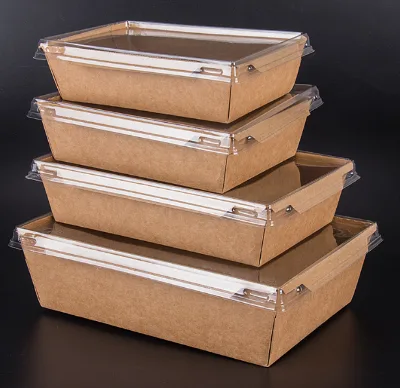
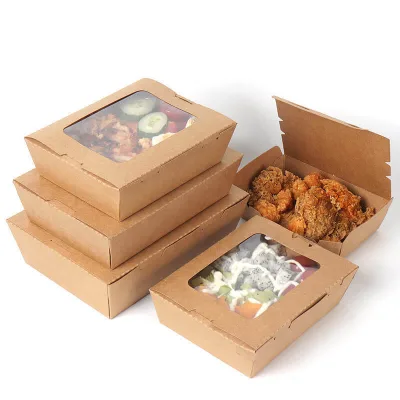
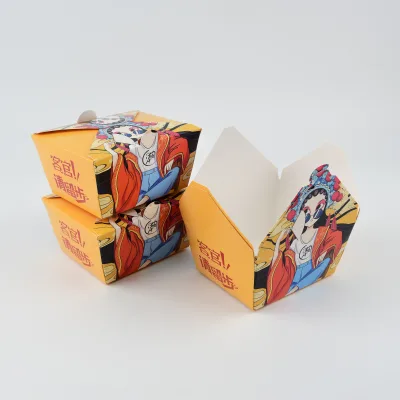
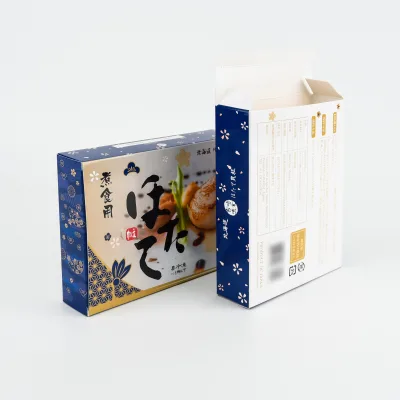
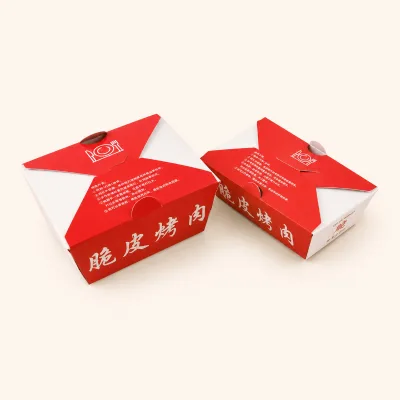
Recycled Printed Fast Food Folding Brown Kraft Food Packing Paper Box
$0.038 - $0.07
MOQ: 10000 Pieces


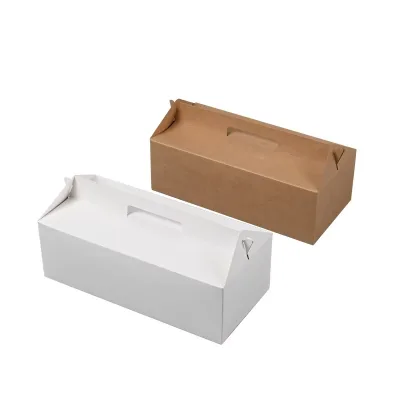
Recycled Material Kraft Paper Box Burger Packaging for Eco-Conscious Businesses
$0.029 - $0.05
MOQ: 50 Pieces







Comprehensive Sourcing Guide
Recycled Food Kraft Paper Box Sourcing Guide
Buyers evaluating recycled food kraft paper boxes must first distinguish between general kraft paper and specific recycled content claims, as the supplied data confirms the material is Food Grade Kraft Paper but does not explicitly quantify the percentage of post-consumer waste. The observed product listings indicate a strong focus on biodegradable and eco-friendly attributes, which are critical for brands targeting sustainability goals. Procurement teams should verify if the "recycled" descriptor in marketing materials aligns with the actual material composition listed as Kraft Paper or Paperboard, ensuring the supply chain delivers the specific environmental impact required by corporate responsibility policies.
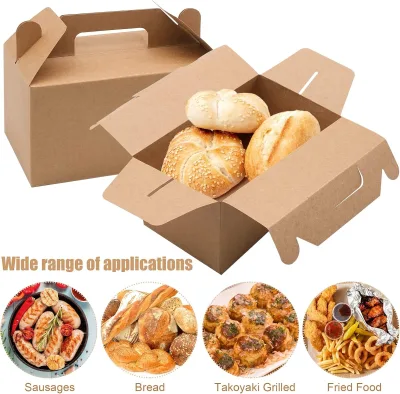
The application scope for these containers is broad, covering salad, biscuit, burger, bread, and sandwich packaging, which suggests versatility for diverse food service operations. However, the listings also note specific models designed for thermal use and general tableware, requiring buyers to match the specific box geometry to their product line. Since the observed data includes both "Paper Plates & Bowls" and "Burger Box" classifications, purchasers must confirm that the selected model meets the structural integrity needs of their specific food items, particularly when dealing with hot or oily contents that demand oil-proof and waterproof functions.
Product Scope and Observed Listing Signals
The market signals for recycled food kraft paper boxes reveal a price range between 0.02 and 0.38 USD, indicating a highly competitive landscape where cost efficiency is a primary driver for volume buyers. This wide pricing band often correlates with differences in customization levels, such as embossing, glossy lamination, or matt lamination, which add value but increase unit costs. Buyers should analyze whether the lower price points correspond to standard stock items or if they reflect reduced quality in the paperboard thickness, as the observed data confirms that custom sizes and logos are accepted but may incur additional processing fees.
Minimum Order Quantities (MOQ) observed in the listings vary significantly from 50 to 100,000 pieces, creating a barrier to entry for small businesses while favoring large-scale distributors. The high-end MOQ of 100,000 pieces suggests that many suppliers prioritize bulk manufacturing runs to maintain the competitive pricing structure seen in the market. Procurement strategies must account for these volume thresholds, as ordering below the standard MOQ might result in higher per-unit costs or longer lead times, necessitating a careful balance between inventory holding costs and the economies of scale offered by the supplier base.
Technical Specifications to Verify
Technical verification must begin with the physical dimensions and structural design, as the observed data lists specific model numbers like IBPB6932 and dimensions such as 15010048 mm alongside a general "Custom Size Accepted" capability. Buyers need to confirm that the custom dimensions provided by the supplier will accommodate their specific food items without compromising the box's ability to stack or fit into standard dispensing equipment. The presence of "Paperboard/Craft Paper/White Paper" as material options requires a clear definition of the desired finish, as the choice between white paper and natural kraft affects both the aesthetic appeal and the perceived eco-friendliness of the final packaging.
Functional performance is another critical technical area, with observed listings claiming waterproof, oil-proof, and microwavable features for certain food container models. These claims require rigorous validation, as the base material is identified as Kraft Paper, which naturally lacks inherent water resistance without specific coatings or treatments. Buyers should request physical samples to test the integrity of the waterproof and oil-proof coatings under real-world conditions, ensuring that the packaging maintains its structural strength when holding hot, greasy, or moist foods without leaking or collapsing during transport.
Compliance and Safety Documentation
Safety compliance is paramount for food contact applications, and the observed listings cite a robust set of certifications including FDA, LFGB, EEC, CIQ, and CE. These certifications indicate that the suppliers have undergone testing for food safety standards relevant to both the United States and the European Union, which is essential for brands exporting their products globally. Procurement teams must verify that the specific batch of recycled kraft paper boxes being ordered carries the current valid certificates, as regulatory requirements can change and older stock may not meet the latest safety thresholds for food contact materials.
Beyond general food safety, the documentation must address the specific environmental claims made by the supplier, such as biodegradability and eco-friendly status. While the data confirms these features, buyers should request third-party test reports that validate the biodegradation rates and compostability of the specific recycled paper formulation used. This verification ensures that the packaging meets the strict criteria of local waste management regulations and supports the brand's sustainability narrative without risking greenwashing accusations due to unverified environmental performance claims.
Cost Drivers and Commercial Terms
The commercial terms for recycled food kraft paper boxes are heavily influenced by the customization requirements, with observed data indicating that OEM/ODM standards and custom logos are standard offerings. The cost structure likely includes separate line items for tooling, printing setup, and the specific lamination processes like embossing or glossy finishes, which can significantly alter the final unit price. Buyers should negotiate a clear breakdown of these costs to understand the margin between the base material price and the finished product, ensuring that the competitive price advantage is not eroded by hidden fees for minor design adjustments.
Logistics and packaging standards also play a crucial role in the total landed cost, with observed data specifying export cartons and a packing density of 200 pieces per carton. The shipping method is noted as "by Sea," which is cost-effective for large volumes but requires careful planning regarding lead times and inventory management. Buyers must factor in the sample lead time of 3-7 days and the potential for longer production runs when the MOQ is high, ensuring that the supply chain can respond to demand fluctuations without incurring expedited shipping costs that would negate the savings from the low unit price.
Supplier Qualification and Quality Control
Supplier qualification should focus on the geographic origin and production capacity, as the observed data lists origins in Fujian, Ningbo, and Shandong, all major manufacturing hubs in China. These regions are known for their paper processing infrastructure, but buyers must verify the specific factory's capacity to handle the required volume and customization complexity. The presence of multiple origin points suggests a fragmented supply chain, so it is advisable to audit the specific production facility to ensure consistent quality control measures are in place across different batches of recycled kraft paper boxes.
Quality control protocols must be established to monitor the consistency of the waterproof and oil-proof coatings, as these are critical functional attributes for food packaging. Buyers should implement a sampling plan that tests for structural integrity, print quality, and the adhesion of any laminations to prevent peeling or delamination during use. Given the "Disposable" nature of the product, the focus should be on ensuring that the boxes do not degrade prematurely in the hand or during the initial serving phase, maintaining the brand's reputation for quality and reliability.
Long-Term Procurement Checks
Long-term procurement strategies should include regular re-verification of certification status and material composition to ensure ongoing compliance with evolving global food safety regulations. As the market for eco-friendly packaging expands, suppliers may update their formulations or sourcing methods, which could impact the biodegradability or food safety profile of the recycled kraft paper boxes. Buyers should establish a schedule for annual audits or re-testing to confirm that the products continue to meet the FDA, LFGB, and other relevant standards required for their specific markets.
Sustainability performance should also be monitored over time, with a focus on the actual recycled content percentage and the end-of-life disposal outcomes of the packaging. Buyers should engage with suppliers to track improvements in the supply chain, such as increased use of post-consumer waste or reductions in the carbon footprint of the manufacturing process. By maintaining a close relationship with the supplier and demanding transparency on these metrics, procurement teams can ensure that the recycled food kraft paper boxes continue to support the brand's long-term environmental goals and regulatory compliance.
FAQs
What certifications do recycled food kraft paper boxes have?
These boxes typically hold FDA, LFGB, EEC, CIQ, and CE certifications to ensure food safety compliance. Such credentials verify that the materials meet international standards for direct food contact. Buyers should request valid certificates from suppliers to confirm regulatory adherence for their specific export markets and product applications.
Can these boxes be customized with a customer logo?
Yes, customer logos are accepted for branding purposes on these packaging solutions. Manufacturers offer OEM and ODM services to tailor designs according to specific business needs. This customization allows companies to maintain brand visibility while utilizing eco-friendly, biodegradable materials suitable for various food packaging applications.
What is the typical MOQ for bulk orders?
The minimum order quantity generally ranges from 50 to 100,000 pieces depending on the supplier and customization level. Some vendors may require higher volumes like 100,000 pieces for standard items. Buyers should confirm specific MOQ requirements early in the sourcing process to align with their inventory and budget planning.
Are these kraft paper boxes waterproof and oil-proof?
Yes, these boxes are designed to be both waterproof and oil-proof for reliable food containment. The food-grade kraft paper construction ensures durability against moisture and grease during transport and storage. This functional feature makes them ideal for packaging burgers, salads, and other greasy or moist food items safely.
Where are these recycled food kraft paper boxes manufactured?
Manufacturing locations include Fujian, Ningbo, and Shandong in China. These regions are known for producing high-quality paper packaging with competitive pricing. Buyers can source directly from factories in these areas to benefit from established supply chains and efficient export logistics for international orders.
What printing options are available for these boxes?
Available printing handling includes embossing, glossy lamination, and matt lamination. These options allow for enhanced visual appeal and tactile quality on the packaging surface. Buyers can choose specific finishes to match their brand identity while ensuring the box remains eco-friendly and suitable for direct food contact applications.