Source Gift Paper Shopping Bag for Shopping, Promotion, and Packing
Find 30 verified options for the Gift Paper Shopping Bag with customization, logo printing, and various paper types. Compare specifications including weight limits, surface finishes, and shipping methods from suppliers in China; compare the available evidence and request quotations based on your requirements.
Updated
Key considerations
Products List


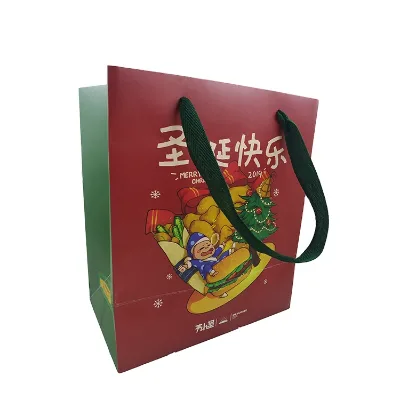




Tote Art Gift Paper Package Bags Gift Bag for Clothing Shopping Paper Packaging Bag
$0.0821 - $0.1858
MOQ: 500 pieces
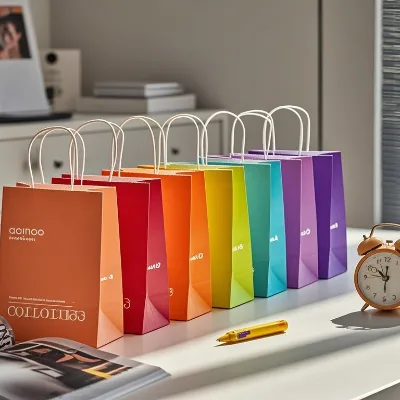


Comprehensive Sourcing Guide
Gift Paper Shopping Bag Sourcing Guide
Procuring gift paper shopping bags requires a strategic balance between aesthetic appeal and structural integrity, as these items serve as both functional packaging and brand ambassadors. Buyers must first define the specific use case, whether for retail promotions, luxury gift wrapping, or general household storage, as this dictates the necessary material strength and finishing options. The market offers a wide variety of customization services, including OEM design and logo printing, allowing businesses to tailor the final product to their brand identity. Understanding these foundational choices is critical before engaging with suppliers, as the selected configuration will directly influence cost, lead time, and quality control requirements.
The sourcing landscape for these bags is diverse, with manufacturers offering various paper types such as cardboard, coated paper, and art paper, each suited to different weight limits and visual effects. Observations indicate that suppliers often provide surface finishes like spot UV, embossing, and matte or glossy lamination to enhance the tactile and visual experience. Additionally, handle options range from ribbon and cotton to PP rope, impacting both the bag's durability and its perceived value. Buyers should evaluate these attributes against their specific product weight and shipping requirements to ensure the selected bag type meets both functional needs and customer expectations without compromising on style or safety.
Product Scope and Observed Listing Signals
The observed product listings reveal a broad spectrum of specifications, with prices ranging from $0.01 to $1.35 USD and minimum order quantities (MOQs) typically spanning from 500 to 50,000 pieces. This wide variance suggests that buyers can find options suitable for both small-scale promotional runs and large-scale retail distribution, depending on their budget and volume requirements. The presence of customization options, such as accepting customized logos and providing OEM services, indicates that most suppliers are equipped to handle bespoke orders. Buyers should carefully review the listed attributes to ensure that the specific model, such as Taki Paper bag series or Weiye models, aligns with their desired size, shape, and material composition.
Shipping and delivery terms are also significant signals in the sourcing process, with options including express, air, ocean, and train transport. Sample times are generally reported as 3-5 days, which is a crucial factor for buyers needing to validate quality before committing to large orders. The origin of these products is predominantly China, with specific mentions of Guangzhou, Guangdong, highlighting the region's manufacturing capabilities. Buyers should consider the logistical implications of these shipping methods, especially when factoring in lead times and potential customs delays. Understanding these operational details helps in planning inventory levels and ensuring timely delivery for seasonal promotions or product launches.
Technical Specifications to Verify
When verifying technical specifications, buyers must pay close attention to the paper type and weight limit, as these factors determine the bag's durability and suitability for specific products. The observed data indicates that bags can be made from corrugated paper, E flute, F flute, coated paper, or art paper, each offering different levels of strength and printability. For instance, corrugated options are ideal for heavier items, while coated or art paper may be preferred for lighter, high-end gifts. Buyers should confirm the exact weight limit, noting that some listings specify limits greater than 10 kg, while others indicate weights under 0.5 kg, to ensure the bag can safely hold the intended merchandise without tearing or failing.
Surface finishing and handle construction are equally critical technical aspects that affect both the aesthetic appeal and functional usability of the bag. Common surface treatments include spot UV, embossing, and matte or glossy lamination, which can significantly enhance the visual impact of the printed logo. Handle options vary widely, including hand length handles, ribbons, PP rope, and cotton, each offering different comfort levels and durability. Buyers should request samples to test the handle strength and the adhesion of surface finishes, ensuring that the final product meets their quality standards. Additionally, verifying the art work format requirements, such as AI, PDF, CDR, or EPS, ensures a smooth design submission process.
Compliance and Safety Documentation
Compliance and safety documentation are essential for ensuring that the sourced gift paper shopping bags meet international standards and regulatory requirements. The observed listings mention certifications such as SGS, ISO9001, ISO14001, and FSC, which indicate that suppliers adhere to quality management, environmental management, and forest stewardship standards. Buyers should verify the validity and scope of these certifications, particularly if they are targeting markets with strict environmental regulations or if their brand emphasizes sustainability. The FSC certification, for instance, assures that the paper used is sourced from responsibly managed forests, which can be a significant selling point for eco-conscious consumers.
In addition to certifications, buyers should inquire about the specific materials used in the production process, such as recycled and environmental materials, to align with their corporate social responsibility goals. It is also important to confirm that the inks and adhesives used in printing and assembly are non-toxic and safe for food contact if the bags are intended for food-related gifts. Buyers should request test reports or material safety data sheets (MSDS) from suppliers to verify the safety of the products. Ensuring compliance with these standards not only mitigates legal risks but also enhances brand reputation by demonstrating a commitment to quality and environmental stewardship.
Cost Drivers and Commercial Terms
Several key factors drive the cost of gift paper shopping bags, including the choice of paper type, surface finishing, handle material, and order quantity. The observed price range of $0.01 to $1.35 USD reflects the variability in these components, with more complex designs and premium materials commanding higher prices. Buyers should analyze the cost breakdown to understand how each element contributes to the final price, allowing them to make informed decisions about where to allocate their budget. For example, opting for standard lamination instead of spot UV or embossing can reduce costs, while choosing recycled paper may have a different price implication compared to virgin paper.
Commercial terms such as payment methods, shipping options, and packaging details also play a significant role in the overall procurement cost. Common payment terms include T/T, Western Union, and PayPal, offering flexibility for different buyer preferences. Shipping methods, ranging from express to ocean freight, impact both the lead time and the total cost, with ocean freight being more economical for large volumes but slower. Packaging details, such as normal cartons or custom packaging according to client requirements, can also affect logistics costs. Buyers should negotiate these terms carefully to optimize their total cost of ownership, ensuring that they receive the best value for their investment.
Supplier Qualification and Quality Control
Supplier qualification is a critical step in the sourcing process, requiring buyers to assess the manufacturer's capabilities, experience, and reliability. Buyers should verify the supplier's production capacity, quality control processes, and ability to meet customization requests, such as OEM design and logo printing. The observed listings indicate that suppliers offer various service types, including OEM, which suggests a level of flexibility and expertise in handling bespoke orders. Buyers should request references or case studies to evaluate the supplier's track record and ensure they can consistently deliver high-quality products that meet the buyer's specifications.
Quality control measures should be clearly defined and agreed upon before placing orders, including inspection criteria for materials, printing, and assembly. Buyers should establish clear acceptance criteria for defects, such as misalignment of logos, weak handles, or poor surface finishing, and request pre-shipment inspections to ensure compliance. The observed sample time of 3-5 days allows buyers to validate the quality of the product before committing to large orders. Additionally, buyers should confirm the supplier's ability to handle revisions and address any issues that arise during production, ensuring a smooth and collaborative relationship throughout the procurement process.
Long-Term Procurement Checks
Long-term procurement checks involve establishing a framework for continuous improvement and relationship management with suppliers. Buyers should regularly review supplier performance metrics, such as on-time delivery, quality consistency, and responsiveness to issues, to ensure that the partnership remains beneficial. The observed customization options and flexible shipping terms suggest that suppliers are capable of adapting to changing market demands, but buyers must actively monitor these capabilities to ensure they are being utilized effectively. Regular communication and feedback loops can help identify areas for improvement and foster a collaborative environment that drives innovation and efficiency.
Additionally, buyers should stay informed about industry trends and regulatory changes that may impact the sourcing of gift paper shopping bags, such as new environmental regulations or shifts in consumer preferences. The observed focus on recycled and environmental materials indicates a growing demand for sustainable packaging, which buyers should incorporate into their long-term sourcing strategy. By maintaining a proactive approach to supplier management and market analysis, buyers can ensure that their procurement processes remain agile, cost-effective, and aligned with their brand values, ultimately supporting their business growth and competitiveness in the market.
FAQs
Can I customize the logo on gift paper shopping bags?
Yes, customized logo printing is available for these bags. Suppliers accept OEM designs and provide services for branding. You can submit artwork in formats like Ai, Pdf, CDR, or EPS. The surface finishing options include spot UV, embossing, or matte and glossy lamination to enhance the visual appeal of your custom logo on the packaging.
What materials are used for these paper bags?
These bags are manufactured using various paper types including cardboard, corrugated paper, E flute, F flute, coated paper, and art paper. The materials are often recycled and environmental. This variety allows for different structural strengths and aesthetic finishes, suitable for diverse applications ranging from heavy shopping items to delicate gift packaging and retail promotions.
What is the minimum order quantity for these bags?
The minimum order quantity typically starts at 500 pieces. However, the observed range extends up to 50,000 pieces depending on the specific supplier and product model. Buyers should confirm the exact MOQ with the manufacturer, as it may vary based on the complexity of the customization, the chosen paper type, and the required surface finishing techniques.
What certifications do these paper bags have?
These products hold certifications including SGS, ISO9001, ISO14001, and FSC. These standards ensure quality management, environmental responsibility, and sustainable sourcing of materials. The FSC certification indicates that the paper comes from responsibly managed forests, which is crucial for buyers seeking eco-friendly packaging solutions that meet international environmental and social standards for global distribution.
How long does it take to produce samples?
The sample time is generally 3 to 5 days. This allows buyers to verify the quality, size, and design before placing a bulk order. Once the design drawing is approved and the sample is produced, it can be shipped via express, air, or ocean freight. This quick turnaround helps streamline the sourcing process and reduces overall project timelines.
What are the shipping options for these bags?
Shipping is available by express, air, ocean, and truck. Suppliers offer flexible delivery terms to accommodate different logistics needs. Buyers can choose the most cost-effective or time-sensitive method based on their location and urgency. The bags are packed in normal cartons or according to client requirements, ensuring safe transit regardless of the selected shipping mode.