Source Plastic Packaging for Food, Household, and Gift Uses
Source Plastic Packaging from 30 verified listings. Compare options including LDPE, PET, and food-grade materials for food, household, and gift applications. Evaluate features like moisture proofing, custom printing, and heat seal capabilities to find the right solution for your needs.
Updated
Key considerations
Products List



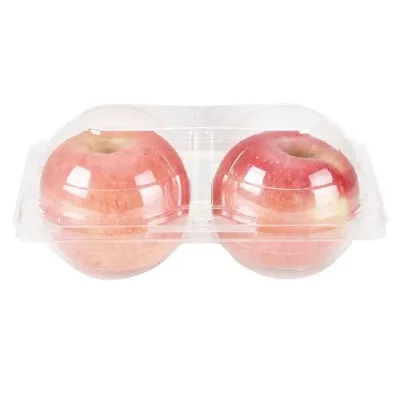
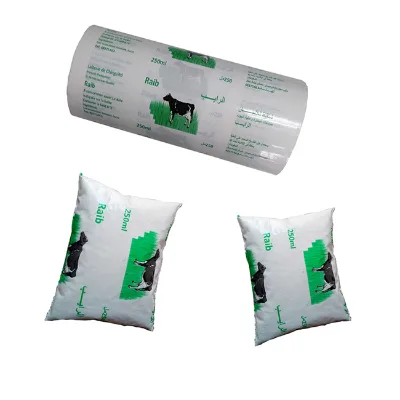
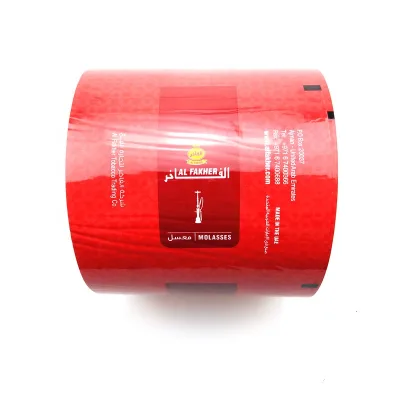

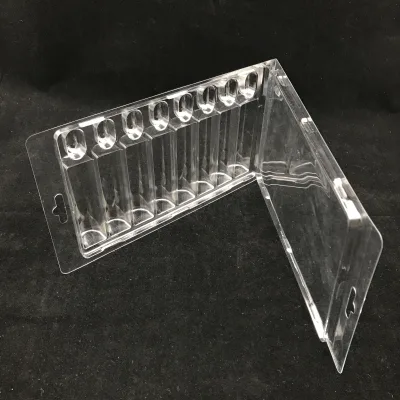
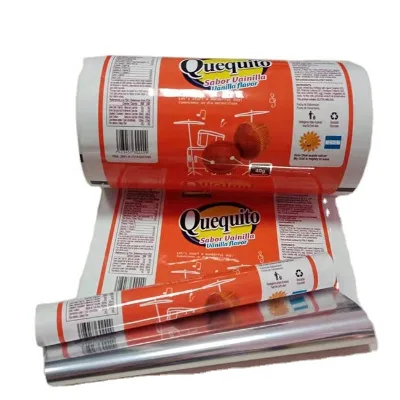
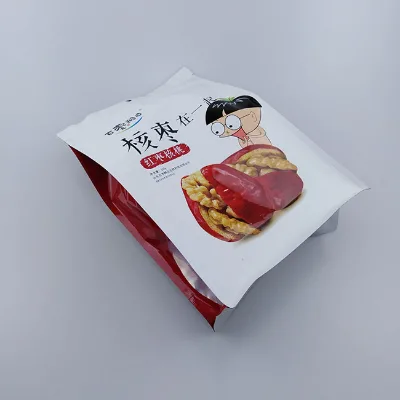


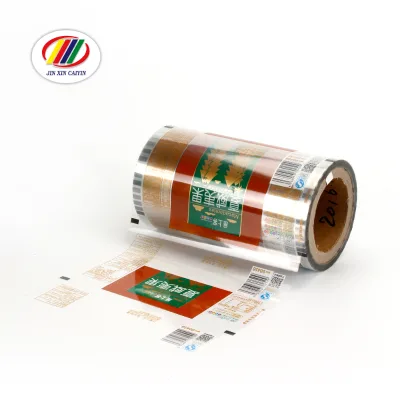


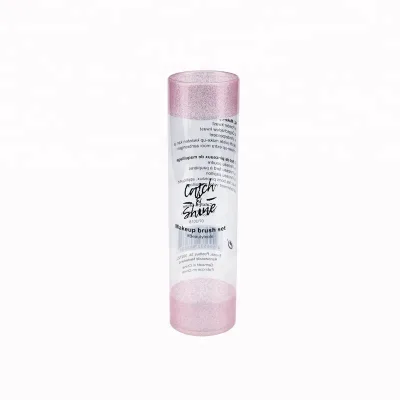
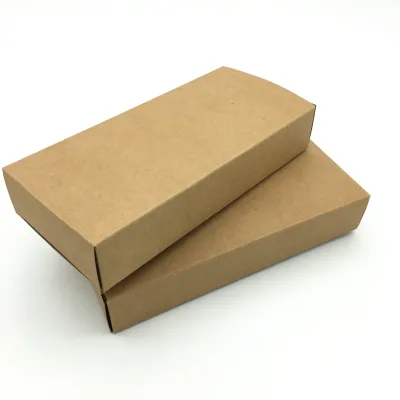

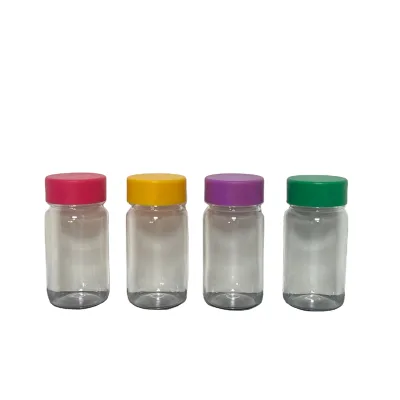
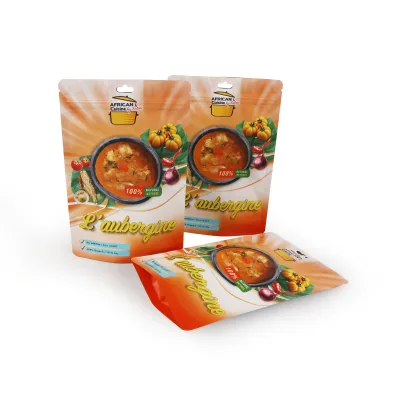
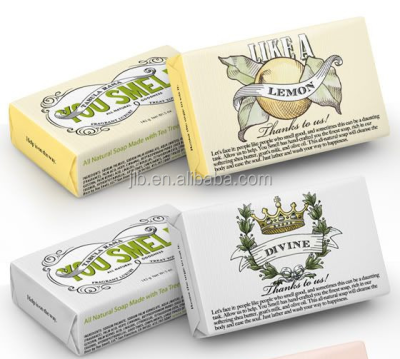
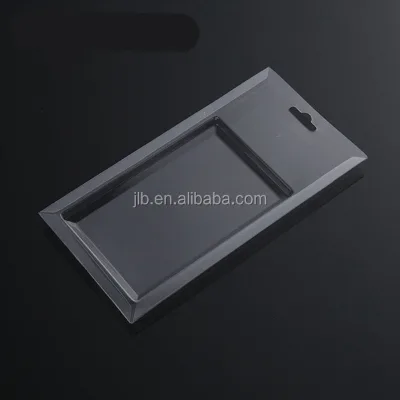
Comprehensive Sourcing Guide
Plastic Packaging Sourcing Guide
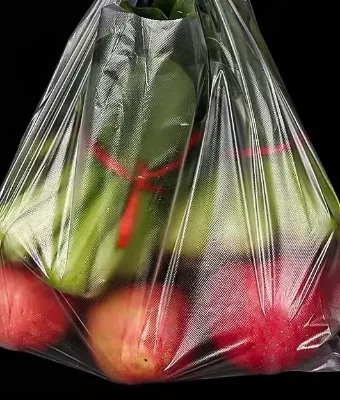
Buyers must first distinguish between the diverse material profiles available in the current market, ranging from High Pressure Polyethylene to specialized PET and PVC blends. The observed listings indicate that suppliers offer products specifically tailored for food applications, while other variants are engineered for household use or general industrial packing needs. Understanding these material distinctions is critical, as the selection of LDPE versus PET directly influences the barrier properties and suitability for specific product contents.
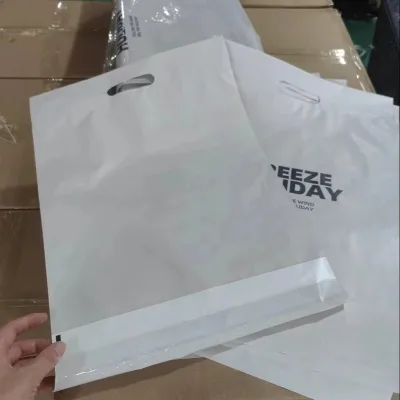
Procurement teams should also evaluate the structural diversity presented in the catalog, which includes special bag shapes, rigid boxes, and flexible packaging solutions. The data reveals a wide spectrum of customization options, with many suppliers accepting custom orders for logos, dimensions, and specific thickness requirements. This flexibility allows buyers to source packaging that aligns precisely with their branding and functional needs, whether the requirement is for a disposable household item or a specialized gift packaging solution.
Product Scope and Observed Listing Signals
The market presents a broad range of product models, such as HB-SP189G and HBSP1510, which serve different functional requirements from food storage to general industrial packing. Buyers should note that the observed listings include both plain non-printed options and items featuring advanced surface handling like gravure printing or embossing. This variety suggests that suppliers are capable of meeting diverse aesthetic and functional demands, from simple moisture-proof barriers to complex, branded retail packaging.
Commercial signals indicate a significant variance in minimum order quantities and pricing structures, with observed ranges spanning from single items to bulk orders of 100,000 units. The presence of sample availability and custom order acceptance highlights a market responsive to trial and verification before large-scale commitment. However, buyers must carefully cross-reference these signals with specific product attributes, such as the "square" standard or specific dimensions like 20511080mm, to ensure the listed scope matches their actual operational requirements.
Technical Specifications to Verify
Verification of physical dimensions and material thickness is paramount, as observed listings specify values ranging from 0.3mm to custom requirements. Buyers must confirm that the stated thickness aligns with the intended load-bearing capacity and barrier performance, particularly for food-grade applications where structural integrity is non-negotiable. The data shows that while some models offer fixed sizes, others provide fully customized dimensions, requiring precise communication to avoid mismatches between the ordered specification and the delivered product.
Surface treatment and sealing methods also require rigorous validation to ensure product safety and shelf-life extension. The observed features include heat sealing capabilities and various printing techniques, which must be compatible with the specific contents being packaged. Additionally, the distinction between recycled material options and virgin plastic types like PET PVC must be clearly defined, as these factors directly impact the environmental profile and regulatory compliance of the final packaging solution.
Compliance and Safety Documentation
Food-grade certification is a critical verification point, as the supplied facts explicitly identify certain products as "Food Grade Plastic Material" suitable for direct food contact. Buyers must request documentation proving that the specific batch of LDPE or PET meets the necessary safety standards for food applications, ensuring that no harmful substances migrate into the packaged goods. This verification is essential regardless of the supplier's location, whether the origin is Shandong, Tianjin, or another region within China.
For non-food applications, such as gift packaging or general industrial use, buyers should still demand evidence of material safety and environmental compliance. The presence of "Recycled Materials" as a feature necessitates clear disclosure regarding the source and processing of these materials to ensure they meet the buyer's sustainability goals. While specific standards like ASTM D3475-24 are noted in background contexts, buyers should verify that the supplier's internal quality controls and external certifications align with the specific regulatory requirements of their target market.
Cost Drivers and Commercial Terms
Pricing in the Plastic Packaging sector is heavily influenced by raw material costs, order volume, and the complexity of customization. The observed price range of 0.01 to 10,000 USD reflects the vast difference between single-item samples and large-scale industrial orders, with costs driven by the specific plastic type, thickness, and printing requirements. Buyers should anticipate that custom dimensions, specialized surface handling like embossing, and the inclusion of recycled materials will introduce variable cost factors that must be negotiated upfront.
Commercial terms regarding packaging and logistics also play a significant role in the total landed cost. Listings indicate that products are typically shipped in carton boxes, with specific single package sizes and gross weights provided for some models. Buyers must clarify whether the quoted price includes the cost of the outer carton packaging and how the single gross weight impacts shipping calculations. Understanding these logistical details is essential for accurate budgeting and ensuring that the supply chain remains efficient from the point of origin to the final destination.
Supplier Qualification and Quality Control
Supplier qualification should focus on their manufacturing capabilities and their ability to maintain consistency across large production runs. The observed data highlights origins in Shandong and Tianjin, suggesting a concentration of manufacturing hubs that buyers can leverage for efficient sourcing. It is vital to verify that the supplier has established processes for "Plastic Packaging Bags" and can consistently deliver on the "Custom Order" requests, ensuring that the final product matches the approved samples in terms of color, size, and sealing quality.
Quality control protocols must be explicitly defined to prevent defects in critical areas such as sealing integrity and print accuracy. Buyers should require a clear quality assurance plan that addresses the "Disposable" nature of some products and the "good Moisture Proof" claims observed in the listings. Establishing a robust inspection regime, potentially including third-party verification, is necessary to ensure that every batch meets the specified standards, particularly when dealing with food-grade materials where safety margins are narrow.
Long-Term Procurement Checks
Sustaining a successful procurement relationship requires regular audits of the supplier's ability to maintain material consistency and adhere to agreed-upon specifications over time. Buyers should monitor the supplier's performance regarding the "Customization" capabilities and their responsiveness to changes in design or volume requirements. The ability to provide samples and accept customized logos indicates a flexible partnership, but long-term success depends on the supplier's capacity to scale production without compromising the quality of the "Plastic Packaging Box" or bag variants.
Continuous evaluation of the supply chain's resilience is also necessary to mitigate risks associated with raw material fluctuations and logistical disruptions. Buyers should maintain open communication channels to track changes in the "Making Process" or shifts in the origin of raw materials, such as High Pressure Polyethylene. By regularly reviewing performance metrics and ensuring that the supplier continues to meet the "Food" and "Household" application standards, buyers can secure a reliable supply of packaging that supports their brand reputation and operational efficiency.
FAQs
What materials are used for Plastic Packaging bags?
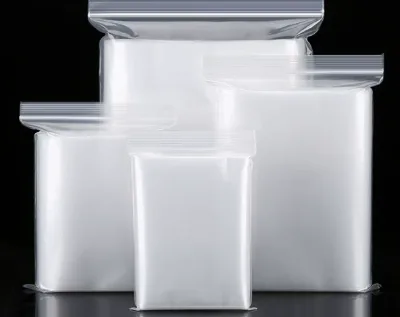
Plastic Packaging bags are commonly manufactured using LDPE and High Pressure Polyethylene. These materials ensure durability and flexibility for various applications. Some products also utilize PET or PVC types for specific industrial uses. The choice of material depends on the required strength and moisture-proof features for the intended use case.
Can I customize the logo on Plastic Packaging?
Yes, customized logo printing is available for many Plastic Packaging products. Buyers can request specific branding to enhance product visibility. This service supports various printing techniques, including embossing and gravure printing. Customization allows businesses to maintain brand consistency across their packaging solutions while meeting specific design requirements.
What is the minimum order quantity for plastic bags?
The minimum order quantity varies significantly depending on the supplier and product type. Observed MOQ ranges from 1 to 100,000 units. Smaller quantities may be suitable for sampling or small-scale projects, while larger orders benefit from bulk pricing. Buyers should check specific product listings to determine the exact MOQ required for their purchase.
Are Plastic Packaging boxes available in specific sizes?
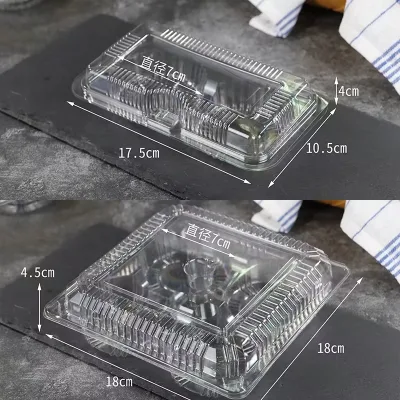
Plastic Packaging boxes come in various standardized and customized sizes. For example, some models measure 205*110*80mm or 50X50X40 cm. Thickness options like 0.3mm are also available. Custom sizes can be requested to fit specific product dimensions, ensuring optimal protection and efficient storage for the packaged goods.
Where are these Plastic Packaging products manufactured?
These Plastic Packaging products are primarily manufactured in China, with specific origins in Shandong and Tianjin. These regions are known for their robust manufacturing capabilities in Plastic Packaging. Buyers can source directly from these locations to ensure quality and reliability. The geographic origin often influences logistics and lead times for international shipments.
What features do disposable plastic bags offer?
Disposable plastic bags offer features such as being moisture-proof and easy to use. They are designed for single-use applications in household or industrial settings. The bags are often made from recyclable materials to support sustainability efforts. Their lightweight nature and durability make them ideal for packing and transporting various goods efficiently.