Source Disposable Exam Paper for Hospital, SPA, and first aid
Find 30 options for Disposable Exam Paper for Hospital and other medical settings. Buyers can compare specifications like size, GSM, and certifications from Chinese manufacturers offering OEM services and free samples.
Key considerations
Products List


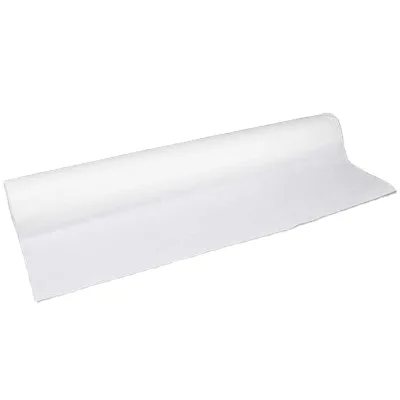
Hospital Bed Protective Paper Patient Examination Sheet Disposable Drape Sheet
$0.16 - $0.27
MOQ: 10000 Pieces




Comprehensive Sourcing Guide
Strategic Sourcing Guide for Disposable Examination Paper in Healthcare Settings
Procuring disposable examination paper for hospital environments requires a meticulous approach that balances clinical efficacy, regulatory compliance, and supply chain reliability. This guide synthesizes verified product attributes and industry standards to assist procurement professionals in selecting the right materials for medical examinations, beauty salons, and outdoor first aid scenarios. The focus remains on evidence-based decision-making, ensuring that every selection criterion aligns with the operational needs of healthcare facilities while adhering to strict safety and quality benchmarks.
Technical Specifications and Material Composition
The foundation of a successful procurement strategy lies in understanding the precise technical specifications of the product. Disposable examination paper is not a monolithic commodity; it varies significantly in weight, dimensions, and functional properties. Based on observed market data, the material composition typically involves a dual-layer structure combining paper and polyethylene (PE) film. This "Tissue+PE" configuration is critical because it delivers the necessary dual functionality: absorbency on one side and waterproofing on the other.
Buyers must verify the specific weight (GSM) of the paper, as this directly impacts durability and fluid retention. The observed range for these products spans from 10GSM to 260GSM, with a common operational band noted between 29GSM and 50GSM. Lighter weights may be suitable for low-fluid procedures, while heavier weights are essential for gynecological examinations or procedures involving significant fluid exposure. Dimensional consistency is equally vital. Standard roll sizes observed include 50cm x 50m, 50cm x 50cm, and 60cm x 50cm. However, custom dimensions such as 80cm x 175cm, 80cm x 210cm, and 70cm x 250cm are frequently available to accommodate specific examination couch sizes.
The following table outlines the key technical variables that should be verified during the sourcing process:
| Attribute | Observed Range/Options | Procurement Verification Requirement |
|---|---|---|
| Material | Paper + PE Film | Confirm the PE layer is on the correct side (waterproof) and paper on the absorbent side. |
| Weight (GSM) | 10-260 GSM (Common: 29-50 GSM) | Match GSM to the expected fluid load of the procedure. |
| Dimensions | 50cm-80cm width; 50m-250cm length | Verify roll width matches the examination table; confirm length for coverage per patient. |
| Absorbency | Yes (Paper Side) | Ensure the paper side is designed for high absorption without disintegration. |
| Waterproofing | Yes (PE Film Side) | Confirm the PE side prevents fluid penetration to the table surface. |
| Thread/Perforation | Yes or No (Custom) | Determine if perforation is needed for easy tearing or if continuous rolls are preferred. |
Regulatory Compliance and Quality Certifications
In the medical supply sector, compliance is not merely a formality but a prerequisite for patient safety and legal operation. Procurement teams must rigorously audit the quality certifications held by potential suppliers. The industry standard for these products often includes CE marking, ISO 9001 for quality management systems, and ISO 13485 specifically for medical device quality management. These certifications indicate that the manufacturer adheres to international standards for design control, risk management, and production consistency.
Safety standards are equally critical. Products intended for hospital use must comply with specific safety regulations, such as GB2626-2006, which governs respiratory protection and related safety equipment, though its application here relates to the broader safety framework of medical consumables. Buyers should also investigate the sterilization status of the product. Some suppliers offer products without Ethylene Oxide sterilization, while others may provide sterilized options depending on the clinical requirement. It is essential to confirm whether the product is intended for sterile or non-sterile applications, as this dictates the storage and handling protocols within the facility.
Furthermore, the "Quality Guarantee Period" is a tangible metric of supplier confidence. A standard two-year guarantee period suggests a commitment to product stability and shelf-life integrity. Procurement contracts should explicitly reference this guarantee to ensure recourse in case of premature degradation or quality failures.
Cost Drivers and Pricing Dynamics
Understanding the cost structure of disposable examination paper is essential for budget forecasting. The observed price range in the market spans from $0.01 to $10.96 USD, a wide variance that reflects differences in material quality, customization, and order volume. Several factors drive these costs. First, the GSM weight is a primary cost driver; higher GSM paper requires more raw material and energy to produce, directly increasing the unit price. Second, customization plays a significant role. Products with OEM printing, specific colors (White or Blue), or unique dimensions command a premium over standard white rolls.
The Minimum Order Quantity (MOQ) is another critical cost factor. The observed MOQ range is extensive, from 10 units to 100,000 units. For smaller clinics or pilot programs, suppliers with lower MOQs (e.g., 10 units) may be necessary, though the unit cost will likely be higher. Conversely, large hospital networks can leverage high-volume orders to negotiate lower per-unit costs, provided they can meet the storage and cash flow requirements of bulk purchasing.
Additional cost considerations include packaging and logistics. Standard packaging involves 1 roll per PE bag and 12 rolls per brown carton, but custom packaging with OEM printing is available. Buyers must factor in the cost of freight, especially since free samples are often available only with freight collection. The delivery time, typically ranging from 20 to 25 days after order confirmation, also impacts the total cost of ownership by influencing inventory holding costs and the need for safety stock.
Typical Applications and Usage Scenarios
Disposable examination paper serves diverse applications across the healthcare and wellness sectors. The primary use case is in hospitals and clinics for gynecological examinations, general physical checks, and beauty salon treatments. The product's dual-sided nature makes it ideal for these environments, where hygiene and patient comfort are paramount. The "One Side Absorbent, The Other Side Waterproof" characteristic ensures that bodily fluids are contained, protecting the examination table and reducing cross-contamination risks.
Beyond clinical settings, these products are suitable for outdoor first aid scenarios, where portability and reliability are crucial. The robust construction of the paper roll allows it to withstand varying environmental conditions while maintaining its structural integrity. Additionally, the product is categorized for both household and commercial use, indicating its versatility. For instance, in beauty salons, the paper provides a clean surface for treatments, while in hospitals, it is a critical component of infection control protocols.
The "Type" of the product is often specified as "Surgical Supplies Materials" or "Gynecological Examination Materials," reflecting its specialized application. Procurement teams should align their purchasing with the specific needs of their departments. For example, a gynecology department may require higher GSM paper for better absorbency, while a general practice might prioritize cost-effective, standard-weight rolls.
Supplier Evaluation and Manufacturing Capabilities
Selecting the right supplier involves more than just comparing prices; it requires a deep dive into their manufacturing capabilities and track record. A verified "Factory" status is a strong indicator of supply chain stability, as it suggests direct control over production quality and lead times. Suppliers who offer OEM services allow for branding and customization, which can be beneficial for hospital chains seeking to maintain a consistent brand identity across their facilities.
When evaluating suppliers, buyers should look for evidence of participation in major industry exhibitions such as Medica. This participation often signals a commitment to staying current with industry trends and maintaining a robust network of clients. The ability to provide free samples (with freight collection) is another positive indicator, allowing buyers to physically test the product's absorbency, waterproofing, and tear resistance before committing to a large order.
Supply chain transparency is also vital. Suppliers should be able to clearly articulate their production capacity and lead times. The observed delivery time of 20 to 25 days is a standard benchmark, but buyers should verify if this timeline holds during peak seasons. Additionally, the "Trade Mark" status of OEM suggests that the supplier is experienced in handling private label orders, which often requires a higher level of quality control and documentation.
Quality Control and Long-Term Procurement Considerations
Maintaining consistent quality over time is the ultimate goal of any procurement strategy. Buyers should implement a rigorous quality control protocol that includes regular sampling and testing. Key performance indicators (KPIs) should include the product's ability to maintain its waterproof barrier under pressure, the absorbency rate of the paper side, and the structural integrity of the roll during dispensing. The "Performation" attribute, which can be customized "with or Without as Per Clients Request," highlights the need for clear specifications in the purchase order to avoid ambiguity.
Long-term procurement considerations also involve the sustainability of the supply relationship. Suppliers offering a "Quality Guarantee Period" of two years demonstrate a long-term commitment to product reliability. Buyers should negotiate contracts that include clauses for quality assurance and remediation in case of defects. Furthermore, the flexibility of the supplier to adjust specifications, such as thread availability or printing requirements, is crucial for adapting to changing clinical needs.
Finally, buyers must consider the environmental impact of their procurement choices. While the product is disposable, the material composition (Paper+PE) and packaging (Carton Package) should be evaluated for recyclability and waste reduction potential. Suppliers who offer eco-friendly packaging options or sustainable manufacturing practices may provide a competitive advantage in the current market.
In conclusion, sourcing disposable examination paper for hospital settings requires a balanced approach that integrates technical specifications, regulatory compliance, cost analysis, and supplier evaluation. By adhering to the verified facts and industry standards outlined in this guide, procurement professionals can ensure the acquisition of high-quality materials that meet the rigorous demands of modern healthcare environments. The focus must remain on evidence-based decision-making, avoiding assumptions and prioritizing verified data to mitigate risk and optimize value.
FAQs
What certifications do disposable exam paper suppliers hold?
Suppliers typically hold CE, ISO9001, and ISO13485 certifications for quality management. These standards ensure the products meet international medical device requirements and safety benchmarks for hospital use.
How long is the delivery time for these examination rolls?
The standard delivery time ranges from 20 to 25 days after order confirmation. This timeline allows for production and packaging preparation before shipping to the buyer.
Which dimensions are available for hospital examination paper rolls?
Available sizes include 50cm by 50m, 80cm by 175cm, and 70cm by 250cm. Custom dimensions are also offered to fit specific examination couch requirements.
Can I request custom printing on the examination paper?
Yes, customization including OEM printing is available upon client request. Buyers can specify colors like white or blue and add their trade marks to the product.
What is the minimum order quantity for these surgical supplies?
The minimum order quantity ranges from 10 units up to 100,000 units depending on the supplier. Lower MOQs suit smaller clinics while higher volumes suit large hospital networks.
How is the product packaged for shipment to hospitals?
Products are packed with one roll per PE bag and twelve rolls per brown carton. Custom packaging with OEM printing is also available for specific client needs.
What is the weight range for the disposable exam paper?
The paper weight ranges from 10GSM to 260GSM, with common operational weights between 29GSM and 50GSM. Heavier weights provide better absorbency for gynecological procedures.