Source Disposable Filter Medical Pipette Tip for Lab, Clinic, Research
Find 30 verified listings for Disposable Filter Medical Pipette Tip from Zhejiang and Shandong suppliers. Compare ISO and ISO13485 certified options in 10UL to 1000UL volumes with OEM support and free samples available.
Key considerations
Products List


Siny 10UL 200UL 1000UL Sterile Disposable Pipette Tips with Filter ISO
$0.01 - $0.01
MOQ: 10000 Pieces

Siny Tips ISO Approved Tip Transparent Blue Yellow Sterile Filter Pipette T
$0.02 - $0.03
MOQ: 10000 Pieces


Comprehensive Sourcing Guide
Strategic Sourcing Guide for Disposable Filter Medical Pipette Tips
Understanding Technical Specifications and Material Composition
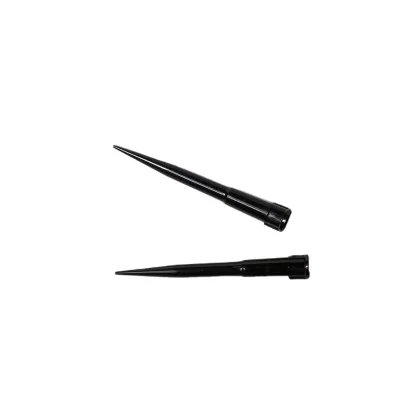
When sourcing disposable filter medical pipette tips, the primary objective is to identify products that prevent cross-contamination while maintaining fluid handling precision. The core product category encompasses items labeled as "Pipette Filter Tips" and "Universal Pipette Tips," which are designed specifically for laboratory usage in medical and scientific environments. A critical technical attribute observed in this market is the material composition. High-quality tips are predominantly manufactured from PP (Polypropylene), a raw material selected for its chemical resistance, clarity, and ability to withstand autoclaving processes, although the specific products in the current dataset are noted as sterile via Ethylene Oxide Sterilization rather than autoclaving.
The physical specifications of these tips vary significantly based on the intended volume. Buyers must verify that the product matches the required volume range, as the market offers options including 10ul, 20ul, 50ul, 100ul, 200ul, 1000ul, 1250ul, and 5000ul. The presence of a filter is the defining feature of the "filter" variant, typically made of polyethylene, which sits within the tip to trap aerosols and prevent sample contamination. The dataset indicates that specific models, such as E1010-1 and MPBS8022, adhere to specific volume standards like 10ul or 200ul, while others support a broader range.
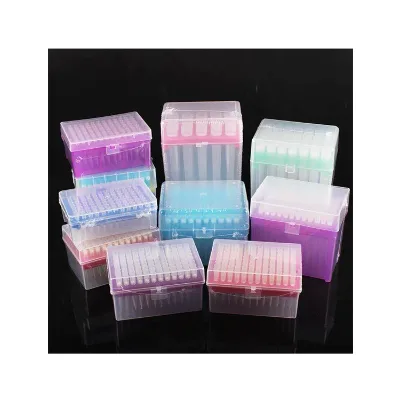
Packaging is another vital technical specification that impacts logistics and laboratory workflow. Standard configurations include racks holding 96 tips, with cartons containing 50 racks. Alternative packaging formats observed include bulk bagging, such as 1000 pieces per bag with 10 bags per carton, or specific counts like 60,000 pieces per carton. The physical dimensions of the packaging, such as 564242 cm, are essential for calculating shipping volume and warehouse storage requirements. Buyers should confirm that the packaging design protects the tips from physical damage and maintains sterility until the point of use.
Compliance, Certification, and Regulatory Standards
Navigating the regulatory landscape is paramount when sourcing medical-grade pipette tips. The market data highlights several critical certifications that serve as proxies for quality and safety. The most frequently observed certification in the dataset is ISO, with specific references to ISO13485, which is the international standard for quality management systems specific to medical devices. This certification indicates that the manufacturer has established processes to ensure consistent product quality and safety. Additionally, CE marking is present in the high-confidence facts, suggesting compliance with European health, safety, and environmental protection standards.
While the dataset mentions standards such as EN 552 and ISO 11137 in the background information, these should be treated as verification points rather than guaranteed attributes for every listed product. Buyers must explicitly request documentation proving that the specific batch of pipette tips meets the relevant sterilization standards, particularly Ethylene Oxide Sterilization, which is listed as a key attribute for the products in the supply chain. The "Sterile: Yes" attribute confirms that the tips are free from viable microorganisms, a non-negotiable requirement for medical applications.
Furthermore, the export markets for these products are global, implying that suppliers must navigate various international regulatory frameworks. The HS code 3926909090 is identified for these plastic products, which is crucial for customs clearance and tariff classification. When evaluating suppliers, procurement teams should verify that the manufacturer holds valid ISO13485 and CE certificates that are current and cover the specific product line being purchased. Relying solely on general claims without requesting valid certificate numbers can lead to compliance risks, especially in highly regulated medical sectors.
Cost Drivers and Economic Factors in Procurement
The cost of disposable filter medical pipette tips is influenced by a complex interplay of factors, including raw material prices, manufacturing complexity, and order volume. The observed price range in the market spans from 0 to 10,000 USD, though this wide range likely reflects the difference between single-unit samples and bulk industrial orders rather than the unit price of a single tip. The Minimum Order Quantity (MOQ) is a significant cost driver, with observed ranges extending from 1 to 10,000,000 units. For large-scale procurement, the MOQ of 100,000 units is a common threshold, which can significantly impact the unit cost through economies of scale.
Customization is a major variable affecting pricing. The dataset confirms that "Customization: Available" and "OEM / ODM: Customize Logo" are standard services. Suppliers offering logo printing and custom packaging solutions typically charge a premium or require higher MOQs to amortize the setup costs. The "Free Samples" attribute suggests that initial evaluation does not incur material costs, but buyers should be aware that shipping costs for samples may apply. Additionally, the "Quality Guarantee Period: Two Years" implies a long-term commitment from the supplier, which can be a value-added factor in the overall cost-benefit analysis.
Logistics and transportation methods also contribute to the final landed cost. The available means of transport include air and sea freight. Air freight offers speed but at a higher cost, suitable for urgent, low-volume orders, while sea freight is more economical for large shipments, aligning with the high-volume capacity of 1,000,000 pieces per day observed in the supply chain. Buyers should calculate the total cost of ownership, including freight, duties, and potential inventory holding costs, rather than focusing solely on the unit price. The "Good Quality" attribute suggests that while cheaper options exist, the market value is often tied to the reliability and sterility assurance of the product.
Typical Applications and Operational Requirements
Disposable filter medical pipette tips are engineered for a wide array of applications within the laboratory and medical sectors. The primary application is identified as "Laboratory Usage," which encompasses clinical diagnostics, research and development, and pharmaceutical manufacturing. The "Group: Adult" attribute indicates that these products are intended for use by adult professionals in controlled environments, rather than for direct patient administration. The filter component is specifically designed to protect the pipette mechanism and the sample from aerosol contamination, making these tips essential for sensitive procedures involving PCR, DNA extraction, and cell culture.
The versatility of the product is demonstrated by the range of volumes available, from 10ul to 5000ul. This allows laboratories to select the appropriate tip for specific liquid handling tasks, ensuring accuracy and precision. The "Electric" and "Manual" power source attributes in the dataset likely refer to the pipettes used in conjunction with the tips, indicating compatibility with both automated liquid handling systems and manual pipetting techniques. The "Universal Pipette Tips" designation suggests broad compatibility with various pipette brands and models, reducing the need for specialized equipment.
In medical settings, the sterility of the tips is critical to prevent infection and ensure sample integrity. The use of Ethylene Oxide Sterilization ensures that the tips are free from biological contaminants. The "Disposable" nature of the product eliminates the need for cleaning and re-sterilization, reducing the risk of cross-contamination between samples. This is particularly important in high-throughput environments where speed and reliability are paramount. The "Good Quality" standard ensures that the tips fit securely on pipettes, preventing leaks and ensuring accurate volume delivery.
Supplier Evaluation and Manufacturing Capabilities
Evaluating potential suppliers requires a deep dive into their manufacturing capabilities, geographic location, and operational history. The dataset indicates that suppliers are located in various regions of China, including Zhejiang, Heze (Shandong), and Shanghai. These regions are known for their robust manufacturing infrastructure and expertise in producing medical devices. The "Place of Origin: China" is a consistent attribute, but the specific city can influence logistics and communication efficiency.
Capacity is a critical factor in supplier selection. The observed production capacity of 1,000,000 pieces per day suggests that suppliers have the ability to handle large orders and meet high demand. This capacity is supported by the "Normal Export Carton" packaging and the ability to produce custom models like E30040 and E30037. Buyers should verify that the supplier's capacity aligns with their projected demand to avoid supply chain disruptions. The "Customized Support: OEM" attribute indicates that suppliers are willing to adapt their production lines to meet specific client needs, which is a sign of a flexible and customer-oriented manufacturing partner.
Quality control is another essential aspect of supplier evaluation. The "Quality: Good Quality" attribute is a general claim, but buyers should request detailed quality control reports and audit results. The presence of ISO13485 certification is a strong indicator of a robust quality management system. Additionally, the "Quality Guarantee Period: Two Years" demonstrates the supplier's confidence in their product durability and performance. Buyers should also assess the supplier's track record in the "Global" export markets, as international experience often correlates with higher standards of compliance and reliability.
Quality Control and Long-Term Procurement Considerations
Implementing a rigorous quality control (QC) process is essential for ensuring the consistency and safety of disposable filter medical pipette tips. Buyers should establish clear acceptance criteria based on the product specifications, including volume accuracy, filter integrity, and sterility levels. The "Sterile: Yes" attribute must be verified through batch testing, and the "Ethylene Oxide Sterilization" process should be documented for each production run. Regular audits of the supplier's manufacturing facilities can help identify potential issues before they impact the supply chain.
Long-term procurement considerations involve building a sustainable relationship with suppliers who can provide consistent quality and support. The "Customization: Available" and "OEM / ODM" options allow buyers to tailor products to their specific needs, fostering a deeper partnership. The "Free Samples" attribute facilitates initial testing and validation, reducing the risk of adopting a new supplier. However, buyers must also consider the "MOQ" constraints, as high minimum order quantities can impact inventory management and cash flow.
To mitigate risks, buyers should diversify their supplier base and maintain a buffer stock of critical items. The "Export Markets: Global" attribute suggests that suppliers are accustomed to international trade regulations, but buyers should still verify that all necessary documentation, such as certificates of origin and analysis, is available for each shipment. The "Means of Transport: by Air, by Sea" options provide flexibility in logistics planning, allowing buyers to balance cost and speed based on their operational requirements. By focusing on these long-term strategies, buyers can ensure a stable and reliable supply of high-quality disposable filter medical pipette tips.
Comparative Analysis of Product Models and Specifications
To assist buyers in making informed decisions, the following table compares key attributes of the observed product models and specifications. This comparison highlights the variations in volume, packaging, and model numbers that are critical for selection.
| Product Model | Volume Range | Packaging Format | Origin Location | Key Certification |
|---|---|---|---|---|
| E1010-1 | 10ul | 60000PCS/CTN | Zhejiang, China | ISO, CE |
| MPBS8022 | 10ul/20ul/50ul/100ul/200ul/1000ul/1250ul/5000ul | Carton | Heze, Shandong | ISO13485 |
| CY-112 | 564242 (Dimension) | Normal Export Carton | Heze, Shandong | ISO |
| E30040 | 10ul, 200ul, 1000ul | 1000PCS/Bag, 10bags/Carton | Shanghai | ISO |
| E30037 | 10ul, 100ul, 200ul, 1000ul | 96PCS/Rack, 100racks/Carton | Shanghai | ISO |
This table illustrates the diversity in the market, with different models offering varying volume ranges and packaging solutions. The E30037 and MPBS8022 models, for instance, offer a wide range of volumes, making them suitable for laboratories requiring versatility. In contrast, the E1010-1 model focuses on a specific volume with high-density packaging. Buyers should match these specifications to their specific operational needs to optimize efficiency and cost. The origin locations also vary, which may influence lead times and shipping costs depending on the buyer's location. By carefully analyzing these attributes, procurement teams can select the most appropriate products for their specific requirements.
FAQs
What certifications do disposable filter medical pipette tips have?
The products hold ISO and ISO13485 certifications, with some listings also showing CE marks. These certifications indicate compliance with international quality management systems for medical devices and European safety standards, ensuring reliability for laboratory usage.
Which volume specifications are available for these pipette tips?
Available volumes include 10ul, 20ul, 50ul, 100ul, 200ul, 1000ul, 1250ul, and 5000ul. Specific models like E1010-1 and MPBS8022 support these ranges, allowing laboratories to select the precise tip size required for their fluid handling tasks.
Can buyers request custom logo printing on the tips?
Yes, customization is available with options for logo printing and OEM support. Suppliers offer these services to help brands differentiate their products, though specific minimum order quantities may apply to cover the setup costs for custom branding.
How are the tips packaged for international shipping?
Packaging varies by model, including 96 tips per rack with 50 racks per carton, or bulk bags of 1000 pieces. Some cartons hold up to 60,000 pieces, and dimensions like 56*42*42 cm are used to optimize storage and transport logistics.
What is the minimum order quantity for these products?
The minimum order quantity can range from 1 unit for samples up to 100,000 units for bulk orders. A specific listing shows an MOQ of 100,000, which is a common threshold for achieving economies of scale in large-scale procurement.
Are the pipette tips sterile and how are they sterilized?
The tips are sterile and undergo Ethylene Oxide Sterilization to ensure they are free from viable microorganisms. This process is critical for medical applications, guaranteeing that the products are safe for use in clinical diagnostics and sensitive laboratory procedures.