Source Disposable Laparoscopic Surgical Trocars for Abdominal, Surgical Room, and Endoscopic Uses
Compare 30 listings of Disposable Laparoscopic Surgical Trocars featuring customizable options, various sizes like 3/5/10/12mm, and sterilization methods. Buyers can evaluate specifications from Qingdao-based suppliers offering delivery in 7-15 days.
Key considerations
Products List


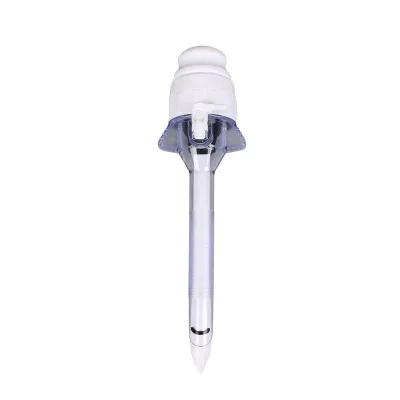
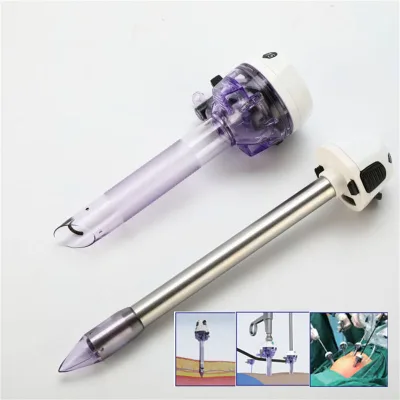
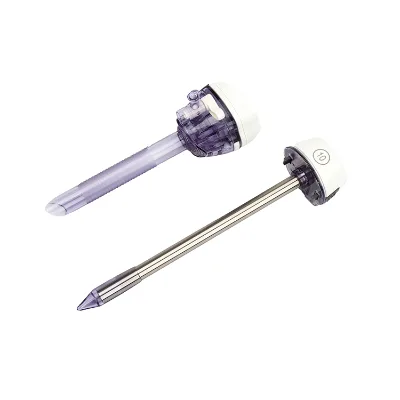
Medical Equipment Disposable Surgical Instrument Laparoscopic Trocar for Abdominal Surgery
$10.50 - $12.00
MOQ: 100 Pieces


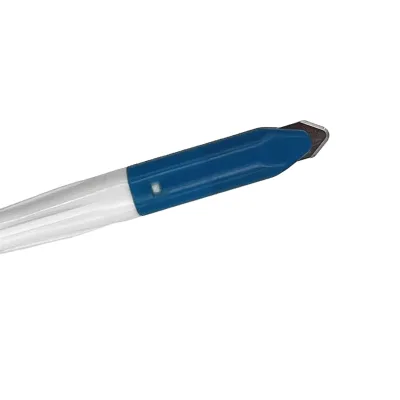
Disposable Endoscopic Cutter Surgical Staplers and Reload for Laparoscopic
$50.00 - $120.00
MOQ: 1 Pieces

Cutter Stapler and Reloads Laparoscopic Surgery Disposable Endoscopic Cutter Stapler Reload
$50.00 - $120.00
MOQ: 1 Pieces


Hot Sale Disposable Laparoscopic Trocar Disposable Trocar Disposable Endoscopic Trocar
$8.00 - $10.00
MOQ: 1 Pieces


Comprehensive Sourcing Guide
Strategic Sourcing Guide for Disposable Laparoscopic Surgical Trocars
Understanding Product Specifications and Technical Variability
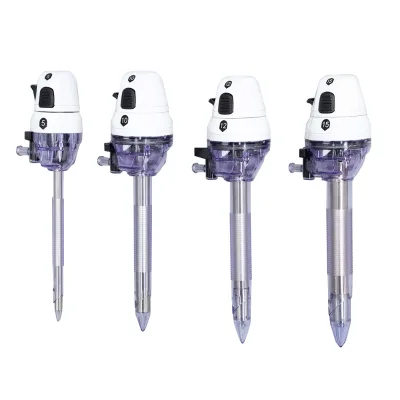
When sourcing Disposable Laparoscopic Surgical Trocars, buyers must first navigate a complex landscape of technical specifications that vary significantly between manufacturers. The core product, often categorized under surgical supplies materials, is designed for use in the abdominal surgical room. A critical observation from current market data indicates that these devices are frequently available in specific diameters, with standard models ranging from 3mm to 12mm, and in some extended lines, up to 15mm. The specific model numbers observed in the supply chain, such as ESS-62, ESS-613, ESS-603, ESS-607, ESS4, and ESS36, suggest a highly modular product line where the model designation often correlates with the intended application or specific surgical requirements.
Buyers should not assume that a single specification applies to all inventory. For instance, while some listings highlight a "3/5/10/12mm" standard, others explicitly list "3mm, 5mm, 10mm, 12mm, 15mm" as the available range. This variance necessitates a rigorous verification process where the procurement team must confirm the exact diameter requirements for their specific surgical procedures. Furthermore, the physical construction often includes features described as "Easy to Operate," which implies ergonomic designs intended to reduce surgeon fatigue during prolonged procedures. The product properties are consistently identified as "Disposable Endoscopic Trocars," meaning the device is intended for single-use to mitigate cross-contamination risks, a standard practice in modern sterile surgical environments.
The material composition is another vital technical parameter. The predominant material observed in the current market is plastic, which offers a balance between durability and cost-effectiveness for disposable items. However, the specific grade of plastic and the manufacturing process used to create the trocar cannula and valve system are not always detailed in high-level summaries. Buyers must request detailed technical datasheets that specify the polymer type, as this directly impacts the device's resistance to chemical sterilization agents and its mechanical strength during insertion. The "7-15days" delivery time noted in some supplier profiles often correlates with the customization and finishing processes required, suggesting that lead times can fluctuate based on the complexity of the order and the specific model selected.
Compliance, Certification, and Sterilization Protocols
In the medical device sector, compliance is not merely a regulatory formality but a fundamental requirement for patient safety and legal operation. The supplied data indicates that products are frequently associated with ISOCE certification, which serves as a primary indicator of quality management systems. However, buyers must exercise caution and verify the specific scope of this certification. While the text mentions "ISOCE" and "CE" in different contexts, the distinction between a manufacturer's self-declaration and a third-party notified body assessment is critical. The background information also references ISO 13485, a standard for medical device quality management, but this should be treated as a general industry benchmark rather than a guaranteed attribute of every listed product.
Sterilization is perhaps the most critical compliance factor for disposable trocars. The market data explicitly lists "Ethylene Oxide Sterilization" as a standard attribute for many surgical supplies. This method is the industry gold standard for heat-sensitive medical devices, ensuring that the plastic components and any internal valves are free from biological contaminants. Buyers must verify that the sterilization certificate accompanies the shipment and that the sterility assurance level (SAL) meets the required international standards, typically 10^-6. It is essential to confirm that the packaging integrity remains intact until the point of use, as any breach in the sterile barrier renders the product unusable.
The origin of the product also plays a role in compliance verification. Many listings indicate "Qingdao" or "China (Mainland)" as the place of origin. While these regions host numerous high-quality medical device manufacturers, the regulatory environment can vary. Buyers should ensure that the supplier provides a Declaration of Conformity that aligns with the regulations of the destination market, whether it be the European Union, the United States, or other regions. The presence of "OEM Printing" and "Logo Printing" options suggests that many suppliers offer private labeling, which requires the buyer to ensure that the branding does not obscure critical regulatory markings or lot numbers on the packaging.
Cost Drivers and Pricing Structure Analysis
The pricing structure for disposable laparoscopic trocars is influenced by a variety of factors, including material costs, sterilization methods, and order volume. The observed price range in the market spans from $0.01 to $120 USD. This wide disparity is not indicative of a single product tier but rather reflects the difference between individual components, complete kits, and specialized high-end models. A unit price of $0.01 likely refers to a specific component or a bulk unit price for a very large order, whereas the $120 figure may represent a specialized surgical kit or a premium model with advanced features.
The Minimum Order Quantity (MOQ) is a significant cost driver. The data shows an MOQ range from 1 piece to 500 pieces. An MOQ of 1 piece allows for small-scale testing or emergency procurement but typically carries a higher per-unit cost. Conversely, an MOQ of 500 pieces suggests economies of scale, where the per-unit price drops significantly. Buyers must balance their inventory needs against cash flow constraints. For instance, an order of 1000 units might be priced differently than two orders of 500 units due to shipping and handling efficiencies.
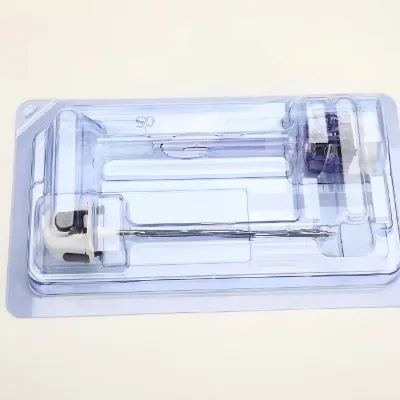
Packaging also impacts the final cost. The market offers various packaging options, including "Box," "Master Carton," "Carton," and "Blister Packing." The standard packing density varies, with some listings specifying "10pcs/Carton" and others "1PC/Blister, 100PCS/Carton." The choice of packaging affects the unit cost and the logistics efficiency. Blister packing is often more expensive per unit but offers superior protection and ease of use in the operating room. Master cartons are typically used for bulk shipping to reduce freight costs. Buyers should calculate the total landed cost, including freight, insurance, and customs duties, rather than focusing solely on the unit price. The "7-15days" lead time also influences cost, as expedited shipping options via carriers like DHL, UPS, FedEx, EMS, or TNT Air Cargo will incur additional charges.
Typical Applications and Surgical Context
Disposable laparoscopic trocars are primarily designed for abdominal surgical procedures. The "Application" field in the product data explicitly states "Abdominal," confirming their use in minimally invasive surgeries where access to the abdominal cavity is required. These devices are essential for creating a port through which laparoscopic instruments, cameras, and insufflation tubes are inserted. The "Usage" field further clarifies that these are intended for the "Surgical Room," indicating their role in the sterile environment of an operating theater.
The target demographic for these products is generally the "Adult" group, as specified in the product attributes. While pediatric trocars exist in the broader market, the specific data provided focuses on adult applications. The "Properties" of the trocars, described as "Disposable Endoscopic Trocars," highlight their single-use nature, which is crucial for preventing surgical site infections (SSIs). The "Features" such as "Easy to Operate" are designed to facilitate smooth insertion and secure placement, reducing the risk of accidental injury to internal organs.
In addition to standard laparoscopic procedures, these trocars are often used in conjunction with other endoscopic tools. The data mentions "Endoscopic Staplers and Reload Unit" and "Endoscopic Linear Cutter Stapler Reload" as related product categories, suggesting that trocars are part of a larger ecosystem of surgical instruments. The "Keywords" such as "Disposable Laparoscopic Trocar" and "Endoscopic Stapler" reinforce the specialized nature of these items. Buyers should consider the compatibility of the trocars with the specific instruments they plan to use, as the diameter and valve design must align with the shafts of the laparoscopic tools.
Supplier Evaluation and Quality Assurance
Evaluating suppliers for disposable laparoscopic trocars requires a multi-faceted approach that goes beyond price comparisons. The "Quality Guarantee Period" is a key metric, with data showing ranges from "One Year" to "Two Years." This guarantee typically covers the shelf life and the integrity of the sterile packaging. A longer guarantee period can indicate a manufacturer's confidence in their product stability and storage conditions. However, buyers must verify the terms of this guarantee, as it may not cover damage caused by improper storage or handling by the buyer.
The "Customization" attribute being "Available" suggests that suppliers are willing to tailor products to specific needs, such as logo printing or specific packaging requirements. This flexibility is valuable for hospitals and distributors looking to brand their inventory. However, customization can introduce variability in the production process, so buyers must ensure that the supplier has robust quality control measures in place to maintain consistency across customized batches.
Quality control should be a central part of the supplier evaluation process. Buyers should request evidence of the manufacturing process, including the "Finish" timeline of "7-15days," which may reflect the time required for quality checks and sterilization. The "prod_packing" details, such as "Box," "Master Carton," or "Blister Packing," should be inspected to ensure they meet the required standards for protection and sterility. The "Standard" values, such as "3/5/10/12mm" or "10pcs/Carton," should be verified against the actual product received to ensure compliance with the order specifications.
Long-Term Procurement and Logistics Considerations
Long-term procurement of disposable laparoscopic trocars involves strategic planning around logistics, inventory management, and supply chain resilience. The "Shipping" options listed, including "DHL\UPS\FedEx\EMS\TNT Air Cargo," provide flexibility but also introduce variables in lead time and cost. Air cargo is generally faster but more expensive, while sea freight is slower but more cost-effective for large volumes. Buyers must align their shipping method with their clinical demand patterns to avoid stockouts or excessive inventory holding costs.
The "Delivery Time" of "7-15days" is a critical factor in supply chain planning. This timeframe should be factored into the reorder point calculations to ensure that inventory levels remain sufficient to meet surgical demand. Buyers should also consider the "Location" of the supplier, with "Qingdao" and "China (Mainland)" being common origins. Proximity to the buyer's location can reduce lead times and shipping costs, but it is not always the primary determinant of quality.
Inventory management is another long-term consideration. The "prod_packing" specifications, such as "10pcs/Carton" or "100PCS/Carton," influence how the product is stored and handled in the warehouse. Proper storage conditions are essential to maintain the sterility and integrity of the trocars. Buyers should establish clear protocols for receiving, inspecting, and storing these medical devices to prevent damage or contamination.
Finally, the "Quality Guarantee Period" of one or two years provides a buffer for inventory management. However, buyers must monitor expiration dates closely to ensure that products are used before they expire. The "OEM Printing" option allows for branding, which can enhance the visibility of the supplier's products in the market, but it also requires careful management of branding assets and regulatory compliance. By focusing on these long-term factors, buyers can build a sustainable and efficient procurement strategy for Disposable Laparoscopic Surgical Trocars.
Comparative Analysis of Product Attributes
To facilitate decision-making, the following table summarizes the key attributes observed in the market for Disposable Laparoscopic Surgical Trocars. This comparison highlights the variability in specifications, packaging, and certifications that buyers must navigate.
| Attribute Category | Observed Variations | Key Considerations for Buyers |
|---|---|---|
| Diameter/Model | 3/5/10/12mm, 15mm; Models: ESS-62, ESS-613, ESS-603, ESS-607, ESS4, ESS36 | Verify exact diameter needs for specific surgical procedures; match model to instrument compatibility. |
| Material | Plastic | Confirm polymer grade for chemical resistance and mechanical strength; check for biocompatibility. |
| Sterilization | Ethylene Oxide Sterilization | Ensure sterility certificates are provided; verify SAL (Sterility Assurance Level) compliance. |
| Packaging | Box, Master Carton, Blister Packing, Carton; 10pcs/Carton, 100PCS/Carton | Assess packaging integrity for sterility; calculate unit cost based on packaging density. |
| Certification | ISOCE, CE (background), ISO 13485 (background) | Verify specific certification scope and validity; do not assume all products have all certifications. |
| Lead Time | 7-15 days | Factor into inventory planning; distinguish between production time and shipping time. |
| MOQ | 1 PCS to 500 PCS | Balance small order flexibility with bulk pricing benefits; consider storage capacity. |
| Origin | Qingdao, China (Mainland) | Verify regulatory compliance for the destination market; assess logistics efficiency. |
| Guarantee | One Year, Two Years | Review terms of the guarantee; check shelf life and expiration date policies. |
| Customization | Logo Printing (With/Without), OEM Printing (Yes) | Confirm branding requirements; ensure customization does not compromise quality. |
This table serves as a reference for buyers to systematically evaluate potential suppliers and products. By cross-referencing these attributes with their specific operational needs, procurement teams can make informed decisions that balance cost, quality, and compliance. The variability in these attributes underscores the importance of detailed due diligence and clear communication with suppliers to ensure that the final product meets the rigorous standards required for safe and effective surgical procedures.
FAQs
What sterilization method is used for these trocars?
Ethylene Oxide Sterilization is the standard method used for these disposable surgical trocars. This process ensures the plastic components and internal valves are free from biological contaminants while maintaining the integrity of heat-sensitive materials.
Which certification standards apply to these surgical supplies?
The products are associated with ISOCE certification as a primary indicator of quality management systems. Buyers should verify the specific scope of this certification and ensure it aligns with the regulations of their destination market.
How long is the delivery time for these items?
The typical delivery time ranges from 7 to 15 days for finishing and processing. This timeline can fluctuate based on the complexity of the order, the specific model selected, and the required customization or sterilization steps.
What is the minimum order quantity for purchasing these trocars?
The minimum order quantity can be as low as 1 piece for testing or emergency procurement. However, bulk orders may require up to 500 pieces to achieve economies of scale and lower per-unit costs.
Can these trocars be customized with a specific logo?
Yes, customization is available, including options for logo printing on the packaging or product. Buyers must ensure that branding does not obscure critical regulatory markings or lot numbers required for medical device compliance.
What are the available diameter specifications for these trocars?
Standard models are available in diameters ranging from 3mm to 12mm, with some lines extending up to 15mm. Specific model numbers like ESS-62 or ESS-613 often correlate with these intended application sizes.
Where are these surgical supplies manufactured and shipped from?
The products originate from Qingdao and China (Mainland). They are typically shipped via air cargo carriers such as DHL, UPS, FedEx, EMS, or TNT to ensure timely delivery to surgical rooms globally.