Source Disposable Lightweight Plastic Champagne Flutes for parties, events, and weddings
Find 30 options for Disposable Lightweight Plastic Champagne Flutes from verified suppliers in China. Buyers can compare specifications like material, capacity, and packaging details to select the right drinkware for various occasions.
Key considerations
Products List
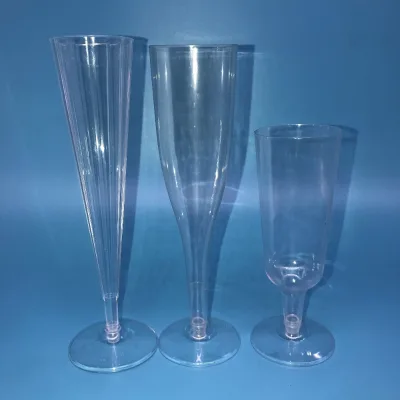


Wholesale Popular Tableware Low Price Disposable Plastic Cup Champagne Flutes
$0.07 - $0.08
MOQ: 3000 Pieces


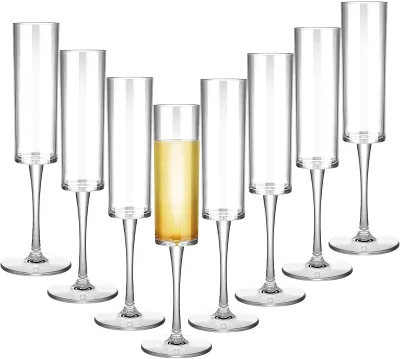
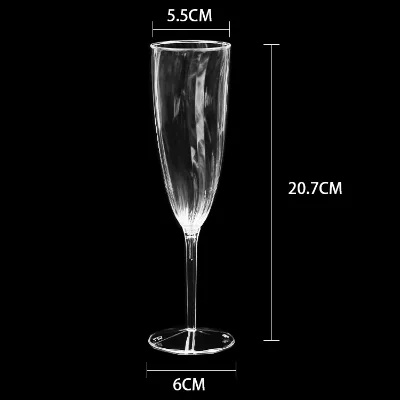



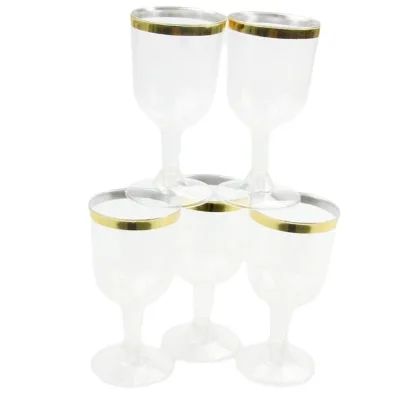
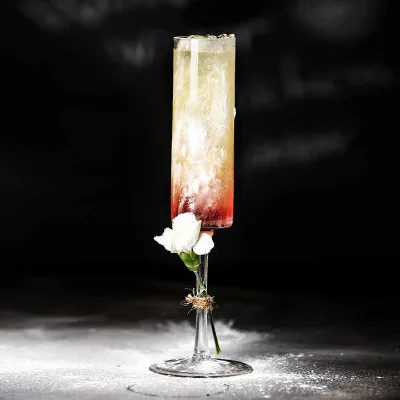


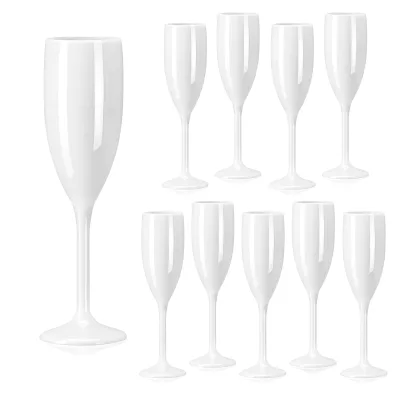
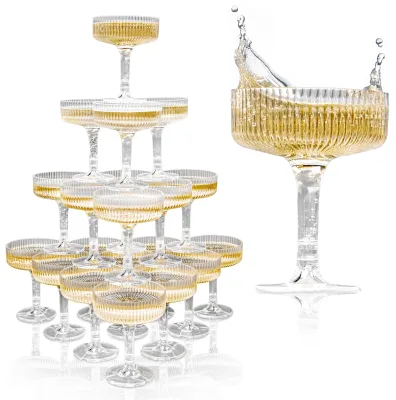
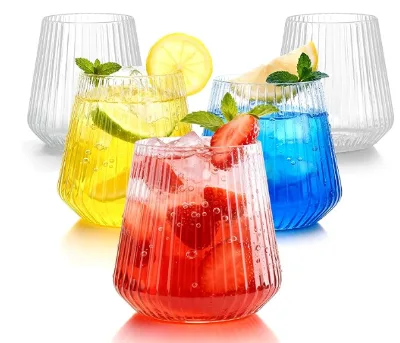


Custom Plastic Glass Cups Champagne Flute Plastic Unbreakable Wine Glasses
$0.69 - $0.89
MOQ: 1000 Pieces


6.5oz Colored PS Plastic Champagne Flutes Cup for Wedding Party Hotel Events
$0.66 - $0.69
MOQ: 1000 Pieces


Comprehensive Sourcing Guide
Strategic Sourcing Guide for Disposable Lightweight Plastic Champagne Flutes
Technical Specifications and Material Composition
When evaluating Disposable Lightweight Plastic Champagne Flutes, the primary objective is to balance structural integrity with cost-efficiency. The product category is defined by specific physical attributes that distinguish it from standard drinking glasses or heavy-duty reusable stemware. Based on observed market data, these items typically feature a flute shape designed to mimic the aesthetic of traditional glassware while utilizing plastic polymers for durability and weight reduction. The material composition is a critical differentiator; listings indicate the use of Food Grade New PS (Polystyrene) material, as well as PP (Polypropylene) and general plastic variants. The choice of material directly influences the clarity, rigidity, and temperature resistance of the final product.
Dimensions are equally vital for procurement planning. Observed specifications show a total height ranging around 16cm, with a foot height of approximately 4cm, providing a stable base for the slender stem. The volume capacity is frequently listed as 6oz or 9oz (210ml), catering to standard serving sizes for champagne, sparkling wine, or cocktails. The weight of individual units is exceptionally low, with some data points indicating a single unit weight as low as 3g to 16g, confirming the "lightweight" designation. This low mass reduces shipping costs significantly compared to glass alternatives. Packaging dimensions also vary; single package sizes may range from 16x8x8 cm to 20x10x20 cm, while bulk cartons often measure approximately 49x34.5x32.5 cm, containing 24 packs with 12 pieces per pack. Buyers must verify that the specific model number, such as CC05-S or WG1, aligns with the required dimensions for their event logistics.
Compliance, Certification, and Food Safety Verification
For any product intended for food and beverage contact, compliance with international food safety standards is non-negotiable. While the provided data mentions "Eco-Friendly" features and "Recycled Drinkware" attributes, these claims require rigorous third-party verification before acceptance. The term "Food grade new PS material" suggests a baseline compliance, but buyers must not assume this status without documentation. In the global market, plastic food contact materials must adhere to regulations such as the FDA (Food and Drug Administration) standards in the United States or the EU Framework Regulation (EC) No 1935/2004 in Europe.
Buyers should explicitly request Certificates of Analysis (CoA) and Migration Test Reports from potential suppliers. These documents verify that the plastic does not leach harmful substances like styrene or other monomers into acidic or alcoholic beverages. The "Recycled Drinkware" attribute presents a specific compliance challenge; recycled plastics must be processed from food-grade post-consumer waste to be legally sold for direct food contact in many jurisdictions. If a supplier claims a product is made from recycled materials, the buyer must confirm the source of the recycled content and the purification process used. Additionally, the "Customized Logo Acceptable" feature implies that any printing inks or adhesives used for branding must also be food-safe and non-toxic. Without verified test results, a product labeled as "Eco-Friendly" or "Food Grade" remains an unverified assumption that poses a liability risk.
Cost Drivers and Pricing Dynamics
The pricing of disposable champagne flutes is influenced by a complex interplay of material costs, order volume, and logistical factors. The observed price range in the market spans from $0.06 to $2.19 USD per unit, a variance that reflects differences in material quality, design complexity, and order quantity. The lower end of this spectrum typically corresponds to basic, mass-produced units made from standard PS or PP with minimal customization. The higher end often includes flutes with enhanced clarity, specific "Modern" or "American Style" designs, or those incorporating silver accents and custom branding.
Order Volume is the most significant driver of unit cost. The Minimum Order Quantity (MOQ) varies widely, with observed ranges from 50 units to 100,000 units. A specific listing indicates an MOQ of 96 pieces, while others may require bulk commitments of 1,000 pieces or more. Suppliers often offer tiered pricing structures where the unit cost decreases as the order quantity increases, helping to offset the fixed costs of mold creation and production setup. The "Supply Ability" of a factory, noted as 25 forty-foot containers per month for some suppliers, indicates the capacity to handle large-scale orders without significant delays. However, buyers should be aware that "Free Sample" availability does not guarantee low pricing on bulk orders; samples are often provided at no cost to facilitate quality assessment, but the final contract price is determined by the negotiated volume.
Typical Applications and Usage Scenarios
The versatility of Disposable Lightweight Plastic Champagne Flutes makes them suitable for a wide array of high-volume events where glassware is impractical or too risky. The primary usage category identified is "Party," encompassing weddings, corporate galas, and birthday celebrations. The "Flute" shape and "Clear With Silver" or "Transparent Clear" finishes allow these products to blend seamlessly into formal settings, providing the visual elegance of glass without the risk of breakage. This makes them particularly valuable for outdoor events, poolside gatherings, or venues with high foot traffic where glass shards would pose a safety hazard.
Beyond social gatherings, these flutes are increasingly utilized in the hospitality and catering sectors. The "Usage: drink" and "Use: Wine" attributes confirm their suitability for serving sparkling wines, cocktails, and mocktails. The "Disposable" nature of the product eliminates the need for washing and sanitization, significantly reducing labor costs for event staff. Furthermore, the "American Style" and "Modern" design trends suggest that these products are marketed toward contemporary event planners who prioritize aesthetics alongside functionality. The "Tasting cup" designation also points to their utility in wine tasting events, where the 6oz or 9oz capacity allows for multiple pours without waste. Buyers should consider the specific environmental impact of their chosen application; while "Eco-Friendly" claims exist, the disposable nature of the product requires careful consideration of waste management protocols at the event site.
Supplier Evaluation and Origin Considerations
Selecting a reliable supplier is critical for ensuring product consistency and timely delivery. The supply chain for these items is heavily concentrated in China, with observed places of origin including Zhejiang and Guangdong provinces. These regions are established manufacturing hubs for plastic products, offering access to a robust ecosystem of raw material suppliers and specialized molding factories. When evaluating suppliers, buyers should look beyond the "OEM" (Original Equipment Manufacturer) or specific brand names like "haizhuoli" and focus on the factory's production capabilities.
Key evaluation criteria include the supplier's "Supply Ability," which should be verified against the buyer's projected demand. A capacity of 25 forty-foot containers per month is a strong indicator of a large-scale operation capable of handling bulk orders. The "Port of dispatch," typically Ningbo for these products, is a major shipping hub that facilitates efficient logistics to global destinations. Buyers should also assess the supplier's flexibility regarding customization. The "Customization: Available" and "Custom Dimension" attributes indicate that many suppliers can tailor the product to specific needs, such as unique colors or sizes. However, the "Selling Units: Single item" attribute suggests that some listings may be for retail or small-batch testing, requiring buyers to clarify if the supplier can transition from single-item sales to bulk production. It is essential to verify the "Logo: Customized Logo Acceptable" process, including the time required for mold creation and proofing, to ensure the timeline aligns with the event date.
Quality Control and Long-Term Procurement Strategy
Implementing a robust quality control (QC) protocol is essential to mitigate the risks associated with disposable plastic products. Visual inspection should be the first line of defense, checking for defects such as cloudiness, warping, or uneven foot heights that could affect stability. Given the low weight of the units (as low as 3g), any structural weakness can lead to collapse during pouring. Buyers should request pre-shipment inspections that include drop tests and pressure tests to ensure the flutes can withstand the weight of the liquid and the handling of event staff.
For long-term procurement, establishing a consistent relationship with a supplier who offers "Free Sample" testing is advantageous. This allows buyers to evaluate the product's performance in real-world scenarios before committing to large orders. The "Production: drinking cups champagne flute" attribute suggests that some suppliers specialize in this specific niche, which can lead to better quality control and more competitive pricing over time. Buyers should also consider the "Packaging Details," such as 12pcs/bag and 24bag/ctn, to ensure that the packaging protects the flutes during transit and storage. Proper packaging prevents crushing and scratching, which are common issues with lightweight plastic items. Finally, buyers should maintain a buffer stock strategy, as lead times can vary based on the "MOQ" and production schedule. By diversifying suppliers and maintaining open communication regarding production timelines, buyers can ensure a steady supply of high-quality disposable champagne flutes for their recurring events.
FAQs
What material is used for these disposable champagne flutes?
The flutes are made from Food Grade New PS material or PP plastic. Some listings also mention general plastic variants, ensuring they are suitable for food contact when verified.
Can I get a free sample before placing a bulk order?
Yes, free samples are available for many suppliers to facilitate quality assessment. However, sample availability does not guarantee low pricing on bulk orders, which depends on negotiated volume.
What is the typical volume capacity of these plastic flutes?
The volume capacity is frequently listed as 6oz or 9oz, which equals 210ml. This size caters to standard serving sizes for champagne, sparkling wine, or cocktails at events.
Which customization options are available for branding these cups?
Customized logos are acceptable, allowing for branding on the flutes. Buyers must ensure any printing inks or adhesives used are food-safe and non-toxic for direct beverage contact.
How does the MOQ vary for these disposable plastic cups?
The Minimum Order Quantity varies widely, ranging from 50 to 100,000 units depending on the supplier. Some specific listings indicate an MOQ of 96 pieces, while others require bulk commitments.
Where are these plastic champagne flutes typically manufactured?
The products originate from manufacturing hubs in Zhejiang and Guangdong, China. These regions offer access to robust ecosystems of raw material suppliers and specialized molding factories.
What is the supply capacity of factories producing these flutes?
Some suppliers report a supply ability of 25 forty-foot containers per month. This capacity indicates a large-scale operation capable of handling significant bulk orders without major delays.