Source Disposable Latex Gloves for Hospital, Clinic, and Dental Use
Compare 30 listings for Disposable Latex Gloves from China and Malaysia. Options include powder-free and powdered variants in sizes S to XL, with lead times as short as 7 days for samples; compare the available evidence and request quotations based on your requirements.
Updated
Key considerations
Products List





$13.00 - $18.00
MOQ: 500 Boxes


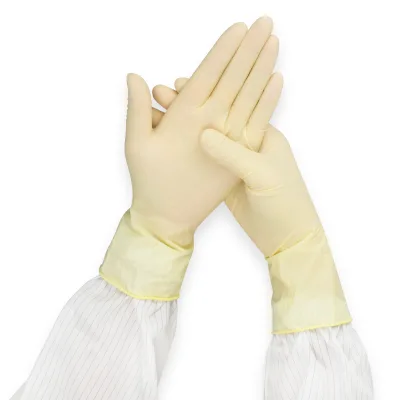
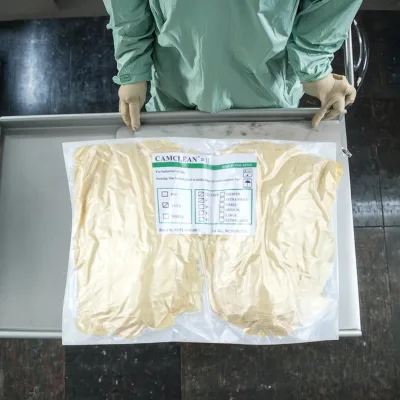
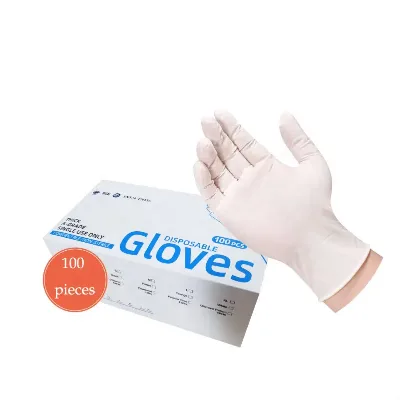
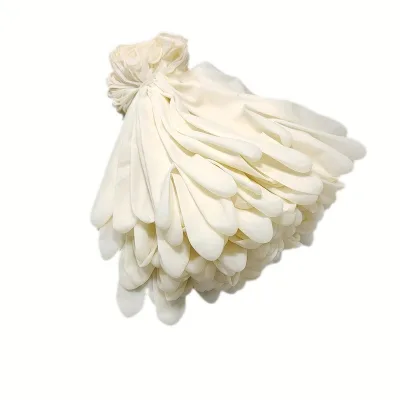
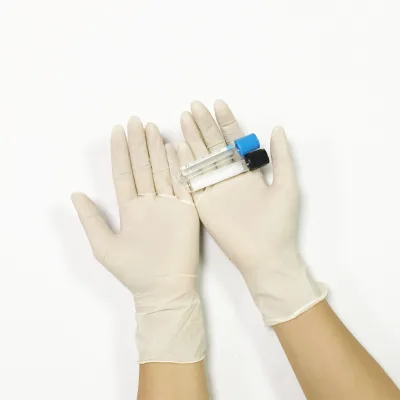
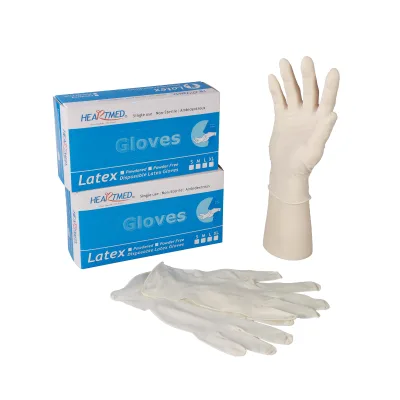
Latex Gloves Powder Free Gloves Latex Disposable Box Gloves Malaysia Latex
$0.1239 - $0.1342
MOQ: 100 pieces

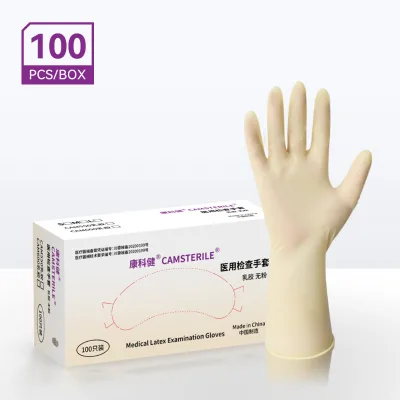


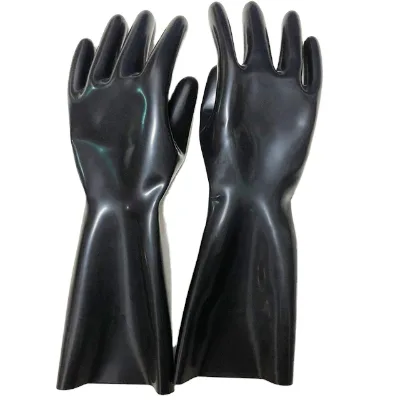






Comprehensive Sourcing Guide
Disposable Latex Gloves Sourcing Guide
Procurement professionals must first distinguish between general medical supplies and specialized surgical materials when evaluating listings for Disposable Latex Gloves. The available market data indicates a clear split between products categorized as "Disposable Medical Supplies" and those labeled "Surgical Supplies Materials," which dictates the appropriate usage environment. Buyers should verify that the product type aligns with their specific facility needs, whether for routine hospital procedures, dental clinics, or general medical centers, as the intended application often influences the required sterility and material quality.
A critical initial observation involves the material composition and customization options available in the current supply chain. Most observed listings specify "100% natural rubber latex" or "Latex" as the primary material, with some offering "Eco-Friendly" attributes. Furthermore, the market supports significant customization, including options for logo printing and specific packaging configurations. Buyers must confirm if the supplier can accommodate custom branding or specific glove types, such as powdered or powder-free variants, to ensure the final product meets their operational and branding requirements.
Product Scope and Observed Listing Signals
When analyzing product listings, buyers should note the wide range of observed physical dimensions and weight specifications that define the product scope. The data reveals specific length measurements of 24cm or 9 inches, with widths varying from 84mm to 113mm depending on the size category. Weight specifications are equally granular, ranging from 4.5g to 6.0g per pair, which directly impacts the tactile sensitivity and durability of the glove. These numerical ranges serve as essential verification points to ensure the ordered gloves match the precise ergonomic needs of the medical staff.
The commercial scope also encompasses diverse packaging standards and stock availability that affect immediate procurement logistics. Listings frequently indicate a stock status of "Yes," with common packaging configurations including 100 pieces per box and 10 boxes per carton. However, some suppliers offer alternative packing densities, such as 6525.540 cm cartons, which may influence shipping costs and storage efficiency. Buyers must carefully review these packing details to align inventory management strategies with their warehouse capacity and distribution requirements.
Technical Specifications to Verify
Technical verification begins with the surface finish and glove type, which are critical for user comfort and contamination control. The observed market data highlights a "Smooth" surface finish as a standard attribute, but buyers must explicitly confirm whether the gloves are "Powdered or Powder Free." This distinction is vital for medical environments where powder residues can cause adverse reactions or interfere with surgical procedures. Additionally, the product model numbers, such as G001 or LGMW-PM5.5, serve as unique identifiers that buyers should cross-reference to ensure consistency in the ordered batch.
Size standardization and dimensional accuracy are the next critical technical parameters to validate against the supplier's specifications. While some listings reference standard sizes like S, M, L, and XL, others provide specific inch measurements ranging from 6.5 inches to 8 inches. Buyers must ensure that the size chart provided by the supplier matches the actual physical dimensions of the gloves, particularly the width and length, to prevent fit issues that could compromise safety. Verifying these exact measurements against the listed specifications prevents the receipt of ill-fitting equipment that could hinder medical performance.
Compliance and Safety Documentation
Safety documentation requires a rigorous check of the sterilization status and applicable safety standards for the specific glove model. The market data presents a dichotomy where some products are marked as "non sterile" while others undergo "Ethylene Oxide Sterilization." Buyers must clearly define their sterility requirements before ordering, as using non-sterile gloves in a sterile surgical environment poses significant infection risks. Furthermore, the presence or absence of Ethylene Oxide sterilization must be explicitly confirmed in the product description to avoid compliance violations in regulated medical settings.
Regulatory compliance is further evidenced by the specific executive standards and safety certifications listed in the product attributes. Observed listings cite standards such as GB10213-2006, EN455, and GB7543-2006, which provide a baseline for material safety and performance. Buyers should request copies of the test reports associated with these standards to verify that the gloves meet the required thresholds for tensile strength and permeability. Relying solely on the listed standard names without verifying the actual test results can lead to the procurement of substandard products that fail to protect healthcare workers.
Cost Drivers and Commercial Terms
Cost structures in the disposable latex glove market are heavily influenced by the Minimum Order Quantity (MOQ) and the level of customization required. The observed data shows a significant variance in MOQs, ranging from 10 units to 100,000 pairs, which directly impacts the unit price and cash flow requirements for buyers. High-volume orders typically secure better pricing, but the 100,000-pair threshold may be prohibitive for smaller clinics. Buyers must balance their inventory needs against the financial constraints imposed by these high-volume commercial terms to optimize their procurement budget.
Lead times and sample availability are additional commercial factors that affect the overall cost of procurement and project timelines. Suppliers often indicate a sample time of 7 days, which allows buyers to verify quality before committing to large orders. However, the availability of samples and the specific production lead times for custom orders can vary significantly between suppliers. Buyers should negotiate clear delivery schedules and confirm sample costs upfront to avoid unexpected delays or expenses that could disrupt their supply chain operations.
Supplier Qualification and Quality Control
Supplier qualification involves verifying the origin of the goods and the specific production licenses held by the manufacturer. The data indicates that products originate from locations such as Jiangsu, China, and Malaysia, with some suppliers holding a Medical Device Production License Number like 20010091. Buyers should request proof of these licenses and verify the place of origin to ensure the supplier operates within a regulated framework. Understanding the geographic source of the gloves helps in assessing the reliability of the supply chain and the potential impact of geopolitical factors on delivery.
Quality control processes must be validated through the supplier's ability to provide consistent product attributes and adherence to stated standards. The presence of a "Customized" attribute suggests that suppliers can tailor products, but this requires robust quality assurance protocols to maintain consistency across batches. Buyers should inquire about the supplier's internal quality control measures, including how they handle defects and ensure that the final product matches the specified weight, width, and material composition. Establishing a clear quality control agreement is essential for maintaining the integrity of the medical supplies.
Long-Term Procurement Checks
Long-term procurement success depends on monitoring the shelf life and storage conditions of the Disposable Latex Gloves. The observed data specifies a shelf life of 3 years, which is a critical factor for inventory planning and stock rotation. Buyers must ensure that their storage facilities maintain the necessary environmental conditions to preserve the integrity of the natural rubber latex over this period. Regularly checking the expiration dates of incoming stock prevents the use of degraded gloves that may have lost their elasticity or barrier properties.
Sustainability and material consistency are also key considerations for long-term supplier relationships and environmental compliance. The "Eco-Friendly" attribute observed in some listings suggests a growing market trend toward more sustainable materials, though the primary composition remains "100% natural rubber latex." Buyers should evaluate whether their organization has specific sustainability goals that align with the supplier's production practices. Maintaining a dialogue with suppliers about material sourcing and environmental impact ensures that the procurement strategy remains aligned with broader corporate responsibility objectives.
FAQs
What materials are used for these Disposable Latex Gloves?
The gloves are made from 100% natural rubber latex. This material provides elasticity and durability for medical and dental use. They are available in blue color and come in various weights like 4.5g to 6.0g. The surface is smooth, and they can be powdered or powder-free depending on the specific model selected by the buyer.
What sizes are available for the latex gloves?
Standard sizes include XS, S, M, L, and XL. Widths range from 84mm to 113mm, and lengths are typically 24cm or 9 inches. These dimensions ensure a proper fit for adult users in hospital, clinic, or dental settings. Buyers can select the appropriate size based on their specific operational requirements and comfort preferences.
Are the gloves sterile or non-sterile?
Most listed models are non-sterile and do not use ethylene oxide sterilization. However, some specific models like SBF-G001 undergo ethylene oxide sterilization. Buyers should check the product model number to confirm the sterilization status. This distinction is critical for different medical applications requiring sterile or non-sterile conditions during procedures.
What is the packaging format for bulk orders?
Typical packaging is 100 pieces per box, with 10 boxes per carton. Some models use specific carton dimensions like 65*25.5*40cm. This standardized packing facilitates efficient storage and shipping. Buyers can request custom packaging options if needed, as customization is available for specific logistical or branding requirements in large-scale procurement.
What standards do these gloves comply with?
Products comply with standards such as GB10213-2006, EN455, and GB7543-2006. These standards ensure quality and safety for medical device production. The executive standard GB7543-2006 applies to specific models. Buyers should verify the exact standard for their required model number to ensure regulatory compliance in their target market.
Can buyers customize the gloves with their logo?
Yes, logo printing is available for both with and without options. Buyers can choose to have their brand printed on the gloves or keep them plain. This customization supports brand visibility in medical and dental supplies. The customization service allows businesses to maintain their identity while sourcing high-quality Disposable Latex Gloves for their operations.