Source Disposable Laboratory Gas Collection Bag for Specimen, Chemical, and Medical Use
Find 30 options for the Disposable Laboratory Gas Collection Bag suitable for specimen, chemical, and medical applications. Buyers can compare features like zip lock sealing, thickness, and customization to select the right plastic packaging bags for their needs.
Key considerations
Products List


Customized Lab Biohazard Printed Specimen Transport Bags for Laboratory
$0.02 - $0.02
MOQ: 100000 Pieces


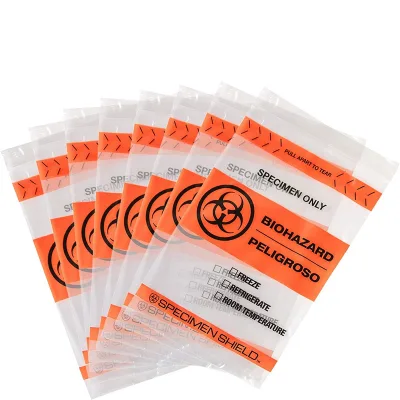





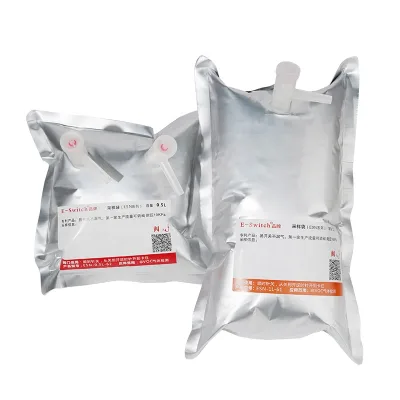
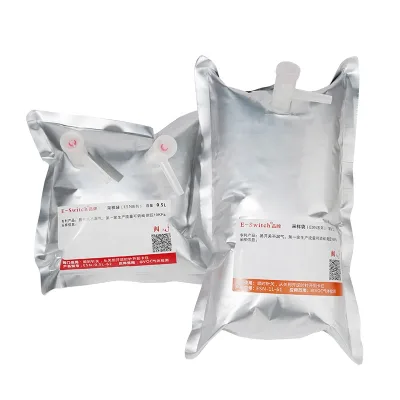

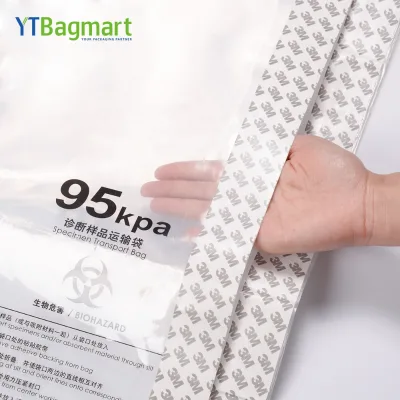
95kpa Biological Laboratory Specimen Sealed Bag with a Dual Pouch Biohazard Symbol
$0.05 - $0.25
MOQ: 20000 pieces
Comprehensive Sourcing Guide
Strategic Sourcing Guide for Disposable Laboratory Gas Collection Bags
Procuring disposable laboratory gas collection bags requires a disciplined approach that balances technical performance with supply chain reliability. The market offers a diverse array of packaging solutions, ranging from standard polyethylene bags to specialized medical-grade containers. Buyers must navigate a landscape where product attributes vary significantly between suppliers, even when the core function remains identical. This guide provides a structured framework for evaluating potential suppliers and selecting the right gas collection bags for laboratory, medical, and industrial applications, ensuring that procurement decisions are grounded in verified product facts rather than marketing claims.
Technical Specifications and Material Composition
The foundation of a successful procurement strategy lies in understanding the specific technical requirements of the gas collection bag. In the current market, the primary material for these bags is polyethylene, available in both high-pressure and low-pressure variants. High-pressure polyethylene (HDPE) and low-pressure polyethylene (LDPE) offer distinct mechanical properties that influence the bag's durability and flexibility. For laboratory environments requiring shock resistance and moisture proofing, the material selection is critical. The observed market data indicates that bag thickness is a key differentiator, with specific models available at 50 microns and others at 0.1 mm. Buyers must verify the exact thickness required for their specific gas pressure and volume needs, as thinner films may compromise integrity under higher pressure conditions.
Sealing mechanisms are equally important for maintaining sample integrity. The Zip Lock feature is a prevalent standard in the industry, providing a reliable method for securing samples while allowing for easy access. However, for applications involving hazardous materials or volatile gases, additional features such as tamper-resistant designs and leak-proof seals become mandatory. The market also presents options with specialized shapes, including 3-wall or 4-wall configurations, which can enhance structural stability. Furthermore, the bag variety can range from zipper-top designs to upright bags, each serving different filling and storage workflows. When evaluating specifications, buyers should confirm the applicability temperature range, as some specialized bags are rated for environments between -40°C and +55°C, ensuring they remain functional in diverse laboratory conditions.
Compliance, Certification, and Safety Standards
In the context of laboratory and medical gas collection, compliance is not merely a formality but a critical safety requirement. While specific certification statuses vary by supplier, the product attributes often highlight features such as being sterilized or powder-free, which are essential for medical and pharmaceutical applications. For instance, products designated for medical use may carry attributes indicating they are suitable for specimen collection, liquid medication packaging, or herbal medicine packaging. Buyers must verify if the supplier adheres to specific standards, noting that some products are described as having "customized" standards rather than a universal industry code.
Safety features are often integrated directly into the design to mitigate risks. Attributes such as child-resistant, light-resistant, and moisture-resistant properties are common in high-end packaging solutions. The presence of antistatic features is also significant, particularly when handling sensitive electronic components or flammable gases. Additionally, the "Biohazard" designation in product models suggests a specific compliance pathway for hazardous waste or infectious specimens. Buyers should request documentation confirming that the bags meet the necessary regulatory requirements for their specific region and application, whether that involves chemical safety, pharmaceutical standards, or general laboratory safety protocols. The absence of a universal standard in the provided data underscores the need for buyers to explicitly define their compliance needs and request evidence of adherence from the supplier.
Cost Drivers and Pricing Dynamics
Understanding the cost structure of disposable laboratory gas collection bags is essential for budgeting and negotiation. The observed price range in the market spans from $0 to $20.63 USD, a wide variance that reflects differences in material quality, customization levels, and order volume. Several factors drive these costs. First, the raw material composition plays a significant role; bags made from high-pressure polyethylene may differ in cost from those using low-pressure variants. Second, the complexity of the manufacturing process, such as offset printing for branding or the inclusion of specialized features like tamper-resistant seals, adds to the unit price.
Order volume is another primary cost driver. The market shows a Minimum Order Quantity (MOQ) ranging from 1 to 500,000 units. Buyers purchasing small quantities may face higher per-unit costs, while those committing to large volumes can leverage economies of scale. The packaging method also influences cost; for example, bags packed in cartons with specific unit counts (e.g., 100 pieces per unit, 20 units per carton) may incur different handling and shipping costs compared to bulk-packed alternatives. Buyers should analyze the total cost of ownership, including shipping, storage, and potential waste, rather than focusing solely on the unit price. Negotiating based on volume tiers and customizing the order to match the supplier's standard packing configurations can often yield significant savings.
Typical Applications and Usage Scenarios
The versatility of disposable gas collection bags allows them to serve a wide array of applications across different industries. In the medical sector, these bags are frequently used for specimen collection, liquid medication packaging, and pharmaceutical packaging. The attributes of being sterile, powder-free, and having a capacity of 500 ml make them suitable for clinical environments where hygiene and precision are paramount. In the chemical and industrial sectors, the bags' moisture-proof and shock-resistant properties make them ideal for transporting and storing chemical samples or hazardous waste.
Beyond medical and chemical uses, these bags find applications in household, promotional, and food-related contexts. The ability to customize the bag with logos and specific colors (such as blue or various other options) supports branding efforts in promotional campaigns. For laboratory settings, the specific model "YR-BIOHAZARD" indicates a dedicated use for biohazardous materials, ensuring safe containment and disposal. The "Die Cut Piece" type suggests specialized applications where the bag is part of a larger kit or system. Buyers should map their specific usage scenarios to the product attributes, ensuring that the selected bag's features, such as flexibility, sealing type, and material strength, align with the intended application to prevent sample contamination or loss.
Supplier Evaluation and Sourcing Strategy
Evaluating suppliers requires a rigorous assessment of their capabilities and reliability. The market data indicates that many suppliers offer OEM (Original Equipment Manufacturer) services, allowing buyers to customize the product with their own branding, logos, and specifications. This customization capability is a significant advantage for companies seeking to align their packaging with their brand identity or specific operational needs. Buyers should verify the supplier's capacity for customization, including options for printing (such as 2-color offset printing) and color selection.
Location is another critical factor in supplier evaluation. Many suppliers are based in Qingdao, China, a major hub for plastic packaging manufacturing. While this location offers access to a robust supply chain, buyers must consider logistics, lead times, and import regulations. The product origin being listed as "China" or "Qingdao China" suggests a centralized manufacturing base, but buyers should confirm the specific factory location to assess shipping times and potential tariffs. Additionally, the supplier's ability to handle large order volumes, as indicated by the high-end MOQ of 500,000 units, is a key indicator of their scalability. Buyers should request samples to verify the physical attributes, such as thickness, sealing integrity, and material quality, before committing to a large order.
Quality Control and Long-Term Procurement Considerations
Implementing a robust quality control (QC) process is vital for maintaining the integrity of laboratory samples. Buyers should establish clear acceptance criteria based on the product specifications, such as verifying the thickness (e.g., 50 microns or 0.1 mm), checking for leaks, and ensuring the sealing mechanism functions correctly. The presence of features like "Shock Resistance" and "Moisture Proof" should be validated through testing, especially for long-term storage or transport. For medical applications, verifying the sterilization status and the absence of powder is essential to prevent cross-contamination.
Long-term procurement considerations involve building a sustainable relationship with suppliers who can consistently meet quality standards. The availability of recycled materials in some product lines suggests a growing trend toward sustainability, which may align with corporate environmental goals. Buyers should inquire about the recyclability of the bags and the supplier's commitment to sustainable manufacturing practices. Furthermore, maintaining a buffer stock of critical items can mitigate supply chain disruptions. By understanding the production lead times and the supplier's capacity to scale, buyers can ensure a steady supply of high-quality gas collection bags. Regular audits and performance reviews of suppliers will help maintain the high standards required for laboratory and medical applications, ensuring that the procurement process remains efficient and reliable over time.
Comparative Analysis of Product Attributes
To facilitate informed decision-making, it is helpful to compare the key attributes of different product types available in the market. The following table summarizes the observed variations in specifications, helping buyers identify the most suitable option for their needs.
| Attribute Category | Standard Polyethylene Bag | Specialized Medical Bag | High-Performance Industrial Bag |
|---|---|---|---|
| Raw Material | High/Low Pressure Polyethylene | Nitrile / Polyethylene | High-Pressure Polyethylene |
| Thickness | 50 microns / 0.1 mm | Variable (Verify) | 0.1 mm |
| Sealing Type | Zip Lock | Zip Lock / Tamper-Resistant | Zip Lock / Leak-Proof |
| Key Features | Disposable, Recyclable | Sterilized, Powder-Free, Antistatic | Shock Resistance, Moisture Proof |
| Application | Household, Promotion, Specimen | Medical, Pharmaceutical, Liquid Med | Chemical, Hazardous Waste |
| Customization | Logo Printing, Color | Logo Printing, Blank Label | Customized Standard, Color |
| Origin | Qingdao, China | China | Qingdao, China |
This comparison highlights that while the core function remains consistent, the specific attributes vary significantly based on the intended application. Buyers should use this framework to prioritize their requirements, ensuring that the selected product meets the specific technical and safety needs of their laboratory or industrial operations. By focusing on verified facts and avoiding assumptions, procurement teams can make data-driven decisions that enhance operational efficiency and safety.
FAQs
What materials are used for disposable laboratory gas collection bags?
These bags are primarily made from high-pressure or low-pressure polyethylene plastic. Some specialized medical versions utilize nitrile materials to ensure safety and flexibility during specimen collection and storage operations.
Can these bags be customized with logos and specific colors?
Yes, OEM services are available allowing for logo printing and color selection. Buyers can request specific colors like blue or different options, with printing capabilities typically supporting up to two colors using offset printing techniques.
What is the typical thickness range for these plastic packaging bags?
The observed thickness varies between 50 microns and 0.1 mm depending on the specific model. Thicker films are often selected for applications requiring shock resistance and moisture proofing to maintain sample integrity under pressure.
Which sealing methods are standard for these gas collection bags?
Zip Lock sealing is the prevalent standard for securing samples while allowing easy access. Advanced designs may also feature tamper-resistant and leak-proof seals to ensure safety when handling hazardous or volatile materials.
How are these bags packed for shipment and storage?
Bags are typically packed in cartons with specific unit counts, such as 100 pieces per unit. Larger orders may follow configurations like 20 units per carton, ensuring efficient handling and protection during transit from the factory.
What are the minimum order quantities for purchasing these bags?
Minimum order quantities range widely from 1 unit up to 500,000 units depending on the supplier. Buyers can often negotiate better pricing by committing to larger volumes that align with the manufacturer's standard packing configurations.
Are these bags suitable for medical and pharmaceutical applications?
Yes, specific models are designed for medical use, including specimen and liquid medication packaging. These bags often feature sterilization, powder-free status, and capacities like 500 ml to meet clinical hygiene and safety requirements.