Source Disposable Mascara Tube for Cosmetics, Home, and Pet Use
Find and compare 30 listings for Disposable Mascara Tube options suitable for cosmetics, home, and pet applications. Evaluate materials like nylon and plastic, check customization availability, and review specifications such as volume and length to find the right packaging solution.
Key considerations
Products List




Comprehensive Sourcing Guide
Disposable Mascara Tube Sourcing Guide
Sourcing disposable mascara tubes requires a careful balance between aesthetic appeal, functional integrity, and regulatory compliance. These components are critical touchpoints for cosmetic brands, serving as the primary vessel for product delivery and a key element of shelf presence. Buyers must navigate a market characterized by high customization potential, varying material compositions, and diverse manufacturing origins. The following guide provides a structured approach to evaluating suppliers, verifying technical specifications, and ensuring commercial viability for bulk procurement.
The procurement landscape for disposable mascara tubes is defined by significant variability in design, capacity, and production standards. Suppliers often offer extensive customization options, including tailored dimensions, color finishes, and surface treatments such as screen printing. Understanding the specific requirements of your brand’s identity and the functional needs of the mascara formula is essential before engaging with potential vendors. This guide outlines the critical verification steps and commercial considerations necessary to secure a reliable supply chain for these cosmetic packaging components.
Product Scope and Observed Listing Signals
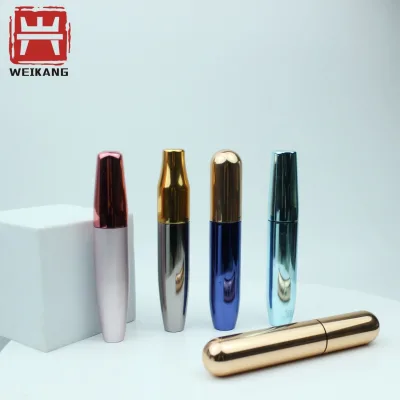
The market for disposable mascara tubes encompasses a wide range of designs, from standard cylindrical tubes to more intricate shapes that enhance user experience. Observed listings indicate a strong emphasis on fashion-forward designs, with many suppliers offering customized options to align with specific brand aesthetics. Materials commonly cited include nylon and plastic, each offering distinct advantages in terms of durability, weight, and cost. Buyers should carefully evaluate the material properties to ensure they meet the structural requirements of the mascara formula, particularly regarding chemical resistance and leak prevention.
Listing signals also reveal a diversity in packaging and shipping configurations, which can impact logistics costs and inventory management. Some suppliers provide inner PE bags within cartons, while others offer palletized shipments or custom packaging solutions based on customer requirements. The observed range of models, such as "laver lash," "BN-AP-19," and "BX30060," suggests a broad spectrum of product offerings. Buyers must distinguish between standard off-the-shelf items and fully customized solutions, as this distinction significantly affects lead times, minimum order quantities, and unit pricing.
Technical Specifications to Verify
Dimensional accuracy and capacity are paramount when sourcing mascara tubes, as they directly affect product volume and user perception. Standard specifications observed in the market include lengths of 19mm and diameters of 16mm, with capacities ranging from 5ml to 20ml. Buyers must verify that the selected tube dimensions align with their formula’s volume requirements and that the internal geometry supports consistent product dispensing. Customized length options are available, but these require precise engineering drawings and approval processes to ensure compatibility with filling machinery.
The tail end design and surface treatment are critical for both functionality and brand differentiation. Options such as sealed or open tails influence the tube’s structural integrity and ease of use, while surface treatments like screen printing allow for high-quality logo application. Buyers should request physical samples to assess the quality of printing, the smoothness of the plastic finish, and the overall tactile experience. Additionally, verifying the thickness of the material, such as 1mm walls, helps ensure durability during shipping and handling without adding unnecessary weight.
Compliance and Safety Documentation
Regulatory compliance is non-negotiable for cosmetic packaging, particularly when materials come into direct contact with the product. Buyers must ensure that suppliers provide relevant certifications, such as ISO 9001 for quality management and ISO 14001 for environmental management. These certifications indicate a supplier’s commitment to consistent quality and sustainable practices, which are increasingly important to consumers and retailers. Additionally, certifications like FSC and CE may be relevant depending on the material sourcing and target markets, so buyers should verify the specific standards applicable to their region.
Safety documentation should also include material safety data sheets and compliance with food-grade or cosmetic-grade standards, even if not explicitly listed. Buyers must confirm that the plastic and nylon materials used are free from harmful substances such as BPA or phthalates, which can migrate into the cosmetic product. Requesting test reports from independent laboratories can provide assurance that the tubes meet international safety standards. This due diligence protects the brand from potential recalls and reputational damage associated with unsafe packaging materials.
Cost Drivers and Commercial Terms
Pricing for disposable mascara tubes is influenced by several factors, including material costs, customization complexity, and order volume. The observed price range of $0.08 to $1.50 per unit reflects the diversity in design and quality levels. Buyers should expect higher unit costs for customized features such as unique colors, special surface treatments, or non-standard dimensions. Minimum order quantities (MOQs) vary significantly, ranging from 50 bags to 18,000 pieces, so buyers must align their order sizes with their production forecasts to optimize costs.
Commercial terms also include packaging configurations and shipping arrangements, which can impact the total landed cost. Suppliers may offer different packing options, such as cartons, pallets, or custom packaging, each with associated costs. Buyers should clarify whether these costs are included in the unit price or billed separately. Additionally, understanding the supplier’s policy on samples, which are often provided for free, can help in evaluating quality before committing to a large order. Clear communication regarding payment terms, lead times, and warranty policies is essential to avoid unexpected expenses.
Supplier Qualification and Quality Control
Evaluating supplier qualifications involves assessing their manufacturing capabilities, quality control processes, and track record. Buyers should prioritize suppliers who demonstrate a commitment to quality through certifications and consistent product performance. Requesting references or case studies from other cosmetic brands can provide insights into the supplier’s reliability and responsiveness. Additionally, verifying the supplier’s location, such as Hangzhou or Guangzhou, can help in assessing logistical advantages and potential supply chain risks.
Quality control measures should be established before production begins, including clear specifications for materials, dimensions, and finishes. Buyers should implement a robust inspection process, which may include pre-production samples, in-process checks, and final random inspections. Defining acceptable quality limits (AQL) and communication protocols for defects is crucial to maintaining product consistency. Suppliers who offer OEM services and are responsive to feedback are often better partners for long-term collaborations, as they can adapt to changing market demands and brand requirements.
Long-Term Procurement Checks
Sustainable sourcing practices are becoming increasingly important in the cosmetic industry, with a growing emphasis on recyclability and environmental responsibility. Buyers should inquire about the recyclability of the materials used in the mascara tubes, as some suppliers highlight features such as recyclable plastic or nylon. Understanding the end-of-life options for the packaging can help brands meet their sustainability goals and appeal to environmentally conscious consumers. Additionally, exploring options for recycled content in the materials can further reduce the environmental impact.
Continuous monitoring of supplier performance is essential for maintaining a stable and efficient supply chain. Buyers should regularly review key performance indicators such as on-time delivery, product quality, and responsiveness to issues. Establishing a periodic review process allows for the identification of potential risks and opportunities for improvement. Building a strong relationship with suppliers through open communication and mutual respect can lead to better pricing, priority production, and collaborative innovation in packaging design.
FAQs
What materials are used for disposable mascara tubes?
Disposable mascara tubes are primarily manufactured from nylon and plastic materials. These materials ensure the tubes are lightweight and suitable for single-use applications. The design focuses on fashion and practicality, allowing for easy disposal after use while maintaining structural integrity during the product's lifespan.
Can I customize the design of the mascara tube?
Yes, customization is available for these disposable mascara tubes. Buyers can request specific designs, including custom printing and tailored tail ends that are either sealed or open. The production supports various specifications, such as the 11*1.2cm standard or other custom dimensions, to meet unique branding needs.
What certifications do the manufacturers hold?
Manufacturers of these products typically hold ISO 9001, ISO 14001, and ISO 14000 certifications. Some suppliers also provide FSC and CE certifications. These standards ensure quality management and environmental responsibility in the production process, providing buyers with confidence in the supplier's operational compliance and product safety.
What is the typical MOQ for these products?
The minimum order quantity varies by supplier and product type. Some suppliers require a minimum of 50 bags, while others may set the MOQ at 10,000 pieces. Buyers should verify the specific MOQ with the manufacturer, as it depends on the chosen model, such as BN-AP-19 or BX30060, and packaging requirements.
Where are these mascara tubes produced?
These disposable mascara tubes are produced in China, with specific manufacturing locations including Hangzhou and Guangzhou. The origin ensures access to established supply chains and production capabilities. Buyers can often request samples for free to evaluate quality before placing larger orders with these regional suppliers.
How are the tubes packaged for shipping?
Packaging options include boxes, cartons, and pallets, all according to customer requirements. Some products are packed in inner PE bags within cartons to ensure protection. Suppliers offer flexible packaging solutions, such as carton and pallet arrangements, to suit different logistics needs and ensure the products arrive in good condition.