Source Dog Trainer Vest for Training, Walking, and Protection
Compare 30 Dog Trainer Vest options from Chinese manufacturers featuring materials like Oxford cloth and Nylon. Buyers can evaluate customization, sizing, and packing details for professional dog training and daily walking needs.
Key considerations
Products List


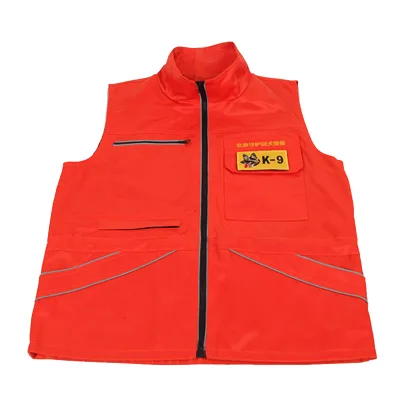
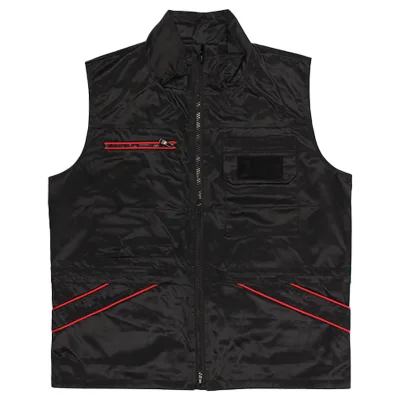


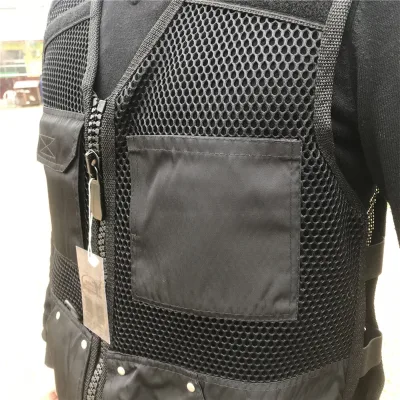
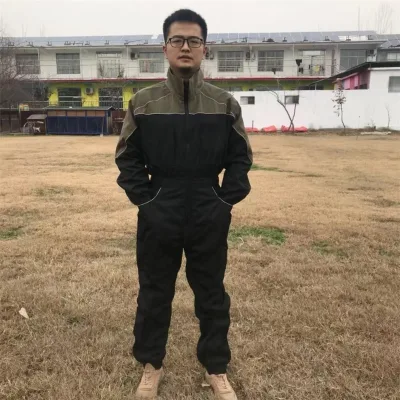
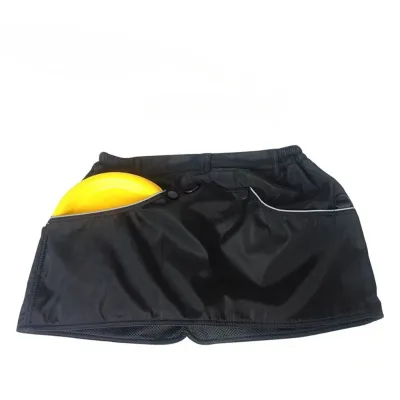
Factory Combination Biting Big Handler Training Vest for Trainers 2024 Tough Dog
$86.74 - $117.89
MOQ: 2 pieces


Comprehensive Sourcing Guide
Strategic Sourcing Guide for Dog Trainer Vests
The global market for canine training equipment has expanded significantly, with the Dog Trainer Vest emerging as a critical tool for both professional handlers and pet owners. Sourcing these products requires a nuanced understanding of material science, manufacturing capabilities, and supply chain logistics. Unlike generic pet accessories, trainer vests often demand specific functional attributes such as durability, visibility, and ergonomic design to withstand rigorous training environments. This guide provides a comprehensive framework for buyers to navigate the procurement landscape, focusing on verified product attributes, technical specifications, and risk mitigation strategies derived from current market data.
Technical Specifications and Material Composition
The foundation of a reliable Dog Trainer Vest lies in its material composition and structural design. Market analysis indicates that high-performance vests are predominantly constructed from Oxford Cloth, Nylon, or Polyester. Each material offers distinct advantages depending on the intended use case. Oxford Cloth is frequently cited for its robustness and resistance to abrasion, making it suitable for heavy-duty training scenarios. Nylon, on the other hand, provides a balance of strength and flexibility, often preferred for vests requiring frequent adjustment or high mobility. Polyester variants are common in applications where cost-efficiency and color retention are prioritized.
When evaluating technical specifications, buyers must scrutinize the standard dimensions and sizing protocols. Observed data reveals a wide variance in product standards, ranging from specific linear measurements like 2840cm or 38-52cm to comprehensive size charts including XS, S, M, L, XL, and XXL. Some models utilize circumference-based sizing (e.g., 105-145cm), while others rely on fixed package dimensions. A critical observation is the existence of conflicting standard definitions within the same product category; for instance, one standard may refer to package dimensions (5040*30cm) while another refers to the garment fit. Buyers must verify whether the listed standard applies to the finished product or the packaging unit to avoid fulfillment errors.
Furthermore, the hardness and texture of the vest are vital for animal comfort and handler control. Specifications often describe the product as having a "Soft & Hard" profile, indicating a composite construction that offers structural integrity without compromising comfort. Features such as "Super Comfortable," "Sturdy Handle," and "Easy Wear" are common descriptors, but they must be validated against physical samples. The inclusion of mesh fabric in certain models suggests a need for breathability, particularly for all-weather applications.
Functional Attributes and Design Features
The functional requirements of a Dog Trainer Vest extend beyond simple coverage. The primary design goals often include "No Pull" capabilities, "Coldproof" insulation, and "Waterproof" protection. However, market data presents a dichotomy where some products are explicitly labeled as "Non-Waterproof," necessitating careful selection based on the environmental conditions in which the vest will be used. A vest designed for cold weather training must offer "Coldproof" functionality, while those intended for wet environments require verified waterproofing claims.
Visibility is another paramount feature. Many high-confidence product listings highlight "Reflective" properties, which are essential for training sessions conducted during low-light conditions or early morning hours. The "No Pull Choke Free" style is a specific design philosophy that prioritizes the safety and comfort of the dog while maintaining handler control. This design often incorporates specific strap configurations or handle placements that differ from standard harnesses.
Color options play a significant role in both visibility and brand customization. Available color palettes typically include Yellow, Red, Black, Blue, Green, Pink, Purple, and Orange. The availability of multiple colors allows buyers to select options that meet specific safety standards or branding requirements. Additionally, the "Factory Service: OEM" designation indicates that suppliers are equipped to customize these functional attributes, allowing for tailored solutions that align with specific training methodologies.
Customization and Branding Capabilities
One of the most significant advantages of sourcing dog trainer vests in the current market is the extensive customization potential. The majority of suppliers offer "Customized Logo" services, enabling brands to imprint their identity directly onto the product. This capability is supported by the "Customization: Available" and "Customized: Customized" attributes observed in product listings. However, buyers must exercise caution as some entries note that "Customization Is Not Supported," highlighting a fragmented market where customization is not universal.
The customization process typically involves the application of logos via printing or embroidery. The "Sample Day" of 15-20 days suggests that the lead time for producing a customized prototype is substantial. This timeline must be factored into the overall procurement schedule. The packaging also offers customization opportunities, with options ranging from "1PCE/OPP" to "50PC/Poly Bag+" or "Carton" configurations. The choice of packaging affects both the unit cost and the logistics efficiency of the shipment.
For buyers seeking unique product differentiation, the ability to customize colors and features is crucial. While standard models offer a fixed set of attributes, OEM services allow for the integration of specific materials or design elements. The "Feature: POM Plastic" mention in some listings suggests the use of durable plastic components for buckles or handles, which can be customized for specific aesthetic or functional needs.
Cost Drivers and Pricing Dynamics
The pricing structure for dog trainer vests is influenced by a complex interplay of factors, including material costs, customization levels, and order volume. The observed price range in the market spans from $0.80 to $117.89 USD, a disparity that reflects the vast difference between basic, mass-produced models and high-end, fully customized solutions. The lower end of the spectrum typically corresponds to simple nylon or polyester vests with minimal features and standard packaging. Conversely, the higher price points are associated with advanced materials like heavy-duty Oxford cloth, specialized waterproofing, and extensive branding efforts.
Minimum Order Quantity (MOQ) is another critical cost driver. The observed MOQ range of 2 to 1000 units indicates that buyers can access the market with varying levels of capital commitment. Small buyers may find suppliers with low MOQs, allowing for market testing without significant inventory risk. However, larger orders often unlock better per-unit pricing. The weight of the product, ranging from 0.21kg to 0.25kg per unit, also impacts shipping costs, particularly for international freight. Buyers should calculate the total landed cost, including freight, duties, and handling fees, rather than focusing solely on the unit price.
Supplier Evaluation and Quality Assurance
Selecting the right supplier requires a rigorous evaluation process that goes beyond the initial product listing. Buyers should verify the supplier's ability to deliver consistent quality, particularly given the conflicting data points regarding customization and standards. A key indicator of supplier reliability is the consistency of their product specifications. For example, if a supplier lists multiple models (e.g., V011909, V020806, JC260225PV00), the buyer should ensure that the quality control processes are standardized across all models.
Quality assurance should focus on the physical attributes of the vest. Buyers must verify the "Hardness" and "Softness" balance to ensure the product meets comfort standards. The "Features" listed, such as "Durable" and "Easy Wear," must be validated through physical inspection of samples. The "N.W." (Net Weight) range of 0.21-0.24kg provides a benchmark for consistency; significant deviations from this range may indicate material inconsistencies or manufacturing defects.
Compliance and certification checks are essential, although specific certification data is not universally provided in the source material. Buyers should request documentation regarding material safety, particularly for products intended for close contact with animals. The "All Weather" designation implies that the vest must withstand various environmental conditions, and buyers should test samples for resistance to water, wind, and temperature fluctuations.
Procurement Logistics and Long-Term Strategy
The logistics of sourcing dog trainer vests involve managing lead times, packaging, and inventory. The "Sample Day" of 15-20 days sets a baseline for the initial production cycle. For bulk orders, buyers must negotiate realistic lead times that account for customization, quality checks, and shipping. The "prod_origin: China" designation is a common attribute, but buyers should verify the specific factory location to assess logistics efficiency and potential trade barriers.
Packaging strategies play a crucial role in long-term procurement. The choice between "1PCE/OPP," "50PC/Poly Bag+," and "Carton" packaging affects storage efficiency and retail presentation. For retailers, carton packaging may be preferred for bulk transport, while individual OPP bags might be suitable for direct-to-consumer sales. The "prod_packing" specifications must align with the buyer's distribution channels to minimize damage and maximize shelf appeal.
Long-term procurement success depends on building a relationship with a supplier who can scale with the buyer's needs. The availability of OEM services and the range of product models (e.g., V011910, V011914, DL896, MH24DY001) suggest that suppliers are capable of adapting to changing market demands. Buyers should establish clear communication channels regarding quality expectations and delivery schedules to ensure a smooth supply chain.
Comparative Analysis of Product Attributes
To facilitate decision-making, the following table summarizes key attributes observed across the product range, highlighting the variations buyers must navigate.
| Attribute Category | Common Observations | Critical Verification Points |
|---|---|---|
| Material | Oxford Cloth, Nylon, Polyester, Mesh | Verify tensile strength and abrasion resistance for intended use. |
| Function | Coldproof, Waterproof, Non-Waterproof, No Pull | Confirm specific environmental ratings; "Non-Waterproof" is a distinct category. |
| Sizing | XS-XXL, 38-52cm, 105-145cm, S/L/M/XL | Ensure size charts match the target demographic; check circumference vs. length. |
| Customization | Logo Accepted, OEM Service, Color Options | Confirm if "Customization Is Not Supported" applies to specific models. |
| Packaging | 1PCE/OPP, 50PC/Poly Bag, Carton | Align packaging with logistics needs and retail presentation. |
| Weight | 0.21-0.25kg | Check for consistency across batches to ensure quality control. |
| Origin | China | Verify factory location for logistics and compliance purposes. |
Conclusion
Sourcing dog trainer vests requires a meticulous approach that balances technical specifications, functional requirements, and supply chain logistics. The market offers a diverse array of options, from basic nylon vests to advanced, fully customized Oxford cloth solutions. Buyers must carefully evaluate material quality, verify functional claims such as waterproofing and durability, and understand the nuances of customization and packaging. By adhering to a rigorous evaluation process and maintaining clear communication with suppliers, buyers can secure high-quality products that meet the demands of professional training and retail markets. The key to success lies in treating product attributes as observations to be verified rather than absolute guarantees, ensuring that every procurement decision is grounded in evidence and strategic planning.
FAQs
Can I customize the logo on dog trainer vests?
Customized logos are available for many models, but some listings explicitly state that customization is not supported. Buyers must verify this attribute for the specific product model before ordering to ensure branding requirements are met.
What materials are used for dog trainer vests?
Vests are commonly constructed from Oxford Cloth, Nylon, or Polyester to balance durability and comfort. Oxford Cloth offers robustness for heavy-duty training, while Nylon provides flexibility, and Polyester is often used for cost-efficiency.
Which sizes are available for dog trainer vests?
Available sizes range from XS to XXL or specific measurements like 38-52cm and 105-145cm depending on the model. Buyers should check the specific product standard to ensure the size chart matches the target dog's circumference.
How long does it take to get a sample?
The sample day typically ranges from 15 to 20 days for production. This lead time must be factored into the procurement schedule, especially when requesting customized prototypes with specific logos or features.
What is the minimum order quantity for these vests?
The minimum order quantity ranges from 2 to 1000 units depending on the supplier and product model. Lower MOQs allow for market testing, while larger orders often unlock better per-unit pricing and shipping efficiency.
Are dog trainer vests waterproof?
Some models offer waterproof and coldproof functions, while others are explicitly labeled as non-waterproof. Buyers must verify the specific function attributes to ensure the vest meets the environmental conditions of their training sessions.