Source Double Door Deep Chest Freezer for Cold Storage, Freezing, and Freezing
Compare 30 Double Door Deep Chest Freezer options featuring single or double temperature control, auto or manual defrost, and various door types. Buyers can evaluate specifications like R290 refrigerant, 70-75mm foam layers, and capacities ranging from 118L to 420L to find suitable units for commercial cold storage needs.
Key considerations
Products List


Hot Sell Commercial Fridge Deep Chest Freezer Double Door Chest Fridge Freezer
$230.00 - $250.00
MOQ: 5 Pieces


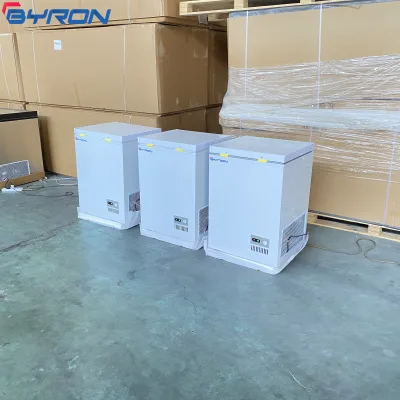


Energy Efficient Double Door Chest Freezer with Adjustable Temperature Control
$120.00 - $480.00
MOQ: 50 Pieces


Comprehensive Sourcing Guide
Strategic Sourcing Guide for Double Door Deep Chest Freezers
The global demand for specialized cold storage solutions has driven a significant shift toward high-capacity, dual-temperature units designed for commercial and industrial applications. Among these, the Double Door Deep Chest Freezer represents a critical asset for businesses requiring robust freezing capabilities without the footprint constraints of upright models. Sourcing these units requires a nuanced understanding of technical specifications, regulatory compliance, and supply chain dynamics. This guide provides a comprehensive framework for buyers to navigate the procurement landscape, ensuring that selected equipment meets operational requirements while adhering to international safety and performance standards.
Technical Architecture and Operational Specifications
The engineering of a Double Door Deep Chest Freezer is defined by its ability to maintain precise thermal environments across distinct zones or a unified deep-freeze capacity. Based on observed market data, these units frequently utilize a direct cooling refrigeration method, which ensures rapid heat extraction and uniform temperature distribution. The core thermal performance is often anchored by a refrigerant model such as R290, a hydrocarbon refrigerant valued for its environmental profile and high efficiency. Buyers must verify that the compressor model aligns with the specific cooling load, with common options including brands like Donper, Gmcc, or Cubigel, which are noted for reliability in continuous operation cycles.
The physical construction of these units plays a pivotal role in energy efficiency and durability. The cabinet material typically consists of a composite of ABS, PVC, and aluminum alloy, providing structural integrity against physical impacts. The insulation layer is a critical component; observed specifications indicate foam thickness ranging from 70mm to 75mm, which is essential for minimizing thermal bridging and reducing energy consumption. The outer shell is often finished with pre-painted white PCM (Pre-Coated Metal) or D20 color-coated sheets, offering resistance to corrosion and a clean aesthetic suitable for food processing environments. The inner liner is frequently constructed from white aluminum plates or color-coated sheets, ensuring hygiene and ease of cleaning.
Temperature control mechanisms vary between mechanical and computer thermostats. While mechanical options offer simplicity and durability, computer thermostats provide the precision required for sensitive applications. The units are designed to operate within specific temperature ranges, often spanning from 0°C down to -25°C or even -30°C, depending on the specific model configuration. The defrost type is another critical technical variable; while some units feature auto-defrost capabilities to minimize maintenance, others may rely on manual defrost cycles, which can impact operational downtime. Buyers should carefully match the defrost mechanism to their operational workflow to avoid unexpected interruptions.
Compliance Framework and Certification Verification
Navigating the regulatory landscape is a non-negotiable aspect of sourcing industrial freezers. The primary certification observed in the market is CE, which indicates conformity with health, safety, and environmental protection standards for products sold within the European Economic Area. However, for a broader global market, buyers should expect to see a more extensive portfolio of certifications. High-confidence data suggests that reputable manufacturers often hold multiple certifications, including RoHS (Restriction of Hazardous Substances), ISO (International Organization for Standardization), CCC (China Compulsory Certification), CB (International Electrotechnical Commission), EMC (Electromagnetic Compatibility), GS (Geprüfte Sicherheit), and ETL (Intertek).
The presence of these certifications is not merely a formality but a verification of the product's adherence to rigorous safety and environmental protocols. For instance, RoHS compliance ensures that the unit does not contain lead, mercury, or other hazardous materials, which is crucial for environmental sustainability and disposal regulations. ISO certification indicates that the manufacturer follows standardized quality management processes, reducing the risk of production inconsistencies. EMC compliance is particularly important for units with electronic controls, ensuring that the freezer does not emit excessive electromagnetic interference that could disrupt other equipment.
Buyers must treat certification claims as observations that require verification rather than automatic guarantees. It is essential to request valid certification documents directly from the supplier and cross-reference them with the issuing bodies. The specific standards applied, such as those governing electrical safety or refrigerant handling, should be explicitly stated in the product documentation. Without these verifiable documents, the risk of non-compliance in the destination market increases significantly, potentially leading to customs delays or legal liabilities.
Cost Drivers and Economic Considerations
The pricing of double door deep chest freezers is influenced by a complex interplay of factors, including capacity, insulation quality, compressor brand, and customization options. The observed price range for these units spans from approximately $65 to $1,380 USD, reflecting the diversity in specifications and market segments. Several key drivers contribute to this variance. First, the effective capacity, which ranges from 118 liters to 420 liters, directly impacts the material costs and the size of the compressor required. Larger units naturally command higher prices due to increased raw material usage and energy capacity.
Energy efficiency is another significant cost driver. Units with higher-rated power consumption, ranging from 200W to 320W, and daily energy consumption between 1.6kWh and 4.2kWh, may have higher upfront costs but offer long-term savings. The climate type, typically categorized as N or 4, also influences the design and cost, as units designed for extreme ambient temperatures require more robust cooling systems. Additionally, the choice of door type—whether folding, sliding, or swing—adds to the manufacturing complexity and cost. Customization options, such as specific cabinet colors or tailored dimensions, further increase the price point.
The minimum order quantity (MOQ) is a critical economic factor for buyers. The observed MOQ range spans from 1 to 600 units, offering flexibility for both small businesses and large distributors. However, higher volumes often unlock better pricing tiers and more favorable shipping terms. Buyers should also consider the packaging requirements, which typically involve a cardboard box reinforced with a wooden frame to prevent damage during transit. The net weight of the units, ranging from 32kg to 57kg, affects shipping logistics and costs, particularly for air freight or international sea freight where weight and volume are primary cost determinants.
Application Scenarios and Functional Versatility
Double door deep chest freezers are versatile assets deployed across various sectors, each with unique operational demands. In the food and beverage industry, these units are essential for storing raw ingredients, frozen meats, and prepared meals. The ability to maintain temperatures as low as -30°C makes them suitable for long-term preservation of sensitive products. The double-door configuration allows for the segregation of different product types, preventing cross-contamination and optimizing inventory management.
In the pharmaceutical and biotechnology sectors, the precision of temperature control is paramount. Units equipped with computer thermostats and advanced defrost systems are preferred for storing vaccines, biological samples, and reagents. The double-temperature capability observed in some models allows for the simultaneous storage of products requiring different thermal conditions, enhancing operational efficiency. The robust construction and compliance with international standards ensure that these units meet the stringent regulatory requirements of the healthcare industry.
Commercial retail environments, such as supermarkets and convenience stores, also utilize these freezers for bulk storage and display. The curved coated tempered glass doors, when available, provide an attractive display option while maintaining thermal efficiency. The folding or sliding door mechanisms are particularly useful in spaces with limited floor area, allowing for easy access without requiring additional clearance space. The customization of case colors and cabinet finishes enables businesses to align the equipment with their brand identity and store aesthetics.
Supplier Evaluation and Quality Assurance
Selecting a reliable supplier is the cornerstone of a successful procurement strategy. Buyers should prioritize manufacturers located in established industrial hubs, such as Shandong, China, which is known for its concentration of appliance manufacturing expertise. The origin of the product is a key indicator of the supply chain's maturity and the availability of skilled labor and infrastructure. However, location alone is not sufficient; buyers must evaluate the supplier's production capacity, quality control processes, and after-sales support.
Quality assurance should be integrated into the procurement process through rigorous inspection protocols. Buyers should verify the consistency of the foam layer thickness, the integrity of the shell material, and the performance of the compressor under load. The use of high-quality materials, such as the D20 color-coated sheets and white aluminum plates, is a strong indicator of product durability. Additionally, the packing specifications, including the use of wooden frames and cardboard boxes, should be assessed to ensure the product arrives in pristine condition.
Buyers should also consider the supplier's ability to provide customization. The availability of customization options, such as specific voltage/frequency configurations (e.g., 220V/50Hz) or tailored dimensions, demonstrates the manufacturer's flexibility and commitment to meeting client needs. The standard dimensions observed, such as 6406202000mm or 620680900mm, should be compared against the buyer's space constraints to ensure a perfect fit.
Long-Term Procurement and Lifecycle Management
Sourcing a Double Door Deep Chest Freezer is an investment that extends beyond the initial purchase. Long-term considerations include maintenance requirements, energy efficiency over time, and the availability of spare parts. The choice of refrigerant, such as R290, requires specialized handling during maintenance and disposal, so buyers should ensure that their local service providers are certified to handle this specific refrigerant. The energy consumption ratings, ranging from 1.6kWh to 4.2kWh per day, should be factored into the total cost of ownership, especially for units operating 24/7.
The warranty and support structure offered by the supplier are critical for minimizing downtime. Buyers should inquire about the warranty period for the compressor and the electronic control systems, as these are the most expensive components to replace. The availability of technical support and the responsiveness of the supplier's service team can significantly impact the operational continuity of the business. Furthermore, the potential for future upgrades or expansions should be considered, ensuring that the selected units can be integrated into a larger cold storage network if needed.
In conclusion, the procurement of double door deep chest freezers requires a balanced approach that weighs technical specifications, compliance requirements, cost factors, and supplier reliability. By adhering to the guidelines outlined in this guide, buyers can make informed decisions that align with their operational goals and regulatory obligations. The diversity of available models, from single-temperature to double-temperature configurations, offers ample opportunities to find a solution that meets the specific needs of any application. Through careful evaluation and strategic sourcing, businesses can secure high-performance cold storage solutions that deliver value and reliability over the long term.
FAQs
What temperature range does the Double Door Deep Chest Freezer maintain?
The unit maintains a temperature range from 0°C down to -25°C or -30°C depending on the specific model configuration. Some units feature single-temperature settings while others offer double-temperature capabilities for versatile storage needs.
Which certifications are typically available for these freezers?
High-confidence certifications include CE, RoHS, ISO, CCC, CB, EMC, GS, and ETL. These verify compliance with international safety, environmental, and quality standards required for global distribution and commercial use.
How is the insulation layer constructed in these units?
The insulation consists of a foam layer with a thickness ranging from 70mm to 75mm to minimize thermal bridging. This robust layer is enclosed by an outer shell made of pre-painted white PCM or D20 color-coated sheets.
Can the cabinet color and door type be customized?
Yes, customization is available for case colors and door types such as folding, sliding, or swing doors. Buyers can also select specific dimensions and materials like ABS, PVC, and aluminum alloy for the cabinet structure.
What is the effective capacity range for these freezers?
The effective capacity ranges from 118 liters to 420 liters depending on the model size. This variation allows businesses to select units that fit specific storage requirements without exceeding available floor space.
Which compressor brands are commonly used in these units?
Common compressor models include Donper, Gmcc, and Cubigel, which are noted for reliability in continuous operation. These compressors work with R290 refrigerant to ensure efficient cooling performance within the specified temperature ranges.