Source Double Door Commercial Freezer for Hotels, Kitchens, Retail
Explore 30 Double Door Commercial Freezer options for hotels, kitchens, and retail storage. Compare features like manual defrost, stainless steel construction, and mechanical thermostat controls to find the right fit for your business needs; compare the available evidence and request quotations based on your requirements.
Key considerations
Products List


Hot Sell Commercial Fridge Deep Chest Freezer Double Door Chest Fridge Freezer
$230.00 - $250.00
MOQ: 5 Pieces


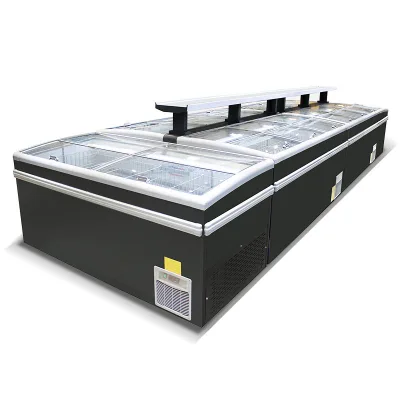


Commercial Stainless Steel Two-Door Refrigerator Freezer for Restaurants
$515.00 - $660.00
MOQ: 50 Pieces


Comprehensive Sourcing Guide
Double Door Commercial Freezer Sourcing Guide
Procuring a Double Door Commercial Freezer requires distinguishing between upright and bottom-freezer configurations, as the observed market data indicates both types are available with distinct operational profiles. Buyers must verify whether the unit is designed for high-traffic kitchen environments or general cold storage, noting that specific models feature swing doors while others utilize folding mechanisms. This distinction directly impacts floor space utilization and workflow efficiency in commercial settings like hotels or retail food storage areas.
The observed product range includes units with capacities between 401 and 500 liters, suggesting these are mid-sized solutions suitable for medium-volume operations. Sourcing decisions should prioritize the specific temperature control method, as listings show a mix of mechanical thermostats and intelligent temperature control systems. Understanding these functional differences is essential before engaging with suppliers, ensuring the selected unit aligns with the precise freezing and cold storage requirements of the intended application.
Product Scope and Observed Listing Signals
Market listings for double door commercial freezers reveal a diverse array of material compositions, with stainless steel and PCM metal sheets being the most common exterior finishes. Buyers should carefully inspect the interior cabinet material, which varies between embossed aluminum and stainless steel, as this affects durability and cleaning protocols in high-humidity environments. The availability of customization options allows for tailored solutions, including specific color finishes like white, black, or grey, to match existing kitchen aesthetics.
Listing signals also highlight significant variations in door configurations, ranging from single to double doors with optional locking mechanisms. The observed data indicates that some units are designed for manual defrosting, while others may offer different cooling methods such as air cooling. Procurement teams must cross-reference these physical attributes with their specific operational needs, ensuring the chosen freezer supports the intended usage scenarios, whether for storing fruits, meats, or seafood in a commercial kitchen.
Technical Specifications to Verify
Technical verification must begin with the compressor selection, as the market offers options from manufacturers like Sacerco, Donper, and GMCC, each with different reliability profiles. Buyers should confirm the warranty period for the compressor, noting that a three-year warranty is a common standard in the observed listings. Additionally, the cooling method, typically air cooling for these units, must be validated to ensure consistent temperature distribution across the entire storage volume without cold spots.
Capacity and dimensions are critical technical parameters that require precise alignment with the available installation space. While some models offer customized sizes, others adhere to standard dimensions such as 610x760x1960 mm. The temperature range is another vital specification, with most units capable of maintaining temperatures at or below -18℃ for effective freezing. Procurement teams must ensure the temperature control system, whether mechanical or intelligent, can maintain these levels consistently under varying load conditions.
Compliance and Safety Documentation
Compliance verification is paramount when sourcing commercial freezers, as the observed listings frequently cite a broad spectrum of certifications including CE, RoHS, CCC, CB, SASO, EMC, GS, and ETL. Buyers must request valid certification documents for the specific model being purchased, ensuring that the unit meets the regulatory requirements of the destination market. The presence of ISO certification further indicates a commitment to quality management systems, which is a strong indicator of manufacturing reliability.
Safety documentation should also cover the electrical safety standards and energy efficiency ratings, with some units claiming an A+ energy efficiency class. It is essential to verify that the product standard and manufacturing processes align with international safety norms to prevent operational hazards. Buyers should not assume all listed certifications apply to every unit; instead, they must demand specific test reports and compliance certificates that correspond to the exact model and batch being procured.
Cost Drivers and Commercial Terms
Cost structures for double door commercial freezers are influenced by material choices, such as the use of stainless steel versus standard metal sheets, and the inclusion of optional parts like LED lighting or inner glass doors. The observed price range of 50 to 2500 USD reflects these variations, with higher costs associated with advanced features, larger capacities, and premium compressor brands. Buyers should analyze the total cost of ownership, considering energy efficiency and maintenance requirements alongside the initial purchase price.
Commercial terms regarding delivery and minimum order quantities (MOQ) vary significantly across suppliers, with observed MOQs ranging from 1 to 171 units. Lead times are another critical factor, with some listings indicating a delivery time of 45 days while others suggest a two-week turnaround. Procurement teams must negotiate clear terms for packaging, which often includes foaming, five-layer cartons, and wooden base pallets, to ensure safe transit and minimize the risk of damage during shipping.
Supplier Qualification and Quality Control
Supplier qualification should focus on the manufacturer's origin and their ability to provide OEM and ODM services, as many suppliers in the observed data are based in Shandong, China. Buyers must assess the supplier's track record for customization, ensuring they can accommodate specific design requests such as logo placement or unique door types. The availability of optional parts and the flexibility to customize size and color are strong indicators of a supplier's capability to meet diverse client needs.
Quality control processes must be rigorously evaluated, particularly regarding the assembly of the condenser and the integrity of the insulation. Since the condenser is located outside the unit in many models, the sealing and insulation quality are crucial for energy efficiency and performance. Buyers should request evidence of factory audits or quality assurance protocols to verify that the manufacturing process consistently produces units that meet the specified technical and safety standards.
Long-Term Procurement Checks
Long-term procurement success depends on establishing a reliable supply chain for spare parts and after-sales support, particularly for compressors and control systems. Buyers should verify the availability of replacement parts and the supplier's commitment to providing technical support over the product's lifespan. The observed three-year compressor warranty is a positive indicator, but it is essential to clarify the terms of service and the process for handling warranty claims to avoid operational disruptions.
Sustainability and energy efficiency should be monitored over time, as the performance of the cooling system can degrade with age. Buyers should implement regular maintenance schedules to ensure the manual defrosting process is performed correctly and that the temperature control remains accurate. By maintaining a proactive approach to equipment management, organizations can extend the service life of their double door commercial freezers and ensure consistent performance in their cold storage operations.
FAQs
What certifications are available for double door commercial freezers?
These units typically feature CE, RoHS, CCC, CB, SASO, EMC, GS, and ETL certifications. Some models also include ISO certification. Buyers should verify specific compliance documents with suppliers to ensure the product meets local regulatory standards for their target market before placing orders.
Can I customize the size and appearance of these freezers?
Yes, customization is available for size, color, and branding. Options include white, black, grey, or silver finishes, and dimensions can be adjusted. OEM and ODM services are supported, allowing buyers to tailor the exterior material and internal layout to specific commercial kitchen or retail requirements.
What is the typical delivery time for these commercial freezers?
Delivery times generally range from two weeks to forty-five days depending on the order volume and customization level. Standard models may ship faster, while customized units with specific compressors or packaging requirements require additional production time. Buyers should confirm exact lead times with the supplier during negotiation.
Which compressor brands are used in these upright freezers?
Manufacturers often use reputable compressor brands such as Sacerco, Donper, Huaiyi, Gmcc, and Wanbao. These components ensure reliable cooling performance and energy efficiency. The specific brand may vary by model, so buyers should request detailed specifications to confirm the compressor type and warranty terms.
What is the temperature range for these double door units?
These freezers typically maintain temperatures at or below -18°C, suitable for storing meat, fish, seafood, and other frozen foods. Some models feature adjustable temperature controls with mechanical thermostats or intelligent digital systems. This ensures consistent preservation for commercial applications in hotels, restaurants, and retail environments.
How are these commercial freezers packaged for shipping?
Products are usually packed in carton packaging, with some options including foaming, five-layer cartons, and wooden base pallets for extra protection. This robust packaging ensures safe transit during international shipping. Buyers should specify their preferred packaging method to minimize damage risks and ensure the units arrive in perfect condition.