Source Double Deck Truck Bumper for Heavy Haulers, Logistics, and Construction
Find and compare 30 Double Deck Truck Bumper options from verified Chinese manufacturers. Evaluate models like 42080 and TNN-057, noting rubber and steel materials, ISO certifications, and customizable sizes for front bumper applications on trucks and buses.
Key considerations
Products List


Premium Heavy-Duty Front Protection Bumper for Modern Commercial Trucks
$233.66 - $547.39
MOQ: 10 Sets


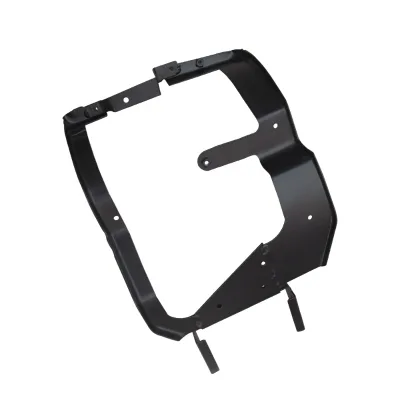
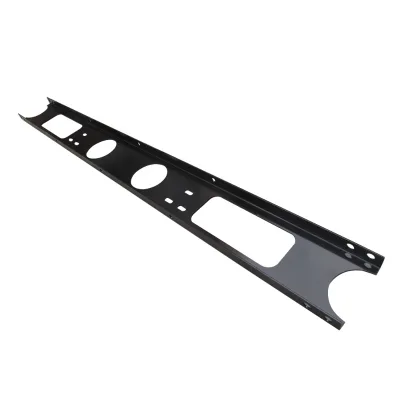

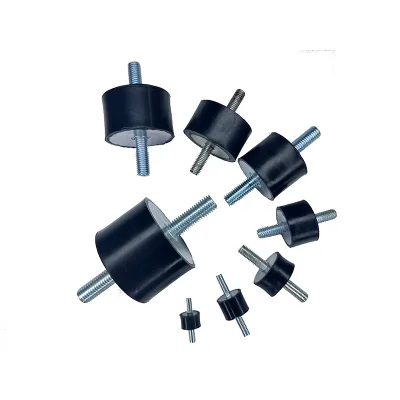
Various Shaped Trailer Rubber Bumper Rubber Dock Bumper/buffer/dampler for Trucks
$0.01 - $1.00
MOQ: 1000 Minimum
Comprehensive Sourcing Guide
Double Deck Truck Bumper Sourcing Guide
Sourcing heavy-duty truck bumpers, particularly those designed for double-deck configurations or high-capacity transport, requires a rigorous approach to material integrity and structural compatibility. The market for these components is diverse, ranging from universal aftermarket replacements to highly customized OEM solutions. Buyers must navigate a landscape where product attributes vary significantly, including material composition, structural design, and specific application parameters. This guide provides a structured framework for evaluating suppliers and products, ensuring that procurement decisions are grounded in verified data and industry best practices rather than marketing claims.
The following sections detail the critical aspects of sourcing double deck truck bumpers, from interpreting listing signals to establishing long-term quality controls. By focusing on technical specifications, compliance documentation, and commercial terms, procurement teams can mitigate risks associated with structural failure, regulatory non-compliance, and supply chain disruptions. The goal is to equip buyers with the knowledge to identify reliable suppliers and secure products that meet the demanding operational requirements of heavy transport fleets.
Product Scope and Observed Listing Signals
The observed product listings reveal a wide spectrum of bumper types, with models such as 42080, 42020, and TNN-057 indicating a variety of design iterations. These listings often specify the product condition as "New" and highlight customization availability, suggesting that many suppliers offer tailored solutions rather than off-the-shelf items. The presence of multiple model numbers implies that buyers should not assume a single product fits all double-deck truck applications; instead, they must verify compatibility with specific truck makes and models. The observed price range of $0.01 to $547.39 USD further underscores the disparity in quality, material, and manufacturing complexity among available options.
Material composition is a key differentiator in the observed listings, with some products explicitly identified as "Rubber" and others as "Steel." This distinction is critical for double-deck trucks, which often carry heavy or hazardous loads requiring robust impact resistance. Steel bumpers typically offer superior structural strength for heavy-duty applications, while rubber components may be used for shock absorption or specific aesthetic finishes. Buyers should carefully review the material specifications for each listing, as the term "Rubber" or "Steel" may refer to the primary structural material or only to protective coatings and pads. The observed MOQ range of 1 to 1000 units also indicates flexibility, allowing both small-scale replacements and large fleet procurement.
Technical Specifications to Verify
When evaluating double deck truck bumpers, the structural design must be verified against the specific load requirements of the vehicle. Listings indicate attributes such as "Non-bearing Body" structure and "Universal" adaptability, which require careful interpretation. A non-bearing structure suggests that the bumper is not designed to support the vehicle's weight but rather to absorb impact and protect critical components. Buyers must confirm whether the bumper is intended for the front or rear of the truck, as the observed listings mention "Front Bumper" applications. For double-deck configurations, the bumper's height and clearance must be compatible with the lower deck's dimensions to prevent interference during loading and unloading.
Wall thickness and dimensional accuracy are critical technical parameters that directly influence durability. One observed specification lists a wall thickness of 3mm, which is customizable, highlighting the importance of verifying this metric for heavy-duty use. Thicker materials generally provide better resistance to deformation under impact, but they also add weight, which can affect fuel efficiency and payload capacity. Buyers should request detailed engineering drawings or CAD files to verify the exact dimensions, including width, height, and mounting hole patterns. The observed "Customized" size attribute suggests that many suppliers can adjust these dimensions, but such customization may impact lead times and costs.
Compliance and Safety Documentation
Certification status is a primary indicator of a supplier's manufacturing quality and adherence to industry standards. The observed listings include certifications such as ISO/TS16949, ISO9001, and ISO/TS, which are relevant to automotive component manufacturing. ISO/TS16949, in particular, is a widely recognized quality management standard for the automotive industry, indicating that the supplier has processes in place for consistent quality control. Buyers should verify the validity of these certifications and ensure they cover the specific production facilities manufacturing the bumpers. The presence of these certifications does not guarantee compliance with local safety regulations, so additional verification may be necessary.
Regulatory compliance varies by market, and buyers must ensure that the bumpers meet the safety standards of their operating regions. While the observed listings mention standards such as "Rubber" or "according to different style," these are vague and do not constitute formal regulatory compliance. Buyers should request test reports or compliance certificates from recognized testing bodies, such as those verifying impact resistance, material flammability, and structural integrity. For double-deck trucks, which often operate in international logistics chains, compliance with both origin and destination country regulations is essential to avoid customs delays or legal liabilities.
Cost Drivers and Commercial Terms
The cost of double deck truck bumpers is influenced by several factors, including material type, customization level, and order volume. The observed price range of $0.01 to $547.39 USD reflects the variability in product complexity, with basic steel or rubber components being less expensive than fully customized, high-strength assemblies. Buyers should be cautious of extremely low prices, as they may indicate inferior materials or lack of quality control. The observed MOQ range of 1 to 1000 units allows for flexibility, but larger orders may offer better unit pricing. Buyers should negotiate volume discounts and clarify whether the price includes taxes, shipping, and packaging.
Payment terms and lead times are critical commercial considerations that affect cash flow and operational continuity. The observed listings mention payment methods such as "Tt" (Telegraphic Transfer) and lead times of approximately 30 days. Buyers should negotiate favorable payment terms, such as partial upfront payment and balance upon shipment or inspection, to mitigate financial risk. The observed "D/T: 30 Days" suggests a standard production cycle, but customization or high-volume orders may extend this timeline. Buyers should also clarify the export port, with Shanghai being a common origin, and factor in shipping costs and transit times to their total cost of ownership.
Supplier Qualification and Quality Control
Supplier qualification involves assessing the manufacturer's production capabilities, quality control processes, and after-sales support. The observed listings mention "After-sales Service: Compensate Within One Year" and "Warranty: One Year," which provide some protection against defects. However, buyers should verify the specifics of these warranties, including what constitutes a defect and the process for claiming compensation. Suppliers with ISO certifications are generally more reliable, but buyers should also request references or case studies from other clients in the heavy transport industry. The observed "Customization Available" attribute suggests that suppliers are willing to work closely with buyers, but this requires clear communication and detailed specifications.
Quality control should be integrated into the procurement process through pre-shipment inspections and sample testing. Buyers should request samples before placing large orders to verify material quality, dimensional accuracy, and finish. The observed "prod_packing" attributes, such as "Pallet+Box," "Carton and PP Film," and "Wooden Box," indicate various packaging methods that protect the product during transit. Buyers should ensure that the packaging is suitable for the shipping method and destination, especially for international shipments. Establishing a clear quality agreement with the supplier, including acceptance criteria and rejection procedures, is essential for maintaining consistent product quality.
Long-Term Procurement Checks
Long-term procurement success depends on continuous monitoring of supplier performance and product reliability. Buyers should track key performance indicators such as on-time delivery, defect rates, and responsiveness to issues. The observed "Main Market: America, South America" suggests that suppliers have experience exporting to these regions, which can be a positive indicator of their ability to handle international logistics. However, buyers should regularly review supplier certifications and quality management systems to ensure they remain valid and effective. Building a strong relationship with the supplier can lead to better pricing, priority production, and improved support during peak demand periods.
As technology and regulations evolve, buyers must stay informed about changes in bumper design and safety standards. The observed "Custom Style" and "Customizable" attributes indicate that suppliers are adaptable, but buyers should proactively communicate any changes in their operational requirements. Regular audits of the supplier's production facilities and quality control processes can help identify potential issues before they impact supply. By maintaining a disciplined approach to supplier management and product verification, buyers can ensure a reliable supply of high-quality double deck truck bumpers that meet their long-term operational needs.
FAQs
What certifications do double deck truck bumpers have?
Products are available with ISO/TS16949 and ISO9001 certifications. These standards ensure quality management and automotive industry compliance for the rubber and steel components used in the manufacturing process.
Can I request custom dimensions for the bumper?
Yes, customization is available for size and style. The product specifications allow for customized wall thickness and dimensions to meet specific vehicle requirements while maintaining structural integrity.
What is the minimum order quantity for this product?
The minimum order quantity starts at one unit. This low MOQ allows buyers to test the product quality before committing to larger orders for their fleet or distribution needs.
How long does it take to receive the order?
The standard delivery time is 30 days from order confirmation. This lead time applies to the production and packaging process before the goods are shipped from the origin location.
Which materials are used to make the bumper?
The bumpers are constructed from rubber and steel materials. These materials provide durability and are selected based on the specific style and application requirements for trucks and buses.
What is the warranty period for the bumper?
A one-year warranty is provided for the product. This coverage includes compensation for quality issues within the specified period to ensure buyer confidence in the purchased components.