Source Double Direction Guitar Truss Rod for Acoustic, Electric, and Classical Guitars
Explore 30 listings for the Double Direction Guitar Truss Rod suitable for acoustic, electric, and classical guitars. Buyers can compare specifications, materials, and customization options from verified suppliers in China.
Key considerations
Products List


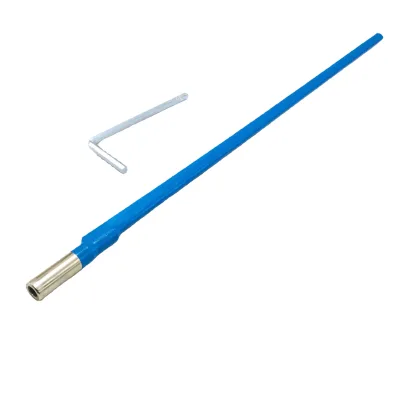
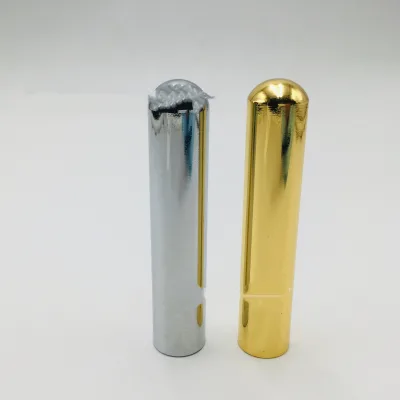
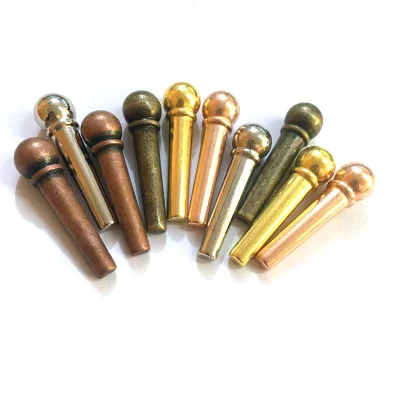
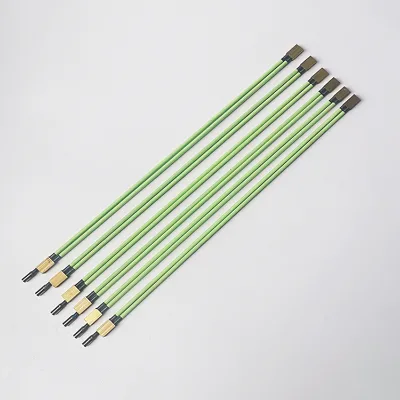
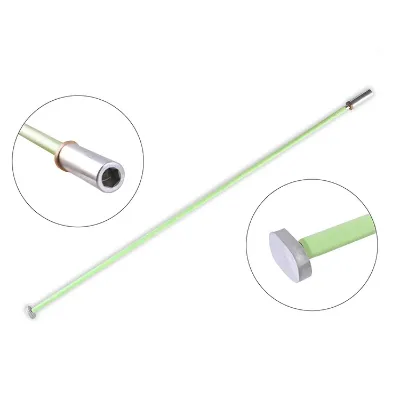
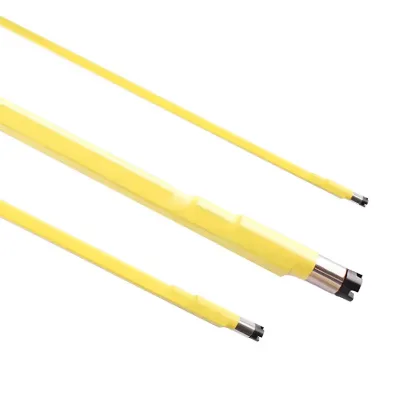


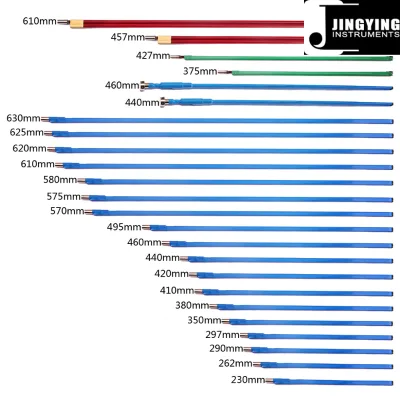


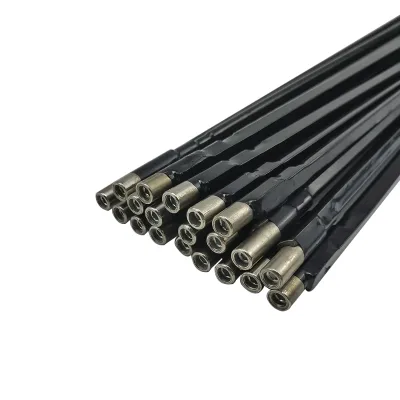


Comprehensive Sourcing Guide
Strategic Sourcing Guide for Double Direction Guitar Truss Rods
The global market for guitar hardware has evolved significantly, with the Double Direction Guitar Truss Rod emerging as a critical component for modern instrument manufacturing and repair. Unlike traditional single-action rods that only correct for neck relief in one direction, double-action mechanisms allow for adjustment in both directions, offering superior control over neck curvature. This guide provides a disciplined, evidence-based approach for B2B buyers sourcing these components, focusing on technical specifications, supplier evaluation, and quality assurance protocols derived from current market data and industry standards.
Technical Specifications and Design Variations
Understanding the mechanical architecture of a double direction truss rod is the first step in defining procurement requirements. The core functionality relies on a dual-rod system or a specialized single-rod design that utilizes opposing threads or a split-nut mechanism. This allows the luthier or technician to tighten the rod to straighten a back-bowed neck or loosen it to correct a forward bow, providing a neutral equilibrium point that is often more stable than single-action alternatives.
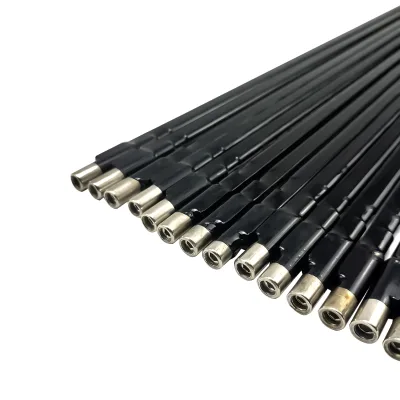
Based on observed product attributes in the current supply chain, buyers should verify specific dimensional and material parameters. The standard material composition for these components is predominantly metal, often steel alloys designed for high tensile strength and corrosion resistance. Some listings indicate composite materials involving leather or specialized coatings, which may serve as protective liners or part of the packaging system rather than the structural rod itself. The physical dimensions are critical; observed model numbers such as GSE-010, GKB-50, and PF-C22 suggest a variety of lengths and diameters. Specific length specifications observed in the market range from 380mm to 580mm, with some extended variants reaching up to 5570mm, though the latter likely represents a packaging error or a specific industrial application rather than a standard guitar component. For standard acoustic and electric guitars, the relevant lengths typically fall between 380mm and 500mm.
Buyers must also evaluate the "fit" specifications. The product attributes indicate a specific fit for the "Guitar Neck," which implies compatibility with standard neck pockets and truss rod channels. The presence of electronic components, such as EQ or pickups installed as requested, is noted in the broader guitar hardware category but is generally not a feature of the truss rod itself. However, the integration of the rod with the guitar's electronic system or the neck's structural integrity must be verified during the design phase. The "Style" is consistently categorized under "Guitar Hanger" or "Truss Rod," and the "Type" is explicitly defined as a "Guitar Slide Rod" or "Truss Rod" in various listings.
Compliance, Standards, and Material Verification
When sourcing hardware for musical instruments, compliance with international safety and quality standards is paramount. While specific certification documents are not universally listed for every SKU, the "prod_standard" field in available data points to compliance with "electric guitar," "acoustic guitar," and "classical guitar" categories. This suggests that the components are designed to meet the structural requirements of these instrument types.
Material verification is a critical compliance checkpoint. The observed material attribute is "Metal," but for a truss rod, the specific alloy composition determines durability and resistance to fatigue. Buyers should request mill certificates or material safety data sheets (MSDS) to confirm the absence of harmful substances like lead or excessive nickel content, which can cause allergic reactions or structural failure. The "Standard" field also lists specific sizes like "21, 24, 26 inch," which likely refers to the scale length or body size compatibility rather than the rod itself, but these dimensions must align with the intended instrument model.
Furthermore, the "prod_packing" attribute indicates "Carton Box" or "OPP Bag+box" as standard packaging. This packaging standard is essential for protecting the delicate threads and finish of the truss rod during transit. Buyers should verify that the packaging meets moisture-resistant standards, especially for shipments originating from regions with high humidity, such as Guangdong or Guangzhou, China. The "Single gross weight" of 0.160 kg and "Single package size" of 50x8x8 cm provide a baseline for logistics planning, ensuring that the weight and volume calculations for freight forwarding are accurate.
Cost Drivers and Pricing Dynamics
The pricing structure for double direction guitar truss rods is influenced by several factors, including material costs, manufacturing complexity, and customization levels. The observed price range in the market spans from $0.25 to $40 USD. This wide variance indicates a spectrum from basic, mass-produced components to high-end, precision-engineered rods with specialized finishes or custom branding.
The primary cost driver is the "Customization" capability. Attributes such as "OEM or ODM Are Welcome" and "Custom: Accept" suggest that buyers can request specific branding, packaging, or even slight design modifications. These customizations typically incur higher unit costs and may require higher Minimum Order Quantities (MOQ). The observed MOQ range is broad, from 1 piece to 100 pieces. For buyers testing the market or requiring small batch production, an MOQ of 1 piece offers flexibility, while bulk buyers can leverage economies of scale by ordering 100 pieces or more.
Another significant cost factor is the "Brand Name." Listings show both generic branding (e.g., "yindu," "DAMI") and OEM/ODM options. Branded components often command a premium due to perceived quality assurance and supply chain reliability. Conversely, unbranded or generic components may offer cost savings but require more rigorous quality control checks. The "Color" options, such as Gold, Gray, Yellow, Green, and Colorful, also influence pricing, as specialized plating or coating processes add to the manufacturing cost. Buyers should analyze the total cost of ownership, including shipping times of 10-15 days, to determine the most cost-effective sourcing strategy.
Typical Applications and Instrument Compatibility
Double direction truss rods are primarily utilized in high-end and professional-grade guitar manufacturing. Their ability to adjust neck relief in both directions makes them ideal for instruments subjected to varying environmental conditions, such as humidity and temperature fluctuations. The "Standard" attributes confirm compatibility with "acoustic guitar," "classical guitar," and "electric guitar," indicating a versatile application across the entire spectrum of stringed instruments.
The "Type" attribute, specifically "Guitar Slide Rod," suggests potential applications in slide guitar techniques, where precise neck relief is crucial for intonation and playability. The "Model Number" variations, such as GTR-08 and 0905, imply that different models are optimized for specific neck widths or string tensions. For instance, a model designed for a classical guitar with nylon strings may have different tension characteristics compared to an electric guitar model designed for steel strings.
Buyers should also consider the "Fit" specification, which is listed as "Guitar Neck." This confirms that the component is designed to be installed within the neck channel of the instrument. The "Size" attribute, noting lengths like 21 inches, suggests that the rods are available in various lengths to accommodate different scale lengths, from short-scale basses to full-scale electric guitars. The "Style" of "6 String" further narrows the application to standard six-string configurations, though the technology can often be adapted for 7 or 8-string instruments with appropriate engineering.
Supplier Evaluation and Sourcing Strategy
Evaluating suppliers for double direction truss rods requires a focus on their manufacturing capabilities, customization flexibility, and logistical reliability. The "Place of Origin" data highlights key manufacturing hubs in China, specifically "Guangzhou," "Henan," and "Guangdong." These regions have established supply chains for musical instrument hardware, but buyers should verify the specific factory capabilities rather than relying solely on the region.
Key evaluation criteria include the "Customization" status. Suppliers that explicitly state "OEM or ODM Are Welcome" and "Custom: Accept" are better positioned to meet unique buyer requirements. The "Brand Name" field, showing options like "OEM & ODM," indicates that many suppliers are willing to operate under the buyer's brand, which is essential for private label strategies.
Logistics and lead times are also critical. The observed "Shipping time" of 10-15 days provides a benchmark for supply chain planning. Buyers should confirm if this timeframe includes production time or is strictly for transit. The "MOQ" of 1 piece to 100 pieces allows for a phased sourcing approach, where buyers can start with small orders to test quality before committing to larger volumes. The "Package" types, such as "Bag" or "Carton Box," should be evaluated for their ability to protect the product during international shipping.
Quality Control and Long-Term Procurement Considerations
Implementing a robust quality control (QC) protocol is essential for ensuring the reliability of double direction truss rods. Given the critical role these components play in instrument stability, even minor defects can lead to costly returns or reputation damage. Buyers should establish clear acceptance criteria based on the observed specifications, such as material composition, dimensional accuracy, and finish quality.
The "Single gross weight" and "Single package size" data points should be used to verify that the received goods match the ordered specifications. Discrepancies in weight or dimensions can indicate substitution of materials or packaging errors. Additionally, the "Color" variations, such as "Gold" or "Gray," should be inspected for consistency and adherence to the agreed-upon color standards.
Long-term procurement considerations involve building a sustainable relationship with suppliers who can consistently deliver high-quality products. The "Customization" and "OEM/ODM" capabilities suggest that suppliers are open to long-term partnerships. Buyers should also monitor the "Standard" compliance, ensuring that the components continue to meet the requirements for "electric guitar," "acoustic guitar," and "classical guitar" as market standards evolve.
In conclusion, sourcing double direction guitar truss rods requires a meticulous approach that balances technical specifications, cost drivers, and supplier reliability. By leveraging the observed data on materials, dimensions, and customization options, buyers can make informed decisions that ensure the quality and performance of their final products. The wide range of available models and the flexibility of suppliers in terms of branding and packaging provide ample opportunities for strategic sourcing, provided that rigorous quality control measures are maintained throughout the procurement process.
FAQs
What materials are used for double direction guitar truss rods?
The rods are primarily constructed from metal alloys designed for high tensile strength. Some listings indicate composite materials involving leather for protective liners or packaging, but the structural rod itself remains metal to ensure durability and corrosion resistance.
Which guitar types are compatible with these truss rods?
These components are designed to fit acoustic, classical, and electric guitars. The standard attributes confirm compatibility across these instrument types, ensuring the rods can be installed within the neck channels of various stringed instruments.
How can I customize the truss rods for my brand?
OEM and ODM customization are welcome for these products. Buyers can request specific branding, packaging, or design modifications, with many suppliers accepting custom orders to meet unique procurement requirements and private label strategies.
What is the typical minimum order quantity for these rods?
The minimum order quantity ranges from 1 piece to 100 pieces depending on the supplier. This flexibility allows buyers to test the market with small batches or leverage economies of scale by ordering larger volumes of 100 pieces or more.
Where are these guitar hardware components manufactured?
The products originate from manufacturing hubs in China, specifically Guangzhou, Henan, and Guangdong. These regions have established supply chains for musical instrument hardware, offering a variety of sourcing options for international buyers.
What packaging options are available for shipping these rods?
Standard packaging includes carton boxes, OPP bags, or simple bags depending on the specific listing. These packaging methods are designed to protect the delicate threads and finish of the truss rods during international transit and storage.