Source Double Shaft Concrete Mixer with Pump for Construction
Find 30 Double Shaft Concrete Mixer with Pump options for site preparation, foundation pouring, and tunnel lining. Compare wet and dry shotcrete types, hydraulic processes, and varying output capacities from leading Chinese manufacturers; compare the available evidence and request quotations based on your requirements.
Updated
Key considerations
Products List



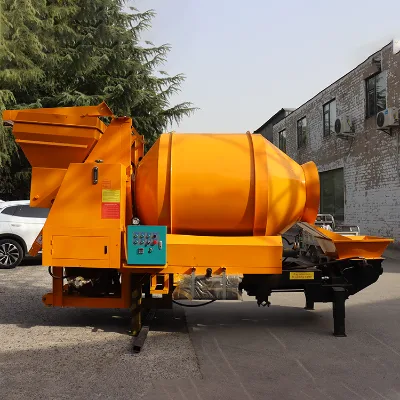

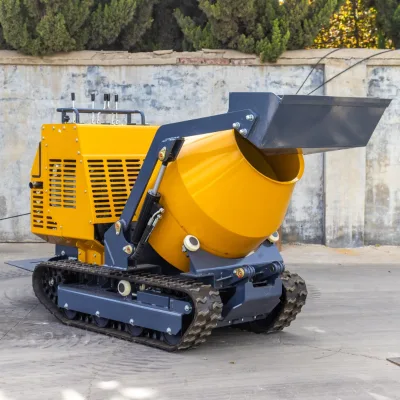
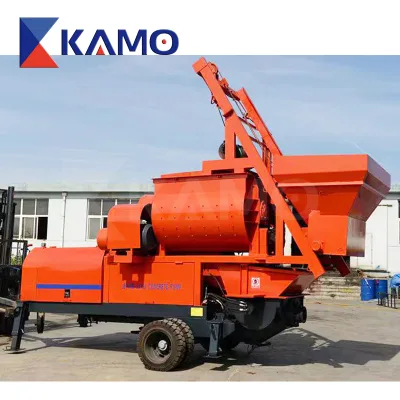
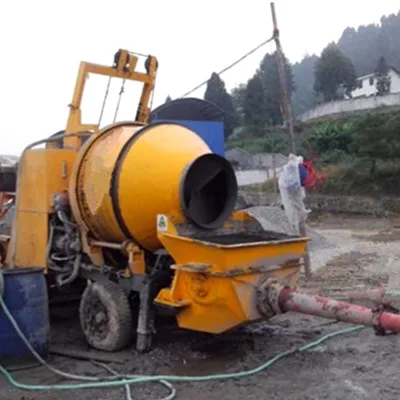
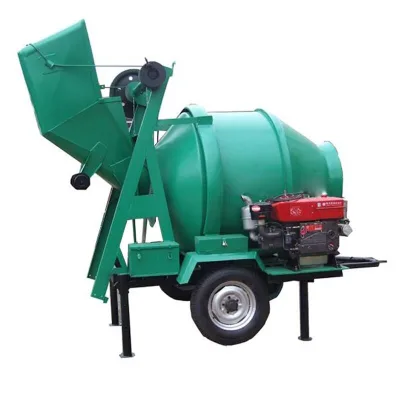


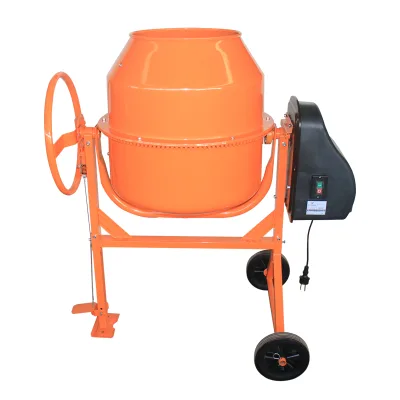


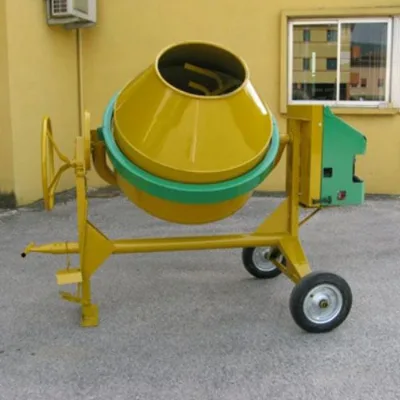
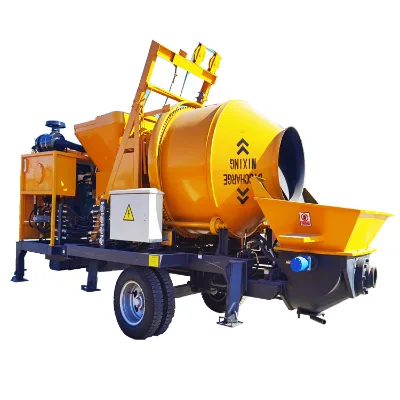


Comprehensive Sourcing Guide
Double Shaft Concrete Mixer with Pump Sourcing Guide
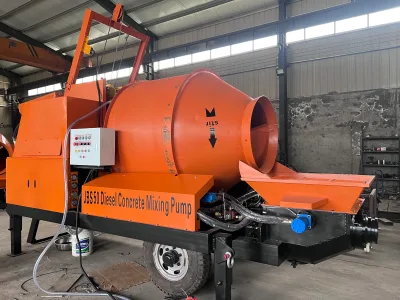
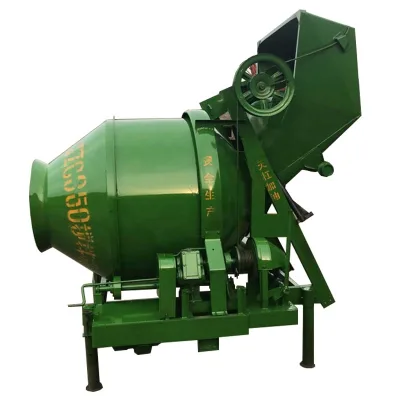
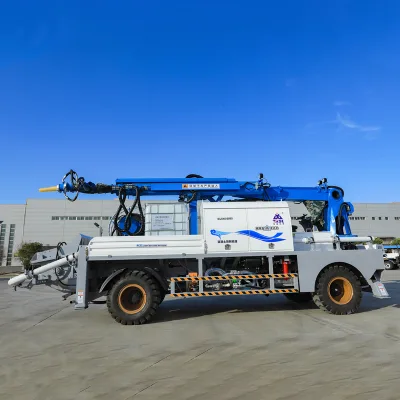
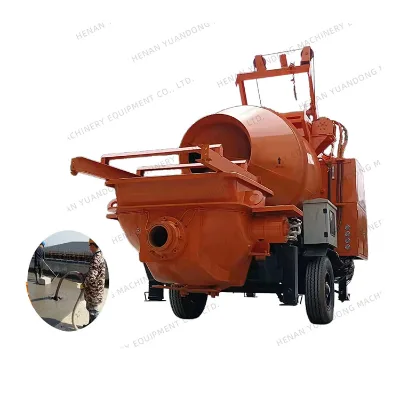
Procuring a Double Shaft Concrete Mixer with Pump requires careful alignment of mechanical design with project-specific concrete delivery needs. The supplied data indicates a diverse market presence, ranging from wet and dry shotcrete types to specialized cylinder and rotor structures. Buyers must distinguish between simple mixing units and integrated pumping systems, as the latter involves complex hydraulic and pressure dynamics. Understanding these structural differences is the first step in defining accurate technical requirements for your specific construction environment.
The observed product landscape includes models like the JBS30 and PME series, which vary significantly in capacity and configuration. While some listings highlight a rated input volume of 650L with a 450L output, others focus on high-pressure conveying capabilities up to 20MPa. This variation necessitates a clear definition of whether the priority is mixing efficiency, pumping distance, or aggregate handling. Misidentifying the core function can lead to selecting equipment that fails to meet the vertical or horizontal conveying demands of your site.
Product Scope and Observed Listing Signals
The current market listings reveal a wide spectrum of concrete mixing and pumping solutions, with prices ranging from $1 to $48,000 USD. This broad range reflects differences in automation, engine power, and structural complexity. For instance, the JBS30 model is listed with a total weight of 4500kg and specific dimensions, while smaller units like the PME-CM140 are packaged in cartons with significantly lower weight profiles. Buyers should interpret these price and weight variations as indicators of differing material quality, component origins, and intended operational scale.
Listing signals also highlight distinct operational modes, such as wet versus dry shotcrete types and hydraulic versus mechanical processes. The presence of Weifang diesel engines and Shandong gear pumps suggests specific supply chain origins that may influence maintenance and parts availability. Additionally, the observed minimum order quantity (MOQ) of 1 for all listed items indicates a flexible market for single-unit procurement. However, the diversity in packing methods, from standard international transport to wooden cases, requires careful logistics planning to ensure safe delivery to your project site.
Technical Specifications to Verify
Verifying the concrete cylinder diameter and stroke is critical for ensuring consistent pumping performance. The JBS30 model specifies a cylinder diameter of 140mm with a 1000mm stroke, which directly impacts the pressure and volume of each pump cycle. Buyers must confirm that these dimensions align with the required concrete consistency and aggregate size, particularly when dealing with the observed maximum aggregate diameters of 20mm or 30mm. Mismatched cylinder specifications can lead to blockages or inefficient material transfer during high-pressure operations.
Conveying distance and productivity metrics are equally vital for site planning. Listings indicate vertical conveying heights of 50-60m and horizontal distances up to 100m, with some models claiming a theoretical capacity of 15m³/H or a delivery volume of 30-35m³/H. Buyers should verify these figures against their specific site constraints, noting that productivity claims may vary based on concrete mix design and pump pressure. Additionally, checking the feeding height, such as the 1370mm observed in some models, ensures compatibility with your loading equipment and workflow efficiency.
Compliance and Safety Documentation
Certification status is a primary indicator of regulatory compliance and manufacturing quality. The supplied facts explicitly note CE certification for certain models, which is essential for operations within regions requiring European safety standards. Buyers must request valid certification documents for each specific model, as compliance is not universal across all listings. Verifying that the equipment meets local electrical and mechanical safety regulations prevents legal liabilities and ensures that the machinery can be legally operated on your construction site without interruption.
Safety features and operational documentation should be thoroughly reviewed before purchase. The presence of hydraulic processes and high-pressure systems, such as the 20MPa maximum export pressure, necessitates robust safety protocols. Buyers should ensure that the supplier provides comprehensive operation manuals, hydraulic schematics, and maintenance guides. Additionally, confirming the origin of critical components, such as the diesel engine and oil pump, helps in assessing the reliability of safety mechanisms and the availability of replacement parts for long-term operational safety.
Cost Drivers and Commercial Terms
The total cost of ownership extends beyond the initial purchase price, influenced by factors such as engine type, packing, and transportation. Models equipped with Weifang diesel engines and specific gear pumps may have different price points compared to electric or alternative engine configurations. The observed MOQ of 1 allows for flexible budgeting, but buyers must account for additional costs related to international shipping, given the varied packing standards from cartons to wooden cases. These logistical expenses can significantly impact the final landed cost of the equipment.
Commercial terms regarding delivery and customization also play a crucial role in budgeting. While some listings offer customization, buyers should clarify the associated costs and lead times for modified specifications. The standard packing for international transport suggests a baseline for shipping, but oversized dimensions, such as the 6000×2300×3150mm footprint of the JBS30, may incur higher freight charges. Understanding these variables helps in creating a realistic budget that includes not just the machine cost, but also installation, commissioning, and initial maintenance expenses.
Supplier Qualification and Quality Control
Supplier qualification should focus on verifying the authenticity of component origins and manufacturing capabilities. The listings mention specific origins like Zhengzhou, China, and component sources such as Shandong for gear pumps. Buyers should request proof of these origins through supplier audits or third-party inspections to ensure that the claimed specifications match the actual delivered goods. This verification process helps mitigate the risk of receiving substandard components that could compromise the mixer’s performance and durability.
Quality control measures must be established before shipment, particularly for complex hydraulic and mechanical systems. Buyers should insist on pre-shipment inspections that verify the concrete cylinder dimensions, pump pressure ratings, and engine performance. Given the diversity in product models, from the JBS30 to the YG series, a standardized inspection checklist is essential. This ensures that each unit meets the agreed-upon technical specifications and is free from manufacturing defects, reducing the likelihood of costly repairs or downtime after installation.
Long-Term Procurement Checks
Long-term procurement success depends on the availability of spare parts and technical support. The specific models listed, such as the PME-CM120 and YG-40, require a reliable supply chain for wear parts like cylinders, pistons, and hydraulic seals. Buyers should negotiate service agreements or secure a stock of critical components at the time of purchase. This proactive approach ensures that maintenance can be performed promptly, minimizing operational disruptions and extending the lifespan of the equipment.
Regular performance monitoring and maintenance scheduling are also key to long-term value. The observed productivity rates, such as 35m³/h or 90m³/h, should be tracked against actual site output to identify any performance degradation. Buyers should establish a routine maintenance protocol that includes checking the vibrating amplitude, oil pump integrity, and diesel engine health. By maintaining detailed records of these checks, procurement teams can make informed decisions about future replacements or upgrades based on actual equipment performance rather than initial claims.
FAQs
What is the rated output volume of the JBS30 concrete mixer with pump?
The rated output volume of the JBS30 concrete mixer with pump is 450 liters. This unit features a rated input volume of 650 liters and a hopper capacity of 400 liters, designed for efficient wet shotcrete processing with a hydraulic machining process.
Which certification does the concrete mixer pump machine hold?
The concrete mixer pump machine holds CE certification. This ensures compliance with relevant safety and quality standards for international transport, making it suitable for various construction projects requiring certified equipment for reliable performance and operational safety.
Can the concrete mixer pump be customized for specific needs?
Yes, the concrete mixer pump is available for customization. Buyers can request specific modifications to meet unique project requirements, ensuring the equipment fits their operational scale and specific application needs without compromising the standard structural integrity.
What is the maximum aggregate diameter for the YG series mixer?
The maximum aggregate diameter for the YG series mixer is 30 millimeters. This specification allows the machine to handle larger stone particles effectively, ensuring smooth concrete flow and preventing blockages during the vertical and horizontal conveying processes.
How far can the concrete pump transport material vertically and horizontally?
The concrete pump can transport material up to 120 meters vertically and 400 meters horizontally. Some models offer a vertical height of 50 to 60 meters and a horizontal distance of 100 meters, depending on the specific configuration and pump type selected.
What is the total weight of the JBS30 concrete mixer with pump?
The total weight of the JBS30 concrete mixer with pump is 4500 kilograms. This substantial weight ensures stability during operation, while the unit is packed in standard international transport packaging for safe delivery from its origin in Zhengzhou, China.
Which diesel engine powers the concrete mixer pump machine?
The concrete mixer pump machine is powered by a Weifang diesel engine. This engine provides the necessary power for the hydraulic process, ensuring consistent performance during high-volume concrete mixing and pumping operations for various construction site requirements.