Source 100ust Rough Terrain Crane for Construction Sites
Find 30 listings for the 100ust Rough Terrain Crane, featuring models like RT100 and SRC1000. Compare specifications including 46m booms, Dongfeng Cummins engines, and ISO certifications to select the right equipment for your project needs; compare the available evidence and request quotations based on your requirements.
Updated
Key considerations
Products List


Lifting Machine 50ton Rt50 with 50m Lifting Height Rough Terrain Crane
$80000.00 - $93000.00
MOQ: 1 Pieces

High Quality Crane 30t Rough Terrain Crane Sr300t for Rugged Desert Terrain
$110000.00 - $125000.00
MOQ: 1 Pieces


China Brand High Efficiency Rough Terrain Crane Src500 for Hot Sale
$320000.00 - $350000.00
MOQ: 1 Pieces

China Brand High Efficiency Rough Terrain Crane Src400 for Hot Sale
$180000.00 - $200000.00
MOQ: 1 Pieces

China Brand High Efficiency Rough Terrain Crane Src1200 for Hot Sale
$250000.00 - $300000.00
MOQ: 1 Pieces

China Brand High Efficiency Rough Terrain Crane Src1200 for Hot Sale
$250000.00 - $300000.00
MOQ: 1 Pieces
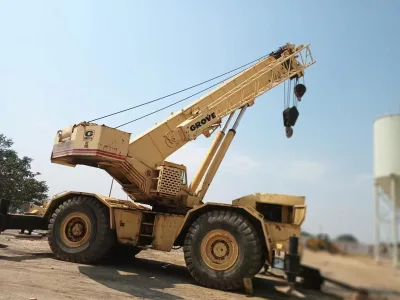
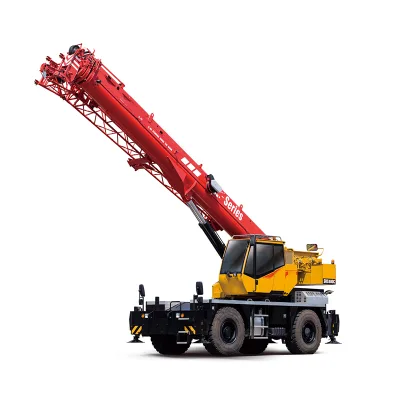
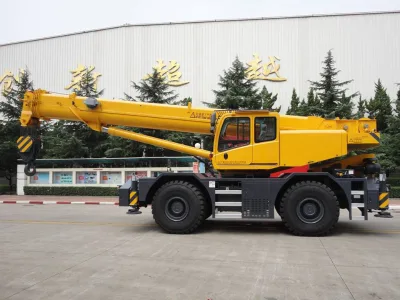
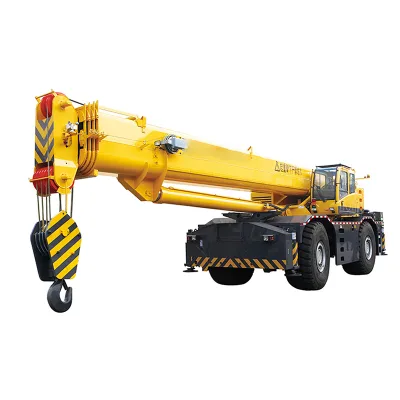
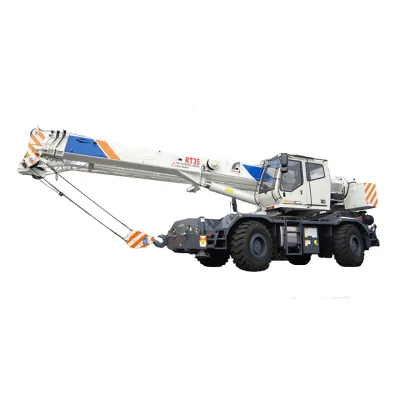
China's 40 Ton Rough Terrain Crane ZRT400V Hydraulic Crane 45 Meter
$74748.8473 - $77540.298
MOQ: 1 units
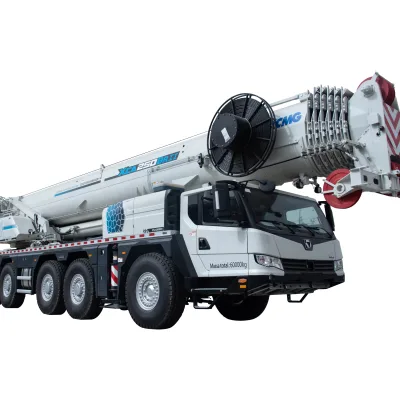
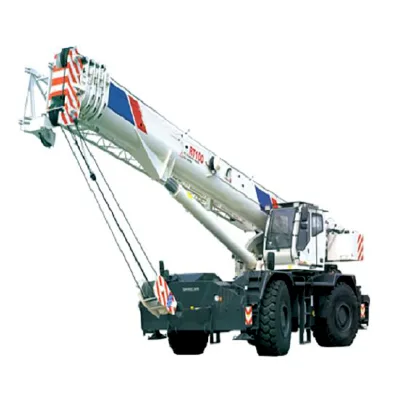
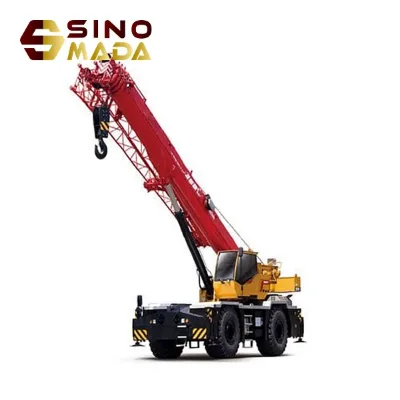
2025 High Quality 60 Ton Rough Terrain Crane SRC600C with Cheap Price
$488000.00 - $495000.00
MOQ: 1 pieces
Comprehensive Sourcing Guide
100ust Rough Terrain Crane Sourcing Guide
Product Scope and Observed Listing Signals
The market for rough terrain cranes in the 100-ton class presents a diverse array of configurations, primarily originating from China. Buyers will encounter models such as the RT100, RT130, and RT60, each tailored to specific lifting capacities and operational environments. The observed product range indicates a strong emphasis on versatility, with listings highlighting features like five-arm or four-arm crane jibs and main booms ranging from 46 to 47.3 meters. These specifications suggest that manufacturers are targeting projects requiring significant reach and height, such as construction sites or industrial maintenance tasks where mobility and lifting power are critical.
Pricing signals in the current market reflect the complexity of these machines, with observed ranges spanning from $20,000 to $780,000 USD. This wide variance underscores the importance of distinguishing between base models and fully customized units. Many suppliers offer customization options, allowing buyers to specify engine brands like Dongfeng Cummins or transmission systems from Dana. The minimum order quantity is consistently listed as one unit, indicating that these are high-value, individual procurement items rather than bulk commodities. Buyers must carefully evaluate the specific configuration against their project needs to avoid overpaying for unnecessary features or under-specifying for critical tasks.
Technical Specifications to Verify
When evaluating a 100-ton rough terrain crane, the structural integrity of the boom and jib is paramount. Key specifications to verify include the main boom length, which can extend up to 47.3 meters, and the jib length, often around 18 meters. The shaft number and type, such as straight arm configurations, directly impact the crane’s stability and reach. Additionally, the maximum lifting weight and height capabilities must align with project requirements, with some models supporting loads greater than 16 tons and heights exceeding 40 meters. Buyers should confirm whether the crane features a U-shape main boom, as this design often enhances structural strength and load distribution.
The drivetrain and control systems are equally critical for operational efficiency and safety. Look for cranes equipped with four-wheel drive and hydraulic outriggers, such as H-type setups, to ensure stability on uneven terrain. The engine brand, often Dongfeng Cummins, and the gearbox type, such as ZF, are key indicators of reliability. Control mechanisms like pilot control or electro-hydraulic proportional systems offer precise manipulation, reducing operator fatigue. Verify the presence of advanced features like all-around monitoring systems and torque limiters from reputable suppliers like Hirschmann, which enhance safety and prevent overload incidents during complex lifts.
Compliance and Safety Documentation
Certification is a non-negotiable aspect of sourcing heavy machinery, ensuring that the crane meets international safety and quality standards. Buyers should verify that the supplier provides valid ISO certifications, such as ISO9001 for quality management systems, and other relevant marks like RoHS and GS. These certifications indicate that the manufacturing process adheres to strict regulatory requirements, reducing the risk of defects. Additionally, check for specific crane-related certifications that confirm compliance with structural integrity and operational safety norms. Documentation should clearly state the certification status for each component, including the axle and transmission systems, to ensure full traceability and accountability.
Safety features must be thoroughly documented and verified before purchase. Look for detailed manuals and safety guides that explain the operation of hydraulic disc brakes, outrigger systems, and monitoring equipment. The presence of a full hydraulic disc brake system and torque limiters is essential for preventing accidents during lifting operations. Buyers should also inquire about the availability of safety training materials and maintenance schedules. Ensuring that the crane is equipped with air conditioning and comfortable operator cabins can also contribute to long-term safety by reducing operator fatigue. Proper documentation of these features is crucial for regulatory compliance and insurance purposes.
Cost Drivers and Commercial Terms
The cost of a rough terrain crane is influenced by several factors, including the engine brand, transmission system, and customization options. Models with premium components like Kessler axles and Dana transmissions typically command higher prices. The length and configuration of the boom and jib also play a significant role, with longer and more complex structures increasing manufacturing costs. Buyers should request detailed breakdowns of the pricing to understand how each component contributes to the total cost. This transparency helps in identifying potential areas for cost savings without compromising on quality or safety.
Commercial terms, such as payment methods and delivery schedules, are critical for managing cash flow and project timelines. While the minimum order quantity is often one unit, buyers should negotiate favorable payment terms, such as letters of credit or installment plans. Delivery lead times can vary significantly based on the level of customization required. It is essential to clarify the shipping and packaging details, ensuring that the crane is protected during transit. Buyers should also consider the total cost of ownership, including maintenance, spare parts, and potential downtime, to make an informed decision that aligns with their budget and operational needs.
Supplier Qualification and Quality Control
Selecting a reliable supplier is crucial for ensuring the quality and longevity of the rough terrain crane. Buyers should verify the supplier’s manufacturing capabilities, including their production facilities and quality control processes. Look for suppliers who have a proven track record in producing heavy machinery and who adhere to international standards. Requesting references from previous clients can provide insights into the supplier’s reliability and customer service. Additionally, verify the supplier’s ability to provide after-sales support, including maintenance services and spare parts availability, to ensure long-term operational efficiency.
Quality control measures should be rigorously enforced throughout the manufacturing process. Buyers should inquire about the testing procedures used to verify the crane’s performance, including load tests and structural integrity checks. Ensure that the supplier provides detailed inspection reports and certificates of conformity for each component. Third-party inspections can also be arranged to verify the quality of the crane before shipment. By establishing clear quality control protocols and maintaining open communication with the supplier, buyers can mitigate risks and ensure that the delivered crane meets their specifications and safety requirements.
Long-Term Procurement Checks
Long-term procurement success depends on establishing a robust maintenance and support strategy for the rough terrain crane. Buyers should develop a comprehensive maintenance schedule that includes regular inspections, lubrication, and component replacements. Partnering with the supplier for ongoing technical support can help address any issues promptly and minimize downtime. It is also important to keep detailed records of all maintenance activities and repairs to track the crane’s performance over time. This data can be used to predict future maintenance needs and optimize operational efficiency.
Building a strong relationship with the supplier can lead to better pricing, priority service, and access to new technologies. Buyers should regularly review their procurement strategies to ensure they align with evolving project requirements and market conditions. Staying informed about industry trends and technological advancements can help buyers make informed decisions about upgrades or replacements. Additionally, consider the environmental impact of the crane’s operation and explore options for more fuel-efficient or eco-friendly models. By focusing on long-term value and sustainability, buyers can maximize the return on their investment and ensure the crane remains a reliable asset for years to come.
FAQs
What certifications are available for the 100ust Rough Terrain Crane?
The 100ust Rough Terrain Crane is available with ISOCE, RoHS, and GS certifications. These credentials ensure compliance with international safety and quality standards. Buyers can verify these documents during the sourcing process to meet specific regulatory requirements for their project sites and operational environments.
What is the maximum lifting weight for the 100ust Rough Terrain Crane?
The 100ust Rough Terrain Crane features a maximum lifting weight exceeding 16 tons. This capacity supports heavy construction tasks and industrial lifting operations. The robust design ensures stability and safety when handling substantial loads across various terrain conditions and job site requirements.
Can the 100ust Rough Terrain Crane be customized for specific needs?
Yes, the 100ust Rough Terrain Crane offers available customization options. Buyers can tailor specific features to match unique project requirements. This flexibility allows for optimized performance and efficiency, ensuring the equipment integrates seamlessly into diverse operational workflows and site-specific conditions.
What engine brand powers the 100ust Rough Terrain Crane?
The 100ust Rough Terrain Crane is powered by a Dongfeng Cummins engine. This reliable power source ensures consistent performance and durability. The engine choice supports efficient fuel consumption and robust operation, making it suitable for demanding construction and industrial lifting applications.
What is the main boom length for the 100ust Rough Terrain Crane?
The 100ust Rough Terrain Crane has a main boom length of 47.3 meters. This extended reach allows for versatile lifting operations at significant heights. The U-shape design provides structural integrity, enabling safe and efficient handling of materials across large construction sites.
What type of outriggers does the 100ust Rough Terrain Crane use?
The 100ust Rough Terrain Crane utilizes H-type hydraulic outriggers. This configuration provides enhanced stability during lifting operations. The hydraulic system ensures quick deployment and secure positioning, which is critical for maintaining safety and balance when handling heavy loads on uneven terrain.