Source Double-Sided Bamboo Chopping Block for Kitchens, Restaurants, and Catering
Explore 30 listings for the Double-Sided Bamboo Chopping Block, featuring anti-friction and anti-skidding designs. Buyers can compare models like JH-K005 and XH-K062, noting variations in thickness, size, and certifications such as FDA and LFGB for professional food preparation needs.
Key considerations
Products List


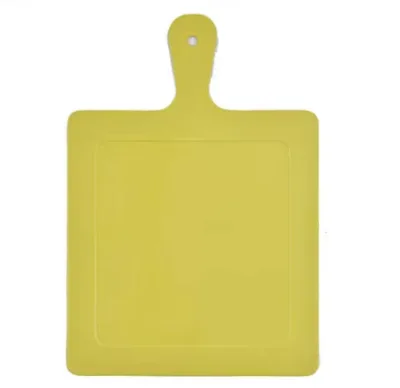


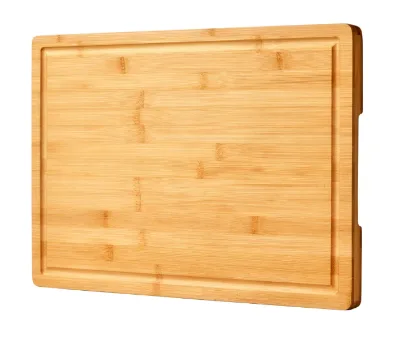

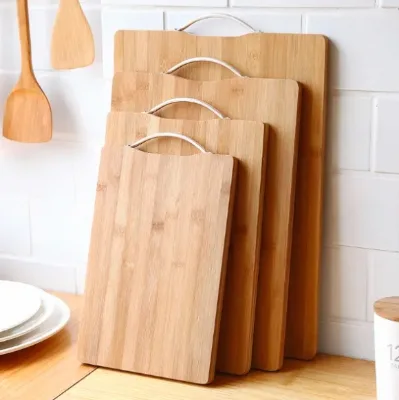
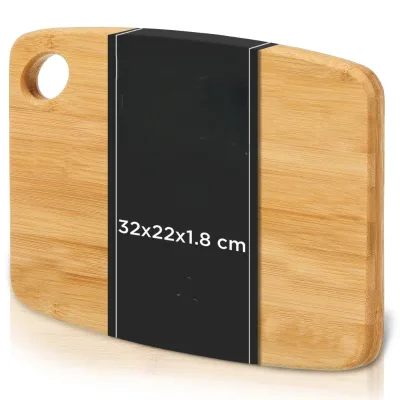

3-Piece Bamboo Cutting Board Set Bamboo Chopping Board Set Bamboo Butcher Block
$10.00 - $22.00
MOQ: 500 Pieces

Comprehensive Sourcing Guide
Double-Sided Bamboo Chopping Block Sourcing Guide
Sourcing double-sided bamboo chopping blocks requires a strategic approach to balancing durability, hygiene, and aesthetic appeal. These products are typically designed for high-volume kitchen use, offering distinct surfaces for different food preparation tasks. Buyers must prioritize suppliers who demonstrate consistent quality in material selection and manufacturing precision. The market offers various configurations, including square and round shapes, with options for thickening or slim profiles to suit different storage and usage needs.
Procurement teams should focus on verifying the structural integrity and surface treatment of the bamboo. Key attributes such as anti-skidding properties, antibacterial capabilities, and eco-friendly certifications are critical for modern retail requirements. Understanding the specific model numbers and customization options available from manufacturers in China, particularly in regions like Zhejiang and Fujian, helps in identifying reliable partners. This guide outlines the essential steps for evaluating suppliers and ensuring product compliance.
Product Scope and Observed Listing Signals
The observed product range includes various models such as JH-K005, XH-K062, and JH-K099, indicating a diverse portfolio of chopping board racks and single units. Listings frequently highlight features like double-sided design, flexible construction, and anti-friction surfaces, which cater to professional and home kitchen environments. The presence of both thickening and slim specifications suggests that buyers can select products based on specific storage constraints or ergonomic preferences. Natural and carbonized color options provide aesthetic flexibility for different brand identities.
Suppliers often emphasize eco-friendly attributes and stocked availability, which are crucial for rapid order fulfillment and sustainable branding. The inclusion of OEM/ODM acceptance and sample availability indicates a willingness to customize products for specific market demands. Packaging details, such as export standard cartons and single-piece shrink wrap, suggest a focus on protecting the product during transit. Buyers should verify these packaging methods to ensure minimal damage and efficient warehouse handling upon arrival.
Technical Specifications to Verify
Thickness and size are primary technical differentiators, with options ranging from medium to large dimensions and varying thickness profiles. Buyers must confirm the exact dimensions, such as the 25 x 36 x 3cm specification noted for certain models, to ensure compatibility with existing kitchen layouts or retail displays. The moisture content, typically observed between 8% and 10%, is a critical factor in preventing warping and cracking over time. Verifying this range ensures the bamboo has been properly dried and stabilized during the manufacturing process.
Material grade and glue quality are equally important for long-term performance. A-grade bamboo with E0 formaldehyde emission standards and LFGB-approved oils indicate a commitment to safety and durability. The presence of anti-skidding and antibacterial features adds functional value, reducing the risk of accidents and cross-contamination. Buyers should request detailed technical sheets that specify the glue type, oil treatment, and resistance to cracking, ensuring the product meets the rigorous demands of daily use.
Compliance and Safety Documentation
Certifications such as FDA, LFGB, and SGS are frequently cited, providing assurance that the products meet international safety and quality standards. These documents are essential for importing into regulated markets, ensuring that the bamboo blocks are safe for direct food contact. Buyers must verify the validity and scope of these certifications, confirming that they cover the specific models and materials being procured. This due diligence mitigates the risk of regulatory non-compliance and potential product recalls.
Additional standards like CE and GRADE A classifications further reinforce the product's quality and safety profile. The mention of FSC certification, while low-confidence in some contexts, should be pursued if sustainable sourcing is a core brand value. Buyers should request copies of these certificates and cross-reference them with the issuing bodies to ensure authenticity. Proper documentation not only facilitates customs clearance but also builds consumer trust in the product's safety and environmental responsibility.
Cost Drivers and Commercial Terms
Pricing in the observed range of 0-80 USD reflects variations in material quality, thickness, and customization levels. Higher MOQs, ranging from 100 to 1,000,000 units, suggest that economies of scale play a significant role in cost efficiency. Buyers should negotiate based on volume commitments, leveraging the supplier's capacity to offer competitive pricing for larger orders. Understanding the cost breakdown, including material, labor, and packaging, helps in identifying areas for potential savings without compromising quality.
Commercial terms such as sample availability and customization options can impact the overall procurement timeline and cost. Suppliers that accept OEM/ODM requests may charge additional fees for mold creation or design adjustments. Buyers should clarify these costs upfront and include them in their total cost of ownership calculations. Additionally, understanding the lead times and production capacity of the supplier is crucial for maintaining inventory levels and meeting market demand.
Supplier Qualification and Quality Control
Verifying the supplier's origin, particularly in manufacturing hubs like Zhejiang Ningbo and Nanping, China, provides insight into their production capabilities and supply chain efficiency. Buyers should conduct thorough background checks to ensure the supplier has a proven track record in producing high-quality bamboo products. Requesting references and reviewing past performance data can help assess the supplier's reliability and consistency in meeting delivery schedules and quality standards.
Quality control processes should be clearly defined and agreed upon before production begins. This includes pre-production sample approvals, in-process inspections, and final random inspections before shipment. Buyers should specify the acceptance criteria for defects, such as cracks, warping, or surface imperfections, and ensure the supplier has robust mechanisms to identify and rectify these issues. Establishing a clear communication channel for quality concerns ensures timely resolution and maintains product integrity.
Long-Term Procurement Checks
Building a sustainable supply chain requires regular performance reviews and continuous improvement initiatives. Buyers should monitor key performance indicators such as defect rates, delivery punctuality, and responsiveness to quality issues. Establishing a long-term partnership with a supplier who demonstrates a commitment to quality and innovation can lead to better pricing, priority production slots, and access to new product developments. Regular audits and site visits can further strengthen this relationship and ensure ongoing compliance.
Market trends and consumer preferences evolve, requiring buyers to stay informed about new materials, designs, and certifications. Engaging with suppliers who offer customization and eco-friendly options ensures that the product portfolio remains relevant and competitive. Buyers should also consider the environmental impact of their procurement decisions, prioritizing suppliers who adhere to sustainable practices and responsible sourcing. This holistic approach supports brand reputation and long-term business success.
FAQs
How can I verify the safety of a Double-Sided Bamboo Chopping Block for food contact?
Check whether the product is certified to FDA, LFGB, and SGS requirements, which are the food-contact standards commonly referenced for these boards. Also ask suppliers about the adhesive grade and surface oil used, since E0 glue and LFGB approved oil indicate safer materials. Request current certificates from the actual production batch before placing orders.
What customization options are typically available for double sided bamboo chopping blocks?
Most suppliers listed offer customization, including custom models, sizes, packaging, and production standards. Options span thickness such as slim or thickening, square or round shapes, and natural or carbonized colors. OEM and ODM services are generally accepted, and samples are often available, so confirm specifications and sample policies before committing to volume production.
Which thickness and size should I choose for a double sided bamboo chopping board?
Choose thickening boards for heavy cutting tasks and slim boards for light daily use or flexibility. Sizes range from medium to large, with some models made to a standard around 25 by 36 by 3 centimeters. Match the board to your usage, such as fruits and vegetables chopping, and consider that double sided designs allow separating tasks on each face.
How is a Double-Sided Bamboo Chopping Block packed for export orders?
Common export packing includes one piece in one shrink OPP bag with sets arranged in a carton, or export standard cartons and export packages generally. Some suppliers offer single piece packages. Confirm the exact packing configuration, carton quantity, and labeling during negotiation, since packing affects freight volume, retail presentation, and per-unit landed cost for your market.
What features distinguish bamboo chopping boards from other cutting board materials?
Bamboo boards are eco-friendly, durable, and resistant to cracking, with good waterproof performance when properly finished. Many designs add anti-skidding and anti-friction functions, and some offer antibacterial properties. Quality is graded, with A grade bamboo and moisture content around 8 to 10 percent helping boards stay stable in varied kitchen and warehouse climates.
Can I order samples of double sided bamboo chopping blocks before bulk production?
Yes, samples are generally available from suppliers, and custom samples can be made to your specifications. Order a sample to evaluate thickness, color such as natural or carbonized, finish oil, and glue quality. Expect sample costs and freight to be quoted separately, and verify the sample matches the production standard before confirming a bulk purchase order.