Source double-sided retractable tape measure for Construction, DIY, Industry
Find 30 double-sided retractable tape measure options from verified suppliers. Compare specifications like precision, range, and material to select the right tool for measuring tasks in construction, DIY, and industrial applications; compare the available evidence and request quotations based on your requirements.
Updated
Key considerations
Products List






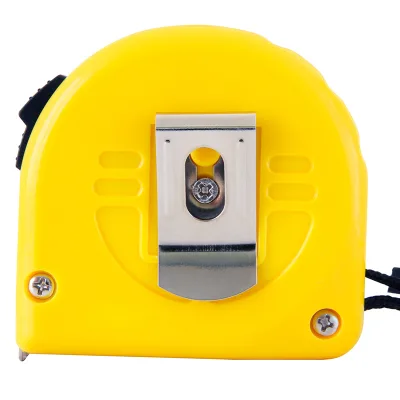
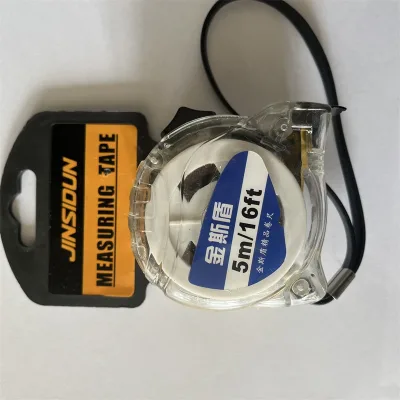


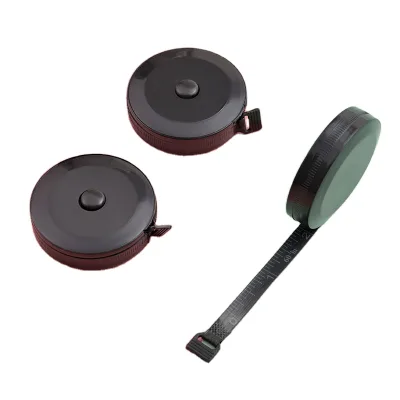

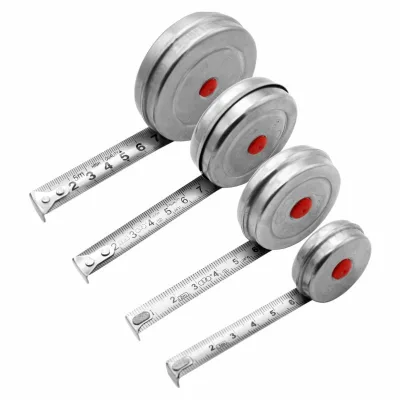


Comprehensive Sourcing Guide
Double-Sided Retractable Tape Measure Sourcing Guide
Procuring double-sided retractable tape measures requires a nuanced understanding of the intersection between precision measuring instruments and adhesive application tools. While the core keyword suggests a specialized adhesive product, the available market data reveals a broader category of measuring tools, including steel tapes and micrometers, that may serve similar industrial or household functions. Buyers must carefully distinguish between standard measuring devices and those with integrated adhesive properties, as the supply chain for these distinct items often overlaps in general hardware directories but differs significantly in technical requirements. This guide focuses on verifying the specific attributes of retractable measuring tools, ensuring that the selected product meets the precise dimensional and functional needs of the procurement project.
The sourcing landscape for these items is characterized by a wide variance in material composition, ranging from iron and plastic to specialized steel alloys. Observations indicate that products labeled as "measuring tape" or "steel tape" often coexist with precision micrometers in supplier catalogs, creating potential confusion in product classification. It is critical for buyers to scrutinize product titles and model numbers to confirm the presence of double-sided adhesive functionality, as many listed items are purely mechanical measuring devices. Understanding this distinction is the first step in avoiding procurement errors, ensuring that the final delivered goods align with the intended application, whether it be for construction layout, household repairs, or industrial quality control tasks.
Product Scope and Observed Listing Signals
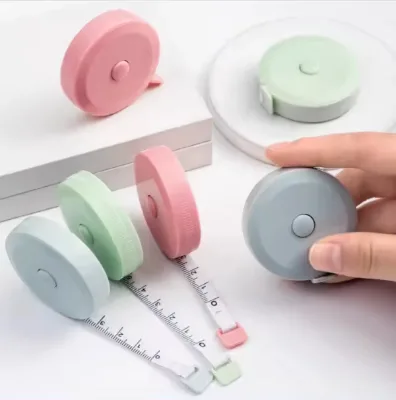
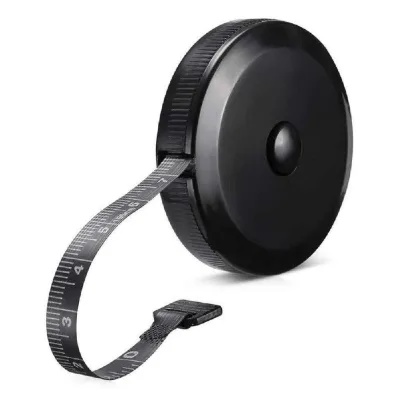
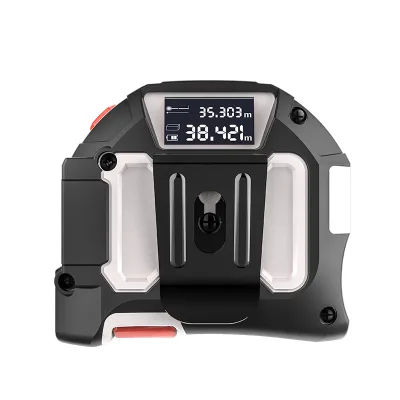
The observed product listings reveal a diverse range of measuring tools that buyers might encounter when searching for retractable tape solutions. Key attributes include color options such as black, pink, white, blue, yellow, and green, which allow for customization based on brand identity or visibility requirements in specific work environments. The material composition varies significantly, with some products constructed from iron for durability and others from plastic for lightweight portability. These material choices directly impact the tool's resistance to wear, corrosion, and environmental factors, making it essential for buyers to select the appropriate material based on the intended usage context, whether for heavy-duty industrial use or light household tasks.
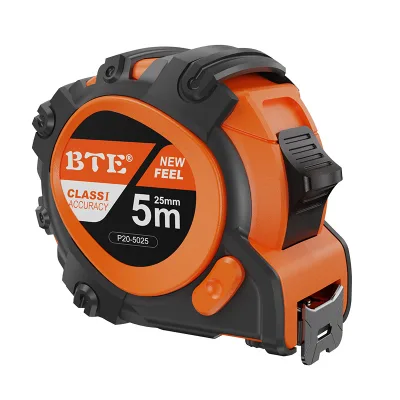
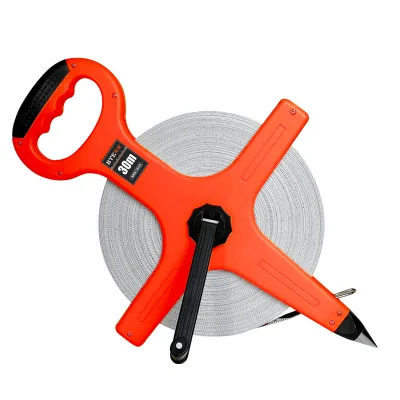
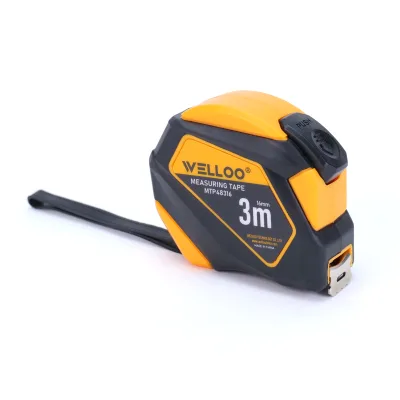
Resolution and precision are critical differentiators among the observed products, with specifications ranging from 0.01mm to 0.02mm for high-precision instruments and broader ranges for general-purpose tapes. The observed range of measurement extends from 50~75mm for specialized micrometers up to 500mm for standard tapes, with some models offering extended lengths such as 3M, 5M, 7.5M, and 10M. Buyers must verify the specific measurement range required for their application, as using a tool with an insufficient range can lead to inaccurate results. Additionally, the presence of features like portable design and single-item packaging suggests a focus on ease of use and distribution, which are important considerations for bulk procurement and retail distribution channels.
Technical Specifications to Verify
When evaluating technical specifications, buyers must prioritize the accuracy and resolution of the measuring device to ensure reliable performance. The observed data highlights precision levels such as 0.015mm and 0.001mm, which are typical for high-end micrometers rather than standard tape measures. It is crucial to verify whether the product in question is a precision measuring device or a general-purpose tape, as the technical requirements for calibration and maintenance differ significantly between these categories. Buyers should request detailed technical datasheets that specify the measurement method, whether manual or automated, and confirm the accuracy class, such as class A, to ensure compliance with industry standards for precision instruments.
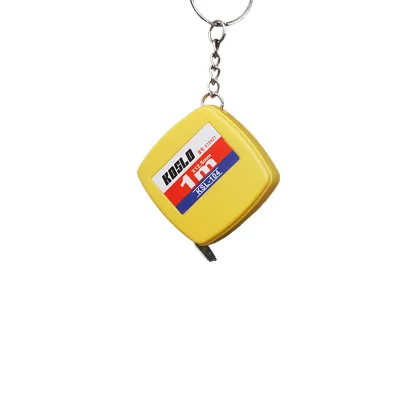
The physical specifications of the product, including model numbers like CX-MRE(15) and packaging dimensions, provide insight into the product's design and logistics requirements. Single package sizes, such as 5.2X5.2X1.3 cm, and gross weights of 0.02 kg indicate compact, lightweight designs suitable for easy storage and transport. Buyers should verify the packing method, which may include inner boxes, cartons, or OPP bags, to ensure that the packaging protects the product during shipping and meets retail or industrial handling standards. Additionally, the availability of customized logo printing and specific model numbers allows for brand differentiation and inventory management, which are valuable for businesses seeking to establish a unique market presence.
Compliance and Safety Documentation
Compliance with international and regional standards is a critical aspect of sourcing measuring tools, as it ensures product reliability and legal market access. The observed certifications include GB, JIS, ISO, CE, and DIN, which indicate adherence to specific quality and safety regulations in various markets. Buyers must verify which certifications are applicable to their target market, as requirements differ significantly between regions such as Europe, Asia, and North America. It is essential to request valid certification documents from suppliers to confirm that the products have undergone rigorous testing and meet the necessary regulatory standards for precision measuring instruments and household sundries.
In addition to formal certifications, buyers should assess the product's origin and manufacturing standards to ensure consistent quality and ethical sourcing practices. The observed products originate from locations such as Guangzhou and Anhui in China, which are known hubs for hardware and tool manufacturing. Buyers should verify the production standards, such as the "Measure" standard observed in some listings, to ensure that the manufacturing processes align with industry best practices. Furthermore, the availability of free samples and sample support allows buyers to physically inspect the product for quality, functionality, and compliance before committing to large orders, reducing the risk of receiving non-conforming goods.
Cost Drivers and Commercial Terms
Cost drivers for double-sided retractable tape measures include material costs, precision requirements, and customization options, all of which influence the final price. The observed price range of 0.09-58 USD reflects the diversity of products available, from basic plastic tapes to high-precision iron micrometers. Buyers should consider the trade-off between cost and quality, as higher precision and durability often come at a premium. Additionally, customization features such as logo printing and specific color options can add to the production cost, so buyers should evaluate the necessity of these features against their budget constraints and branding requirements.
Commercial terms, including minimum order quantities (MOQ) and lead times, play a significant role in procurement planning. The observed MOQ ranges from 2 to 6000 pieces, with specific listings indicating MOQs of 1000 PCS or 500 PCS, allowing for flexibility in order sizes. Lead times vary from 7-10 working days to 15-25 days, depending on the product complexity and supplier capacity. Buyers should negotiate clear delivery terms and payment conditions to manage cash flow and inventory levels effectively. Understanding these commercial terms helps in selecting suppliers that can meet volume requirements and delivery schedules, ensuring a smooth supply chain operation.
Supplier Qualification and Quality Control
Supplier qualification is essential to ensure that the sourcing partner can consistently deliver high-quality measuring tools. Buyers should verify the supplier's production capabilities, quality management systems, and track record in the industry. The presence of certifications such as ISO and CE indicates a commitment to quality standards, but buyers should also conduct on-site audits or request third-party inspection reports to validate these claims. Additionally, the availability of free samples and sample support allows buyers to assess the supplier's responsiveness and product quality before establishing a long-term partnership, reducing the risk of supply chain disruptions.
Quality control measures should be integrated into the procurement process to ensure that the delivered products meet the specified technical and performance criteria. Buyers should define clear acceptance criteria for precision, resolution, and durability, and implement incoming quality inspections upon receipt of goods. The observed product attributes, such as material composition and packaging, should be verified against the purchase order specifications to prevent discrepancies. Establishing a robust quality control framework, including regular supplier evaluations and performance monitoring, helps maintain product consistency and customer satisfaction, ensuring that the sourcing strategy supports the business's long-term goals.
Long-Term Procurement Checks
Long-term procurement success depends on continuous monitoring of supplier performance and market trends to adapt to changing business needs. Buyers should establish key performance indicators (KPIs) for delivery reliability, product quality, and customer service, and review these metrics regularly to identify areas for improvement. The dynamic nature of the hardware market, with evolving standards and technologies, requires buyers to stay informed about new product developments and regulatory changes. By maintaining open communication with suppliers and fostering collaborative relationships, buyers can leverage supplier expertise to optimize product selection and cost efficiency over time.
Additionally, buyers should periodically reassess their sourcing strategy to ensure alignment with business objectives and risk management practices. This includes evaluating alternative suppliers, exploring new markets, and diversifying the supply base to mitigate risks associated with single-source dependencies. The observed product diversity, ranging from household sundries to precision measuring devices, offers opportunities for strategic sourcing and value creation. By implementing a proactive approach to supplier management and market analysis, buyers can build a resilient supply chain that supports growth, innovation, and competitive advantage in the long run.
FAQs
What materials are used for these measuring tools?
The measuring tools are primarily constructed from iron and plastic materials. These durable materials ensure longevity and resistance to wear during frequent use. The choice of material supports the precision requirements of the device while maintaining a lightweight profile for easy handling in various measuring tasks.
What is the precision and resolution of the device?
The device offers high precision with values of 0.015mm and 0.001mm depending on the specific model. The resolution is available at 0.01mm or 0.02mm. These specifications ensure accurate length measurements, making the tool suitable for detailed work where exact dimensions are critical for quality control.
Can I customize the logo and packaging?
Yes, customization is available for both logos and packaging. Buyers can request customized logo printing on the product. The packaging can be adjusted to normal packing or specific customer requirements, such as inner boxes and cartons. This flexibility allows for branding and tailored logistics solutions.
What certifications do the products hold?
The products hold various certifications including ISO, CE, GB, JIS, and DIN. These certifications indicate compliance with international and regional quality and safety standards. Buyers can rely on these documented credentials to ensure the measuring tools meet the necessary regulatory requirements for their specific markets and applications.
What is the typical lead time for delivery?
The typical delivery time ranges from 7 to 25 working days. Specific lead times depend on the order quantity and customization requirements. Some suppliers offer faster delivery within 7-10 working days, while standard orders may take 15-25 days. This timeframe allows for production and quality assurance processes.
What is the minimum order quantity for these items?
The minimum order quantity varies, with observed values ranging from 2 to 6000 pieces. Common MOQs include 500 pieces or 1000 pieces depending on the supplier. Buyers should check specific product listings for exact MOQ requirements, as these thresholds can impact pricing and production scheduling for bulk orders.