Source Adjustable Piston Ring Compressor for engine repair
Compare 10 Adjustable Piston Ring Compressor options from verified suppliers. Evaluate specifications, materials, and pricing to find the right tool for engine maintenance, repair tasks, and professional automotive workshops seeking reliable equipment; compare the available evidence and request quotations based on your requirements.
Updated
Key considerations
Products List
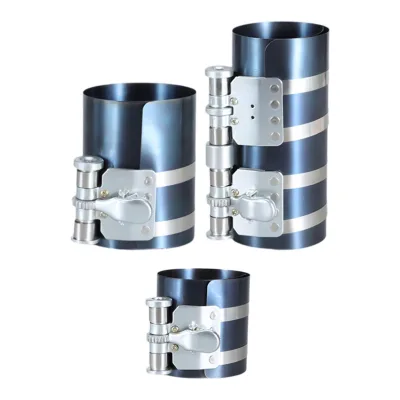
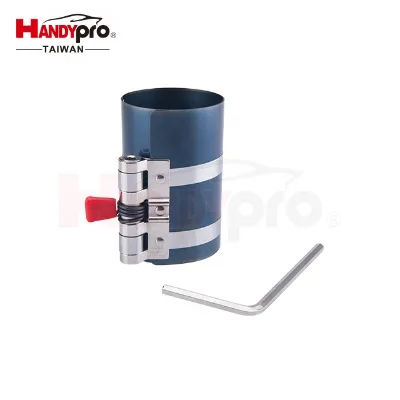
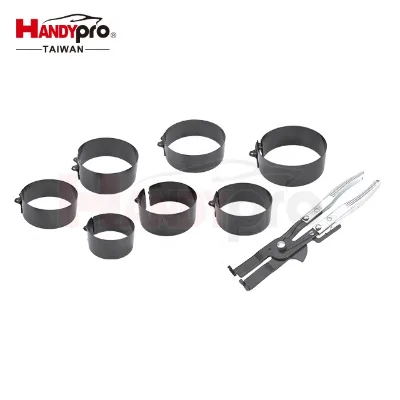
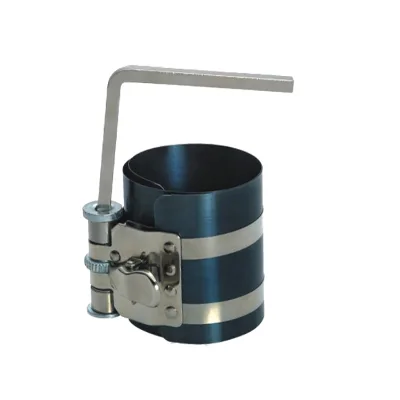


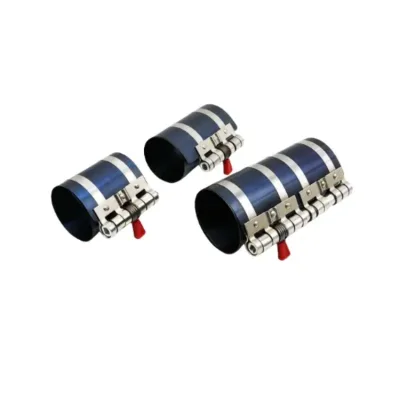
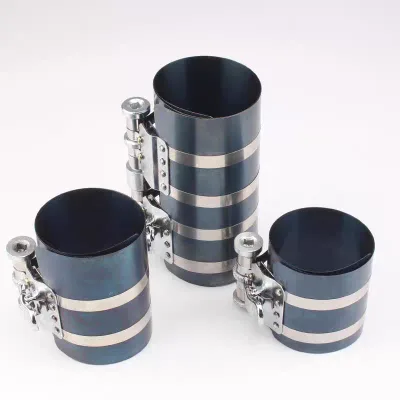
Professional 3" Piston Ring Compressor 53 - 175 Rings Mounting Tool Manufacturer
$1.5364 - $2.5612
MOQ: 50 pieces

Comprehensive Sourcing Guide
Adjustable Piston Ring Compressor Sourcing Guide
Procuring adjustable piston ring compressors requires a disciplined approach to align tool specifications with engine block dimensions and repair workflows. These tools are essential for safely compressing piston rings during installation, preventing damage to the cylinder walls or the rings themselves. Buyers must prioritize tools that offer precise adjustability to accommodate various engine sizes, from small automotive applications to larger industrial engines. The core challenge lies in selecting a compressor that provides uniform pressure distribution across the piston assembly, ensuring a smooth fit into the cylinder bore without binding or scoring.
The market offers a variety of options, ranging from basic manual models to more sophisticated designs with enhanced locking mechanisms. Sourcing decisions should be driven by the specific requirements of the repair shop or manufacturing line, including the frequency of use and the types of engines serviced. It is critical to evaluate the tool’s durability and ease of adjustment, as these factors directly impact labor efficiency and the quality of the final assembly. By focusing on these operational needs, buyers can identify suppliers who provide reliable, high-performance tools that meet rigorous industrial standards.
Product Scope and Observed Listing Signals
Market listings for adjustable piston ring compressors reveal a diverse range of product attributes and supplier origins. Observed data indicates that products originate from key manufacturing hubs such as Guangdong, Taiwan, Hebei, and Zhejiang in China. Material composition varies, with some tools constructed from high carbon steel for durability, while others utilize spring steel for flexibility and resilience. These material choices directly influence the tool’s lifespan and its ability to withstand the high pressures required during piston ring installation. Buyers should carefully review material specifications to ensure compatibility with their specific operational demands.
Listing signals also highlight significant variations in packaging, warranty, and certification standards. Some suppliers offer products with ISO9001 or ISO certifications, indicating a commitment to quality management systems, while others may only provide basic warranty periods ranging from one month to one year. Packaging details, such as color boxes or blow mold cases, suggest different levels of product protection and presentation. Additionally, model numbers like EN0803 or S-T012 help in identifying specific tool configurations. Understanding these signals allows buyers to filter suppliers based on their reliability and the specific features required for their procurement needs.
Technical Specifications to Verify
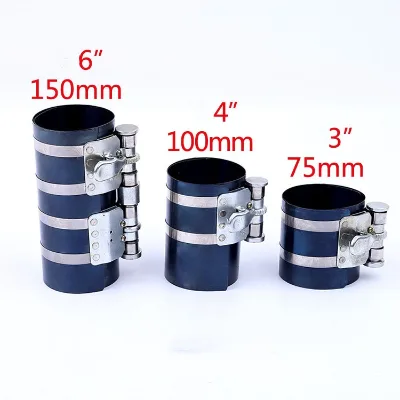
When evaluating adjustable piston ring compressors, verifying technical specifications is paramount to ensure proper fit and function. Buyers must confirm the size compatibility, as tools are often designed for specific diameter ranges, such as 3-inch, 4-inch, or 6-inch applications. The adjustability mechanism should allow for precise tightening to secure the piston rings without over-compressing them, which could lead to ring breakage or cylinder wall damage. It is essential to check the tool’s construction quality, including the strength of the band and the reliability of the tightening mechanism, to prevent slippage during operation.
Additional technical details, such as the total height and standard dimensions, play a crucial role in determining the tool’s suitability for specific engine blocks. For instance, a total height of 6 inches (150mm) may be required for certain deep-block engines. Buyers should also inquire about the tool’s weight and single package size, as these factors affect handling and storage efficiency. Verifying the model number against known specifications ensures that the purchased tool matches the intended application. By meticulously checking these technical parameters, buyers can avoid costly mismatches and ensure seamless integration into their repair processes.
Compliance and Safety Documentation
Compliance and safety documentation are critical components of the procurement process for adjustable piston ring compressors. Buyers should request evidence of relevant certifications, such as ISO9001 or ISO, which demonstrate that the supplier adheres to established quality management standards. These certifications provide assurance that the manufacturing processes are consistent and that the tools meet specific safety and performance criteria. Additionally, verifying that the tools comply with relevant industry standards ensures that they are safe for use in professional environments, reducing the risk of accidents or tool failure during operation.
Warranty terms also serve as an indicator of the supplier’s confidence in their product’s durability and performance. Buyers should review the warranty period, which can range from one month to one year, to understand the level of support provided in case of defects or premature wear. Clear warranty policies protect the buyer’s investment and provide recourse if the tool fails to meet expected standards. Furthermore, buyers should ensure that the supplier provides adequate documentation regarding the tool’s material composition and construction, which can be vital for troubleshooting and maintenance purposes.
Cost Drivers and Commercial Terms
Cost drivers for adjustable piston ring compressors include material quality, manufacturing complexity, and supplier location. Tools made from high carbon steel or spring steel may command higher prices due to the superior durability and performance these materials offer. The complexity of the adjustable mechanism and the precision required in its manufacture also influence the final cost. Additionally, suppliers located in different regions, such as Guangdong or Hebei, may have varying production costs that affect their pricing strategies. Buyers should consider these factors when evaluating quotes to ensure they are receiving fair value for the quality of the tool.
Commercial terms, including minimum order quantities (MOQ) and supply ability, significantly impact the procurement process. Observed MOQs range from 10 to 3000 units, allowing buyers to scale their orders based on their immediate needs and storage capacity. Supply ability, such as 100 sets per month, indicates the supplier’s production capacity and their ability to fulfill larger orders in a timely manner. Buyers should negotiate terms that align with their inventory management strategies, ensuring a steady supply of tools without overstocking. Clear communication regarding lead times and shipping terms is essential to avoid disruptions in the repair workflow.
Supplier Qualification and Quality Control
Supplier qualification is a critical step in ensuring the reliability and consistency of adjustable piston ring compressors. Buyers should assess the supplier’s production capabilities, including their facility size, equipment, and workforce expertise. Suppliers with established quality control processes, such as ISO9001 certification, are more likely to deliver products that meet strict performance standards. Additionally, buyers should review the supplier’s track record, including customer feedback and repeat business rates, to gauge their reputation in the market. A qualified supplier will provide transparent information about their manufacturing processes and quality assurance measures.
Quality control measures should be verified through audits or third-party inspections, if necessary. Buyers should request samples for testing to evaluate the tool’s adjustability, durability, and overall performance. It is essential to ensure that the tools are free from defects, such as rough edges or weak joints, which could compromise safety and effectiveness. Suppliers who invest in rigorous quality control are more likely to provide products that withstand the demands of frequent use. By prioritizing supplier qualification and quality control, buyers can mitigate risks and ensure a consistent supply of high-quality piston ring compressors.
Long-Term Procurement Checks
Long-term procurement checks involve continuous monitoring of supplier performance and product quality to ensure sustained value. Buyers should establish key performance indicators (KPIs) to track metrics such as delivery times, defect rates, and customer satisfaction. Regular reviews of these metrics help identify potential issues early, allowing for proactive corrective actions. Additionally, buyers should maintain open communication with suppliers to address any concerns or changes in requirements. A collaborative relationship with suppliers fosters trust and ensures that both parties are aligned on quality and service expectations.
Periodic re-evaluation of the supplier base is also essential to remain competitive and responsive to market changes. Buyers should explore alternative suppliers to ensure they have backup options in case of supply chain disruptions. This diversification strategy reduces dependency on a single source and enhances procurement resilience. Furthermore, staying informed about industry trends and technological advancements in piston ring compressor design can help buyers identify opportunities for improvement. By implementing robust long-term procurement checks, buyers can optimize their sourcing strategies and maintain a reliable supply of high-quality tools.
FAQs
What materials are used for adjustable piston ring compressors?
Adjustable piston ring compressors are typically manufactured from high carbon steel or spring steel to ensure durability and strength during engine repair tasks. These materials provide the necessary rigidity to compress piston rings safely without deforming. Buyers should verify the specific material grade listed in the product specifications to match their mechanical requirements and ensure long-term tool reliability.
Can I find adjustable piston ring compressors with ISO certification?
Yes, you can source adjustable piston ring compressors that hold ISO or ISO9001 certifications. These certifications indicate that the manufacturing process meets specific quality management standards. When evaluating suppliers, check the product details for listed certifications to ensure the tools meet your quality assurance protocols and regulatory requirements for professional automotive repair applications.
What is the typical warranty period for these tools?
The warranty period for adjustable piston ring compressors varies by supplier, ranging from three months to one year. Some manufacturers offer a one-year warranty, while others provide a shorter three-month coverage. Buyers should carefully review the warranty terms provided in the product listing to understand the support available for defects or manufacturing issues.
How are adjustable piston ring compressors packaged for shipping?
These tools are commonly packaged in color boxes, blow mold cases, or white boxes to protect them during transit. The packaging dimensions and gross weight vary, with some items weighing around 0.58 kg and others up to 15.5 kg. Proper packaging ensures the tool arrives undamaged, so buyers should check the packaging details for specific handling requirements.
What specifications should I check when selecting a compressor?
Key specifications to check include the model number, size options, and standard measurements. Common sizes include 3, 4, and 6 inches, with standards like 4mm or 75mm. Reviewing these technical details ensures the compressor fits your specific engine piston dimensions. Always verify the model number and size against your vehicle requirements before placing an order.
Are adjustable piston ring compressors available for universal fitment?
Many adjustable piston ring compressors are designed for universal fitment, making them suitable for various engine types. Some products are specifically listed as universal, while others may target specific brands like Abarth. Buyers should confirm the car fitment details in the product description to ensure compatibility with their specific engine repair projects and mechanical needs.