Source Drawer Paulownia Timber for furniture, cabinets, and doors
Find 30 listings for Drawer Paulownia Timber with customizable sizes and E0 glue standards. Compare options from Shandong suppliers offering CARB and FSC certifications for indoor and outdoor applications; compare the available evidence and request quotations based on your requirements.
Updated
Key considerations
Products List


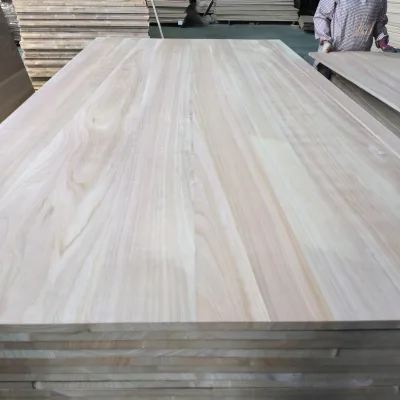
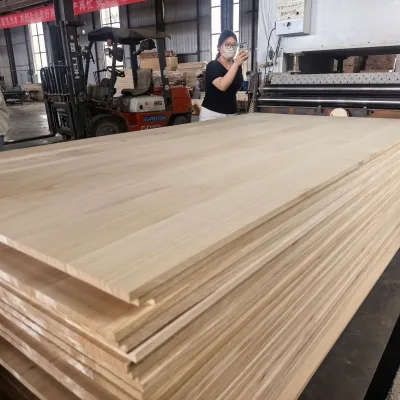
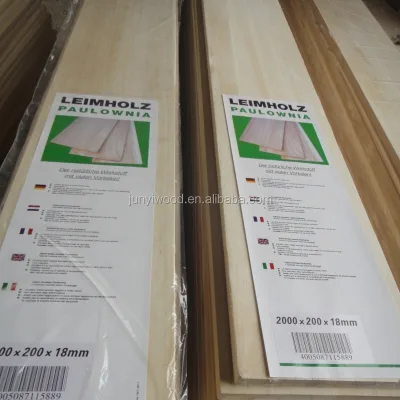
$497.9502 - $508.3238
MOQ: 20 cubic
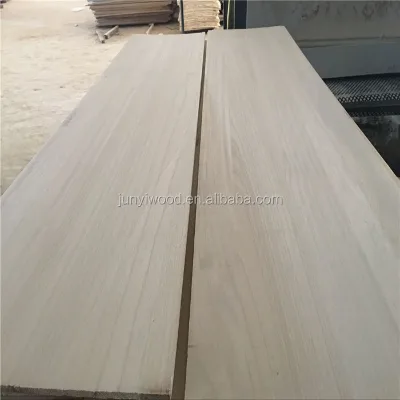


Wholesale Uvpaulownia Composite Wood Board Drawer Sides Timber Solid Wood Drawer Board
$449.00 - $650.00
MOQ: 5 Cubic Meter

Factory Direct Sale Paulownia Drawer Slotted Drawer Board Can Make Multi-Standard Board
$475.00 - $648.00
MOQ: 5 cubic meter

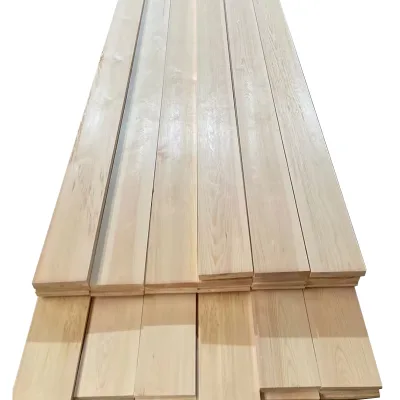
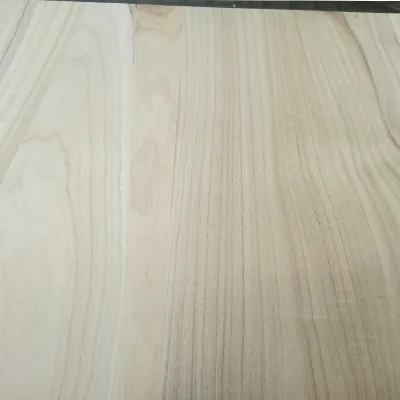
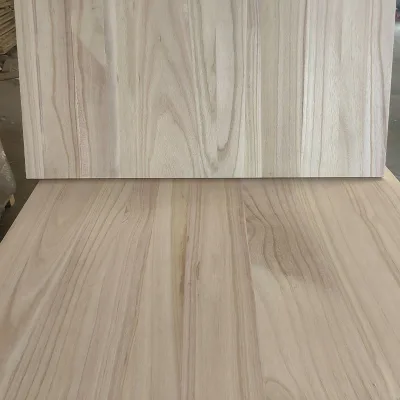
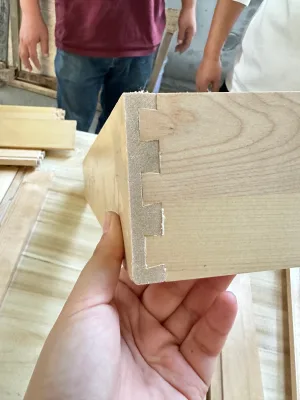
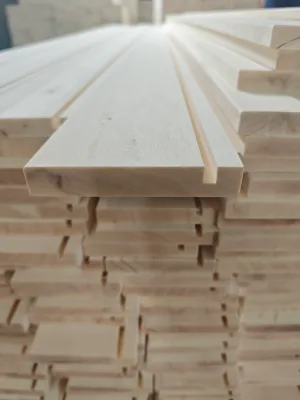
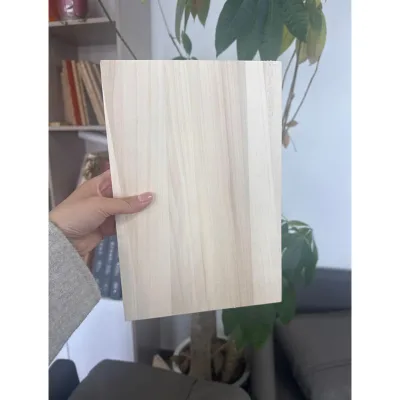

Wood Timber Lumber Paulownia Finger Joint Board Bedroom Living Room Decoration Furniture
$286.00 - $399.00
MOQ: 20 cubic meter
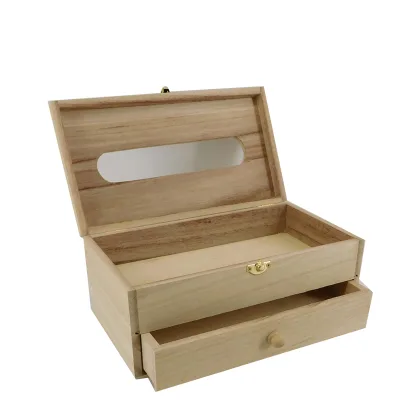
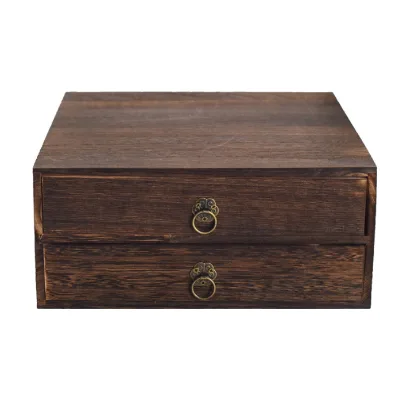

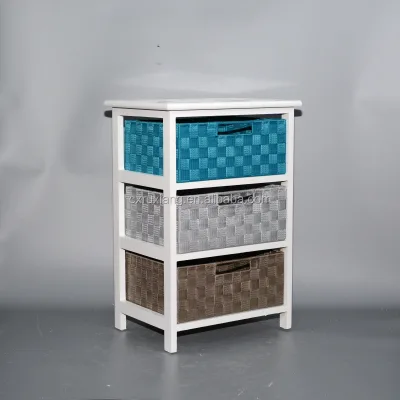
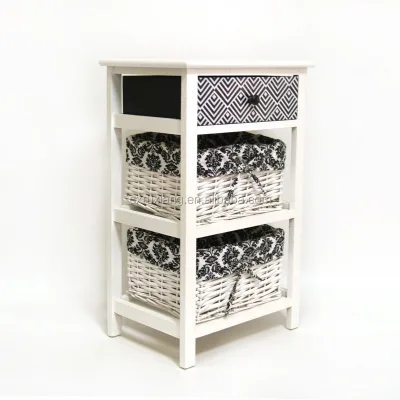
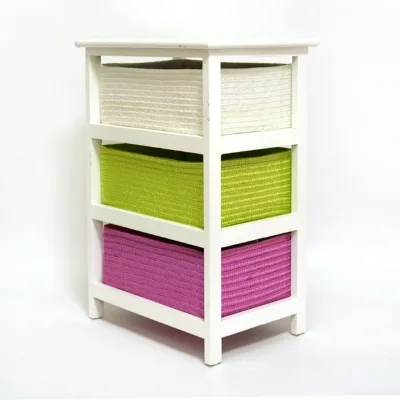
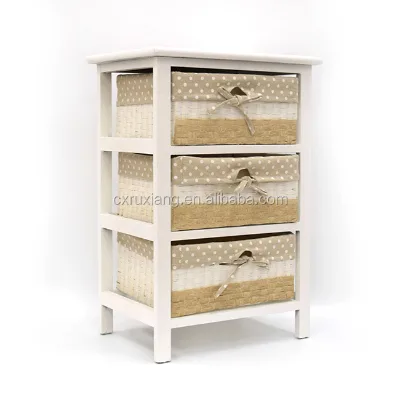
White Color Rustic Wood 3 Drawer Storage Closet Cabinet with Straw Basket Drawers
$13.7681 - $15.8234
MOQ: 50 pieces
Comprehensive Sourcing Guide
Drawer Paulownia Timber Sourcing Guide
Buyers evaluating Drawer Paulownia Timber must first distinguish between indoor and outdoor applications, as the supplied data indicates products are explicitly listed for both environments. While some listings specify indoor usage with E0 glue for low formaldehyde emissions, other entries confirm outdoor suitability, requiring the procurement team to verify the specific environmental rating for their intended project. This distinction is critical because the wood's natural moisture content, observed between 8% and 12%, directly impacts dimensional stability in varying humidity conditions.
The observed product range includes solid panels and surfboards with thicknesses varying from 3mm to 60mm, offering flexibility for different drawer depths and structural needs. Sourcing teams should note that the material is available in AA, AB, BB, and BC grades, which suggests a tiered quality structure based on knot density and surface finish. Procurement strategies must account for these variations, ensuring that the selected grade aligns with the aesthetic and structural requirements of the final furniture assembly or commercial fit-out.
Product Scope and Observed Listing Signals
The market signals for Drawer Paulownia Timber reveal a diverse inventory ranging from standard 18mm panels to custom-sized solid wood boards. Listings indicate a weight density of 290-310kg per cubic meter, confirming the material's lightweight characteristic which is advantageous for reducing the overall mass of cabinetry and storage units. Buyers should verify the specific surface finishing status, as the data confirms products are typically sanded smooth and finished, ready for immediate assembly or further customization.
Customization is a prominent feature in the available listings, with suppliers offering tailored dimensions and the ability to incorporate burl patterns for high-end applications. The observed size specifications span from 300mm to 5000mm in length, allowing for the creation of large-format drawers or specialized storage solutions. Procurement teams must clarify whether the "customized size" refers to standard mill cuts or fully bespoke dimensions, as this affects lead times and the minimum order quantity requirements.
Technical Specifications to Verify
Dimensional tolerance is a primary technical factor, with observed ranges extending from ±0.1mm to ±0.5mm depending on the specific product model and thickness. For drawer construction, where fit and slide mechanism alignment are paramount, buyers must confirm that the selected supplier can consistently maintain the tighter tolerance limits. The moisture content range of 8-12% is a critical specification to validate, as deviations can lead to warping or joint failure once the timber is installed in a climate-controlled environment.
Thickness consistency is another vital verification point, with available options including 3mm, 5mm, 7mm, 10mm, 15mm, 20mm, 30mm, 40mm, 50mm, and 60mm. Buyers should request mill certificates or physical samples to ensure the actual thickness matches the ordered specification, particularly for thin panels used in drawer bottoms or sides. Additionally, the shape availability, which includes round, rectangle, and square profiles, requires precise measurement protocols to ensure compatibility with existing hardware and joinery systems.
Compliance and Safety Documentation
Formaldehyde emission standards are a key compliance area, with listings citing both E0 grade and Grade One classifications for environmental safety. Procurement teams must demand specific test reports that align with these claims, ensuring the adhesive used meets the stringent requirements for indoor air quality. The presence of CARB and FSC certifications in the data suggests that some suppliers adhere to international environmental and forestry management standards, which is essential for projects targeting green building certifications.
Beyond emissions, the supply chain documentation should include BSCI, RoHS, ISO9001, FCC, and Sedex certificates to verify social and operational compliance. These certifications indicate that the manufacturer adheres to labor standards and quality management systems, reducing the risk of supply chain disruptions or ethical violations. Buyers should verify the validity of these certificates and ensure they cover the specific production facility supplying the drawer timber, rather than just the corporate entity.
Cost Drivers and Commercial Terms
The observed price range of 2.1 to 650 USD reflects significant variability based on wood grade, thickness, and customization level. High-grade AA timber with burl features and custom dimensions will naturally command a premium compared to standard BB grade panels with fixed sizes. Buyers must analyze the cost per unit volume rather than just the unit price, considering that the lightweight nature of paulownia may reduce shipping costs but increase the volume required for the same structural mass.
Minimum order quantities (MOQ) vary widely from 5 to 2000 units, influencing the total cost of ownership for small versus large procurement projects. For smaller orders, the per-unit cost may be higher due to setup and handling fees, whereas bulk purchases can leverage economies of scale. The packing standard, typically export pallets, also impacts logistics costs, and buyers should confirm whether the packaging includes moisture protection to prevent damage during transit.
Supplier Qualification and Quality Control
Supplier qualification should prioritize those offering comprehensive after-sales support, including onsite installation, training, and inspection services. The availability of free spare parts and return policies indicates a supplier confident in their product quality, which is crucial for large-scale furniture manufacturing projects. Buyers should assess the supplier's ability to provide graphic design and 3D model design services, as these capabilities can streamline the integration of the timber into complex project solutions.
Quality control processes must be verified through the supplier's adherence to the stated production standards, such as the 2440x1220mm standard sizes or specific custom dimensions. The presence of a one-year warranty suggests a baseline expectation for product durability, but buyers should clarify the specific terms regarding moisture-related defects or surface damage. Regular quality audits and sample testing are recommended to ensure that the timber consistently meets the specified tolerance and moisture content requirements.
Long-Term Procurement Checks
Sustainable sourcing requires ongoing verification of the timber's origin, with Shandong, China, identified as a primary production location. Buyers should monitor the supply chain for changes in origin or certification status to ensure continued compliance with environmental regulations and customer expectations. The long-term availability of specific wood types, such as poplar or paulownia, should be confirmed to prevent supply disruptions that could impact production schedules.
Performance tracking over time is essential to validate the initial claims regarding weight, moisture content, and dimensional stability. Buyers should establish a feedback loop with the supplier to address any issues related to warping, glue failure, or surface defects that may arise after installation. Maintaining a relationship with suppliers who offer total solution capabilities ensures that the procurement strategy remains adaptable to future design changes or market demands.
FAQs
What certifications do Drawer Paulownia Timber products have?
Drawer Paulownia Timber products typically hold CARB and FSC certifications to ensure environmental compliance and sustainable sourcing practices. Some manufacturers also provide additional certificates such as BSCI, RoHS, ISO9001, FCC, and Sedex. These credentials verify that the wood meets international standards for formaldehyde emission and quality management, making them suitable for global export and strict regulatory markets.
Can Drawer Paulownia Timber be customized for specific projects?
Yes, Drawer Paulownia Timber customization is available for various project requirements. Buyers can request customized sizes, with options ranging from 300-5000mm in length and 100-1200mm in width. The material supports graphic design, 3D model design, and total solution services. This flexibility allows for tailored dimensions and specifications to fit unique furniture or construction needs effectively.
What is the typical weight and moisture content of this wood?
The weight of Drawer Paulownia Timber is approximately 290-310kg per cubic meter, making it a lightweight option for construction and furniture. The moisture content is controlled between 8-12% to prevent warping and ensure stability. These attributes contribute to the material's ease of handling and processing, while maintaining structural integrity in indoor and outdoor applications.
Which sizes and thicknesses are available for paulownia wood panels?
Available sizes include standard dimensions like 2440x1220mm with thicknesses of 12, 15, 18, 24, and 30mm. Other models offer thicknesses from 3mm to 60mm, including 7mm, 10mm, 15mm, 20mm, 30mm, 40mm, 50mm, and 60mm. Customized sizes are also supported, allowing buyers to select specific dimensions that match their manufacturing or design specifications precisely.
Where is the Drawer Paulownia Timber sourced from?
The Drawer Paulownia Timber is primarily sourced from Shandong, China. This region is known for producing high-quality wood products that meet international standards. The origin ensures consistent supply chains and access to established manufacturing capabilities. Buyers can rely on these sources for reliable delivery and adherence to export standard pallet packaging for safe transportation.
What after-sale services are provided for these timber products?
After-sale services include online technical support, onsite installation, onsite training, and onsite inspection. Manufacturers also offer free spare parts and return and replacement options. These comprehensive services ensure that buyers receive full support throughout the product lifecycle, addressing any technical issues or installation challenges promptly and efficiently to maintain project continuity.