Source Dress Up Doll Clothes for 17cm plush, play house, and fashion styling
Source Dress Up Doll Clothes from 30 verified listings. Compare options for 17cm plush dolls, play house sets, and fashion styling kits. Find cotton materials, various components, and OEM services from China suppliers; compare the available evidence and request quotations based on your requirements.
Updated
Key considerations
Products List
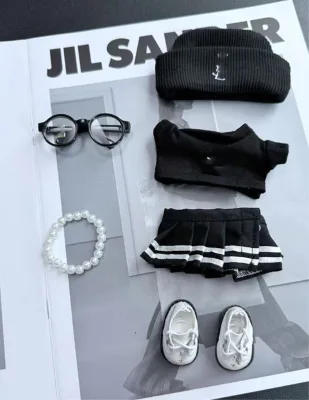
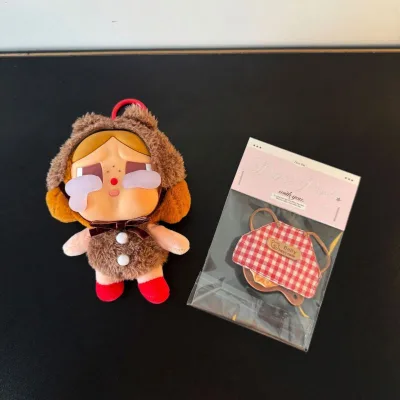
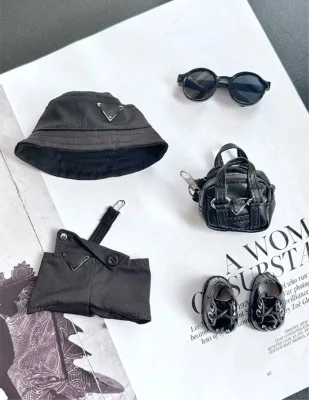
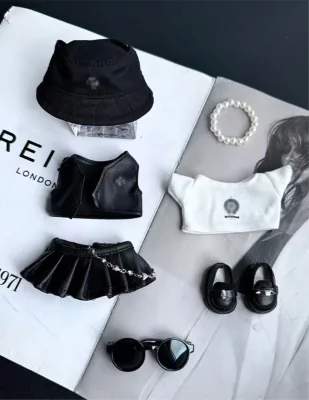
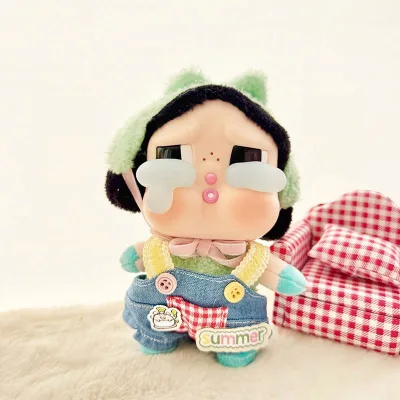
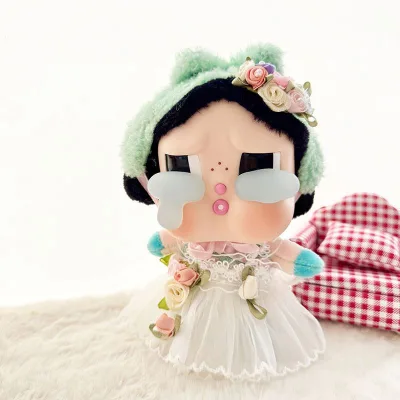
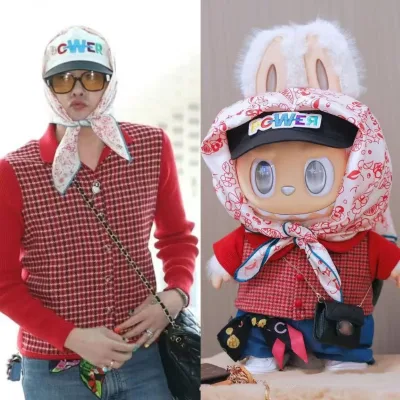
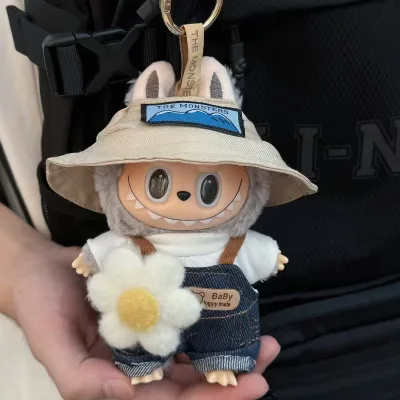




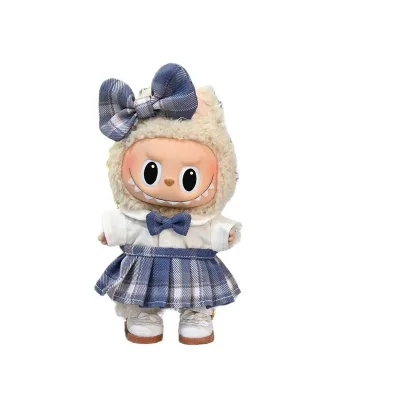
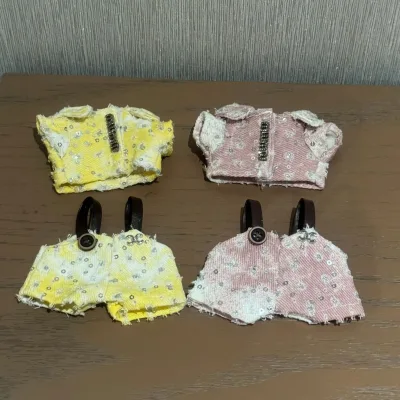
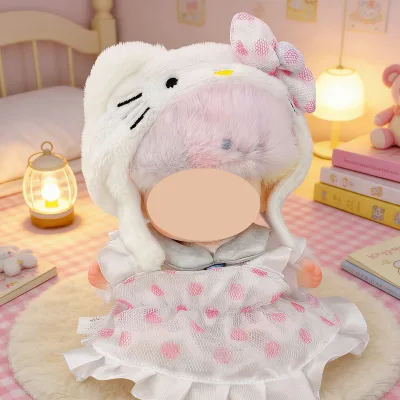
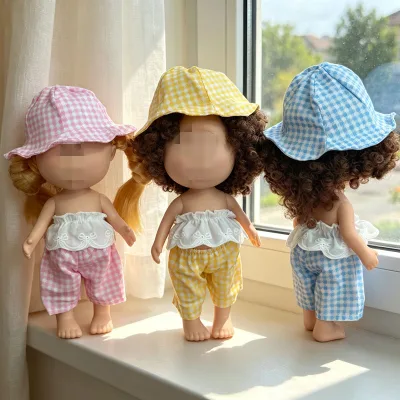
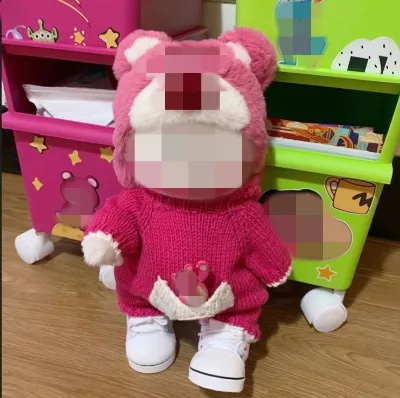
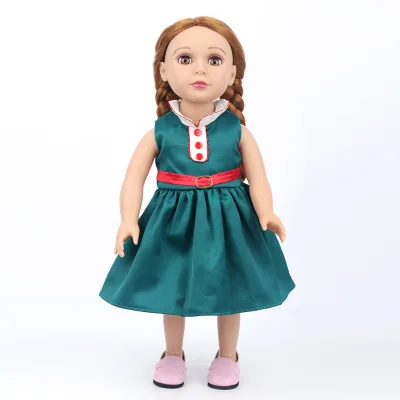
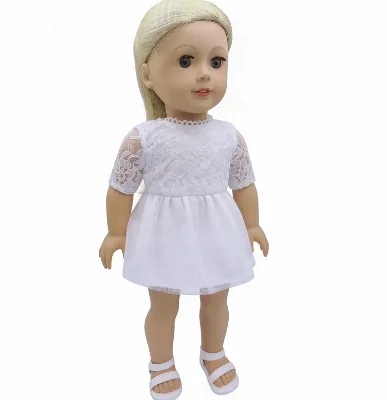
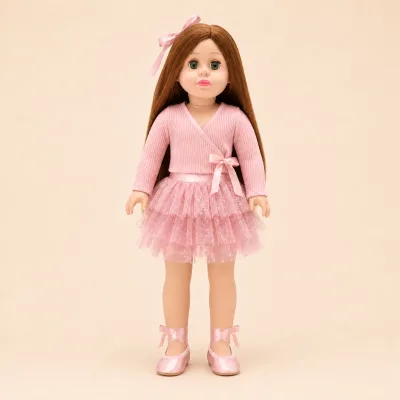
Comprehensive Sourcing Guide
Dress Up Doll Clothes Sourcing Guide
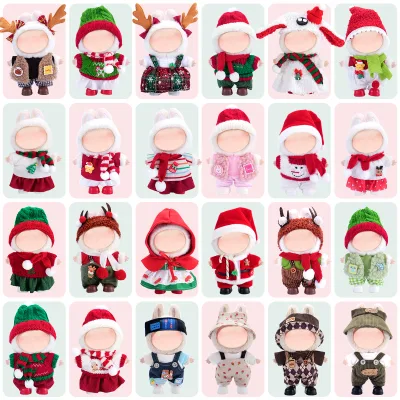
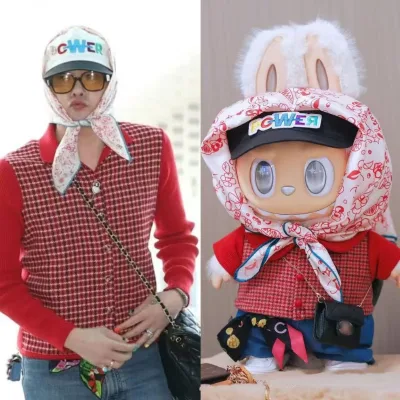
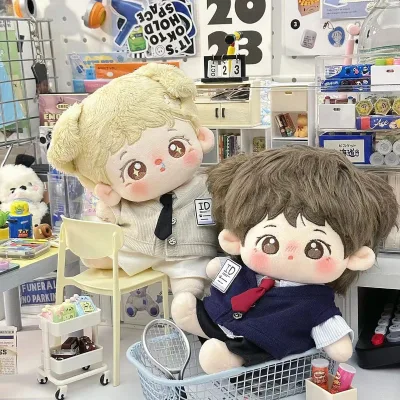
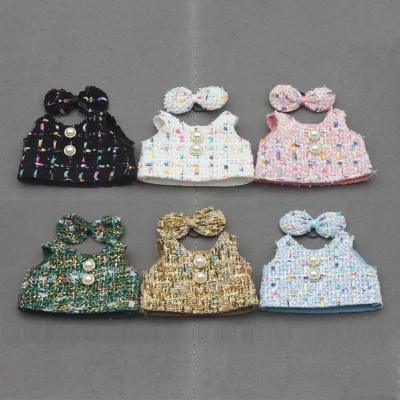
Procuring apparel for 17cm plush dolls requires precise attention to scale and material composition, as these items serve both decorative and functional roles for adult collectors and children. The market offers a diverse range of components, including shorts, pants, leggings, jackets, suits, dresses, cloaks, hoodies, sweatshirts, jumpsuits, rompers, tops, bras, vests, skirts, tube tops, and even specialized items like trench coats or inflated garments. Buyers must distinguish between in-stock items and OEM services, ensuring that the selected supplier can meet specific volume requirements without compromising on the intricate details required for small-scale doll attire.
The target audience for these products spans multiple demographics, with listings explicitly noting suitability for adults, children, boys, men, and women. This broad appeal suggests that sourcing strategies should account for varying aesthetic preferences, from luxury designer styles to casual summer wear. Understanding the end-user is critical when evaluating product names such as "Colorful Suit Doll Designer Dress" or "Summer Casual Clothes Girls Fashion Doll Clothes," as these titles indicate distinct styling cues that influence purchasing decisions. Sourcing teams must align their inventory selection with the specific gender and age group preferences of their customer base to maximize relevance and sales potential.
Product Scope and Observed Listing Signals
Current market listings reveal a significant variation in product attributes, particularly regarding material composition and packaging. While cotton is a noted material for some items, others may utilize different fabrics not explicitly detailed in the provided data, requiring buyers to verify textile content for each specific SKU. Packaging formats also vary, with some sets arriving in OPP bags as single units, while others are presented as comprehensive kits or sets. The single package size is frequently listed as 10.00x10.00x10.00 cm, which aids in logistics planning, but gross weights fluctuate considerably, ranging from 1.000 kg to 11.000 kg per unit, indicating potential discrepancies in how weight is calculated or bundled.
Brand presence is evident with names like Ataraxia appearing in the supply chain, suggesting that branded goods are available alongside generic options. Model numbers such as AT-WY, AT-WY-2025, and ZM10305 help in tracking specific designs and seasonal updates, such as the 2025 new design clothes. Keywords like "Doll Shoes" and "Doll Accessories" indicate that these garments are often part of a broader ecosystem of doll accessories. Buyers should treat these listing signals as observational data points rather than universal standards, verifying each attribute against the specific supplier’s catalog to ensure accuracy in procurement specifications.
Technical Specifications to Verify
Accurate sizing is paramount when sourcing doll clothes, as the standard size for these items is consistently noted as 17cm. This measurement applies to various product types, including playhouse doll dresses and luxury clothes, ensuring compatibility with standard plush dolls of this dimension. Buyers must verify that the listed size corresponds to the actual physical dimensions of the doll they intend to dress, as even minor deviations can render the clothing unusable. The model numbers provided serve as unique identifiers for these specifications, allowing for precise reordering and inventory management across different seasons and design iterations.
Component lists vary widely between suppliers, with some offering basic tops and shorts, while others provide extensive wardrobes including jackets, suits, cloaks, and jumpsuits. It is essential to confirm the exact components included in each set, as the presence of items like bras, tube tops, or inflated garments significantly impacts the product's value and utility. Additionally, the item type classification, whether listed as kits, sets, or individual pieces, dictates how the product is assembled and presented to the end consumer. Sourcing teams should request detailed component breakdowns to ensure that the purchased items meet the functional and aesthetic requirements of their target market.
Compliance and Safety Documentation
Safety compliance is a critical consideration, particularly when sourcing products intended for children or those marketed with a playful aesthetic. The presence of needle detection services in some listings indicates a commitment to quality control and safety, ensuring that no sharp objects are embedded within the fabric or accessories. Buyers should prioritize suppliers who offer this verification, as it reduces the risk of injury and enhances consumer trust. However, the absence of explicit certification data in the provided context means that buyers must independently verify the safety standards and testing protocols employed by each supplier to ensure regulatory compliance in their target markets.
Documentation requirements may vary based on the destination market and the intended age group of the end user. For products marketed towards children, rigorous safety testing is often mandatory, whereas items for adult collectors may have different regulatory expectations. Buyers should request safety data sheets and test reports from suppliers to confirm that materials and construction methods meet applicable standards. This due diligence is essential for mitigating liability risks and ensuring that the sourced doll clothes are safe for their intended use, whether for decorative purposes or active play.
Cost Drivers and Commercial Terms
Pricing in the doll clothes market is influenced by several factors, including material quality, design complexity, and order volume. The observed price range of 0.3 to 8.5 USD suggests a wide spectrum of options, from basic, mass-produced items to more elaborate, luxury designs. Buyers should analyze the cost structure relative to the components included in each set, as items with more pieces or specialized fabrics may command higher prices. Understanding these cost drivers helps in negotiating favorable terms and selecting products that offer the best value for money based on the target market's price sensitivity.
Minimum Order Quantities (MOQs) also play a significant role in procurement planning, with observed ranges from 1 to 1000 pieces. Some suppliers offer low MOQs of 2 or 10 pieces, which is beneficial for testing new designs or fulfilling small orders, while others may require larger volumes for production runs. Lead times for sample orders are noted as 7 days, providing a benchmark for planning inventory replenishment. Buyers should align their order quantities with their sales forecasts and storage capabilities, leveraging flexible MOQ options to minimize inventory risk while maintaining supply chain agility.
Supplier Qualification and Quality Control
Supplier qualification involves assessing the reliability and capability of manufacturers based in regions like Hubei and Guangdong, China. These locations are known for their textile and toy manufacturing expertise, but buyers must verify the specific capabilities of each supplier to ensure they can meet quality and delivery expectations. The supply type, whether in-stock items or OEM services, dictates the level of customization and control buyers have over the final product. For OEM projects, suppliers should demonstrate robust quality control processes and the ability to replicate designs accurately.
Quality control measures should include checks for material consistency, stitching integrity, and colorfastness, especially for items made from cotton or other natural fibers. Buyers should request samples to evaluate the fit and finish of the doll clothes before committing to larger orders. The availability of needle detection services is a positive indicator of quality control, but additional inspections may be necessary to ensure that all components, such as buttons or zippers, are securely attached. Establishing clear quality standards and communication channels with suppliers is essential for maintaining product consistency and customer satisfaction.
Long-Term Procurement Checks
Sustaining a successful procurement strategy for doll clothes requires ongoing monitoring of market trends and supplier performance. Buyers should regularly review product listings to identify emerging styles, such as new design clothes or seasonal collections like summer casual wear, to keep their inventory relevant and appealing. Tracking changes in model numbers and product names can help in anticipating supply chain shifts and adjusting procurement plans accordingly. This proactive approach ensures that the sourcing strategy remains aligned with consumer preferences and market dynamics.
Long-term relationships with suppliers can be strengthened by providing feedback on product quality and delivery performance, fostering a collaborative environment that benefits both parties. Buyers should also stay informed about regulatory changes and safety standards in their target markets to ensure continued compliance. By maintaining a flexible and informed sourcing approach, businesses can mitigate risks, optimize costs, and deliver high-quality doll clothes that meet the diverse needs of their customers, from adult collectors to young children.
FAQs
What materials are used for these 17cm doll clothes?
The doll clothes are primarily made from cotton material. This fabric choice ensures comfort and durability for the 17cm plush dolls. The items are designed as luxury clothes and accessories. They include various components like shorts, pants, and jackets. The cotton construction supports detailed styling for adult collectors and hobbyists.
Can I order a sample before bulk purchase?
Yes, sample orders are supported with a 7-day lead time. This allows buyers to verify quality before committing to larger quantities. The supply type includes in-stock items for faster delivery. You can test the fit on 17cm dolls. This service helps ensure the product meets your specific decoration needs.
What is the minimum order quantity for these kits?
The minimum order quantity varies by product listing. Some items require a minimum of 2 pieces, while others start at 10 pieces. This flexibility accommodates different buyer needs. The kits are sold as single items or sets. Buyers should check specific product pages for exact MOQ requirements before placing an order.
Where are these doll clothes manufactured?
These doll clothes are manufactured in China. Specific production locations include Hubei and Guangdong provinces. This origin ensures access to established textile supply chains. The products are designed for decorating 17cm dolls. Buyers can expect consistent quality from these regional manufacturing hubs.
What types of clothing components are included?
The kits include diverse components such as shorts, pants, leggings, jackets, and dresses. Some sets feature hoodies, jumpsuits, and tops. The variety allows for extensive doll styling. These components are designed for 17cm dolls. Buyers can mix and match pieces to create unique outfits for their collections.
Are these clothes suitable for adult collectors?
Yes, the products are explicitly labeled for the adult age group. They are designed as luxury clothes and designer dresses. The intricate details appeal to adult hobbyists. The 17cm size is standard for many plush dolls. Collectors can use these items to enhance their doll displays and personal collections.