Source Drumsticks for Percussion Sets, Music Bags, and Toy Instruments
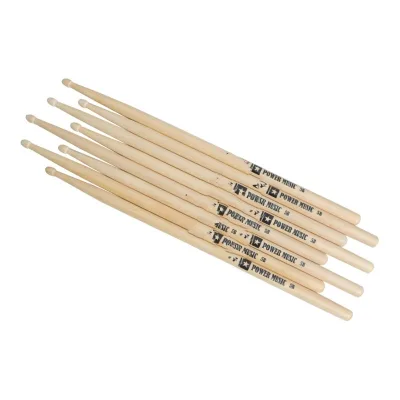
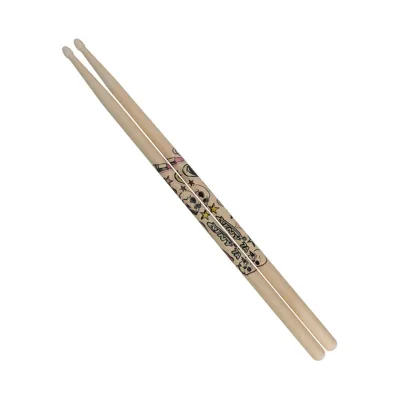
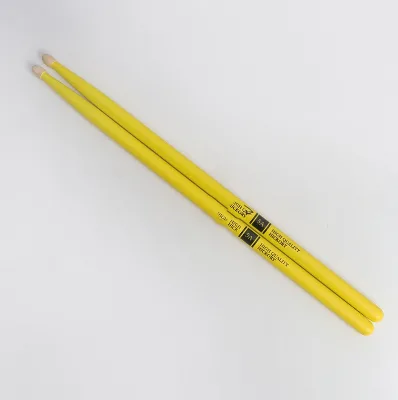
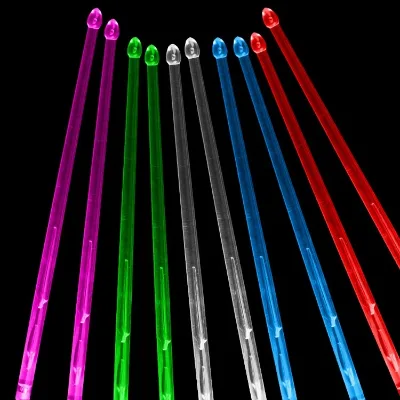
Explore 30 listings for Drumsticks including maple 5A and 7A models, nylon heads, and metal brushes. Buyers can compare specifications, materials, and customization options for percussion sets, music bags, and toy instruments.
Key considerations
Products List


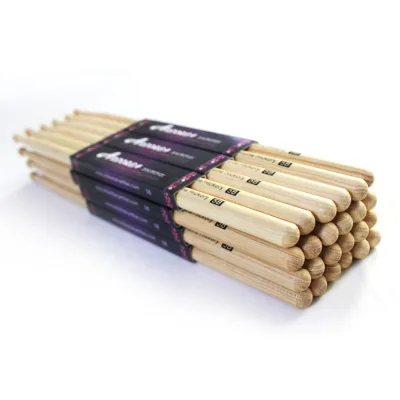
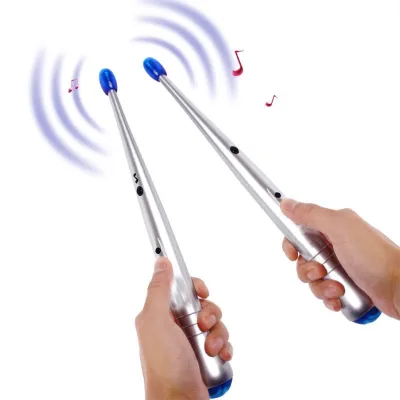
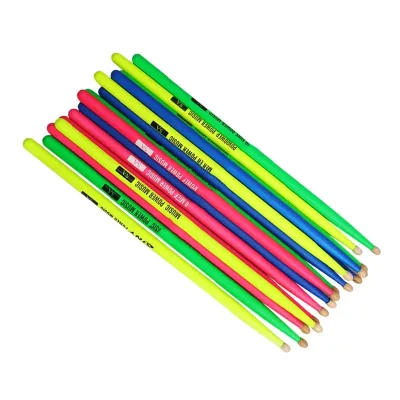
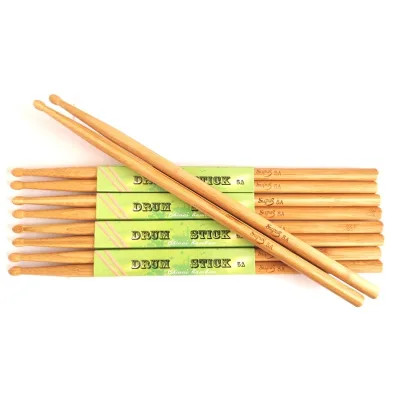


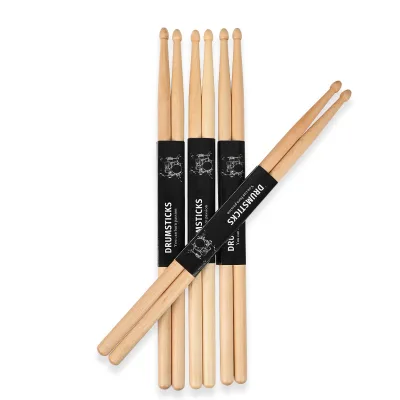
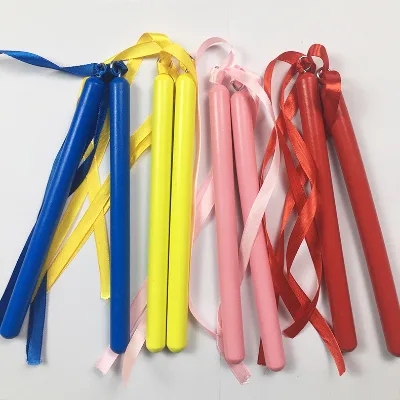
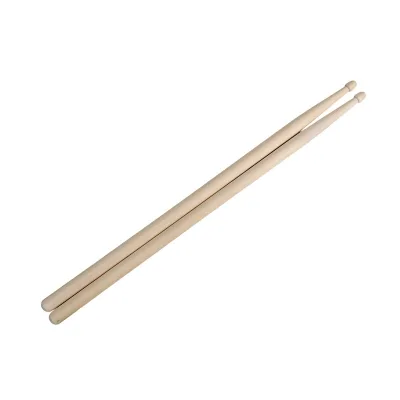
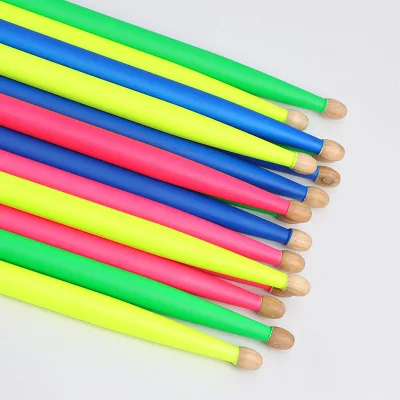
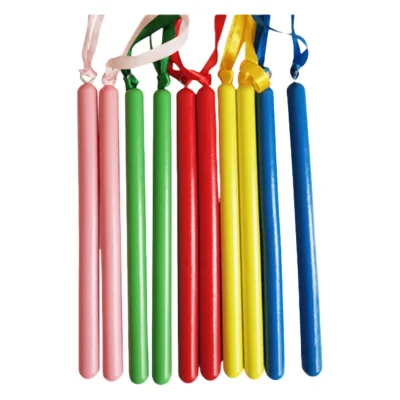
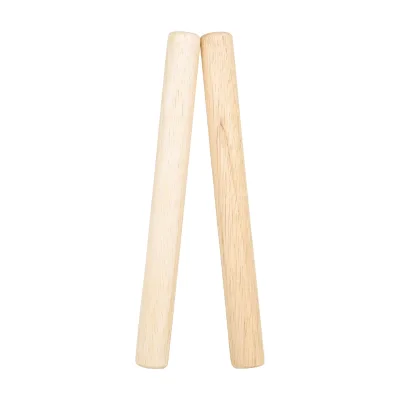

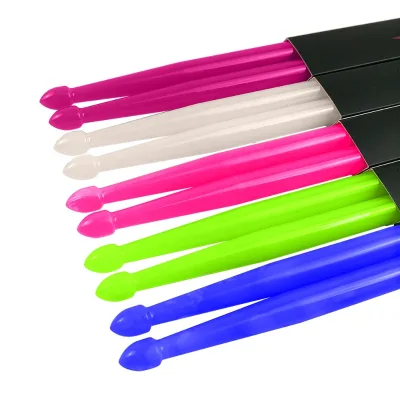
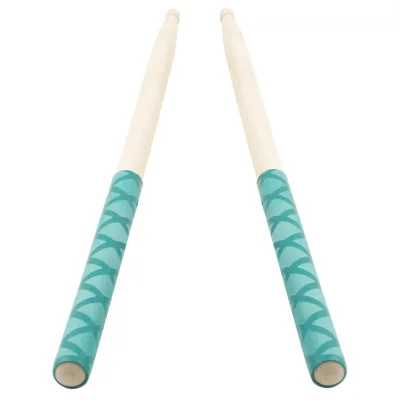
Comprehensive Sourcing Guide
Strategic Sourcing Guide for Drumsticks and Percussion Accessories
Understanding Product Variants and Technical Specifications
When sourcing Drumsticks, buyers must first navigate the distinct technical specifications that define performance and application. The market offers a variety of models tailored to different playing styles, from professional orchestral work to children's educational tools. Based on observed product data, specific model identifiers such as "Maple-7A-N" and "Maple-5A-N" indicate a focus on wood types and stick dimensions. The "7A" and "5A" designations are critical industry standards referring to the diameter and length of the stick, where 7A models are generally thinner and lighter, suitable for lighter touch and jazz, while 5A models offer a balanced profile for general use.
Material composition is another primary differentiator. The supplied facts highlight "Maple" as a key material for these specific models, known for its durability and consistent rebound. However, the broader category of percussion accessories includes "Wooden" variants and "Nylon Head" options. The presence of "Nylon Head: Ok" suggests that some suppliers offer nylon-tipped sticks, which produce a brighter, more cutting sound on cymbals compared to traditional wood tips. Additionally, the existence of "Drum Brush: Metal" indicates that sourcing strategies should account for related accessories that may be bundled or purchased separately.
Size specifications vary significantly across the catalog. While Drumsticks themselves have standardized dimensions, related packaging and accessories show a wide range, such as "406*15mm" for specific models and "4x6inch" for others. Buyers must verify that the physical dimensions of the Drumsticks align with the intended instrument, whether it is a standard drum set or a specialized percussion instrument like a "Rattle-drum." The weight of individual units is also a factor, with observed data indicating a weight of "80g" for certain items, which helps in calculating shipping costs and handling requirements.
Compliance, Certification, and Safety Standards
Ensuring that Drumsticks and related musical accessories meet international safety and quality standards is paramount, particularly when sourcing for commercial distribution or educational institutions. The supplied product facts reference several critical compliance markers. The "SGS" standard is explicitly mentioned, indicating that products may undergo third-party inspection for quality assurance. Furthermore, "CE" and "ASTM" certifications are listed, which are essential for products entering the European and North American markets, respectively. These certifications verify that the materials used, such as the "Wooden" components or "Polyester" linings in cases, do not contain harmful substances and meet specific safety thresholds.
For products targeting younger demographics, age-specific compliance is crucial. The data notes an "Age: 3-8 Years" category, which implies that toys like "Wooden Toy Guitar" or "Children Piano" must adhere to stricter safety regulations regarding choking hazards and material toxicity. Even for standard Drumsticks, verifying that the "Wooden" material is treated with non-toxic finishes is necessary. The "Eco-Friendly" attribute suggests a growing market segment where sustainability and environmental impact are part of the compliance checklist. Buyers should request documentation proving that the "Eco-Friendly" claims are backed by recognized environmental standards, rather than relying solely on marketing labels.
It is important to distinguish between product certifications and packaging standards. While the product itself may carry "CE" or "ASTM" marks, the packaging often adheres to logistical standards. The "44 X 10 CM" and "4x6inch" specifications likely refer to packaging dimensions or specific product sizes rather than safety standards. Buyers must ensure that the "Packing in Carton" or "by Sea" methods protect the integrity of the Drumsticks during transit, especially given the fragility of wooden components. The "Waterproof" attribute for cases and bags indicates that protective gear must also meet environmental resistance standards to prevent damage to the instruments inside.
Cost Drivers and Pricing Dynamics
The pricing of Drumsticks and percussion accessories is influenced by a complex interplay of material costs, manufacturing complexity, and order volume. The observed price range in the market spans from $0.49 to $109.85, reflecting the diversity of products available. The lower end of this spectrum likely corresponds to basic wooden sticks, children's toys, or bulk-packaged accessories, while the higher end may include premium maple models, specialized nylon-tipped sticks, or comprehensive instrument cases with "Polyester" lining and "Waterproof" features.
Material selection is a primary cost driver. "Maple" is a premium wood compared to other hardwoods, often commanding a higher price due to its superior acoustic properties and durability. The "Handmade" craft attribute also significantly impacts cost, as labor-intensive production methods increase the unit price compared to mass-produced items. Additionally, the inclusion of "Customization" options allows buyers to tailor products to specific branding or design needs, which typically incurs additional fees.
Order volume plays a critical role in final pricing. The Minimum Order Quantity (MOQ) ranges from 1 to 1000 units, offering flexibility for small businesses and startups while encouraging bulk purchasing for larger enterprises. The "MOQ: 1 pcs" availability suggests that some suppliers cater to drop-shipping or trial orders, whereas the "1000" upper limit indicates that significant discounts are likely available for large-scale procurement. Buyers should analyze the total cost of ownership, including shipping costs, which can be substantial for heavy or bulky items like "Musical Instruments Box" or "Bag" type cases. The "Place of Origin" in regions like "Fujian, China" and "Guangdong, China" often correlates with competitive labor costs, but logistics and import duties must be factored into the final budget.
Typical Applications and Market Segmentation
Drumsticks and related percussion accessories serve a wide array of applications, ranging from professional performance to educational and recreational use. The core application involves "Drum Set" usage, where the "Maple 7A" and "Maple 5A" models are standard equipment for drummers across various genres. The "Nylon Head" variant is particularly valuable for live performances where a brighter cymbal sound is desired. Beyond standard drumming, the market includes specialized applications such as "Transportation" cases for protecting instruments during travel, and "Musical Instruments Box" solutions for storage and organization.
The educational sector represents a significant market segment, particularly for products designed for children. Items labeled with "Age: 3-8 Years" and descriptions like "Wooden Toy Guitar" or "Children Piano" indicate a focus on early childhood music education. These products often require robust construction to withstand rough handling and must meet strict safety standards. The "Kind: Musical Instruments Accessories" category encompasses a broad range of items, including "Drum Brush: Metal" for brushwork techniques and "Rattle-drum" for rhythmic training.
Commercial and institutional buyers may also seek "Eco-Friendly" and "Creative" style products for promotional events or themed performances. The "Style: Creative" attribute suggests that some manufacturers offer unique designs that can be customized for branding purposes. Additionally, the "Gender: Unisex" designation ensures that products are suitable for a diverse range of users, broadening the potential market reach. The "Usage" field listing "Transportation, Musical Instruments Box" highlights the importance of protective gear in the logistics chain, ensuring that instruments arrive in perfect condition regardless of the distance traveled.
Supplier Evaluation and Operational Capabilities
Evaluating potential suppliers requires a deep dive into their operational capabilities, geographic location, and production standards. The supplied facts indicate that major production hubs are located in "Fujian, China" and "Guangdong, China," both of which are known for their robust manufacturing ecosystems and expertise in musical instrument production. Buyers should verify the supplier's ability to handle "Customization" requests, as this capability often distinguishes high-quality manufacturers from generic traders.
Logistics and packaging are critical operational factors. The "Packing in Carton" and "by Sea" options suggest that suppliers are equipped to handle international shipping, but buyers must confirm the reliability of these methods. The "Waterproof" attribute for cases and the "Packing in Carton" for sticks indicate a focus on product protection, but the actual quality of the packaging materials should be inspected. Suppliers with a "Craft: Handmade" approach may offer higher quality control but could have longer lead times compared to automated facilities.
Certification and quality assurance processes are also key evaluation criteria. The presence of "SGS," "CE," and "ASTM" certifications in the product data suggests that reputable suppliers adhere to international standards. However, buyers should not assume that all listed products meet these standards; rather, they should request valid certificates for each specific batch or model. The "Standard" field listing dimensions like "44 X 10 CM" or "small size" requires verification to ensure that the supplier's production lines can consistently meet these precise specifications.
Quality Control and Long-Term Procurement Strategy
Implementing a robust quality control (QC) strategy is essential for maintaining product integrity and customer satisfaction. Given the variability in materials, such as "Maple" versus "Wooden" or "Polyester" linings, buyers should establish clear QC checkpoints at the manufacturing stage. This includes verifying the "Hardness: Soft" or other tactile attributes, ensuring that the "Nylon Head" is securely attached, and checking that the "Weight: 80g" falls within acceptable tolerances. Regular third-party inspections, potentially utilizing the "SGS" framework mentioned in the data, can help identify defects before shipment.
Long-term procurement considerations involve building a sustainable supply chain that can adapt to market changes. The "Customization: Available" attribute suggests that suppliers should be flexible enough to accommodate evolving design trends or branding requirements. Buyers should also consider the environmental impact of their sourcing decisions, prioritizing suppliers who demonstrate a commitment to "Eco-Friendly" practices. This not only aligns with global sustainability goals but also appeals to environmentally conscious consumers.
Inventory management is another critical aspect. With an MOQ range of 1 to 1000, buyers can adopt a hybrid strategy, using low-MQO suppliers for testing new markets and high-MQO suppliers for established product lines. The "Lead time" and "Place of Origin" factors should be carefully managed to ensure timely delivery, especially for time-sensitive orders. Finally, maintaining open communication with suppliers regarding "Test results" and "Performance claims" ensures that the products continue to meet the high standards expected in the musical instrument industry. By focusing on these strategic elements, buyers can secure a reliable supply of high-quality Drumsticks and accessories that meet the diverse needs of their customers.
FAQs
What materials are used for the Drumsticks?
The Drumsticks are primarily made from Maple wood, which offers durability and consistent rebound. Some models also feature Nylon Heads for a brighter sound on cymbals, while other accessories may use Wooden or Polyester materials for cases.
Which certifications do the products hold?
Products carry recognized certifications including SGS, CE, and ASTM to ensure safety and quality. These standards verify that materials like wood and polyester linings meet international thresholds for harmful substances, especially for items targeting children.
Can I customize the drumstick specifications?
Yes, customization is available for buyers needing specific branding or design adjustments. Suppliers can accommodate requests for different models like Maple-7A-N or Maple-5A-N, allowing for tailored dimensions and features to suit various playing styles.
What is the minimum order quantity for drums?
The minimum order quantity ranges from 1 piece to 1000 units depending on the supplier. This flexibility allows small businesses to start with single units while larger enterprises can secure bulk discounts by ordering up to the maximum limit.
Where are these products manufactured?
The products originate from manufacturing hubs in Fujian and Guangdong, China. These regions are known for robust musical instrument production, offering competitive labor costs and established logistics networks for international shipping via sea or carton packaging.
How are the Drumsticks packaged for shipping?
Items are typically packed in cartons to protect the wooden components during transit. Some protective cases feature waterproof Polyester linings, ensuring instruments remain safe from moisture and damage while being transported by sea or other methods.