Source Dry Air Oil Filter for Medicine, Food, and Industry
Find 30 verified options for Dry Air Oil Filter components suitable for medicine, food and beverage, and industrial applications. Compare specifications including filtration grade, pressure ratings, and material types from Chinese manufacturers; compare the available evidence and request quotations based on your requirements.
Updated
Key considerations
Products List
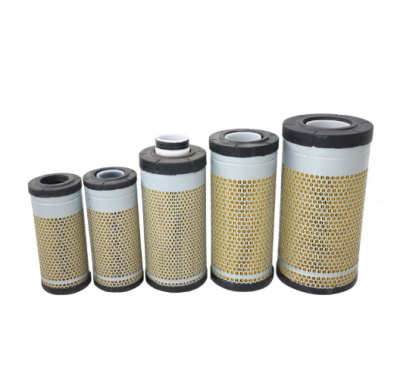


High Quality Air Filter Air Filter Element Hydraulic Oil Filter Element
$3.80 - $108.00
MOQ: 100 Pieces

Oil Filter, Air Filter, Oil Separator Filter for General Screw Air Compressor
$15.00 - $20.00
MOQ: 5 Pieces


Air Compressor Parts Air Filter Oil Filter Replacement Compressed Air Filter
$15.00 - $20.00
MOQ: 5 Pieces


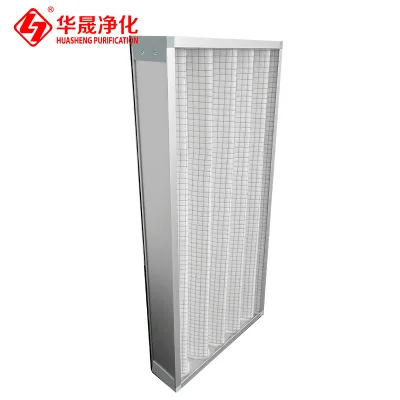
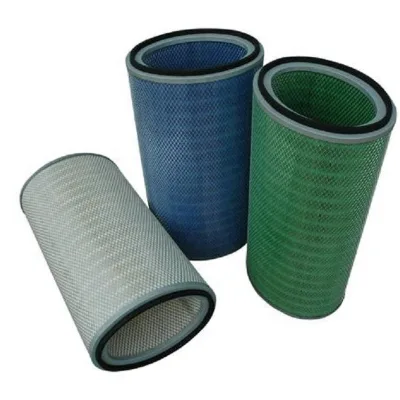


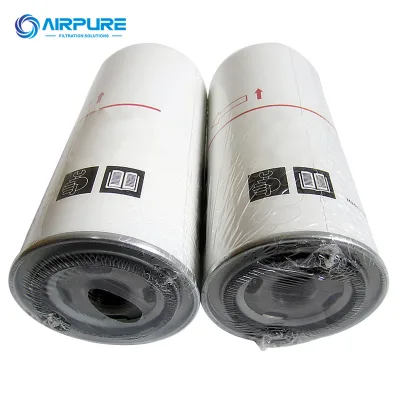
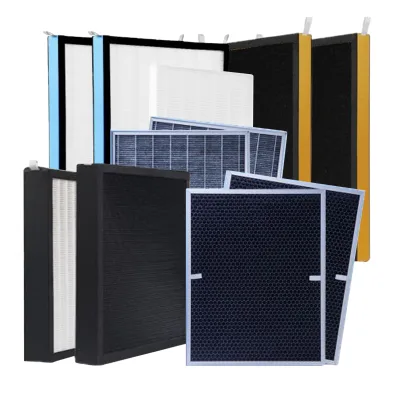
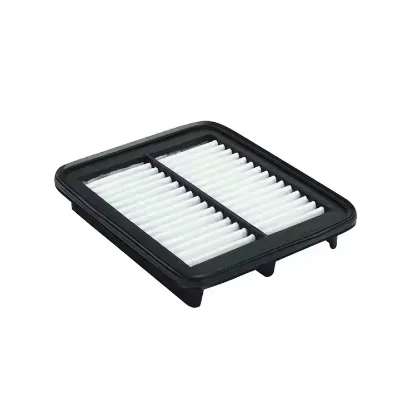


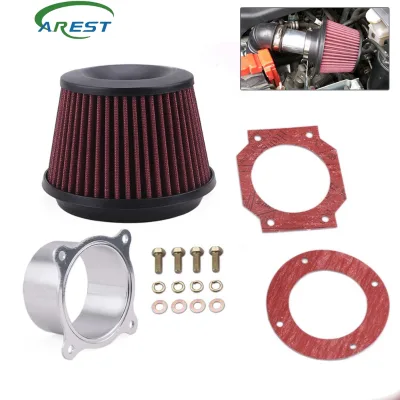
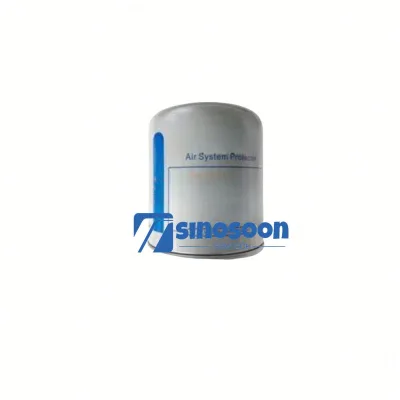
Comprehensive Sourcing Guide
Dry Air Oil Filter Sourcing Guide
Procuring dry air oil filters requires a nuanced understanding of the intersection between air compression systems and lubrication management. These components are critical for maintaining the integrity of screw air compressors, particularly those operating with vertical cylinder positions and closed-type structures. Buyers must recognize that the filter serves not only as a barrier for particulates but also as a key element in the lubrication style of the compressor, ensuring that high-grade alloy steel rotors remain protected from wear and contamination.
The sourcing landscape for these filters is diverse, ranging from standard PP filter elements to specialized HEPA-grade units depending on the application environment. Whether the end-use is in medicine, food and beverage, or heavy metallurgy, the filter must align with the specific air flow capacity and pressure requirements of the host machine. Understanding these operational contexts is the first step in selecting a supplier who can provide compatible parts that meet the rigorous demands of continuous industrial operation.
Product Scope and Observed Listing Signals
Market listings for dry air oil filters reveal a wide spectrum of product attributes, primarily centered around screw air compressor parts and air end functions. Common observations include filters designed for vertical, stationary installations with air cooling systems, often featuring flat connectors and varying filtration grades from medium to HEPA. The material composition is frequently cited as high-grade alloy steel for structural components or chemical fiber for the filter media itself, indicating a focus on durability and precise particle retention.
Listing signals also highlight significant variability in specifications, such as lengths ranging from 10 to 40 inches and outer diameters between Φ60mm and Φ65mm. Buyers should note that while some products are labeled as "PP Filter" or "Oil Filter," others may be categorized broadly under air filtration for excavators or industrial machinery. The presence of customization options and export-standard wooden case packaging suggests that suppliers are prepared to handle bespoke requirements, but buyers must carefully verify that the specific model numbers, such as 216-6676 or 328-3655, match their existing equipment.
Technical Specifications to Verify
When evaluating technical data, the maximum pressure rating is a critical parameter, with observed values ranging up to 0.5MPa or 1.3bar depending on the specific filter design. Buyers must verify the filter fineness, which can range from 1μm to 100μm, to ensure it matches the cleanliness requirements of the compressor’s lubrication system. Additionally, the shaft power of the associated compressor, typically between 8-40 Kw, influences the flow dynamics through the filter, making it essential to confirm that the filter’s air flow capacity of 1-6 M3/Min is compatible with the system’s throughput.
Voltage and rotation speed are also relevant indirect factors, as the compressor’s electrical setup (380V-10000V) and speed (3000-3600 Rpm) dictate the operational stress on the filtration unit. Buyers should check if the filter supports soft start capabilities or if it is designed for one-piece driven types, as these mechanical interactions can affect the longevity of the filter element. Confirming the inner diameter, often Φ28mm or Φ30mm, is equally vital to prevent bypass leaks or installation failures in tight compressor housings.
Compliance and Safety Documentation
Safety and compliance in air filtration involve ensuring that the filter media does not introduce contaminants into sensitive processes, especially in food and beverage or medical applications. Buyers should request documentation that verifies the filtration grade, particularly for HEPA filters, to confirm that the medium filter or bulk type activated carbon filters meet relevant industrial hygiene standards. Although specific certification names are not provided in the general listings, the presence of a 12-month warranty suggests a baseline commitment to product reliability and performance consistency.
Documentation should also cover the material safety data sheets, especially if the filter contains chemical fiber or activated carbon, to ensure no off-gassing occurs under high-pressure conditions. Buyers must verify that the supplier provides clear evidence of the filter’s compatibility with the compressor’s lubrication style, ensuring that the filter does not degrade under the thermal and chemical stresses of the oil-air mixture. Proper labeling and origin documentation, confirming the product originates from China, are also necessary for customs and regulatory compliance in international trade.
Cost Drivers and Commercial Terms
The cost of dry air oil filters is influenced by several factors, including the filtration grade, material quality, and customization requirements. Standard PP filters may be more cost-effective, while HEPA-grade or custom-sized units with specific activated carbon configurations will command higher prices. The observed price range of $0.24 to $10,000 USD reflects this disparity, with lower costs associated with simple, high-volume items and higher costs linked to specialized, low-volume industrial components. Buyers should analyze the total cost of ownership, considering the filter’s lifespan and impact on compressor efficiency.
Commercial terms such as MOQ and lead times vary significantly, with MOQs ranging from 1 to 200 units. Buyers should negotiate terms that align with their inventory management strategies, particularly when dealing with customized products that may have longer production cycles. Packaging options, from export-standard wooden cases to simple cartons, also affect shipping costs and handling requirements. Understanding these commercial variables helps buyers optimize their procurement budget while ensuring timely delivery to maintain operational continuity.
Supplier Qualification and Quality Control
Supplier qualification for dry air oil filters requires a thorough assessment of their manufacturing capabilities and quality control processes. Buyers should verify that the supplier has experience in producing parts for screw air compressors, particularly those with vertical cylinder positions and closed-type structures. Requesting samples for testing is crucial to validate the filter’s physical dimensions, such as the 20-inch length or Φ63mm outer diameter, and to ensure the material, whether high-grade alloy steel or chemical fiber, meets the specified durability standards.
Quality control checks should include verifying the filter’s performance under simulated operating conditions, including pressure and temperature stress. Buyers should inquire about the supplier’s testing protocols for filtration efficiency and structural integrity, ensuring that the filter can withstand the maximum pressure of 0.5MPa without failure. Additionally, assessing the supplier’s ability to provide customized solutions, such as specific filter connectors or sizes, indicates their flexibility and technical expertise in meeting diverse industrial needs.
Long-Term Procurement Checks
Long-term procurement success depends on establishing a reliable supply chain for dry air oil filters that can adapt to changing operational demands. Buyers should monitor the supplier’s consistency in delivering products that meet the specified technical parameters, such as the 1-6 M3/Min air flow capacity and 8-40 Kw shaft power compatibility. Regular audits of the supplier’s quality control processes and material sourcing practices help ensure that the filters continue to perform reliably over the 12-month warranty period and beyond.
Building a relationship with suppliers who offer customization and responsive customer service is also essential for long-term procurement. Buyers should evaluate the supplier’s ability to provide timely replacements for worn-out filters and their willingness to collaborate on improving filter design for specific applications. By maintaining open communication and setting clear performance expectations, buyers can secure a steady supply of high-quality dry air oil filters that support the efficient and safe operation of their industrial equipment.
FAQs
What is the filtration grade for dry air oil filters?
The filtration grade is typically a medium filter for standard applications. Some specialized units utilize HEPA filter technology for higher purity requirements. The filter fineness ranges from 1μm to 100μm to capture specific particulate sizes effectively. This ensures optimal performance in industrial environments where air compression and oil separation are critical for machinery longevity.
Can dry air oil filters be customized for specific needs?
Yes, customization is available for various product attributes. Buyers can request specific sizes, such as 10, 20, 30, or 40 inches in length. The outer diameter options include Φ60mm, Φ63mm, and Φ65mm. Breathability and activated carbon filter types can also be tailored to meet unique operational demands and industry-specific standards.
Which materials are used in manufacturing these filters?
Manufacturers primarily use high-grade alloy steel material for structural components to ensure durability. The filter elements themselves are often made from chemical fiber or PP material. These materials provide robust resistance against wear and chemical exposure, ensuring reliable performance in demanding applications across medicine, food and beverage, and metallurgy sectors.
What is the warranty period for these air filters?
The standard warranty period is 12 months. This coverage applies to new condition products supplied by manufacturers. It ensures that buyers receive reliable components with guaranteed performance during the initial year of operation. This warranty supports confidence in the product's quality and longevity for industrial and commercial air compression systems.
How are these filters packaged for shipping?
Packaging options include export standard wooden cases or customized carton packaging. The choice depends on customer demand and specific logistical requirements. This flexible approach ensures safe transit and protection of the filter components. Buyers can select the most suitable packaging method to align with their supply chain preferences and handling capabilities.
What is the maximum pressure rating for these filters?
The maximum pressure rating is 0.5MPa for specific filter models. Other related compressor components may support up to 1.3bar. These pressure ratings ensure safe operation within standard industrial air compression systems. Buyers should verify the specific model's rating to match their system's operational requirements and safety standards effectively.