Source Dual 40Khz Body Cavitation Machine for Slimming
Find and compare 30 Dual 40Khz Body Cavitation Machine listings from China. Options include portable and stationary units with RF and vacuum features for weight loss, skin tightening, and body contouring. Compare specs and request quotes; compare the available evidence and request quotations based on your requirements.
Updated
Key considerations
Products List
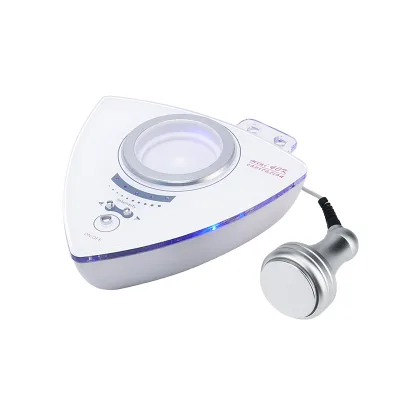
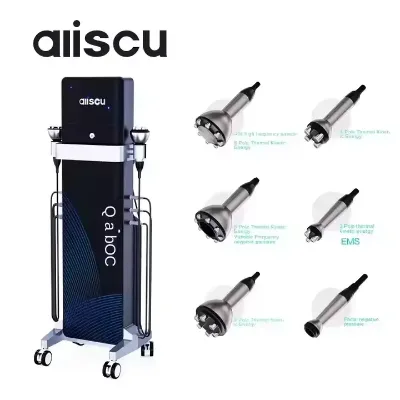
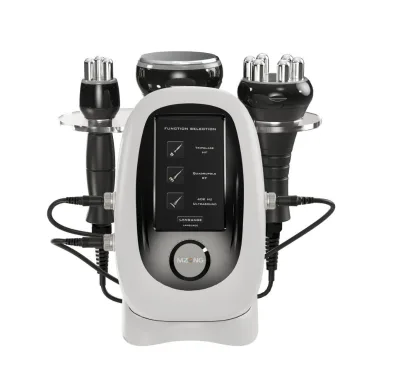
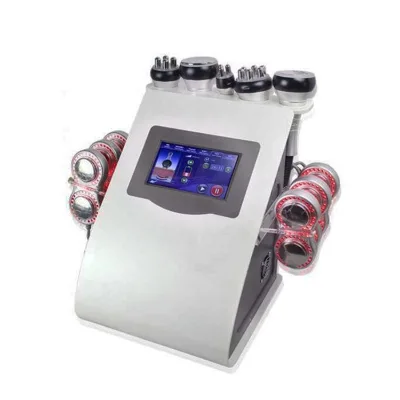
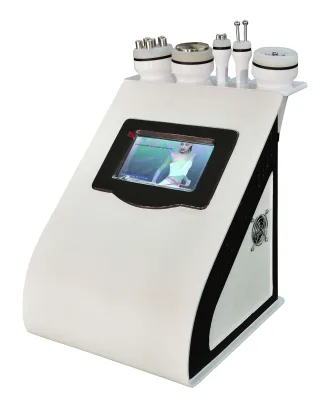
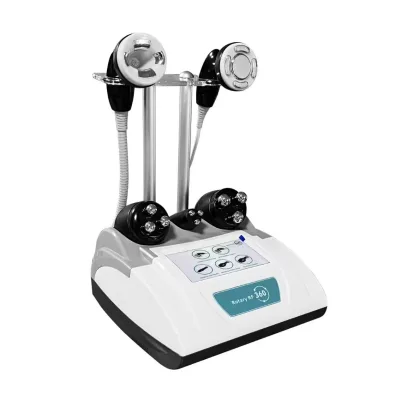


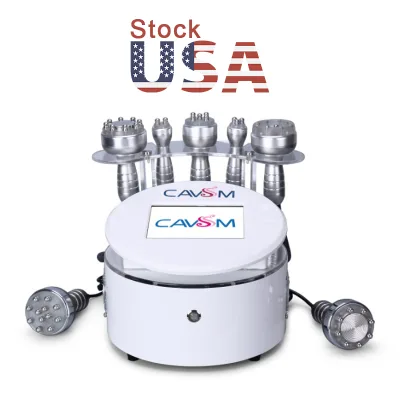
40K Cavitation Multifunctional Vacuum RF Fat Burning Body Slimming Machine
$160.00 - $200.00
MOQ: 1 Pieces


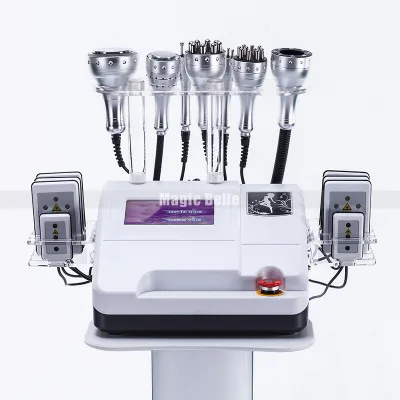
Cellulite Removal Vacuum Cavitation RF Body Slimming Machine Weight Loss Body Beauty Machine
$3000.00 - $5000.00
MOQ: 1 Pieces

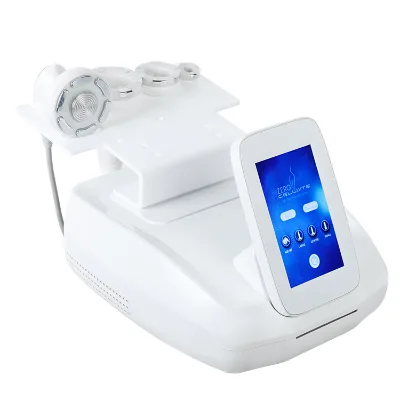
Multi- Functional Body Shape Ultrasonic Cavitation Vacuum RF Slimming Machine
$2500.00 - $3800.00
MOQ: 1 Pieces
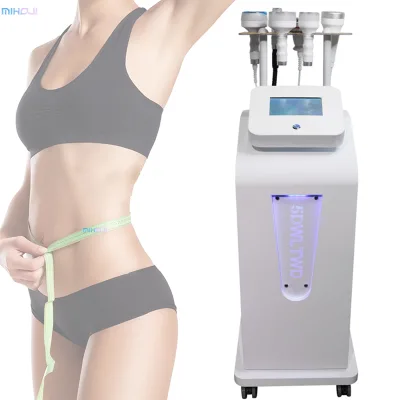
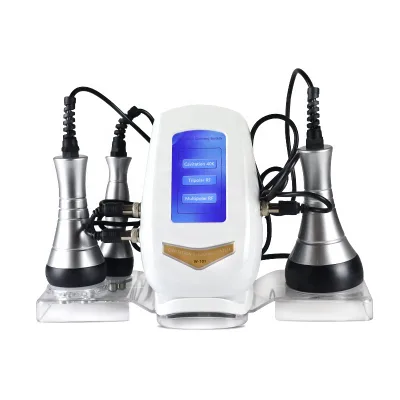
40K Cavitation at Home Use Slimming Body Machine Vacuum Cavitation System Machine
$236.4832 - $287.8932
MOQ: 1 pieces
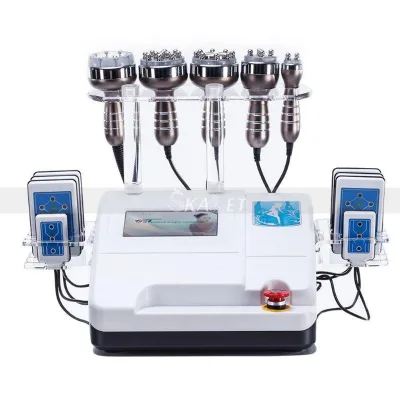


Comprehensive Sourcing Guide
Dual 40Khz Body Cavitation Machine Sourcing Guide
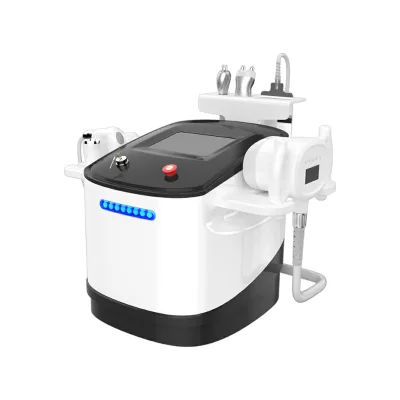
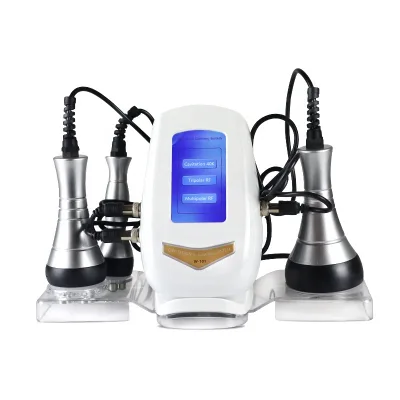
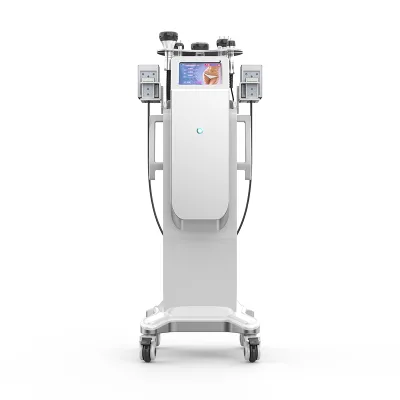
Procuring a Dual 40Khz Body Cavitation Machine requires careful evaluation of device architecture, as market listings reveal significant variation in form factor and operational design. Buyers must distinguish between portable, stationary, and standing units, as these physical configurations directly impact clinic workflow and treatment area accessibility. The observed product range includes models with single handles for targeted applications and multi-handle systems designed for comprehensive body contouring sessions. Understanding these structural differences is essential for aligning equipment capabilities with specific service offerings and spatial constraints within a commercial facility.
Commercial applications for these devices typically focus on non-invasive body contouring, weight loss support, and skin tightening procedures. The core technology leverages ultrasonic frequencies to target adipose tissue, with many listings highlighting features such as lymph drainage and wrinkle reduction. Buyers should verify that the selected model supports the intended treatment zones, whether for the face, legs, arms, or general body areas. Ensuring the device’s power output and frequency stability match clinical expectations is critical for achieving consistent results and maintaining client satisfaction across multiple treatment sessions.
Product Scope and Observed Listing Signals
Market analysis indicates a diverse array of configurations available under the dual 40khz cavitation category, with prices ranging from approximately fifty-three to five thousand US dollars. This wide variance reflects differences in build quality, included accessories, and brand positioning, necessitating a thorough review of each listing’s specific inclusions. Minimum order quantities are generally low, often starting at one piece, which facilitates initial procurement for small clinics or individual practitioners testing market demand. Buyers should scrutinize whether the listed price includes necessary probes, power cords, and user manuals to avoid unexpected additional costs during setup.
Observed product attributes reveal distinct operational styles, including portable units weighing around two kilograms and heavier stationary systems requiring stable placement. Voltage requirements vary between regions, with many devices supporting both 100-120V and 220-240V inputs to accommodate international use. Some models feature advanced specifications such as energy density up to sixty joules per square centimeter or RF frequencies between one and five megahertz. These technical nuances significantly influence treatment efficacy and safety profiles, making it imperative for buyers to cross-reference listed specifications with their clinical requirements before finalizing any purchase agreement.
Technical Specifications to Verify
Verifying the cavitation frequency is paramount, as the core technology relies on ultrasonic waves typically operating at forty kilohertz to disrupt fat cells. Buyers must confirm that the device maintains stable frequency output under load, as fluctuations can reduce treatment effectiveness or cause uneven results. Additionally, power ratings vary considerably, with some units operating at twenty-five watts while others reach one hundred fifty watts. Higher power outputs may enable faster treatment times but require robust cooling systems to prevent overheating during extended clinical sessions.
The number and type of handles included with the machine directly affect treatment versatility and efficiency. Listings show configurations ranging from single-handle setups to four-handle systems, each offering different coverage areas and ergonomic benefits. Buyers should assess the handle material, tip design, and compatibility with various skin types to ensure patient comfort and safety. Furthermore, verifying the RF frequency range, if applicable, is crucial for devices combining radiofrequency therapy with cavitation, as this determines the depth of tissue heating and collagen stimulation capabilities.
Compliance and Safety Documentation
Ensuring proper certification is a non-negotiable aspect of sourcing medical aesthetic equipment, with CE marking being a common requirement for devices sold in many international markets. Buyers must request valid certification documents to verify that the manufacturer has undergone rigorous testing for electrical safety and electromagnetic compatibility. Without proper documentation, clinics risk regulatory penalties and potential liability issues in the event of adverse patient outcomes. It is advisable to confirm that the certification covers the specific model number and voltage configuration being purchased.
Safety features and warranty terms provide additional layers of protection for both the buyer and their clients. Most observed listings offer a one-year warranty, which should be clearly defined in terms of coverage for parts, labor, and handle replacements. Buyers should also inquire about the availability of video technical support and online assistance, as these services are critical for troubleshooting operational issues without delaying clinic schedules. Understanding the scope of after-sales support ensures that the clinic can maintain continuous operations and quickly resolve any technical difficulties that may arise during daily use.
Cost Drivers and Commercial Terms
Several factors influence the final cost of a Dual 40Khz Body Cavitation Machine, including the complexity of the internal components, the quality of the transducers, and the inclusion of additional technologies like RF or vacuum therapy. Devices with higher energy density capabilities or multi-frequency options typically command premium prices due to their advanced engineering and broader clinical applications. Buyers should evaluate the total cost of ownership, considering not just the initial purchase price but also the cost of replacement probes and maintenance supplies over the device’s lifespan.
Commercial terms such as payment methods, shipping arrangements, and lead times vary significantly among suppliers. While minimum order quantities are often flexible, bulk purchases may offer discounts that improve overall profitability. Buyers should clarify whether the quoted price includes international shipping, customs duties, and insurance to avoid hidden expenses. Additionally, confirming the lead time for production and delivery is essential for planning clinic launches or equipment upgrades, as delays can disrupt business operations and client appointments.
Supplier Qualification and Quality Control
Evaluating supplier credibility is crucial when sourcing aesthetic equipment, as the market contains numerous manufacturers with varying levels of quality control and technical expertise. Buyers should prioritize suppliers from established manufacturing hubs, such as Guangdong in China, where a robust supply chain supports consistent production standards. Requesting detailed product specifications, including model numbers and packing dimensions, helps verify that the supplier can provide accurate and traceable information. Transparency in sourcing details is a strong indicator of a reliable partner capable of supporting long-term business relationships.
Quality control processes should be verified through requests for factory audits, production videos, or third-party inspection reports. Buyers should ensure that each unit undergoes rigorous testing before shipment to guarantee performance consistency and safety. Establishing clear communication channels with the supplier’s technical team can facilitate smoother troubleshooting and faster resolution of any post-purchase issues. Building a relationship with a supplier that demonstrates commitment to quality and customer support enhances the overall procurement experience and reduces operational risks.
Long-Term Procurement Checks
Ongoing monitoring of device performance and supplier responsiveness is essential for maintaining high standards of patient care and operational efficiency. Buyers should establish a routine for checking probe integrity and calibration to ensure consistent treatment outcomes over time. Keeping detailed records of maintenance activities and warranty claims helps track the device’s lifecycle and informs future replacement or upgrade decisions. Proactive management of equipment health minimizes downtime and ensures that the clinic can deliver reliable services to its clients.
Staying informed about technological advancements and regulatory changes in the aesthetic industry allows buyers to make strategic decisions regarding equipment upgrades. Regularly reviewing supplier offerings for new models with improved features or enhanced safety profiles can provide competitive advantages in the market. Engaging with professional networks and attending industry events can also provide valuable insights into best practices and emerging trends. Continuous evaluation of procurement strategies ensures that the clinic remains equipped with the most effective and compliant technology available.
FAQs
What is the power consumption of the Dual 40Khz Body Cavitation Machine?
The power consumption varies by model, with some units operating at 25 watts and others at 150 watts. This difference depends on the specific configuration and whether the device includes additional RF or vacuum functions. Buyers should check the specific model number to confirm the exact wattage required for their facility's electrical setup.
Can the Dual 40Khz Body Cavitation Machine be used on the face?
Yes, certain models are designed for both body and face treatments. The device features a cavitation frequency of 40khz, which is effective for targeted areas. However, users must select the appropriate handle and settings to ensure safe application on delicate facial skin compared to larger body contouring zones.
Which certification does the Dual 40Khz Body Cavitation Machine hold?
The machine holds CE certification, ensuring it meets European safety and quality standards. This certification is crucial for commercial use in many regions. Buyers should verify the specific certificate documentation provided by the supplier to confirm compliance with local regulations before importing or deploying the equipment in their business.
What is the minimum order quantity for the Dual 40Khz Body Cavitation Machine?
The minimum order quantity is typically one piece, allowing for easy trial purchases. This low MOQ supports businesses testing the market or clinics needing a single unit. It reduces initial investment risk and enables buyers to evaluate performance before committing to larger bulk orders for expansion or resale purposes.
How long is the warranty period for the Dual 40Khz Body Cavitation Machine?
The warranty period is generally one year or twelve months from the date of purchase. This coverage typically includes technical support and repairs for manufacturing defects. Buyers should review the specific warranty terms provided by the manufacturer to understand what components are covered and the process for claiming support.
What voltage options are available for the Dual 40Khz Body Cavitation Machine?
The machine supports multiple voltage options, including 100V-120V and 220V-240V. Some models also accept 110V-220V at 50-60Hz. This flexibility allows global deployment. Buyers must specify their local voltage standard when ordering to ensure the device operates correctly without requiring additional transformers or adapters.