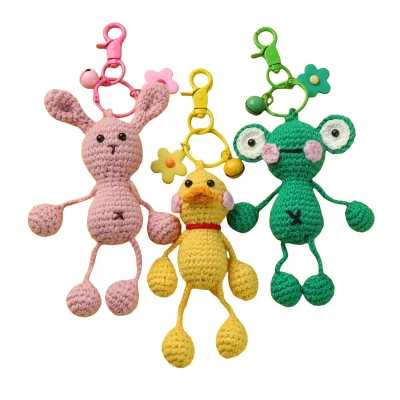
Source eco-friendly cartoon amigurumi doll keychain for gifts, promotions, and souvenirs
Compare 30 listings for eco-friendly cartoon amigurumi doll keychain options featuring customizable logos, various materials like PVC and ABS, and OEM services. Buyers can review specifications, sample availability, and delivery times for indoor or outdoor use.
Key considerations
Products List


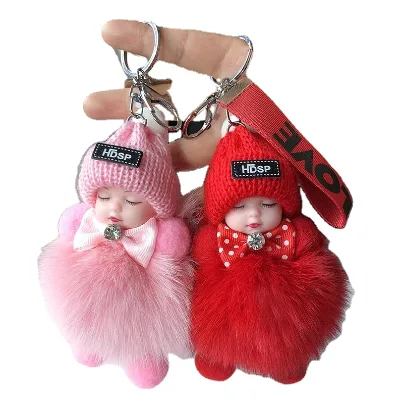
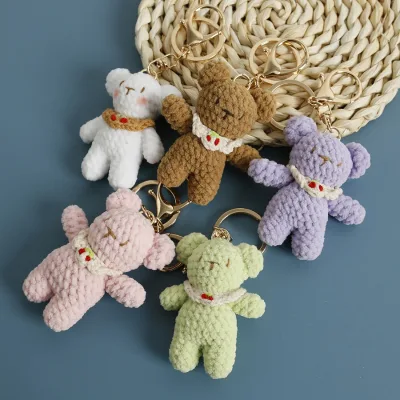
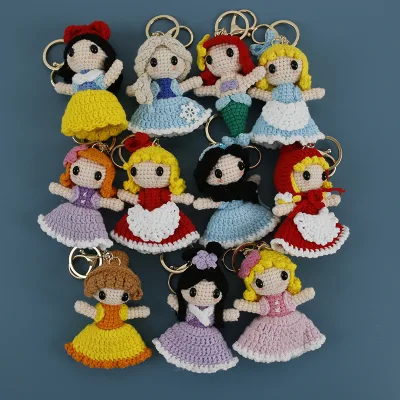
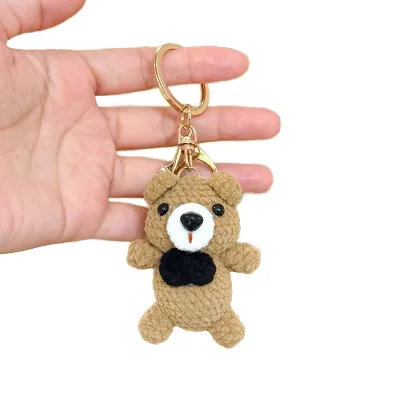

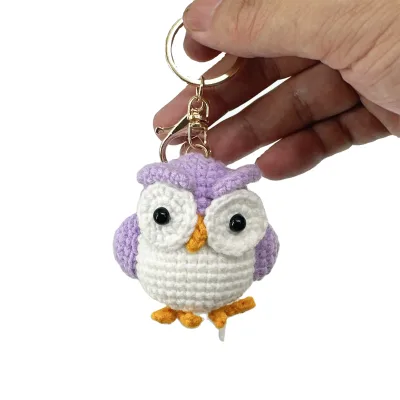

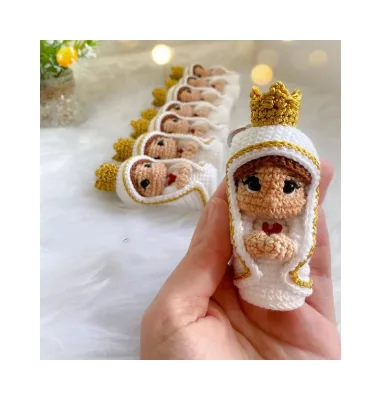
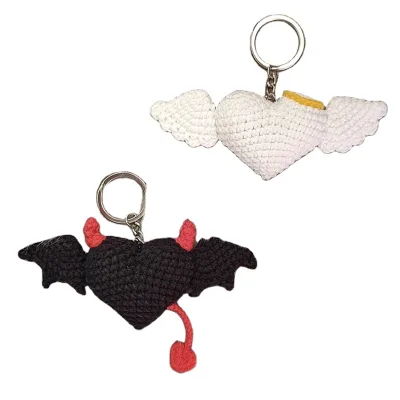
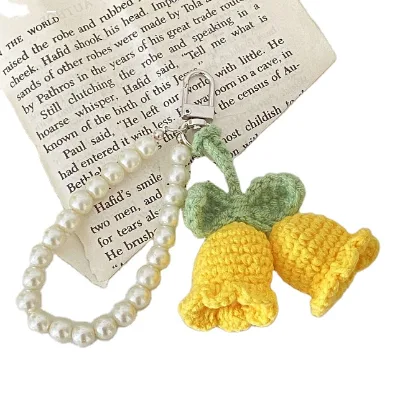
Comprehensive Sourcing Guide
Strategic Sourcing Guide for Eco-Friendly Cartoon Amigurumi Doll Keychains
Procuring custom promotional merchandise requires a nuanced understanding of material composition, manufacturing capabilities, and regulatory compliance. For buyers targeting eco-friendly cartoon amigurumi doll keychains, the market offers a diverse array of options ranging from stock items to fully customized OEM solutions. This guide synthesizes available product attributes and industry standards to provide a structured approach for sourcing these specific items. The focus remains on verifying supplier capabilities against the specific technical and environmental requirements inherent to this product category, ensuring that procurement decisions are grounded in observable facts rather than unverified marketing claims.
Technical Specifications and Material Composition
The foundation of any successful procurement strategy lies in a precise definition of technical specifications. For eco-friendly cartoon amigurumi doll keychains, the material selection is paramount. The available product data indicates a broad material range including Eco-Friendly PVC, ABS, Resin, TPR, PP, PS, and PC. While the term "amigurumi" traditionally refers to crocheted yarn figures, in the context of mass-produced keychains, it often describes the aesthetic style rather than the literal construction method. Buyers must verify if the "Eco-Friendly" designation applies to the specific polymer used, such as TPR or recycled PVC, rather than assuming all listed materials meet this standard.
The manufacturing process significantly influences the final product's durability and texture. The observed production technologies include Roto Casting, Injection Molding, and Ultrasonic processing. Injection molding is typically associated with hard plastics like ABS or PP, offering high precision for cartoon shapes, while Roto Casting may be used for resin or softer materials to achieve a specific feel. The product shape is described generally as "Article" or "Irregular Round Smile Face," suggesting that the design is not limited to standard geometric forms. Customization is a core feature, with options for "Openning New Mould" based on specific size, quantity, material, and technology requirements.
Size and color are critical variables. Specifications indicate that size can be "as Picture or Customized," and color options include "Multicolour" or "as Picture or Customized." The imprinting methods available range from Pad Print to UV Printing, with Full Color logo printing capabilities. Buyers should note that the product is designed for an age group of greater than 8 years, which influences the size of small parts and the complexity of the design to ensure safety. The product function is listed as "Gift Figurine/Collection Toys" or "Promotion Gifts," indicating a dual-purpose utility that must be reflected in the durability and finish of the item.
Compliance and Certification Verification
Navigating the regulatory landscape is essential for international trade, particularly when dealing with toys and promotional items. The provided data explicitly lists certifications such as ENASTM and CE. These standards are critical for market access in Europe and North America. The CE mark indicates conformity with health, safety, and environmental protection standards for products sold within the European Economic Area. ENASTM suggests adherence to specific ASTM standards, which are widely recognized in the United States for toy safety.
However, the presence of these certifications in the product attributes does not guarantee that every single unit or batch possesses them. Buyers must treat these as potential capabilities of the supplier rather than automatic inclusions. The standard for the product is listed as "Plz ask for a catalog" or "Accept Customized," implying that specific compliance documentation may vary by order. It is imperative for the buyer to request current test reports and certification certificates for the specific batch being ordered. The material range includes "Eco-Friendly" options, but the term itself is not a certified standard without supporting documentation regarding phthalates, heavy metals, or other chemical restrictions.
Furthermore, the product application includes "Waterproof" and "Business Gift" categories, which may require additional durability testing beyond standard toy safety. The "Customer Service" attribute mentions "Inferior Refunds," a red flag that suggests buyers must be vigilant about quality control and return policies. Ensuring that the supplier can provide valid, up-to-date certification documents for the specific material composition (e.g., TPR or PVC) is a non-negotiable step before finalizing any purchase order.
Cost Drivers and Pricing Structures
Understanding the cost structure of custom keychains is vital for budgeting and negotiation. The observed price range in the market is broad, spanning from $0.15 to $10 USD, reflecting the variability in material, complexity, and order volume. The Sample Price is listed between $2 and $100, which can be significantly higher than the unit cost of mass production. This discrepancy highlights the high fixed costs associated with tooling and sample creation.
The primary cost drivers include the "Mould Cost," which is explicitly stated to depend on size, quantity, material, and technology. For custom designs requiring "Openning New Mould," the initial investment can be substantial, though the "Sample Fee" is sometimes listed as "Free of Charge." This creates a complex pricing dynamic where the sample cost might be waived but the mold cost remains. Buyers must clarify whether the mold cost is refundable upon reaching a certain order quantity, a common practice in the industry.
The "MOQ" (Minimum Order Quantity) ranges from 1 to 3000 units. Low MOQs allow for testing the market with minimal risk but often come with a higher per-unit cost. High MOQs, such as 3000 units, typically leverage economies of scale to reduce the unit price significantly. The "Delivery Time" varies, with "3-7 days for Stock Items" and a general "7 Days for Stock Items" noted. For custom orders involving new molds, lead times will be longer and must be negotiated separately. The "Packing Detail" options, such as "with Wrapping/Without Wrapping" or "OPP Bag + Carton," also impact the final cost, as customized packaging adds to the overall expense.
Typical Applications and Usage Scenarios
The versatility of eco-friendly cartoon amigurumi doll keychains makes them suitable for a wide range of applications. The product attributes list "Indoor,Outdoor" usage, "Funny,Particular Toys,Promotion," and "Business Gift, Promotion Gift." This broad applicability means the product can serve as a corporate giveaway, a retail item, or a personal accessory. The "Waterproof" attribute suggests suitability for outdoor events or promotional campaigns where the item might be exposed to the elements.
The "Gender" is listed as "Unisex," and the "Style" is "Cartoon Toy," making it a safe choice for diverse audiences. The "Usage" as "Promotion Gifts" aligns with corporate branding strategies where the keychain acts as a mobile advertisement. The "Logo Print" capability, including "Custom Logo/ Existing" and "Full Color," allows for high-impact branding. The "Function" as "Gift Figurine/Collection Toys" indicates that the item can also be marketed as a collectible, appealing to hobbyists and collectors who appreciate unique designs.
Buyers should consider the end-user context when selecting materials and finishes. For example, a keychain intended for a children's event might prioritize soft-touch materials like TPR, while a corporate gift might favor the durability of ABS or the premium feel of Resin. The "Application" of "Waterproof" is particularly relevant for outdoor trade shows or beach promotions. Understanding these nuances helps in selecting the right supplier who can deliver a product that meets the specific environmental and functional demands of the intended use case.
Supplier Evaluation and Service Capabilities
Evaluating potential suppliers requires a careful review of their service offerings and operational capabilities. The data indicates that suppliers offer "DIY/OEM/Stock" services, providing flexibility for buyers who need custom designs or immediate stock items. The "OEM/ODM" acceptance confirms that suppliers are equipped to handle both original equipment manufacturing and original design manufacturing. The "3D Drawing" service is available, with options for the buyer or supplier to provide the design, which is crucial for the "Openning New Mould" process.
However, the "Customer Service" attribute listing "Inferior Refunds" necessitates a cautious approach. Buyers should prioritize suppliers with clear, transparent return policies and robust quality assurance processes. The "Shipping Method" options of "by Sea/by Air" allow for flexibility in logistics, but buyers must calculate the total landed cost, including freight and duties. The "Delivery Time" of "3-7 days for Stock Items" is a significant advantage for urgent orders, but custom orders will require longer lead times.
The "Product Origin" is listed as "China" and specifically "Guangdong, China," a major manufacturing hub. This location offers access to a vast supply chain but requires due diligence regarding the specific factory's reputation and capacity. The "Original Package" is noted as "Yes," suggesting that the products are shipped in their intended packaging, which is important for retail readiness. Buyers should verify the supplier's ability to handle "Accept Customized" packing details, such as "Ppbag/Handbag/Carton," to ensure the product arrives in the desired condition.
Quality Control and Long-Term Procurement
Implementing a rigorous quality control (QC) protocol is essential to mitigate risks associated with custom manufacturing. Given the "Material Range" includes various plastics and resins, consistency in color, texture, and structural integrity is a common challenge. The "Imprint" methods, such as Pad Print and UV Printing, must be tested for durability and adhesion, especially for items intended for "Outdoor" use. The "Certification" requirements for ENASTM and CE should be verified through third-party testing labs to ensure compliance.
For long-term procurement, establishing a relationship with a supplier who can maintain consistent quality over multiple batches is key. The "Mould Cost" dependency on size and quantity suggests that re-ordering the same design should be cost-effective, provided the mold is maintained. Buyers should inquire about the supplier's policy on mold maintenance and storage. The "Sample" availability, often "Free," allows for pre-production validation, which is a critical step in the QC process.
The "Product Name" as "Plastic Figure" and "Product Type" as "Irregular Round Smile Face Keychain Key Ring" highlights the need for precise design specifications. Any deviation in the "Shape" or "Size" from the approved sample can lead to rejection. Buyers should establish clear acceptance criteria based on the "as Picture or Customized" specifications. Additionally, the "Packing Detail" must be strictly adhered to, as improper packaging can lead to damage during transit, especially for items with "Multicolour" finishes that may be prone to scratching.
Comparative Analysis of Sourcing Options
To assist in decision-making, the following table compares key attributes of stock versus custom sourcing options based on the provided data.
| Feature | Stock Items | Custom OEM/ODM |
|---|---|---|
| Delivery Time | 3-7 Days | Variable (Mould + Production) |
| MOQ | Low (1-3000 range) | Higher (Mould dependent) |
| Unit Cost | Lower (Economies of scale) | Higher (Initial tooling) |
| Material | Fixed (Plastic, PVC, etc.) | Flexible (Eco-Friendly PVC, ABS, etc.) |
| Design | Standard (Cartoon Toy) | Custom (3D Drawing, New Mould) |
| Packaging | Standard (OPP Bag + Carton) | Customized (Ppbag, Handbag, Carton) |
| Certification | Standard (ENASTM, CE) | Must Verify per Batch |
| Sample Fee | $2-$100 | Often Free (Mould cost separate) |
This comparison underscores the trade-off between speed and customization. Stock items offer immediate availability and lower risk but limit design flexibility. Custom options provide unique branding and material choices but require significant upfront investment and time. Buyers must align their procurement strategy with their specific business goals, whether prioritizing speed for a seasonal campaign or uniqueness for a brand identity launch.
Conclusion
Sourcing eco-friendly cartoon amigurumi doll keychains involves a complex interplay of material science, regulatory compliance, and supply chain management. By leveraging the available product attributes, buyers can navigate the market with confidence, ensuring that their procurement decisions are data-driven and risk-aware. The emphasis on "Eco-Friendly" materials, combined with the flexibility of OEM/ODM services, offers a robust platform for creating high-quality promotional items. However, the variability in pricing, lead times, and certification status necessitates a thorough vetting process. Buyers should prioritize suppliers who demonstrate transparency in their quality control measures and compliance documentation. Ultimately, a successful sourcing strategy relies on clear communication, precise specifications, and a partnership with a supplier capable of delivering consistent value over the long term.
FAQs
What certifications do eco-friendly cartoon amigurumi doll keychains have?
These products typically hold ENASTM and CE certifications for safety compliance. Buyers must verify that specific batches include valid test reports, as the presence of these marks in general attributes does not guarantee every unit is certified without documentation.
How long is the delivery time for stock items?
Delivery for stock items generally takes 3 to 7 days from the order date. Custom orders requiring new molds will have significantly longer lead times that depend on the specific size, quantity, and technology used for production.
Can I customize the logo and color of the keychain?
Yes, full color logo printing and customized colors are available via UV or pad print methods. Buyers can provide 3D drawings or request the supplier to create designs, with options for custom packaging and irregular shapes like smile faces.
What materials are used for these eco-friendly keychains?
Materials include Eco-Friendly PVC, ABS, Resin, TPR, PP, PS, and PC depending on the design. The specific polymer used must be verified to ensure it meets the eco-friendly standard, as the term applies to the material range rather than all listed options.
What is the minimum order quantity for these keychains?
The minimum order quantity ranges from 1 to 3000 units based on the supplier and product type. Lower quantities allow for market testing but may incur higher per-unit costs compared to bulk orders that leverage economies of scale.
Where are these keychains manufactured and shipped from?
Products originate from Guangdong, China, and are shipped via sea or air freight. Buyers should confirm the specific factory location and shipping method to calculate total landed costs and ensure the original packaging is included for retail readiness.