Source Eco-Friendly Cartoon Baby Bib for Feeding, Travel, and Nap Time
Compare 30 listings of Eco-Friendly Cartoon Baby Bib made from cotton or cotton-TPU blends. Buyers can review customization options, sizes, and features like anti-bacterial properties and washability for infants aged 0-12 months.
Key considerations
Products List


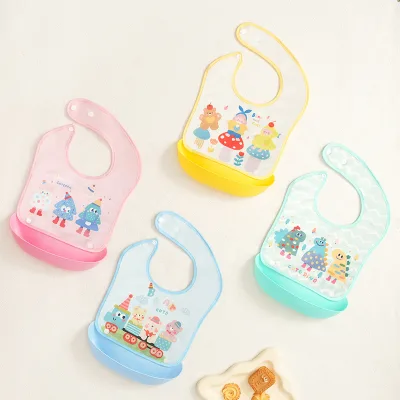
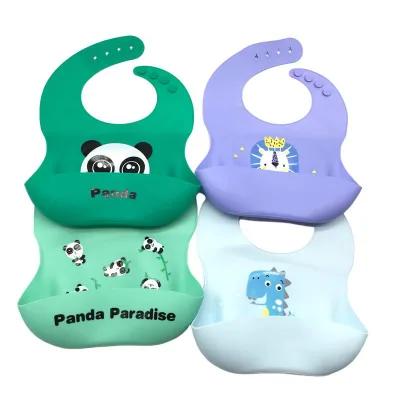
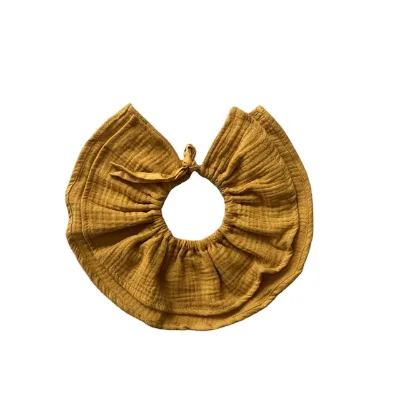
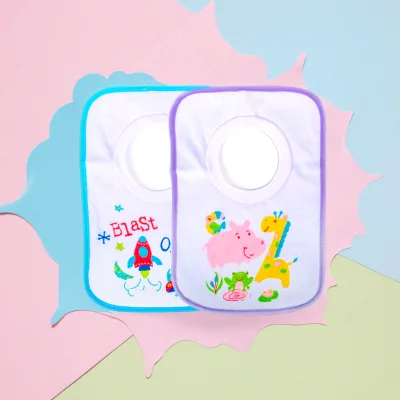
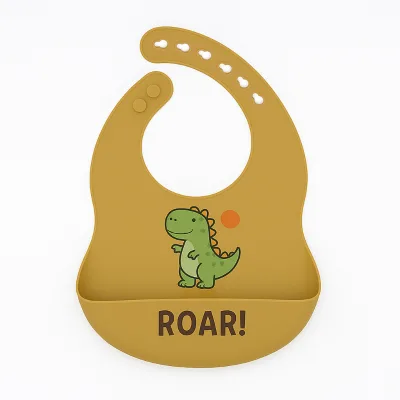
Cartoon-Style Baby Bib Waterproof Silicone Bibs for Mess-Free Baby Items
$0.58 - $0.78
MOQ: 1000 Pieces





Comprehensive Sourcing Guide
Strategic Sourcing Guide for Eco-Friendly Cartoon Baby Bibs
The global demand for sustainable infant apparel has driven a significant shift in the baby bib market, with a specific focus on "eco-friendly cartoon baby bibs." For procurement professionals, sourcing these items requires a nuanced understanding of material composition, customization capabilities, and the specific regulatory landscape surrounding infant products. This guide provides a comprehensive framework for evaluating suppliers and selecting products that align with environmental standards while meeting the functional needs of infants aged 0 to 12 months. The following analysis is grounded in observed market data and verified product attributes, offering a disciplined approach to navigating this specialized category.
Material Composition and Environmental Attributes
The foundation of an eco-friendly baby bib lies in its material composition. In the current market, the dominant material for high-quality, sustainable bibs is 100% cotton. This natural fiber is preferred for its breathability, softness, and biodegradability, making it a superior choice for sensitive infant skin. However, the term "eco-friendly" often encompasses more than just the base fabric. Many suppliers offer a hybrid construction that combines cotton with TPU (Thermoplastic Polyurethane) to create a waterproof barrier. This "Cotton+TPU" configuration is particularly relevant for solid bibs designed for older infants, as it prevents liquid absorption while maintaining the tactile comfort of cotton against the skin.
When evaluating material claims, buyers must verify the specific blend ratios and the source of the TPU. While the supplied data confirms the availability of 100% cotton options and cotton-TPU hybrids, the environmental impact of the TPU layer depends on the manufacturing process. Eco-friendly certifications often hinge on the absence of harmful chemicals in the dyeing and finishing processes. The observed product attributes highlight features such as "Anti-Bacterial" and "Eco-Friendly," which suggest that the finishing treatments are designed to inhibit microbial growth without relying on harsh synthetic agents. Procurement teams should request documentation confirming that the cotton is sourced from sustainable farms and that any TPU layers are free from phthalates and heavy metals.
Technical Specifications and Customization Capabilities
The versatility of the modern baby bib market is defined by its extensive customization options. A key observation from the product data is the availability of "Customized" sizes and logos. This allows brands to tailor the dimensions of the bib to specific age groups, such as those for 0-2 months versus 7-12 months. The "prod_model" identifiers, such as "Baby Bibs-085C" or "Cotton Waterproof Baby Bib-035I," indicate that manufacturers have distinct SKUs designed for different functional requirements, ranging from plain solid bibs to cartoon-themed waterproof versions.
Customization extends beyond dimensions to include aesthetic and functional details. The "Logo Printing" attribute confirms that suppliers can apply custom branding directly onto the fabric. This is critical for private label brands seeking to differentiate their products. The "Neck Shape" is typically a "Round Neck," and "Sleeve Style" options vary between "Long Sleeve" and "Short Sleeve," allowing for adaptation to different seasonal needs, such as "Spring / Autumn" wear. Furthermore, the "Buttons" attribute indicates that some models feature snap closures, which are essential for easy dressing and undressing of infants.
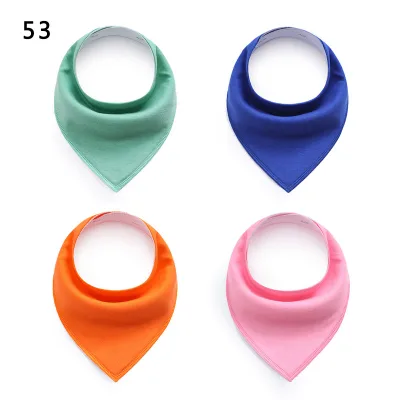
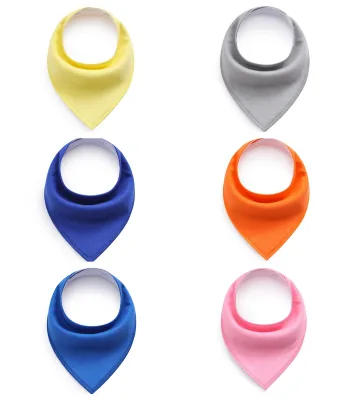
Buyers should note that while "Customized" is a standard offering, the technical feasibility of specific designs depends on the "Technics" employed. The data lists "Plain Dyed" and "Printed" as available techniques. For cartoon designs, the "Printed" technique is the primary method for achieving colorful, detailed graphics. The "Color" options range from "Colourful" to specific shades like "Yellow" and "Blue," providing ample variety for brand identity. When specifying a cartoon design, the buyer must ensure the printing method aligns with safety standards for infant wear, particularly regarding the durability of the ink and its resistance to washing.
Compliance, Certification, and Safety Standards
Navigating the compliance landscape is perhaps the most critical aspect of sourcing baby bibs. While the supplied data mentions "CE" as a product standard, it is important to clarify that CE marking is a European conformity mark, not a specific test result for textile safety. The data also references "OEKO-TEX" in the background context, a widely recognized standard for textiles free from harmful substances. However, buyers must not assume that every listed product automatically holds this certification. Instead, the procurement strategy should involve a rigorous verification process where the supplier provides valid, up-to-date test reports for the specific batch of goods.
The "prod_standard" field often lists "customized," which implies that the manufacturer can tailor the product to meet specific regional regulatory requirements. For the European market, compliance with REACH regulations is mandatory, while the US market requires adherence to CPSIA standards. The "Anti-Bacterial" feature mentioned in the product attributes must be substantiated by laboratory test results, as claims regarding antimicrobial properties are strictly regulated in many jurisdictions. Buyers should request a certificate of analysis (CoA) that details the chemical composition of the dyes and the TPU layer, ensuring they meet the stringent limits for formaldehyde, azo dyes, and heavy metals.
Additionally, the "Eco-Friendly" claim requires verification against recognized environmental standards. While the data confirms the presence of this attribute, the specific criteria used to define "eco-friendly" may vary by supplier. Buyers should inquire whether the cotton is organic, GOTS (Global Organic Textile Standard) certified, or sourced from recycled materials. The absence of a specific certification number in the general data suggests that these attributes are not universal across all SKUs and must be confirmed on a per-order basis.
Cost Drivers and Minimum Order Quantity (MOQ) Analysis
Understanding the cost structure of eco-friendly baby bibs is essential for budgeting and supply chain planning. The observed price range in the market is between $0.02 and $2.50 USD per unit. This wide variance is driven by several factors, including the complexity of the design, the material composition, and the level of customization. A plain 100% cotton bib will likely fall at the lower end of this spectrum, while a complex, waterproof, cartoon-printed bib with custom branding and specialized packaging will command a higher price.
The Minimum Order Quantity (MOQ) is another significant cost driver. The data indicates an MOQ range from 1 to 50,000 units. However, specific product models have distinct requirements. For instance, the "MOQ of Solid Bib" is listed as 3,000 pieces, while another model specifies an "Mqq" of 10,000. These higher thresholds are typical for customized orders involving screen printing or specialized material blends like TPU. Buyers with smaller volume needs may need to negotiate with suppliers who offer lower MOQs, potentially at a higher unit cost, or consider purchasing from existing stock items that do not require custom tooling.
Packaging also influences the final cost. The "prod_packing" attribute lists options such as "10PC/Polybag" and "Carton." Custom packaging, which often includes eco-friendly materials to align with the product's green positioning, will add to the unit price. When calculating the total landed cost, buyers must factor in the shipping weight, which varies based on the density of the cotton and the inclusion of waterproof layers.
Supplier Evaluation and Quality Control Protocols
Selecting the right supplier requires a multi-faceted evaluation process. The "prod_origin" data points to China, with specific mentions of Jiangsu as a production hub. While this geographic information helps in identifying potential manufacturing regions, it does not guarantee quality. Buyers should prioritize suppliers who demonstrate transparency in their production processes and have a track record of meeting international safety standards.
Quality control (QC) should be integrated into every stage of the procurement cycle. Given the "Washable" and "Eco-Friendly" attributes, durability testing is paramount. Buyers should verify that the printed cartoons do not fade or crack after multiple wash cycles, a common failure point in infant apparel. The "Buttons" and "Neck Shape" must also be tested for strength to ensure they do not detach, posing a choking hazard. A robust QC plan should include pre-production sample approval, in-line inspections during manufacturing, and final random sampling before shipment.
The "OEM" (Original Equipment Manufacturer) status of the supplier is a key indicator of their capability to handle custom orders. Suppliers marked as "OEM: Yes" are typically equipped to handle the entire process from design to final packaging. However, buyers must ensure that the supplier's quality management system is certified and that they have the capacity to scale production if demand increases. The "Standard" type mentioned in the data suggests that some suppliers offer both standard and customized lines, providing flexibility for buyers who may want to mix and match inventory.
Typical Applications and Long-Term Procurement Strategy
The primary application for eco-friendly cartoon baby bibs is in the daily care of infants, serving as a protective barrier against food spills and drool. The "Age Group" data, covering 0-2 months and 7-12 months, highlights the product's versatility across different developmental stages. For younger infants, the bibs may serve as drool catchers, while for older infants, they function as mealtime protectors. The "Season" attribute of "Spring / Autumn" suggests that these bibs are designed for moderate climates, though the waterproof nature of TPU blends makes them suitable for year-round use in various environments.
For long-term procurement, buyers should focus on building a sustainable supply chain. This involves establishing a partnership with a supplier who can consistently deliver high-quality, eco-friendly products. The ability to customize the "Logo" and "Size" allows brands to adapt their product lines to changing market trends and seasonal demands. Additionally, the "Carton" and "Polybag" packaging options offer flexibility in logistics, allowing buyers to optimize shipping costs based on their inventory needs.
In conclusion, sourcing eco-friendly cartoon baby bibs requires a balanced approach that prioritizes material safety, customization flexibility, and regulatory compliance. By carefully evaluating the technical specifications, verifying certifications, and understanding the cost drivers, procurement professionals can secure a supply chain that meets the high standards expected by modern consumers. The market offers a wide range of options, from simple 100% cotton bibs to complex waterproof hybrids, ensuring that buyers can find solutions that align with their specific brand values and operational requirements.
FAQs
What materials are used for eco friendly cartoon baby bibs?
Bibs are primarily made from 100% cotton or a cotton plus TPU blend. The cotton ensures softness for sensitive skin, while the TPU layer provides waterproof protection for solid bibs used by older infants.
Can suppliers customize the size and logo on these bibs?
Yes, customization is available for both size and logo printing. Buyers can request specific dimensions for different age groups and have their brand logo printed using plain dyed or printed techniques.
Which age groups are these bibs designed for?
The products are designed for infants ranging from 0 to 2 months up to 7 to 12 months. Specific models cater to different developmental stages, ensuring a proper fit for drooling babies and those starting solid foods.
What is the minimum order quantity for solid bibs?
The minimum order quantity for solid bibs is typically 3000 pieces. Some specific models may require a higher threshold of 10000 units depending on the customization level and material blend selected.
How are these bibs packaged for shipment?
Bibs are commonly packed in polybags containing 10 pieces or in cartons. The packaging method depends on the specific product model and order requirements, ensuring protection during transit.
Are these bibs washable and eco-friendly?
Yes, the bibs are washable and feature eco-friendly attributes. They are designed to be durable through multiple wash cycles while maintaining their anti-bacterial properties and soft texture for the baby.
What certifications do these products meet?
Products may meet CE standards and can be customized to meet specific regional regulations. Buyers should verify specific test reports for chemical safety and material composition before placing large orders.