Source eco-friendly cotton kids dress for Summer, Casual, and Floral Styles
Find 30 eco-friendly cotton kids dress options featuring breathable, washable fabrics in sleeveless and round neck designs. Compare OEM/ODM services, size ranges from S to 150cm, and summer-ready styles for girls aged 2-7 years.
Key considerations
Products List


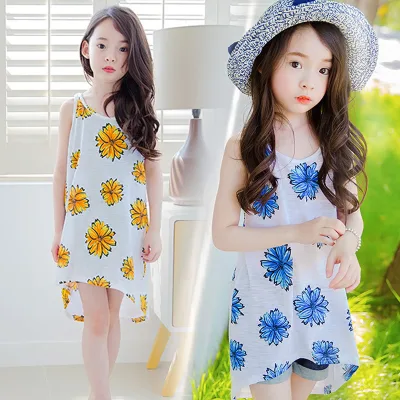
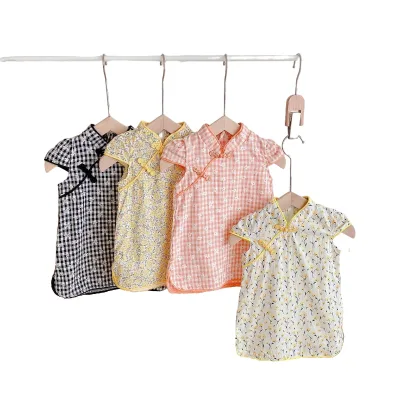
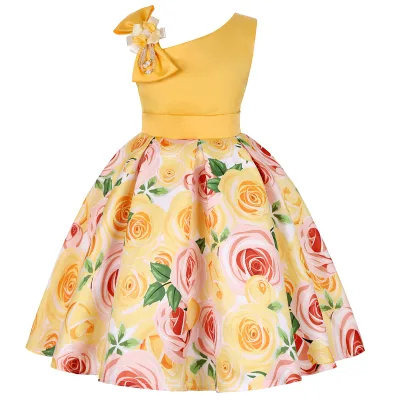
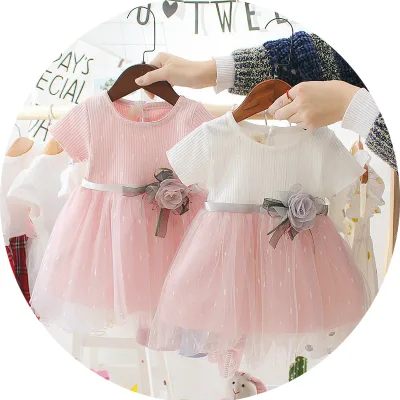
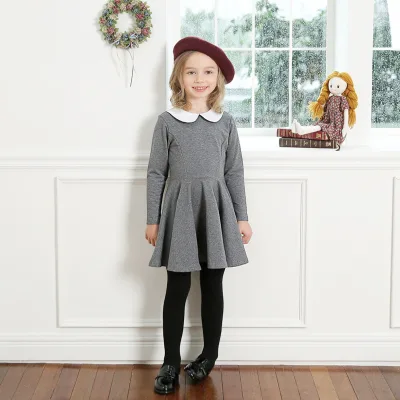
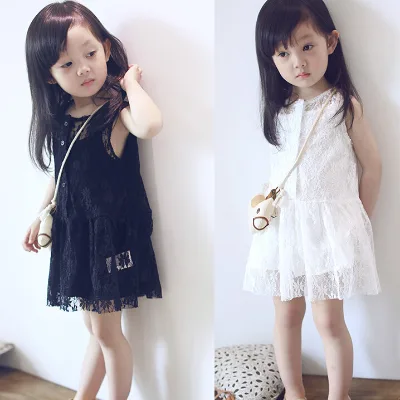


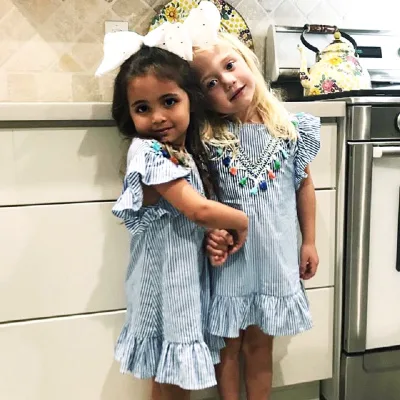
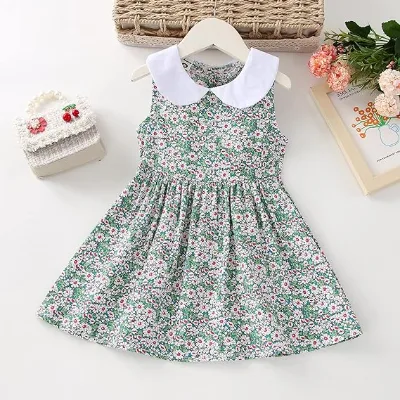
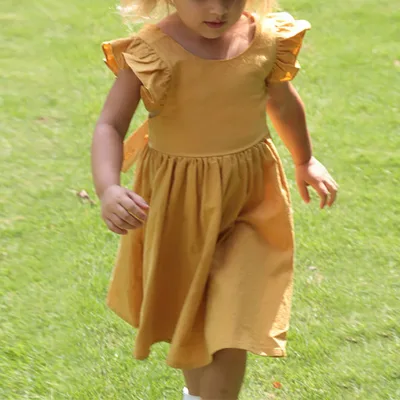
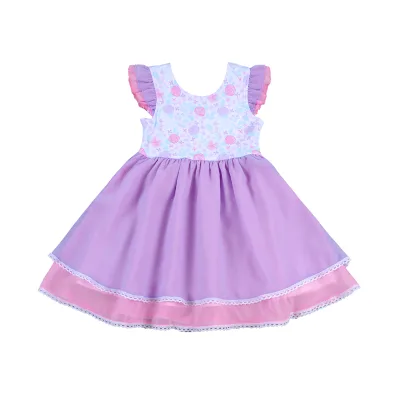
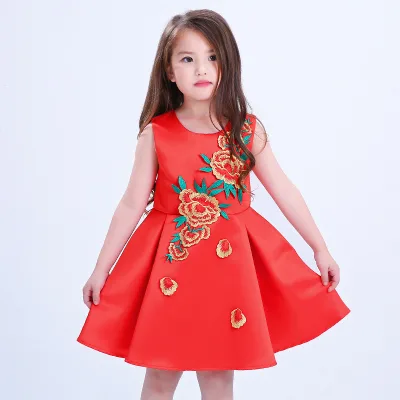
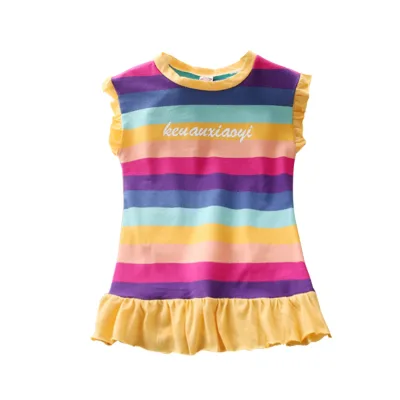
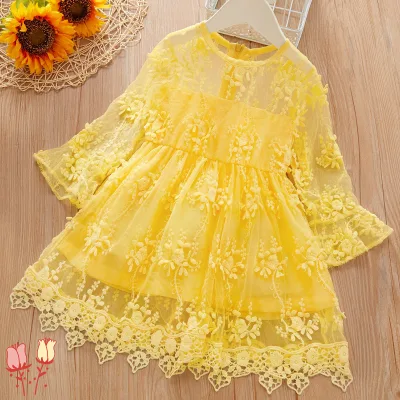
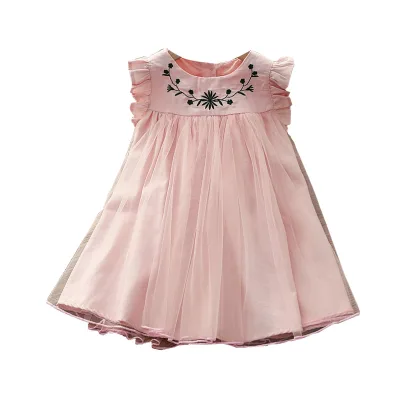
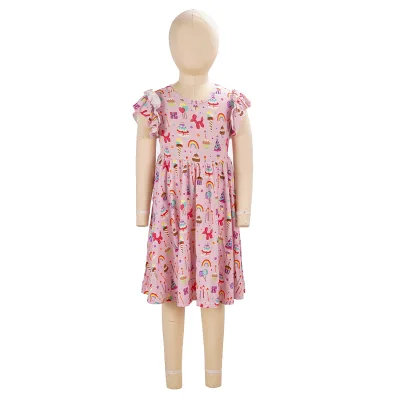
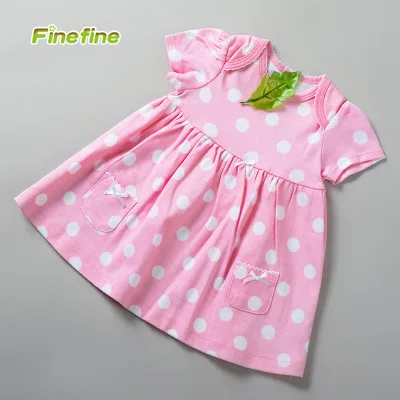
Latest Fashion Kid Clothes Cotton Knitted Dot Design Little Girl Dress
$2.56 - $4.09
MOQ: 1000 Minimum
Comprehensive Sourcing Guide
Eco-Friendly Cotton Kids Dress Sourcing Guide
Sourcing eco-friendly cotton kids dresses requires a disciplined approach that balances material integrity, safety compliance, and commercial viability. The market for children’s apparel is highly fragmented, with suppliers ranging from small workshops to large-scale manufacturers. Buyers must navigate a landscape where terms like "organic" and "eco-friendly" are often used loosely. Therefore, the primary objective is to establish clear verification protocols for material composition and manufacturing processes. This guide provides a structured framework for evaluating suppliers, verifying technical specifications, and managing commercial risks associated with this product category.
The following sections detail the critical steps for procurement, from initial product scope analysis to long-term supplier relationship management. Each section is designed to help buyers make informed decisions based on observable listing signals, technical requirements, and compliance standards. By adhering to these guidelines, procurement teams can mitigate risks related to quality inconsistencies, regulatory non-compliance, and supply chain disruptions. The focus remains on evidence-based verification rather than marketing claims, ensuring that the final products meet both brand standards and regulatory requirements.
Product Scope and Observed Listing Signals
The observed product listings indicate a strong presence of summer-oriented, sleeveless dresses designed for girls, with a specific focus on casual and floral styles. Key attributes frequently cited include round neck collars, knitted or printed techniques, and a stature range spanning from 77cm to 130cm, which corresponds to children aged approximately 2 to 7 years. These listings often highlight features such as breathability, ventilation, and anti-wrinkle properties, suggesting a demand for practical, comfortable garments suitable for warm weather. The material is predominantly listed as 100% cotton or cotton blends, aligning with the core keyword’s emphasis on natural fibers.
Geographic origins are primarily concentrated in Shantou, China, and Zhejiang, China, which are known hubs for textile and apparel manufacturing. Suppliers frequently offer OEM and ODM services, indicating flexibility for custom branding and design. The observed price range is relatively low, spanning from $1 to $16 USD, with minimum order quantities (MOQs) varying significantly from as low as 6 pieces to 1000 pieces. This variability suggests a market that accommodates both small-batch testing and large-scale production runs. Buyers should note that while "eco-friendly" is a key search term, the actual environmental certifications are not always explicitly stated in the basic listing attributes, requiring deeper due diligence.
Technical Specifications to Verify
Material composition is the most critical technical specification to verify, as "cotton" can range from conventional to organic, and blends may include synthetic fibers that affect breathability and durability. Buyers should request detailed fabric specifications, including fiber content percentages, yarn count, and fabric weight (GSM). The observed listings mention "100% Cotton" and "Cotton" as materials, but verification is essential to ensure no hidden synthetic components are present. Additionally, the dyeing and printing processes should be scrutinized, as some printing techniques may use chemicals that do not meet eco-friendly standards.
Construction details, such as stitching quality, seam strength, and finish, are equally important for children’s wear. The observed listings highlight "knitted" and "printed" techniques, which require different quality control checks. For knitted items, buyers should verify the stitch density and elasticity recovery. For printed items, colorfastness and print adhesion are key metrics. Furthermore, sizing accuracy must be confirmed against standard size charts, as the observed stature ranges (e.g., 108-118cm, 90-116cm) may vary between suppliers. Buyers should request physical samples to assess fit, comfort, and overall craftsmanship before committing to bulk orders.
Compliance and Safety Documentation
Regulatory compliance is non-negotiable for children’s apparel, particularly regarding flammability, chemical safety, and physical hazards. Buyers must ensure that suppliers provide relevant test reports from accredited laboratories. While some listings mention "International" standards, specific certifications like OEKO-TEX Standard 100 or GOTS (Global Organic Textile Standard) are not universally confirmed in the observed data. Buyers should explicitly request these certifications if they are a brand requirement, as they provide independent verification of eco-friendly claims and chemical safety.
Chemical restrictions are a major concern, with regulations like REACH in Europe and CPSIA in the US limiting the use of harmful substances such as azo dyes, formaldehyde, and heavy metals. Buyers should verify that the supplier’s materials and processes comply with these regulations. Additionally, physical safety standards, such as the absence of small detachable parts that pose a choking hazard, must be checked. The observed listings mention "Eco-Friendly" features, but buyers should demand third-party test reports to substantiate these claims, ensuring that the products are safe for children’s sensitive skin.
Cost Drivers and Commercial Terms
The cost of eco-friendly cotton kids dresses is influenced by several factors, including material quality, production volume, and customization requirements. The observed price range of $1 to $16 USD reflects significant variation, likely driven by differences in fabric quality, design complexity, and order quantity. Buyers should understand that higher-quality organic cotton and eco-friendly dyes typically command a premium. Additionally, OEM/ODM services may incur setup fees or higher unit costs due to the customization involved.
Commercial terms, such as MOQs and lead times, also impact the total cost of ownership. The observed MOQs range from 6 pieces to 1000 pieces, offering flexibility for different business models. However, lower MOQs may result in higher per-unit costs. Lead times, such as the observed 7-day sample order lead time, should be factored into production planning. Buyers should negotiate clear terms for payment, shipping, and returns, ensuring that risks are shared appropriately. It is also important to consider the cost of quality control inspections and potential rework, which can add to the overall expense.
Supplier Qualification and Quality Control
Supplier qualification is a critical step in mitigating procurement risks. Buyers should conduct thorough due diligence, including verifying business licenses, factory audits, and past performance records. The observed listings indicate that many suppliers offer OEM/ODM services, which suggests a level of manufacturing capability. However, buyers should assess the supplier’s capacity to maintain consistent quality across large orders. This includes evaluating their production lines, quality control processes, and staff training.
Quality control measures should be implemented at multiple stages, from raw material inspection to final product packaging. Buyers should establish clear quality standards and communicate them effectively to the supplier. Regular inspections, such as pre-production, during-production, and pre-shipment inspections, can help identify and address issues early. The observed listings mention various packing methods, such as polybags and master cartons, which should be verified to ensure they protect the products during transit. Additionally, buyers should consider implementing a supplier scorecard to track performance over time.
Long-Term Procurement Checks
Long-term procurement success depends on continuous monitoring and relationship management. Buyers should regularly review supplier performance metrics, including on-time delivery, quality consistency, and responsiveness to issues. The observed listings highlight features like "Ventilation" and "Breathable," which should be periodically re-verified to ensure they remain consistent with product updates or material changes. Maintaining open communication with suppliers can help address potential issues proactively and foster a collaborative partnership.
Sustainability and ethical sourcing are increasingly important for brand reputation and consumer trust. Buyers should periodically audit suppliers’ environmental and social practices, ensuring they align with the brand’s values. This may include verifying the use of eco-friendly dyes, waste management practices, and labor conditions. By staying informed about industry trends and regulatory changes, buyers can adapt their procurement strategies to meet evolving market demands. Ultimately, a proactive and disciplined approach to supplier management will help ensure the long-term success of the eco-friendly cotton kids dress sourcing initiative.
FAQs
What customization options are available for these dresses?
Customization is available for these summer kids dresses. Buyers can request specific designs or modifications through OEM and ODM services provided by manufacturers in Shantou and Zhejiang, China, ensuring the final product meets unique brand requirements.
Which sizes are offered for the cotton floral dresses?
The dresses come in various sizes including S and ranges from 100cm to 150cm. Specific stature options cover 77cm to 130cm, accommodating children aged 2 to 7 years with medium length styles suitable for summer wear.
Can I order samples before placing a bulk order?
Yes, sample orders are supported with a lead time of 7 days. This allows buyers to verify the quality of the 100% cotton fabric and the printed designs before committing to larger quantities through the in-stock or custom supply channels.
What is the minimum order quantity for these dresses?
The minimum order quantity varies, with some listings starting at 6 pieces. Other options may require up to 1000 units, depending on whether the buyer selects in-stock items or requests custom manufacturing services from the suppliers.
How are the dresses packaged for shipment?
Products are packed in polybags, inner cartons, and master cartons. Some items use plastic packaging bags, with batch specifications including a package size of 25x25x30 cm and a gross weight of 2.100 kg per batch.
What features do these summer dresses offer?
These dresses feature ventilation, breathability, and anti-wrinkle properties. They are washable and made from comfortable 100% cotton fabric, designed specifically for girls aged 2 to 6 years with round neck and sleeveless styles.
Where are these dresses manufactured?
The dresses originate from Shantou and Zhejiang, China. These locations are known for producing casual floral dresses with international standards, ensuring reliable supply chains for buyers seeking eco-friendly cotton products for the summer season.