Source eco-friendly cotton monkey washed hoodie for Travel, Casual Wear, and High Street Style
Compare 30 listings for the eco-friendly cotton monkey washed hoodie featuring long sleeves, kangaroo pockets, and custom OEM options. Buyers can evaluate materials like cotton and blends, sizes from S to XL, and lead times for sample orders.
Key considerations
Products List


Custom Private Label Oversized Personalized Polycotton Blend Acid Wash Hoodie
$4.00 - $8.00
MOQ: 100 Pieces


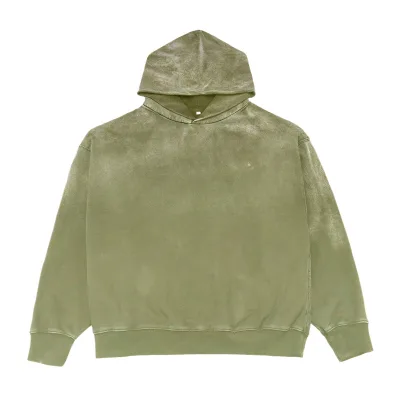


Organic Cotton Heavyweight Hoody 480GSM Eco Friendly Streetwear Fashion
$12.99 - $18.99
MOQ: 50 Pieces


Comprehensive Sourcing Guide
Strategic Sourcing Guide for Eco-Friendly Cotton Monkey Washed Hoodies
Understanding the Product Category and Core Attributes
Sourcing a "monkey washed hoodie" requires a precise understanding of the specific garment construction, finish, and material composition implied by the core keyword. In the context of modern B2B apparel procurement, the term "washed" typically refers to a mechanical or chemical finishing process designed to soften the fabric, reduce shrinkage, and create a vintage or distressed aesthetic. The "monkey" descriptor often alludes to a specific brand aesthetic, a unique wash pattern, or a colloquial industry term for a relaxed, slightly oversized fit that mimics the loose drape of a primate's movement, though this specific terminology may vary by supplier region.
Based on the available product data, the foundational material for this category is predominantly Cotton. The observed specifications indicate a focus on Woven fabric types, which is distinct from the more common jersey knits used in standard hoodies, suggesting a heavier, more structured garment. The product attributes highlight a Kangaroo pocket type and a Fixed hood, which are standard functional elements for casual wear. The "washed" aspect is further supported by the presence of "Washed Distressed Hoodie" as a specific keyword in the product listings, indicating that the visual texture is a primary selling point.
When evaluating the "eco-friendly" claim, buyers must look beyond marketing labels. The supplied facts confirm the use of Cotton and Polyester lining materials. While 100% cotton options are available (noted as 300gsm in specific listings), the presence of blend materials suggests that buyers should verify the exact fiber composition to ensure it aligns with sustainability goals. The "eco-friendly" designation in this sector often relies on the sourcing of organic cotton or the use of low-impact dyeing and washing processes, which are not explicitly detailed in the raw data but are critical for compliance.
Technical Specifications and Material Composition
The technical specifications for sourcing these hoodies vary significantly across different product models, necessitating a rigorous review of the Bill of Materials (BOM) for each potential supplier. The observed data reveals a wide range of fabric weights and standards. For instance, one product model is listed with a standard of 450GSM, indicating a heavy-weight, premium feel suitable for winter or high-end streetwear. In contrast, another listing specifies 100% cotton 300gsm, which offers a balance between durability and comfort for spring and autumn wear.
Size specifications are equally diverse, ranging from S and L to XL and Free Size. This variability suggests that buyers should not assume a universal sizing chart. The "Free Size" option, often seen in "High Street Loose Wear" styles, implies a one-size-fits-most approach that relies on the garment's drape rather than precise measurements. The Long Sleeve attribute is consistent across the observed models, confirming the seasonal suitability for cooler months, specifically Spring / Autumn as noted in the product attributes.
The processing type is a critical technical differentiator. The data indicates a Coated processing type for certain models, which may refer to a water-resistant finish or a specific aesthetic coating applied to the cotton. This is distinct from the "Washed" finish, which is a pre-consumer or post-consumer treatment. Buyers must clarify whether the "washed" effect is achieved through enzyme washing, stone washing, or acid washing, as each method has different environmental implications and cost structures. The Lining Material is identified as Polyester in some instances, which adds durability but may affect the breathability and perceived eco-friendliness of the final product.
Compliance, Certification, and Environmental Verification
The "eco-friendly" aspect of the core keyword demands a rigorous verification process regarding certifications and standards. While the supplied data lists GOTS (Global Organic Textile Standard) and OEKO-TEX as low-confidence background items, these are not confirmed attributes of the specific products listed. Therefore, buyers must treat these as verification targets rather than guaranteed features. The presence of ISO 9001 is also noted in the background context, representing a quality management standard rather than an environmental one.
To substantiate the "eco-friendly" claim, procurement teams should request specific documentation for the following:
- Organic Cotton Certification: Proof that the cotton fibers are grown without synthetic pesticides or fertilizers.
- Wastewater Treatment Records: Evidence that the washing and dyeing processes comply with local environmental regulations regarding chemical discharge.
- Chemical Safety: Verification that the "washed" or "distressed" finishes do not contain prohibited substances as defined by REACH or similar regional standards.
The observed product standards, such as 35455 and 26165, appear to be packaging dimensions rather than material standards. Buyers should not conflate packaging dimensions with product compliance. Instead, the focus should remain on the prod_standard values like 450GSM or 300gsm, which relate to fabric density and quality. The "Custom OEM ODM" service availability suggests that suppliers are willing to adapt their production lines to meet specific sustainability requirements, provided the buyer provides clear technical specifications.
Cost Drivers and Pricing Dynamics
The pricing for eco-friendly cotton monkey washed hoodies is influenced by several dynamic factors, with the observed USD price range falling between 2.88 and 30. This wide disparity indicates that the final cost is highly dependent on the specific model, material quality, and order volume. The lower end of the price spectrum likely corresponds to standard cotton blends with basic washing processes, while the higher end reflects heavy-weight fabrics (e.g., 450GSM), complex distressing techniques, and certified organic materials.
The MOQ (Minimum Order Quantity) is a significant cost driver, with observed ranges spanning from 2 to 300 pieces. Suppliers offering low MOQs (e.g., 2-50 pieces) often charge a premium per unit to cover the setup costs of small production runs. Conversely, larger orders (e.g., 300 pieces) may benefit from economies of scale, reducing the unit cost. The "Accept Mix Order" feature mentioned in the data allows buyers to diversify their inventory without hitting a high total MOQ, which can be a strategic advantage for testing new designs.
Lead times also impact the overall cost structure. The data confirms a 7 Days Sample Order Lead Time, which is relatively fast for custom apparel. However, bulk production lead times are not explicitly stated in the high-confidence facts. Buyers should anticipate that custom washing processes, such as stone washing or enzyme washing, may extend the production timeline compared to standard garment manufacturing. The Custom Sample Is Available attribute allows for cost-effective prototyping, ensuring that the final product meets the desired "washed" aesthetic before committing to a large production run.
Supplier Evaluation and Production Capabilities
Evaluating suppliers for this specific product category requires a focus on their technical capabilities and flexibility. The data indicates that suppliers are located primarily in China, with a specific mention of Fujian, China as an origin point. Fujian is a known hub for textile manufacturing, offering a mature supply chain for cotton and blended fabrics. The prod_origin being China is a standard fact, but buyers should verify if the specific factory has experience with "washed" and "distressed" finishes, as these processes require specialized machinery and expertise.
Key evaluation criteria should include:
- Customization Capabilities: The "Customization: Available" and "Service: Custom OEM ODM" attributes suggest that suppliers can adapt designs, logos, and packaging. The "Accept Customer Logo" feature is crucial for brand building.
- Packing Standards: Suppliers offer various packing options, from One Piece/Set Per OPP to Carton and 1PC Per Polybag. Buyers should select a packing method that aligns with their logistics needs and sustainability goals (e.g., reducing plastic usage).
- Color and Style Options: The availability of More Than 200 Options for colors and the "Classical" style attribute indicate a broad design palette. Buyers should verify if the "washed" effect is consistent across all color options, as some dyes may react differently to washing processes.
The Processing Type: Coated and Fabric Type: Woven attributes highlight the technical complexity of the garments. Suppliers must demonstrate proficiency in handling woven fabrics, which are less common for hoodies than knits. This specialization can be a barrier to entry for generalist manufacturers, making it essential to vet suppliers for their specific experience with this fabric type.
Quality Control and Long-Term Procurement Strategy
Ensuring consistent quality for "washed" hoodies involves strict control over the finishing process. The "distressed" look must be uniform across all units in a batch, which can be challenging to achieve without precise process controls. Buyers should implement a quality control protocol that includes:
- Visual Inspection: Checking for consistent distressing patterns and color fading.
- Dimensional Stability: Verifying that the washing process has not caused excessive shrinkage beyond acceptable limits.
- Fabric Integrity: Ensuring that the "washed" process has not compromised the strength of the cotton fibers, particularly in the Kangaroo pocket and Fixed hood areas.
For long-term procurement, establishing a relationship with a supplier that offers 7 Days Sample Order Lead Time and Custom Sample availability is beneficial. This allows for rapid iteration and quality assurance before scaling up. The MOQ flexibility, with options as low as 2 pieces for samples and 50 pieces for mixed orders, supports a phased procurement strategy. Buyers should also consider the Season: Spring / Autumn attribute when planning inventory, ensuring that stock levels align with seasonal demand cycles.
The "High Street Loose Wear" and "Suitable for: Travel" attributes suggest that the target market values comfort and versatility. Long-term success in this category depends on maintaining the balance between the aesthetic "washed" look and the functional durability of the garment. Buyers should regularly audit their suppliers to ensure that the 100% cotton or Blends composition remains consistent and that the "eco-friendly" claims are backed by valid, up-to-date certifications.
Comparative Analysis of Product Specifications
To assist in decision-making, the following table summarizes the key technical and logistical attributes observed in the product data. This comparison highlights the variability in specifications that buyers must navigate.
| Attribute | Observation A | Observation B | Observation C |
|---|---|---|---|
| Material | Cotton | Blends | 100% Cotton |
| Fabric Weight | 300gsm | 450gsm | Not Specified |
| Size Range | S, L, XL | Free Size | S, L, XL |
| Hood Type | Fixed | Fixed | Fixed |
| Pocket Type | Kangaroo | Kangaroo | Kangaroo |
| Processing | Coated | Washed/Distressed | Washed |
| Packing | One Piece/Set Per OPP | 1PC Per Polybag | Carton |
| Origin | China | Fujian, China | China |
| MOQ | 2-300 | 50 Pieces | 2-300 |
| Lead Time | 7 Days (Sample) | 7 Days (Sample) | 7 Days (Sample) |
This table illustrates that while core features like the Kangaroo pocket and Fixed hood are consistent, the material composition and fabric weight vary significantly. Buyers must align these specifications with their specific brand positioning and customer expectations. The "washed" and "distressed" attributes are central to the product identity, but the underlying fabric weight (300gsm vs. 450gsm) will dictate the garment's drape, warmth, and price point.
Final Procurement Considerations
In conclusion, sourcing an eco-friendly cotton monkey washed hoodie requires a meticulous approach that balances aesthetic requirements with technical and environmental standards. The observed data provides a solid foundation for understanding the product's core attributes, including the Cotton material, Kangaroo pocket, and Fixed hood. However, the variability in fabric weight, processing types, and certification status necessitates a proactive verification process.
Buyers should prioritize suppliers who demonstrate transparency in their eco-friendly claims, offering verifiable documentation for organic cotton sourcing and chemical safety. The flexibility in MOQ and lead times offers significant advantages for small to medium-sized enterprises looking to enter the market with limited risk. By focusing on the technical specifications and maintaining rigorous quality control, buyers can secure a supply chain that delivers high-quality, sustainable, and stylish hoodies that meet the demands of the modern consumer. The "High Street Loose Wear" trend suggests a continued demand for these garments, making strategic sourcing a critical component of long-term business success.
FAQs
What material is used for the eco-friendly cotton monkey washed hoodie?
The primary material is cotton, though some models use blends. Specific listings confirm 100% cotton options at 300gsm and heavier 450gsm variants, with polyester lining available for added durability in certain styles.
Can I order a custom sample for this hoodie before bulk production?
Yes, custom samples are available with a lead time of 7 days. Suppliers support custom OEM and ODM services, allowing buyers to verify the washed distressed aesthetic and fit before committing to larger quantities.
Which packaging options are available for these hoodies?
Packaging varies by model, including one piece per OPP bag, polybags fitting in boxes, or carton shipping. Buyers should specify their preferred method during the customization phase to align with logistics needs.
What is the minimum order quantity for a mixed order?
The minimum order quantity can be as low as 50 pieces for mixed orders. Some suppliers accept orders starting from 2 pieces for samples, while standard bulk runs may require up to 300 pieces.
How does the washing process affect the fabric type?
The washing process creates a distressed look on woven fabric types. This treatment softens the cotton or blend material, ensuring a vintage aesthetic while maintaining structural integrity for casual wear applications.
Which sizes are available for the unisex casual hoodie?
Available sizes range from S and L to XL and Free Size. The Free Size option is common for high street loose wear styles, offering a versatile fit suitable for adults in spring and autumn.
Can suppliers accept custom logos on the product?
Yes, suppliers accept customer logos as part of their customization services. This feature is available alongside color options exceeding 200 choices, allowing for significant brand differentiation on the washed distressed hoodies.