Source Eco Friendly Customized Plush Toy for Gifts, OEM, and Decor
Find 30 Eco Friendly Customized Plush Toy options from verified suppliers. Compare materials like soft plush and cotton, certifications including CE and EN71, and customization features such as embroidered logos and hidden pockets for your specific sourcing needs; compare the available evidence and request quotations based on your requirements.
Updated
Key considerations
Products List

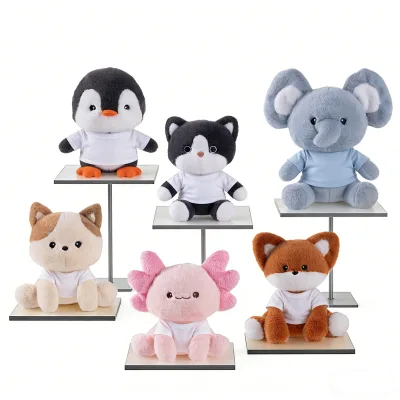
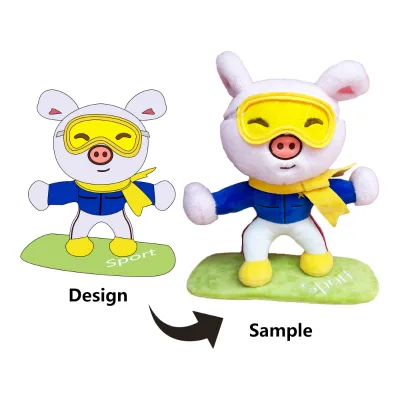


Custom Cute Plush Creative Animation Personalized Custom Plush Doll Animal Toy
$1.50 - $3.00
MOQ: 100 Pieces


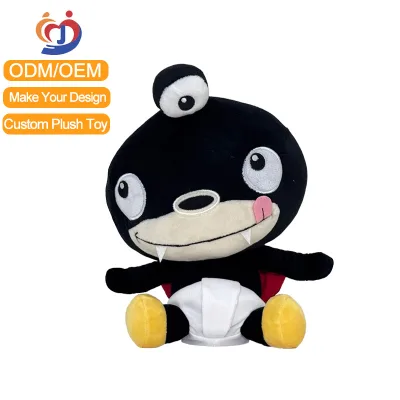
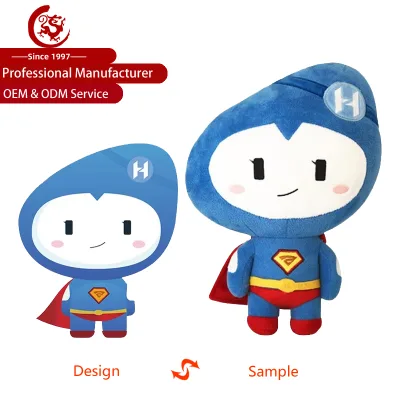
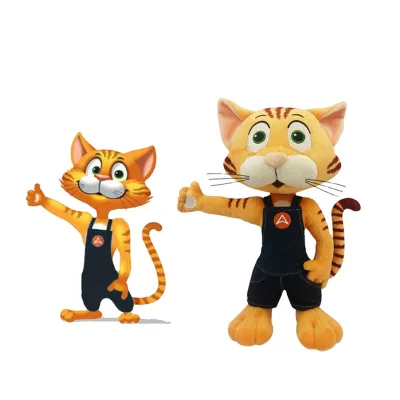
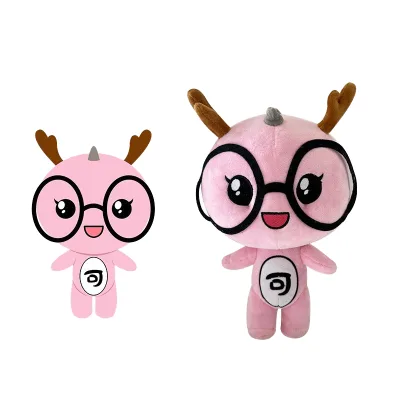
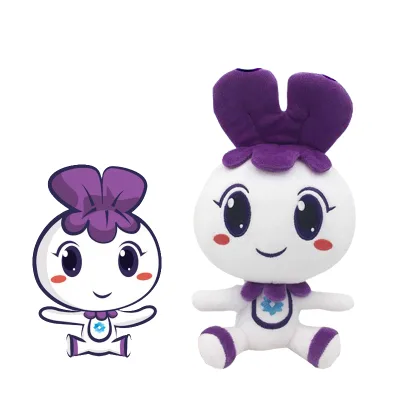
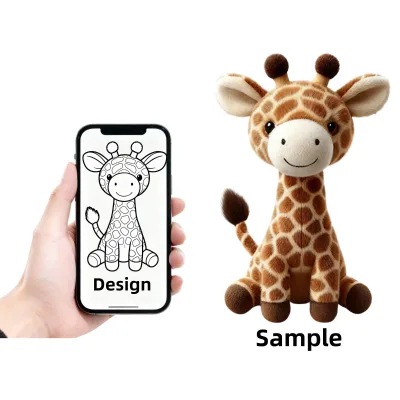
Wholesale Customized Stuffed Giraffe Design Animals High Quality Plush Toys
$1.0113 - $1.5319
MOQ: 1 sets
Comprehensive Sourcing Guide
Eco Friendly Customized Plush Toy Sourcing Guide
Procuring eco-friendly customized plush toys requires a strategic balance between sustainable material sourcing and rigorous safety compliance. Buyers must navigate a market where "eco-friendly" is often a marketing term rather than a verified standard. The core challenge lies in verifying that the soft plush and PP cotton fillings meet environmental criteria without compromising the tactile quality expected by end-users. This guide provides evidence-based procurement steps to ensure your order aligns with both sustainability goals and regulatory requirements.
Successful sourcing begins with defining clear customization parameters, including size, color, and branding methods. Suppliers in China, particularly those in Zhejiang, offer extensive OEM capabilities, allowing for personalized names and embroidered logos. However, buyers must distinguish between standard production runs and true eco-certified options. Understanding the specific material composition, such as OEKO-TEX certified fabrics, is essential to validate environmental claims and ensure the final product meets your corporate social responsibility standards.
Product Scope and Observed Listing Signals
The current market for customized plush toys features a wide range of product types, from simple stuffed animals to interactive electronic toys. Listings frequently highlight features like hidden pockets, heat-transfer printing, and embroidered details. Buyers should observe that while many products claim customization, the actual implementation varies significantly. Some items are designed for specific age groups, such as 0-3 months or 2-4 years, which directly impacts material safety requirements and design complexity.
Observed listing signals indicate a strong emphasis on personalization, with options for all colors and sizes. Products often include polybag or gift box packaging, catering to different retail needs. However, buyers must be cautious of generic descriptions that do not specify material origins. The presence of terms like "super soft plush" does not automatically imply eco-friendly sourcing. Verification of the actual fabric type and filling material is necessary to ensure the product aligns with your specific sustainability criteria and target market expectations.
Technical Specifications to Verify
Technical verification starts with confirming the material composition, specifically the type of plush fabric and PP cotton filling. Buyers should request detailed specifications for the lining material, such as mesh, and ensure it meets durability and safety standards. The size range, often customizable from 18cm to 30cm, must be validated against your packaging and shipping constraints. Additionally, the surface finishing, whether matte varnishing or other treatments, should be checked for environmental impact and chemical safety.
Interaction modes and functional attributes also require careful scrutiny. While some plush toys are simple stuffed animals, others may include electronic interactions or light changes. These features introduce additional complexity regarding battery safety and electronic component sourcing. Buyers must verify that any electronic parts are compliant with relevant standards and that the customization process does not compromise the structural integrity of the toy. Clear specifications prevent misunderstandings and ensure the final product meets functional expectations.
Compliance and Safety Documentation
Compliance is non-negotiable for plush toys, especially those intended for children. Buyers must verify that suppliers hold valid certifications such as CE, EN71, CPSIA, and UKCA. These certifications indicate that the product has undergone rigorous testing for physical, mechanical, and chemical safety. The presence of OEKO-TEX certification for personalized stuffed animals is a strong indicator of material safety, ensuring the absence of harmful substances in the fabric and filling.
Documentation should also include test reports from accredited laboratories. Buyers should request these reports to verify that the product meets specific regional standards, such as ASTM for the US market. It is crucial to confirm that the certifications are current and cover the specific materials and components used in the customized product. Without proper documentation, buyers risk regulatory penalties and reputational damage. Ensuring compliance from the outset protects your brand and ensures consumer safety.
Cost Drivers and Commercial Terms
Cost drivers for customized plush toys include material selection, customization complexity, and order volume. The use of eco-friendly materials, such as OEKO-TEX certified fabrics, may increase unit costs. Additionally, features like embroidered logos or heat-transfer printing add to the production expense. Buyers should analyze the MOQ requirements, which can range from 1 to 1000 units, to determine the most cost-effective order size. Understanding these variables helps in budgeting and negotiating favorable terms.
Commercial terms also play a significant role in the total cost of ownership. Payment methods such as Trade Assurance, Western Union, and TT offer varying levels of security and convenience. Buyers should consider the lead times and shipping costs, which can impact the overall budget. Clear communication regarding packaging options, such as polybags or gift boxes, is essential to avoid unexpected charges. Negotiating these terms upfront ensures transparency and helps in managing cash flow effectively.
Supplier Qualification and Quality Control
Supplier qualification involves assessing their manufacturing capabilities, quality control processes, and past performance. Buyers should verify the supplier's location, such as Zhejiang, China, and their experience in producing customized plush toys. Requesting samples is a critical step to evaluate the quality of materials, stitching, and finishing. Suppliers who accept OEM designs and offer customization options should be evaluated based on their ability to meet your specific requirements consistently.
Quality control measures should be established before production begins. This includes defining acceptance criteria for materials, workmanship, and packaging. Buyers should consider implementing third-party inspections to ensure compliance with specifications and standards. Regular communication with the supplier during the production process can help identify and address potential issues early. Establishing a robust quality control framework minimizes the risk of defects and ensures that the final product meets your expectations.
Long-Term Procurement Checks
Long-term procurement success depends on continuous monitoring of supplier performance and market trends. Buyers should regularly review supplier certifications and test reports to ensure ongoing compliance. Tracking changes in material costs and regulatory requirements helps in anticipating potential impacts on pricing and product safety. Building a strong relationship with reliable suppliers can lead to better terms, priority production, and improved quality over time.
Additionally, buyers should stay informed about emerging eco-friendly materials and technologies in the plush toy industry. This knowledge can help in making informed decisions about product development and sourcing strategies. Regularly updating your procurement criteria to reflect new sustainability standards ensures that your products remain competitive and compliant. By maintaining a proactive approach to supplier management and market analysis, buyers can secure a steady supply of high-quality, eco-friendly customized plush toys.
FAQs
Can I customize the size and color of the plush toy?
Yes, customization is available for both size and color. The product supports all sizes and all colors, allowing you to tailor the plush toy to your specific design requirements. You can choose from various dimensions, including 18cm or 25cm, and select any color to match your brand identity or gift theme.
What certifications does the customized plush toy have?
The plush toy holds multiple safety certifications including CE, EN71 testing, CPSIA, UKCA, ICTI, and ASTM. Additionally, it is OEKO-TEX certified, ensuring the materials meet strict environmental and human-ecological standards. These certifications verify the product's safety for children and compliance with international market regulations.
What is the minimum order quantity for OEM orders?
The minimum order quantity varies by product listing, ranging from 1 to 1000 units. Some specific models require an MOQ of 10000. You should verify the exact MOQ for your chosen model, as it depends on the specific item number and customization level requested by your supplier.
What materials are used in the stuffed animal?
The main material is super soft plush, often combined with PP cotton filling for a comfortable texture. Some variants use cotton or mesh lining. The materials are selected for safety and softness, making them suitable for infants and children. The filling ensures the toy maintains its shape while remaining gentle to touch.
How is the logo applied to the plush toy?
Logos can be applied via printing or embroidery. The customization options include heat-transfer printing for detailed designs or embroidered logos for a premium look. You can submit your OEM design, and the manufacturer will apply it according to your specifications, ensuring your brand is clearly represented on the final product.
What is the packaging method for the plush toys?
Each plush toy is typically packed in a polybag. For gift purposes, you can opt for a gift box packaging option. The single package size is approximately 30x15x10 cm, and the gross weight is around 0.5 kg. This packaging protects the product during shipping and presentation.