Source Eco Friendly Dice Cup for Games, Gifts, and Promotions
Source Eco Friendly Dice Cup options from 30 verified listings. Compare materials like genuine leather and beech wood, check customization features, and review specifications for bulk purchasing needs. Evaluate MOQs, packaging details, and origin locations to find the best fit for your business requirements.
Updated
Key considerations
Products List


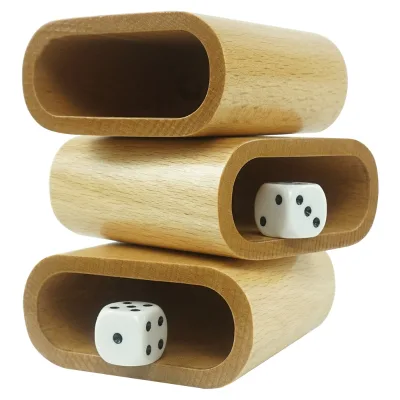
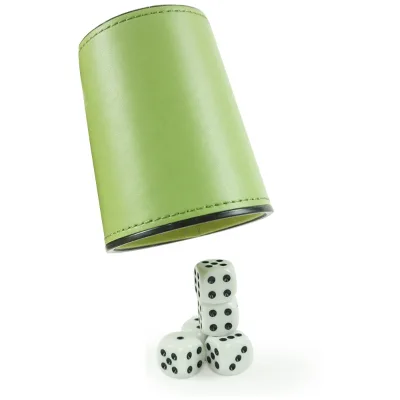
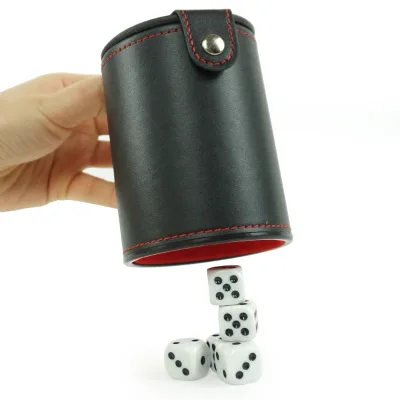
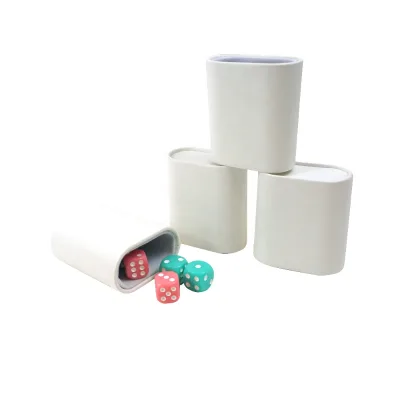
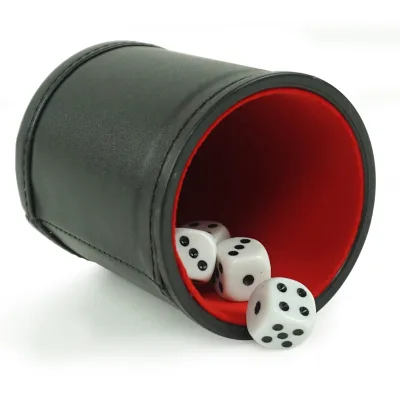
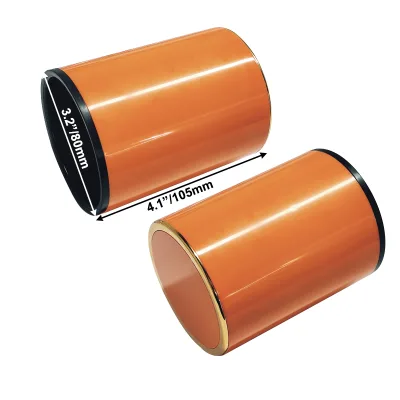
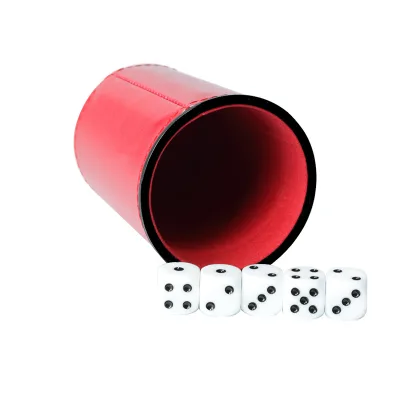
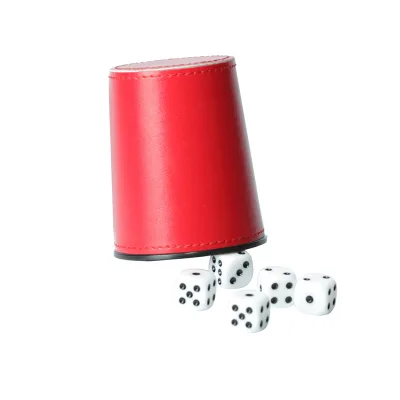
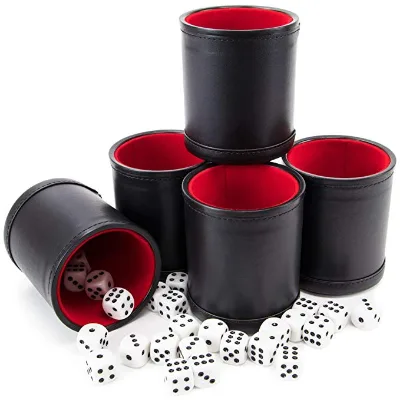
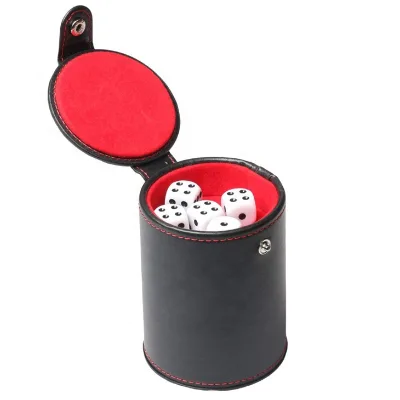
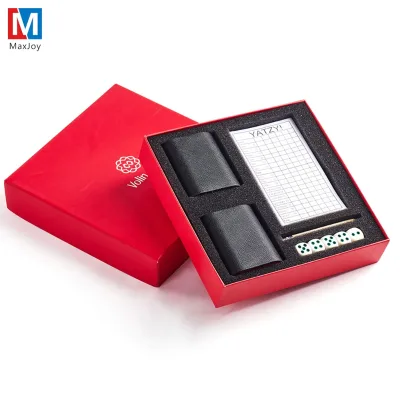
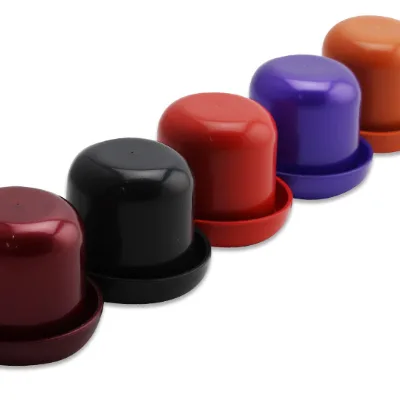
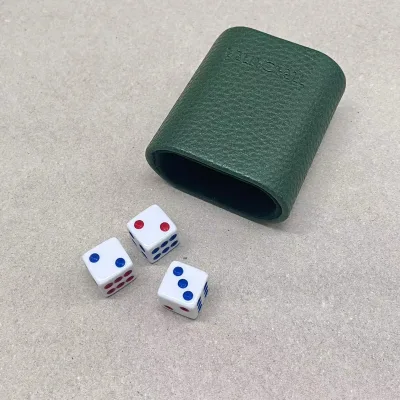
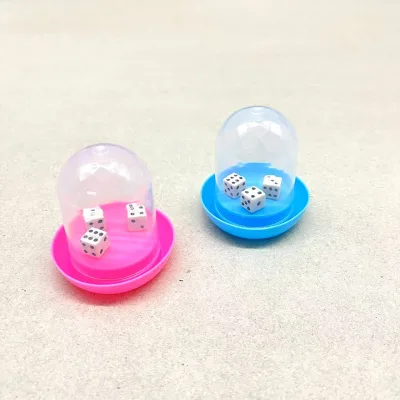
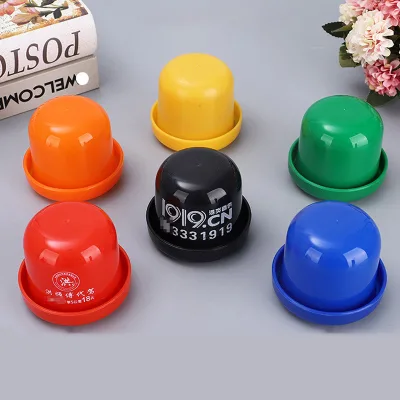
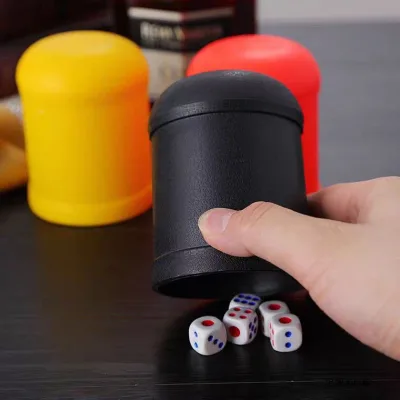
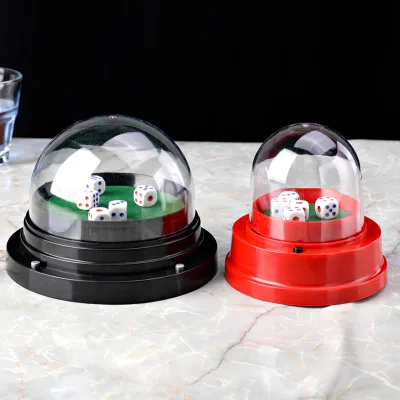
Professional Manufacture Dice Cup Colorful Dice Cup Increase the Design Plastic Dice Cup
$0.7271 - $0.8198
MOQ: 1000 pieces
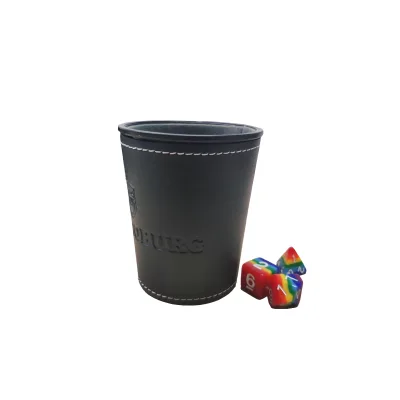
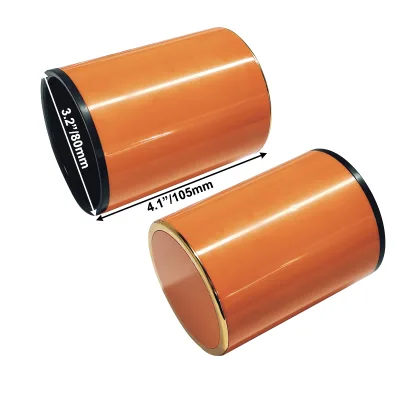


Comprehensive Sourcing Guide
Eco Friendly Dice Cup Sourcing Guide
Procuring eco-friendly dice cups requires a strategic approach that balances sustainability claims with functional durability and regulatory compliance. Buyers must navigate a market where "eco-friendly" is often a marketing term rather than a verified technical specification. The core challenge lies in distinguishing between products made from genuinely sustainable materials, such as beech wood or recycled leather, and those merely labeled as green without substantive backing. This guide provides a framework for evaluating suppliers based on observable listing signals, technical verifications, and commercial realities.
The sourcing process begins with identifying suppliers who transparently disclose material origins and manufacturing standards. Given the diverse range of products available, from manual operation cups to customized logo variants, buyers need to establish clear criteria for what constitutes an eco-friendly product in their specific context. This involves looking beyond surface-level attributes like color or style to examine the underlying material composition and production methods. By focusing on verifiable data points such as certifications and material grades, buyers can mitigate the risk of greenwashing and ensure their procurement aligns with corporate sustainability goals.
Product Scope and Observed Listing Signals
The current market for dice cups exhibits a wide variance in product attributes, ranging from basic plastic variants to high-grade genuine leather options. Listings frequently highlight customization capabilities, including custom logos and embossed designs, which are critical for branded merchandise. Buyers should observe that products are often described with specific styles, such as corner or horn shapes, and come in multicolour options. The presence of attributes like "Eco-Friendly: Yes" and "High Grade" quality suggests a segment of the market targeting premium or environmentally conscious consumers, though these claims require independent verification against actual material compositions.
Packaging and origin data provide additional context for sourcing decisions. Many suppliers indicate origins in China, specifically regions like Guangdong and Zhejiang, which are known for manufacturing hubs. Packaging options vary from individual boxes to color boxes, with some listings specifying carton quantities like 100 pieces per carton. These logistical details are essential for calculating landed costs and storage requirements. Buyers must also note the age ranges specified, which often include teenagers and adults, indicating that the product scope extends beyond children's toys to include adult entertainment and gaming accessories, thereby influencing safety and durability expectations.
Technical Specifications to Verify
Technical verification is paramount when sourcing dice cups, particularly when sustainability claims are involved. Buyers should request detailed specifications for material composition, such as whether the cup is made from beech wood or genuine leather, as these materials have different environmental footprints and durability profiles. Dimensions are another critical factor, with observed sizes ranging from approximately 7.5 cm to 8.2 cm in width and height. Verifying these dimensions ensures compatibility with standard dice sets and user comfort, while also impacting packaging efficiency and shipping costs.
Weight and model numbers serve as key identifiers for quality control and inventory management. Observed weights, such as 68 grams per cup, help buyers assess the sturdiness of the product, which is often correlated with material density and quality. Model numbers like LSDC01, LS303, and DC003 allow for precise tracking of supplier offerings and version changes. Buyers should insist on consistent model numbering across orders to avoid confusion and ensure that the eco-friendly attributes remain consistent. Additionally, verifying the mode of operation, typically manual, confirms that the product meets the expected functional requirements for gaming and entertainment purposes.
Compliance and Safety Documentation
Compliance with international standards is a non-negotiable aspect of sourcing dice cups, especially those marketed as eco-friendly. Certifications such as CE and RoHS are critical indicators of adherence to European safety and environmental regulations. Buyers must verify that suppliers can provide valid certificates for each batch, ensuring that materials do not contain harmful substances like lead or phthalates. This is particularly important for products intended for a wide age range, including teenagers and adults, where safety standards must be rigorously maintained.
Beyond certifications, buyers should inquire about the specific standards used for eco-friendly claims. While some listings mention eco-friendly attributes, the lack of specific standard references necessitates proactive verification. Buyers should ask suppliers to detail the testing protocols used to validate these claims, including any third-party lab results. This due diligence helps in building a defensible sustainability narrative for the end product. Ensuring that all documentation is up-to-date and directly linked to the production batch minimizes legal risks and enhances brand credibility in the marketplace.
Cost Drivers and Commercial Terms
Cost structures for dice cups are influenced by material choices, customization levels, and order volumes. The observed minimum order quantities (MOQs) range from 500 to 1000 pieces, which can impact cash flow and inventory management for smaller buyers. Higher MOQs often correlate with lower unit prices, but buyers must balance this with storage costs and demand forecasts. Customization, such as logo printing or embossing, adds to the per-unit cost and may require additional setup fees, which should be factored into the total procurement budget.
Lead times and payment terms are also significant commercial considerations. Suppliers typically operate from manufacturing hubs in China, which can affect shipping durations and logistics costs. Buyers should negotiate clear lead times to align with their sales cycles and avoid stockouts. Payment terms, such as deposits and balance payments, vary among suppliers and should be structured to mitigate financial risk. Understanding these commercial dynamics allows buyers to optimize their procurement strategy, ensuring that cost efficiencies do not compromise quality or delivery reliability.
Supplier Qualification and Quality Control
Supplier qualification involves a thorough assessment of manufacturing capabilities and quality assurance processes. Buyers should prioritize suppliers who demonstrate transparency in their production lines and have established quality control protocols. Given the diverse product range, from wooden cups to leather variants, suppliers must show expertise in handling different materials to maintain consistent quality. Requesting samples is a crucial step in evaluating the tactile feel, durability, and finish of the dice cups, ensuring they meet the expected standards for eco-friendly and high-grade products.
Quality control should extend to packaging and labeling accuracy. Buyers must verify that the final products match the approved samples in terms of color, shape, and branding. Inspections should also check for defects such as rough edges or uneven finishes, which can detract from the premium feel of the product. Establishing a clear communication channel with the supplier for addressing quality issues is essential. Regular audits or third-party inspections can provide additional assurance, helping buyers maintain high standards and protect their brand reputation in the competitive gaming accessory market.
Long-Term Procurement Checks
Long-term procurement success depends on continuous monitoring of supplier performance and market trends. Buyers should establish key performance indicators (KPIs) for delivery times, defect rates, and responsiveness to issues. Regular reviews of these metrics help identify potential problems early and foster a collaborative relationship with suppliers. As sustainability standards evolve, buyers must stay informed about new regulations and consumer preferences, adjusting their sourcing strategies accordingly to remain competitive and compliant.
Building a resilient supply chain involves diversifying suppliers and maintaining open lines of communication. Buyers should periodically reassess their supplier base to ensure they are getting the best value and quality. Engaging in long-term contracts can provide stability and potentially better pricing, but it requires careful risk management. By focusing on continuous improvement and adaptability, buyers can navigate the complexities of the dice cup market, ensuring that their procurement efforts support both business objectives and sustainability commitments.
FAQs
Can I get a custom logo on eco friendly dice cups?
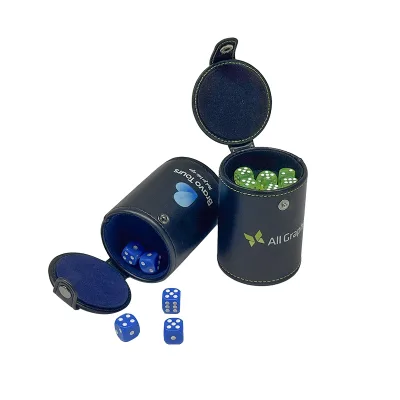
Yes, customization is available for these dice cups. You can choose from custom printing or embossed logos to brand your products. The items are designed to accept personalized markings, allowing businesses to add their unique identity to the horn-shaped or corner-style cups effectively.
What certifications do these dice cups hold?
These dice cups hold CE and RoHS certifications, ensuring they meet specific safety and environmental standards. This makes them suitable for markets with strict regulatory requirements. The eco-friendly nature is further supported by these verified compliance marks, providing assurance for buyers seeking safe gaming accessories.
What is the minimum order quantity for these cups?
The minimum order quantity varies by supplier, typically ranging from 500 to 1000 pieces per color. Some listings indicate an MOQ of 500, while others require 1000 pieces. Buyers should check specific supplier terms to determine the exact threshold required for their initial bulk purchase order.
What materials are used to make these dice cups?
Manufacturers use various materials, including genuine leather and beech wood. Some options are described as high-grade and eco-friendly. The cups are often crafted to be easily cleaned and durable, with specific models featuring wooden construction or leather finishes to suit different aesthetic and functional preferences.
How are these dice cups packaged for shipping?
Packaging options include individual color boxes, paper cartons, or standard box packaging. Suppliers often pack 100 pieces per carton for efficient shipping. The individual packaging helps protect the cups during transit, while the bulk carton standard ensures safe handling and organized delivery for large wholesale orders.
Where are these dice cups manufactured?
These dice cups are manufactured in China, with origins in regions like Guangdong and Zhejiang. Specific production hubs include Shenzhen. Buyers can source directly from these established manufacturing centers, which offer a wide variety of styles and customization options for global distribution and wholesale procurement needs.