Find Eco-Friendly Durable Dog Treat Ball for Chewing, Feeding, Training
Browse 30 Eco-Friendly Durable Dog Treat Ball listings from manufacturers offering rubber and ETPU construction, geometric patterns, and customizable logos and packaging. Buyers can compare sizes, materials, certifications, and pricing to identify suitable options for pet chew, feeding, and interactive play applications.
Key considerations
Products List
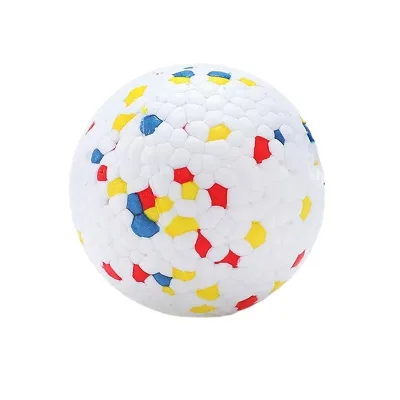

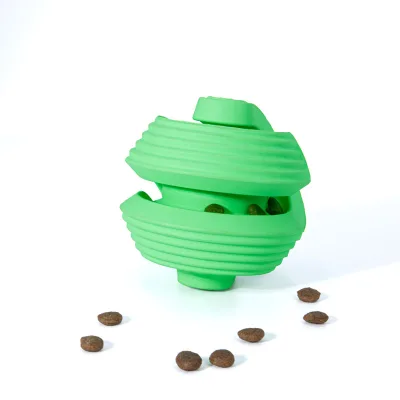
Treat Dispensing Dog Toys Interactive Pet Slow Feeder Ball Dog Treat Ball
$1.00 - $1.30
MOQ: 5000 Pieces


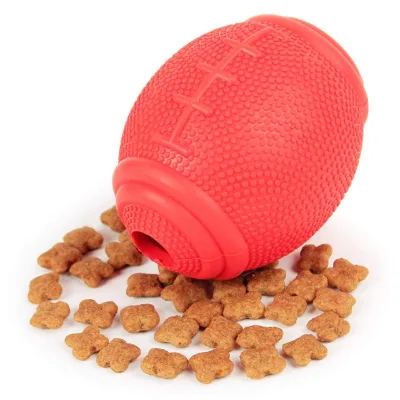
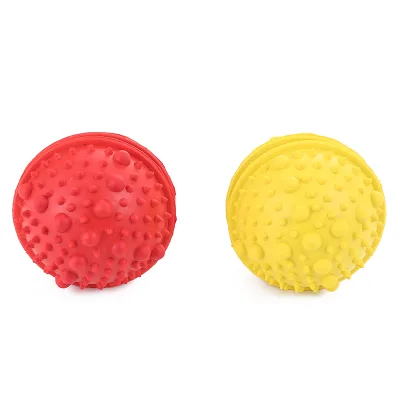


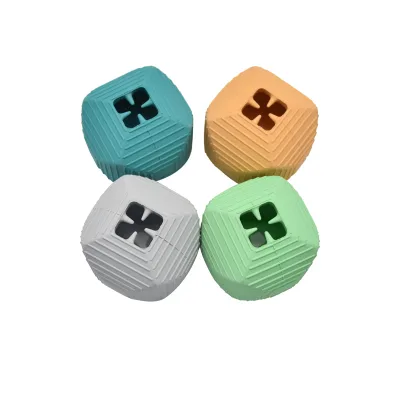
Comprehensive Sourcing Guide
Eco-Friendly Durable Dog Treat Ball Sourcing Guide
Sourcing eco-friendly and durable dog treat balls requires a careful balance between material sustainability, mechanical resilience, and functional design. Buyers must navigate a market where "eco-friendly" claims often overlap with standard rubber or thermoplastic elastomer compositions, necessitating strict verification of material safety and end-of-life considerations. The core challenge lies in identifying products that maintain structural integrity under aggressive chewing while simultaneously serving as interactive dispensers for treats, thereby extending playtime and mental stimulation for pets. This guide outlines the essential verification steps, technical parameters, and commercial considerations for procuring these specialized pet accessories.
The procurement process begins with defining the specific use case, whether for small indoor dogs or large outdoor breeds, as this dictates the required durability and size specifications. Observed market listings indicate a wide variance in product attributes, from simple geometric chewing toys to complex interactive dispensers with rubber inner linings and soft outer layers. Buyers must align their sourcing strategy with the intended audience, ensuring that the selected product meets the physical demands of the target dog breed while adhering to environmental standards. This alignment prevents over-specification for light chewers or under-specification for powerful jaws, optimizing both cost and product performance.
Product Scope and Observed Listing Signals
The current market landscape for eco-friendly dog treat balls reveals a diverse range of product types, including chewing toys, interactive dispensers, and feeding bowls. Listings frequently highlight materials such as ETPU (Ethylene-Tetrafluoroethylene Propylene-United) and rubber, often combined with soft chemical fiber wool for enhanced texture and grip. These materials are selected for their ability to withstand repeated impact and chewing, with some products featuring inflatable designs that offer portability and easy storage. The observed color palettes and styles, ranging from modern geometric patterns to classic primary colors, suggest a focus on visual appeal alongside functional durability.
Key product attributes observed in listings include customization options, such as logo printing and tailored packaging, which are critical for private-label buyers. Many suppliers offer OEM services, allowing brands to imprint their identity on the product while maintaining the core functional design. The observed single package sizes and gross weights indicate compact, lightweight products that are cost-effective to ship, a significant factor in global procurement. Additionally, the presence of features like "bite-resistant" and "non-toxic" claims underscores the importance of material safety in the buyer’s evaluation criteria, ensuring that the product is safe for prolonged animal interaction.
Technical Specifications to Verify
Verifying technical specifications is paramount to ensuring the product meets the durability and safety expectations of the end-user. Buyers should confirm the exact material composition, distinguishing between pure rubber, ETPU, or composite materials like rubber inner linings with soft outer layers. The size specifications, ranging from compact 18cmx18cm options to larger 9.5-inch inflatable models, must be matched to the target dog breed to prevent choking hazards or inadequate play value. Additionally, the electric nature of the product should be confirmed as non-electric, ensuring simplicity and safety in design, which is typical for chew toys and treat dispensers.
The structural integrity of the treat ball, particularly its ability to dispense treats without breaking apart, requires rigorous testing. Buyers should inquire about the manufacturing process, such as whether the product is molded, inflated, or assembled from multiple components. Specifications such as the single gross weight and package dimensions are essential for calculating logistics costs and storage requirements. Furthermore, the customization of the product model, such as BELSQ007 or p-2, indicates that buyers can request specific design modifications to suit their brand’s unique requirements, provided these changes do not compromise the product’s core durability.
Compliance and Safety Documentation
Compliance with safety standards is non-negotiable for pet products, given the direct interaction between the toy and the animal. Buyers must verify that the product holds relevant certifications, such as CCC, ISO, CE, and RoHS, which attest to its compliance with international safety and environmental regulations. The presence of ASTM certification is particularly important for the North American market, ensuring that the product meets specific safety requirements for children’s and pet products. These certifications provide a baseline assurance that the materials used are non-toxic and free from harmful substances, protecting both the pet and the brand’s reputation.
Beyond certifications, buyers should request detailed material safety data sheets (MSDS) and test reports from independent laboratories. These documents should confirm that the product is free from heavy metals, phthalates, and other hazardous chemicals. The "pet-safe" and "non-toxic" claims observed in listings must be backed by empirical evidence, as regulatory bodies increasingly scrutinize such assertions. Additionally, buyers should ensure that the product’s design does not pose any mechanical hazards, such as small detachable parts that could be swallowed, thereby aligning with both legal requirements and ethical sourcing practices.
Cost Drivers and Commercial Terms
Understanding the cost drivers associated with eco-friendly dog treat balls is essential for effective budgeting and negotiation. The primary cost factors include the raw material prices for rubber or ETPU, the complexity of the manufacturing process, and the level of customization required. Products with intricate designs, such as those with soft outer layers or inflatable features, may incur higher production costs due to additional labor and quality control steps. Furthermore, the MOQ (Minimum Order Quantity) ranges, observed from 1 to 5000 units, significantly impact the unit price, with larger orders typically benefiting from economies of scale.
Commercial terms, including payment methods, lead times, and shipping arrangements, also play a crucial role in the total cost of ownership. Buyers should negotiate clear terms regarding customization, such as logo printing and packaging, to avoid hidden fees. The observed price range of $0.39 to $5 per unit reflects the variance in product complexity and material quality, providing a benchmark for cost comparison. Additionally, buyers should consider the logistics costs associated with the product’s weight and dimensions, as these factors influence the overall profitability of the procurement.
Supplier Qualification and Quality Control
Supplier qualification is a critical step in ensuring the reliability and consistency of the supply chain. Buyers should conduct thorough due diligence on potential suppliers, verifying their business licenses, production capabilities, and quality management systems. Suppliers located in regions such as Fujian, Zhejiang, and Anhui in China are common sources for pet products, but buyers must assess their specific expertise in eco-friendly materials and durable toy manufacturing. Requesting samples and conducting factory audits can provide valuable insights into the supplier’s operational standards and commitment to quality.
Quality control measures should be established to monitor production consistency and product safety. Buyers should implement pre-shipment inspections to verify that the products meet the agreed-upon specifications, including material composition, size, and durability. Establishing a clear defect rate threshold and a process for handling non-conforming products is essential for maintaining supply chain integrity. Additionally, buyers should foster open communication with suppliers to address any quality issues promptly, ensuring that the final product delivered to the market meets the highest standards of safety and performance.
Long-Term Procurement Checks
Long-term procurement success depends on continuous monitoring of product performance and market trends. Buyers should gather feedback from end-users to assess the durability and safety of the eco-friendly dog treat balls in real-world conditions. This feedback loop can inform future product iterations, allowing for improvements in design and material selection. Additionally, staying informed about evolving regulatory requirements and sustainability standards is crucial for maintaining compliance and competitiveness in the market.
Building a resilient supply chain involves diversifying suppliers and establishing strategic partnerships with reliable manufacturers. Buyers should regularly review supplier performance metrics, including on-time delivery, quality consistency, and responsiveness to issues. By maintaining a proactive approach to supplier management and product development, buyers can mitigate risks and ensure a steady supply of high-quality, eco-friendly dog treat balls. This long-term perspective supports sustainable growth and reinforces the brand’s commitment to safety, durability, and environmental responsibility.
FAQs
What materials are used for eco friendly durable dog treat balls?
These toys are made from ETPU and rubber materials to ensure durability and safety. Some models feature a rubber inner lining with soft chemical fiber wool for added texture. All materials are certified non-toxic and eco-friendly to protect pets during chewing and playing.
Which certifications do these pet toys hold for safety?
The products hold CCC, ISO, CE, and RoHS certifications to meet international safety standards. They are also ASTM and CE certified as pet-safe and non-toxic. These certifications ensure the toys are safe for large dog breeds like Labrador and Golden Retriever to use.
Can buyers request custom logos and packaging for these toys?
Yes, customization is available including logo printing and customized packing options. Buyers can specify their own model numbers and packaging dimensions to match their brand needs. This service allows for tailored solutions while maintaining the eco-friendly and durable qualities of the product.
What is the typical MOQ for ordering these dog chew toys?
The minimum order quantity ranges from 1 to 5000 units depending on the specific product configuration. Some items are sold as single units while others require bulk orders for standard export cartons. Buyers should check specific model requirements to determine the exact MOQ for their purchase.
How are these toys packaged for international shipping?
Packaging options include standard export cartons with 100 pieces per carton or customized packing sizes. Individual package sizes are typically 8x8x8 cm with a gross weight of 0.050 kg. Larger orders may use bulk packing dimensions like 39x33x56 cm for efficient transport.
Where are these eco friendly dog toys manufactured?
Manufacturing locations include Fujian, Ningbo, and Tianchang in China. Specific models originate from Zhejiang Ningbo or Anhui regions. These locations support the production of various styles including modern, classic, and simple designs suitable for different pet needs.
What features make these toys suitable for large dogs?
These toys are designed to be bite-resistant and durable for large dog breeds. They feature non-toxic materials and robust construction to withstand heavy chewing. The size and material composition ensure they are safe and engaging for active outdoor play with large dogs.