Source Eco Friendly Insulated Stainless Steel Tumbler with Straw for Business Gifts, Travel, and Home Kitchen
Find 30 Eco Friendly Insulated Stainless Steel Tumbler with Straw options featuring double-wall vacuum technology and leak-proof designs. Compare models like DA-549V and DA-111SS for business gifts, travel, and home kitchen use, with customization services for logo and color.
Key considerations
Products List


Travel-Friendly 40oz Insulated Stainless Steel Tumbler with Handle and Straw
$5.00 - $5.50
MOQ: 1000 Pieces


Stainless Steel Vacuum Insulated Tumbler with Retractable Straw for Travel
$6.70 - $7.40
MOQ: 1000 Pieces


30oz Insulated Tumbler Stainless Steel Coffee Tumbler with Lid and Straw
$2.46 - $3.44
MOQ: 100 Pieces

40oz Stainless Steel Double Wall Vacuum Insulated Tumbler with Lid and Straw
$1.00 - $2.99
MOQ: 25 Pieces


40oz Stainless Steel Insulated Tumbler with Handle & Straw Leakproof Travel Mug
$3.05 - $4.28
MOQ: 100 Pieces
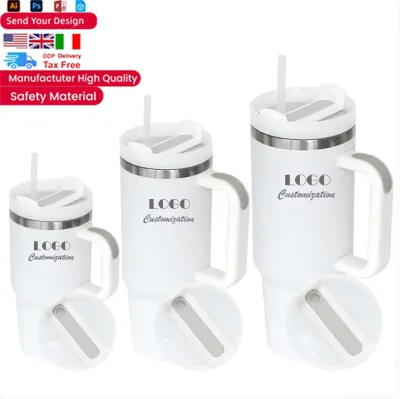


Comprehensive Sourcing Guide
Eco Friendly Insulated Stainless Steel Tumbler with Straw Sourcing Guide
Sourcing eco-friendly insulated stainless steel tumblers with straws requires a careful balance between material integrity, functional design, and sustainable manufacturing practices. The modern B2B buyer must navigate a market flooded with variations in wall construction, lid mechanisms, and surface finishes, all while ensuring that the final product meets specific branding and environmental expectations. This guide provides a structured approach to evaluating suppliers, verifying technical specifications, and managing commercial risks associated with this high-demand drinkware category. By focusing on evidence-based verification steps, buyers can secure products that deliver on both performance promises and ethical sourcing standards.
The core appeal of these products lies in their dual-wall vacuum insulation, which maintains beverage temperature while preventing condensation, a critical feature for both promotional gifts and retail sales. However, the term "eco-friendly" is often used loosely in marketing materials, making it essential for procurement teams to look for tangible evidence of sustainability, such as the use of food-grade stainless steel, recyclable packaging, and certified manufacturing processes. This guide emphasizes the importance of distinguishing between genuine sustainable practices and greenwashing, ensuring that the selected suppliers align with the buyer’s corporate social responsibility goals and regulatory requirements in target markets like the USA, Europe, and Asia.
Product Scope and Observed Listing Signals
The current market landscape for insulated stainless steel tumblers is characterized by a wide range of models, each tailored to specific use cases such as business gifts, home kitchen use, outdoor camping, and travel. Observed listings indicate a strong preference for classic and modern design styles, with many products featuring multicolor options and customized branding services. Buyers should note that while the core material is consistently stainless steel, the inclusion of additional components like PP (polypropylene) and ABS plastic in lids and handles introduces complexity in terms of recycling and end-of-life disposal. Therefore, understanding the exact material composition of each component is vital for accurate sustainability reporting and compliance with regional plastic regulations.
Listing signals also reveal significant variation in accessory configurations, with some models including straws and handles while others are sold as basic tumblers with lids. The presence of features such as leak-proof seals and dishwasher-safe finishes adds value but also increases the likelihood of mechanical failure if not properly engineered. Buyers must carefully review product descriptions to distinguish between models intended for heavy-duty commercial use versus those designed for single-use promotional events. The observed price range and MOQ (Minimum Order Quantity) variations suggest that economies of scale play a significant role in pricing, with larger orders yielding better unit costs but requiring higher upfront capital and storage capacity.
Technical Specifications to Verify
Verifying the technical specifications of insulated tumblers is the first line of defense against quality issues and customer complaints. Buyers should prioritize models that explicitly state double-wall vacuum insulation, as this is the primary mechanism for thermal retention and condensation prevention. The material grade of the stainless steel is equally critical; food-grade 18/8 or 304 stainless steel is the industry standard for durability and corrosion resistance, ensuring that the tumbler does not impart metallic tastes to beverages or degrade over time. Suppliers should be asked to provide mill certificates or material test reports to confirm that the steel meets these food-contact safety standards, particularly for markets with stringent regulatory environments.
In addition to material composition, the construction technology used in manufacturing significantly impacts product longevity and aesthetic quality. Injection molding and ultrasonic welding are common processes for creating lids and handles, but the precision of these processes determines the fit and seal integrity of the tumbler. Buyers should request samples to test the leak-proof claims under various conditions, including inversion and agitation, to ensure that the seal holds up during transport and daily use. Furthermore, the dimensions and weight of the tumbler should be verified against the buyer’s logistical requirements, as even small deviations can impact packaging efficiency and shipping costs, especially when utilizing air or sea freight options.
Compliance and Safety Documentation
Compliance with international safety and quality standards is non-negotiable for B2B buyers sourcing drinkware for global markets. Certifications such as LFGB (German Food and Feed Code) and BSCI (Business Social Compliance Initiative) are strong indicators of a supplier’s commitment to product safety and ethical labor practices. Buyers should verify that these certifications are current and cover the specific manufacturing facilities producing the ordered goods. Additionally, adherence to AQL (Acceptable Quality Limit) standards ensures that the production process maintains consistent quality levels, reducing the risk of receiving defective batches. It is crucial to request copies of these certificates and cross-reference them with the issuing bodies to confirm their validity.
Beyond product-specific certifications, buyers must also consider the environmental impact of the packaging and transportation methods. The use of standard export packaging, such as paper boxes, can contribute to sustainability efforts if the materials are recyclable or biodegradable. However, buyers should also evaluate the carbon footprint associated with transportation, choosing between air, sea, or courier services based on urgency and environmental priorities. Suppliers who offer OEM services for logo, color, and design customization should be required to use eco-friendly inks and adhesives to maintain the overall sustainability profile of the product. This holistic approach to compliance ensures that the buyer meets not only regulatory requirements but also the growing consumer demand for environmentally responsible products.
Cost Drivers and Commercial Terms
Understanding the cost drivers behind insulated stainless steel tumblers is essential for effective budgeting and negotiation. The primary cost components include raw material prices, which fluctuate with global steel markets, and manufacturing labor costs, which vary by region. Suppliers located in manufacturing hubs like Zhejiang, China, often benefit from established supply chains and economies of scale, allowing for competitive pricing. However, buyers should be aware that lower prices may sometimes correlate with compromises in material quality or manufacturing precision. Therefore, it is important to balance cost considerations with quality requirements, ensuring that the selected supplier can deliver products that meet the specified technical and compliance standards.
Commercial terms such as MOQ, lead times, and payment conditions also significantly impact the total cost of ownership. Higher MOQs typically result in lower unit prices but require greater inventory management and financial commitment. Buyers should negotiate flexible MOQs where possible, especially for initial orders or customized designs, to mitigate the risk of excess inventory. Lead times should be clearly defined and factored into the supply chain planning, with contingencies for potential delays due to material shortages or production bottlenecks. Payment terms should be structured to protect the buyer’s interests, such as using letters of credit or escrow services for large orders, to ensure that payment is only released upon satisfactory delivery and inspection of the goods.
Supplier Qualification and Quality Control
Supplier qualification is a critical step in mitigating procurement risks and ensuring long-term partnership success. Buyers should conduct thorough due diligence on potential suppliers, including factory audits and assessments of their production capabilities. Third-party audit firms like BV (Bureau Veritas) can provide objective evaluations of a supplier’s manufacturing processes, quality control systems, and social compliance practices. These audits help identify potential red flags, such as poor working conditions or inadequate quality management systems, before committing to large orders. Buyers should also request references from other clients to gain insights into the supplier’s reliability and responsiveness.
Quality control measures should be implemented throughout the production process, from raw material inspection to final product packaging. Buyers should establish clear quality standards and inspection criteria, including visual checks for surface defects, functional tests for leak-proof seals, and dimensional checks for fit and finish. Random sampling based on AQL standards can help detect defects early in the production run, allowing for corrective actions before the entire batch is completed. Additionally, buyers should consider hiring third-party inspection services to conduct pre-shipment inspections, providing an independent verification of product quality and compliance with the agreed-upon specifications. This proactive approach to quality control minimizes the risk of receiving substandard products and protects the buyer’s brand reputation.
Long-Term Procurement Checks
Long-term procurement success depends on continuous monitoring and evaluation of supplier performance and product quality. Buyers should establish key performance indicators (KPIs) to track metrics such as on-time delivery rates, defect rates, and responsiveness to issues. Regular performance reviews with suppliers can help identify areas for improvement and foster a collaborative relationship focused on mutual growth. Additionally, buyers should stay informed about changes in market trends, regulatory requirements, and sustainability standards, adapting their sourcing strategies accordingly. This proactive approach ensures that the buyer remains competitive and compliant in a dynamic global market.
Furthermore, buyers should invest in building a diversified supplier base to mitigate risks associated with single-source dependencies. Engaging with multiple suppliers can provide flexibility in sourcing, allowing buyers to switch suppliers in case of quality issues, capacity constraints, or geopolitical disruptions. Regular communication and feedback loops with suppliers can also drive continuous improvement, encouraging them to adopt best practices and innovate in product design and manufacturing processes. By maintaining a strategic and vigilant approach to supplier management, buyers can secure a reliable supply of high-quality, eco-friendly insulated stainless steel tumblers that meet their business objectives and customer expectations.
FAQs
What materials are used for the tumbler?
The tumbler is constructed from food grade stainless steel combined with PP and ABS materials. This composition ensures durability while maintaining safety for daily use in various settings like home, kitchen, or outdoor camping.
Can the product be customized for branding?
Yes, the product supports customization for logo, color, and design to meet specific business needs. This service allows buyers to create unique promotional items or gifts tailored to their corporate identity or event requirements.
Which certifications does the manufacturer hold?
The product holds LFGB and BSCI certifications among others to ensure quality and ethical standards. These credentials verify that the manufacturing process meets international safety and social compliance requirements for export markets.
How is the product packed for shipping?
Items are typically packed in paper boxes or standard export packages depending on the specific model. This packaging ensures protection during transit via air, sea, or courier services to destinations in the USA, Europe, or Asia.
What is the minimum order quantity required?
The minimum order quantity ranges from 20 to 3000 units based on the specific product configuration. Buyers should verify the exact MOQ for their selected model to ensure it aligns with their procurement volume and budget.
Is the tumbler suitable for children and adults?
The product line includes options suitable for both children and adults depending on the specific model selected. Features like leak-proof design and double-wall vacuum insulation make it versatile for various age groups and usage occasions.